Where to Fish Below Dam 12 in Bellevue
For many Iowa anglers, the rush of the Mississippi River below a major structure like a dam is an irresistible call, but knowing exactly where to cast your line can feel like searching for a needle in a haystack. The currents are powerful, the landscape is ever-changing, and the fish seem to have minds of their own. This comprehensive guide will peel back the layers of mystery surrounding fishing below Dam 12 in Bellevue, Iowa, helping you unlock its incredible potential and put more fish in your net.
The Allure and Dynamics of Fishing Below Mississippi River Dams
Fishing below a dam on the mighty Mississippi River is a different beast entirely compared to tranquil lake fishing. The dam itself acts as a massive funnel, concentrating baitfish and drawing in predatory species like a magnet. The sheer volume and velocity of water flowing through and over the dam create a dynamic, nutrient-rich environment that fish absolutely thrive in. However, this power also creates complex currents, varying depths, and specific safety considerations that every angler must respect.
Understanding the Tailwater Environment of Dam 12
Dam 12, located near Bellevue, Iowa, is a key structure on the Upper Mississippi River, creating Pool 12 upstream and significant tailwaters downstream. The tailwater environment is characterized by turbulent water directly below the dam, gradually transitioning into more organized currents further downstream. This turbulence oxygenates the water, which is a major draw for fish, especially during warmer months when oxygen levels can drop elsewhere. Additionally, the dam impedes the upstream movement of many fish species, causing them to stack up in the tailwaters. Think of it as a natural bottleneck where fish congregate, making it a prime location for those who understand its nuances. The constant flow also scours the river bottom, creating deeper holes and trenches that serve as excellent hiding and feeding grounds.
Navigating this area requires an understanding of the river's unique features. You'll find a mix of main channel current, eddies where the water swirls back upstream, and protected seams where fast water meets slow. Each of these zones attracts different species and requires specific fishing techniques. It's not just about throwing a line in; it's about reading the water and identifying those subtle changes that signal a fish-holding spot.
Key Structural Features That Attract Fish
Beyond the immediate dam structure, the tailwaters of the Mississippi River are dotted with various man-made and natural features that concentrate fish. These structures are essentially underwater magnets for fish seeking food, shelter, or a break from the relentless current.
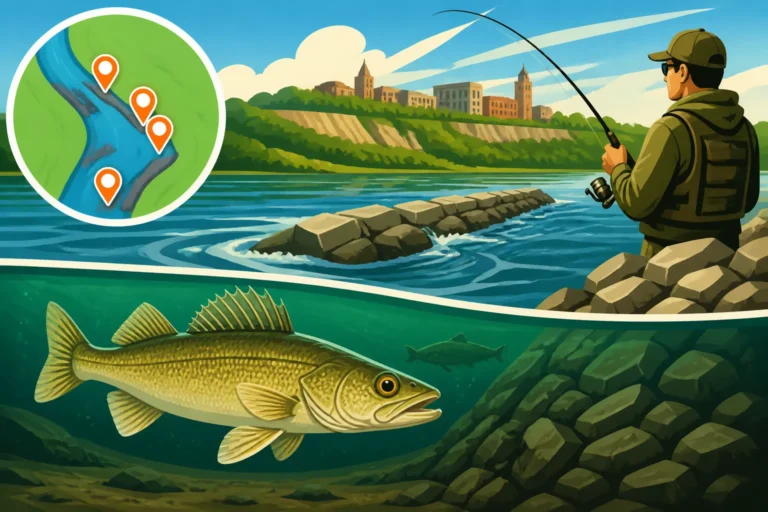
One of the most prominent features you'll encounter are the numerous wing dams. These rock structures extend from the riverbank, angling downstream into the main channel. Their primary purpose is to maintain the river's navigation channel, but for anglers, they are absolute goldmines. Fish use the calmer water downstream of the wing dam for resting and ambushing prey, while the upstream side, where the current hits, can be a feeding frenzy for active fish. Learning to identify and fish these structures is crucial for success here. Understanding Wing Dam Fishing on the Mississippi River can significantly boost your catch rate.
Other important features include riprap banks, which are shorelines reinforced with rocks. These provide excellent habitat for baitfish and crawfish, attracting larger predators. Submerged rock piles, old bridge pilings, and even subtle depth changes can also hold significant numbers of fish. Utilizing a good fish finder to locate these underwater structures will give you a distinct advantage.
Unlocking Prime Fishing Locations Below Dam 12 in Bellevue
While the entire tailwater area below Dam 12 holds potential, certain spots consistently produce more fish due to their unique hydrological characteristics and access to food. Knowing these honey holes can turn an average day into an exceptional one.
The Immediate Tailrace: Caution and Opportunity
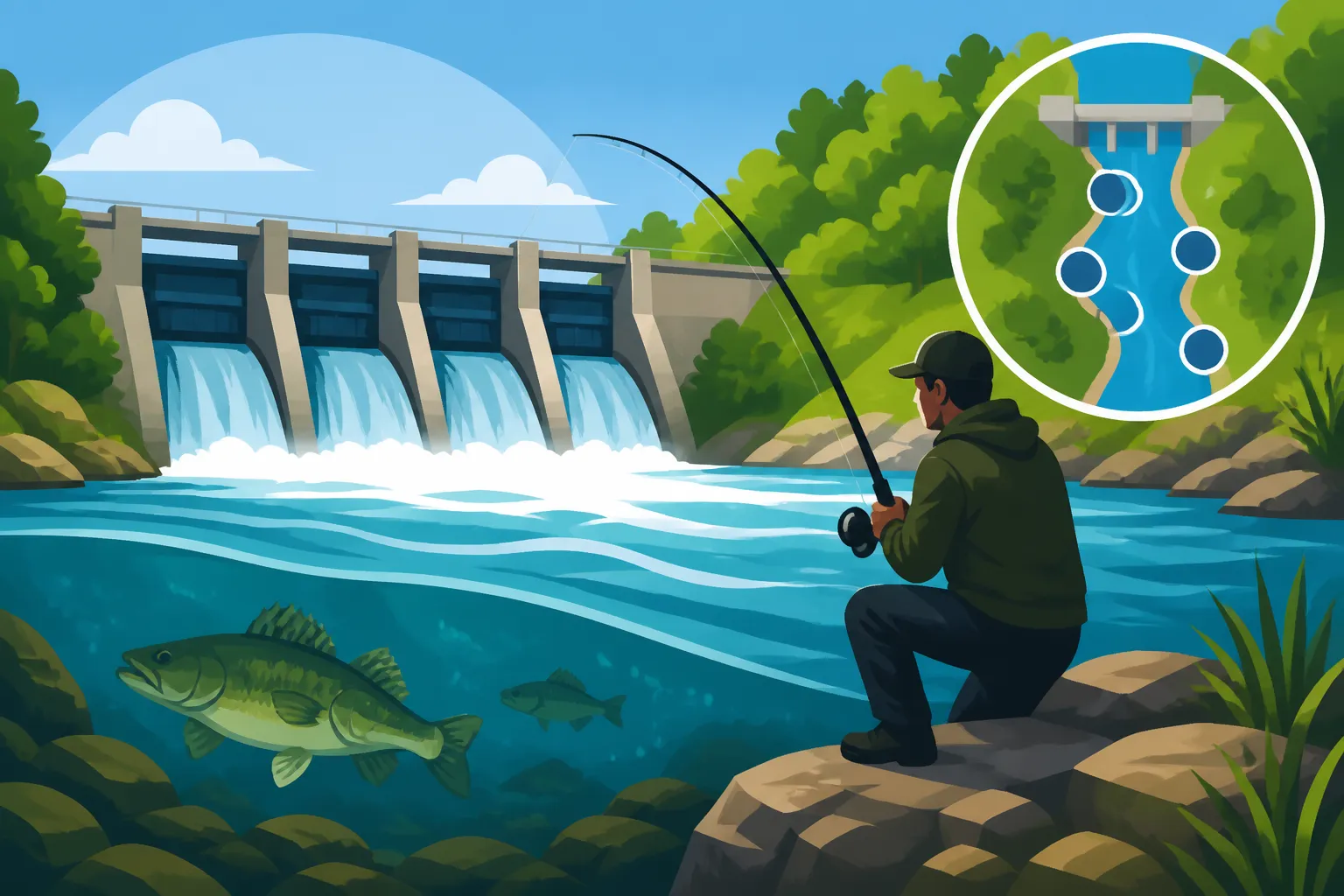
Directly below the dam, the water is at its most turbulent and powerful. This "tailrace" area is where the most active feeding frenzies often occur, especially for species like walleye, sauger, and white bass that ambush baitfish stunned by the flow. However, this is also the most dangerous area due to strong currents, boiling eddies, and potential debris. Always observe posted warning signs and maintain a safe distance from the dam structure itself. Iowa law typically requires boats to stay at least 50 feet away from navigation dams.
Anglers with powerful boats and experience navigating strong currents can position themselves just outside the immediate boil, casting into the seams where the turbulent water meets calmer stretches. These current seams are prime ambush points. Vertical jigging with heavy jigs (1/2 to 1 oz or more) tipped with minnows or soft plastics is incredibly effective here, as is slowly trolling heavy crankbaits that can dive deep into the current. Remember, you'll need robust gear to handle these powerful fish and the strong currents; lightweight tackle will simply not cut it. This immediate area is often best fished from a boat, but shore anglers can sometimes find success on the edges where the current lessens.
Targeting Wing Dams and Current Breaks Downstream
As you move further downstream from the immediate tailrace, the river's flow becomes more organized, and the wing dams become the dominant structures. These are arguably the most productive spots in Pool 12 for a variety of species. Each wing dam creates distinct current breaks, eddies, and scour holes that fish utilize.
The most common strategy is to position your boat either upstream or downstream of a wing dam, casting towards its tip or along its length. Fishing the slack water on the downstream side can be incredibly effective for resting fish, while the turbulent upstream side can hold aggressively feeding walleye or sauger. Experiment with different depths and retrieve speeds. You might find fish tucked right against the rocks in inches of water, or holding in a deep scour hole created at the tip of the wing dam. Drifting a live bait rig (like a three-way swivel rig with a minnow or crawler) along the seam where the current flows over the wing dam can also be deadly. Remember that the Mississippi River border has unique Reciprocal Fishing Rules on the Mississippi River Border, so be aware if you venture too close to the Illinois side.
For shore anglers, many wing dams extend close enough to the bank to be accessible. Look for public access points along the river near Bellevue. Casting parallel to the bank or slightly out towards the main channel where the wing dam starts can be productive.
Exploring Backwaters and Side Channels
While the main channel and tailwaters get most of the attention, don't overlook the myriad of backwaters and side channels that spiderweb off the Mississippi River near Bellevue. These areas offer a stark contrast to the main current: calmer, often shallower, and typically warmer water. These conditions make them perfect nurseries for baitfish and prime habitat for different game fish, especially largemouth bass, crappie, and bluegill.
Backwaters are particularly productive during periods of high water in the main channel, as fish seek refuge from the strong currents. They also warm up faster in spring and cool down slower in fall, extending fishing opportunities. Look for submerged timber, lily pads, old docks, and brush piles – any structure that provides cover and shade. For crappie, focus on vertical jigging small jigs or using slip bobbers with minnows around brush piles. Largemouth bass will readily hit spinnerbaits, crankbaits, or soft plastics cast near cover. These calmer waters are also fantastic for kayak fishing in Iowa, offering a more serene experience away from the strong currents and heavy boat traffic.
Table: Prime Fishing Spots Below Dam 12 & Target Species
| Location Type | Primary Target Species | Best Conditions | Recommended Techniques |
|---|---|---|---|
| Immediate Tailrace (Boat) | Walleye, Sauger, White Bass | Moderate to high flow | Vertical Jigging, Heavy Crankbaits |
| Wing Dams (Boat & Shore) | Walleye, Sauger, Catfish | Varying flows, current seams | Jigs, Live Bait Rigs, Cranks, Drifting |
| Backwaters & Side Channels | Largemouth Bass, Crappie, Bluegill | Low flow, warmer temps | Pitching Jigs, Spinnerbaits, Slip Bobbers |
| Riprap Banks (Shore & Boat) | Catfish, Bass, Drum | Any flow, especially low | Bottom Rigs, Crankbaits, Soft Plastics |
Top Species and Effective Techniques for Dam 12 Tailwaters
The diverse environment below Dam 12 supports a wide array of fish species, each with its own preferred habitat and feeding patterns. Tailoring your approach to target specific fish will greatly increase your chances of a successful outing.
Mastering Walleye and Sauger Tactics
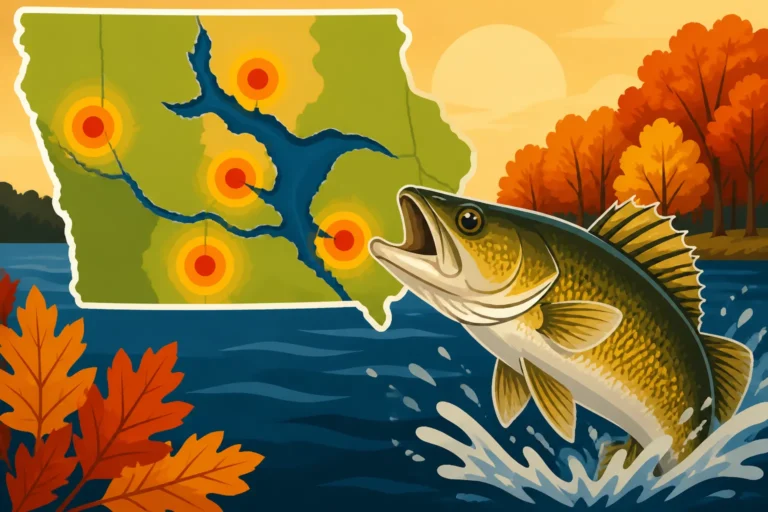
Walleye and sauger are arguably the most sought-after species in the Dam 12 tailwaters. They thrive in current and actively feed on baitfish concentrated by the dam. The peak times for these toothy predators are typically during the spring and fall runs, but they can be caught year-round. Understanding Walleye Season and Size Limits is essential before you head out.
- Vertical Jigging: This is a classic and highly effective technique. Use a 1/2 to 1 oz jig head, depending on current strength and depth, tipped with a live minnow (like a fathead or shiner), a plastic grub, or a paddle-tail swimbait. Position your boat slightly upstream of a promising spot (like a wing dam tip or a deep hole) and let your jig fall to the bottom. Lift and drop the jig sharply, keeping it near the bottom. The key is to maintain bottom contact and feel for those subtle "thunks" or "ticks" that indicate a bite.
- Crankbait Trolling/Casting: Diving crankbaits that mimic baitfish are excellent, especially in less turbulent areas. For trolling, use a three-way swivel rig to get your crankbait down to depth in the current. Casting deep-diving crankbaits towards wing dams or current breaks and retrieving them slowly can also trigger aggressive strikes. Colors like chartreuse, firetiger, or natural perch patterns often work well.
- Live Bait Rigs: A simple three-way swivel rig with a bell sinker on a dropper line and a snelled hook with a minnow or nightcrawler on the other is highly effective when drifted slowly or fished from an anchored boat. This presentation allows your bait to tumble naturally with the current, mimicking an injured baitfish.
Catfish and White Bass: A Tailwater Bonanza
While walleye get a lot of glory, the tailwaters of Dam 12 are also renowned for their abundant catfish, particularly channel and flathead catfish. You can find massive numbers of these whiskered warriors, especially during warmer months. Understanding Catfish Possession Limits is critical for a responsible trip. Additionally, white bass stage incredible feeding frenzies during their spring and fall runs, offering fast and furious action.
- Catfish: For channel catfish, simple bottom rigs with stink baits, cut bait (shad or carp), or even chicken livers are highly effective. Cast these rigs into deeper holes, current seams, or the scour holes below wing dams. Flatheads prefer live bait, like bluegills or suckers, fished on heavy-duty circle hooks near submerged timber or rock piles in strong current. Night fishing can be incredibly productive for both species. Don't be afraid to use heavy tackle – a medium-heavy to heavy rod with 20-30 lb test line is appropriate.
- White Bass: When white bass are active, they hit almost anything that moves. Look for schooling activity on your fish finder or watch for birds diving into the water, indicating a feeding frenzy. Small spoons, inline spinners, plastic grubs, or even tiny crankbaits retrieved quickly through schools are often met with immediate strikes. These fish are aggressive fighters for their size and provide excellent sport. The White Bass Runs in Iowa Rivers are a highlight for many anglers.
Essential Gear and Safety Considerations
Fishing below Dam 12 requires specific gear and a heightened awareness of safety. The Mississippi River is powerful and unforgiving if not respected.
Recommended Gear:
- Rods & Reels: Medium-heavy to heavy action rods (7-9 feet) paired with stout spinning or baitcasting reels are ideal. You need the backbone to handle strong currents and large fish.
- Line: Braided line (20-40 lb test) with a fluorocarbon leader is excellent for its sensitivity and strength. Monofilament (15-25 lb test) can also work.
- Weights: Be prepared with a variety of sinker weights, from 1/2 oz to 2 oz or more, to combat the strong currents. Pencil sinkers or bell sinkers are common.
- Hooks: Heavy-duty hooks, especially for catfish. Circle hooks are recommended for flatheads and for catch-and-release to prevent gut hooking.
- Lures/Bait: Jigs (lead head with soft plastics or hair), diving crankbaits, inline spinners, spoons, and a good supply of live bait (minnows, worms, cut bait).
Safety First:
- Life Jackets: Always wear a U.S. Coast Guard-approved life jacket, especially when boating near dams or in strong currents. It's not just a recommendation; it's a critical safety measure.
- Boat Safety: Ensure your boat is properly equipped with all required Boat Safety Equipment for Iowa Waters, including a fire extinguisher, horn/whistle, and navigation lights. Check the weather forecast before heading out, as river conditions can change rapidly.
- Anchor System: A reliable anchor system with plenty of rope is essential. Consider using two anchors (bow and stern) to hold your boat securely in strong currents.
- Awareness: Be constantly aware of other boat traffic, especially barges and towboats, which create massive wakes. Keep an eye out for floating debris that can damage your boat or get tangled in your lines. For those less familiar with river navigation, considering a guided trip through a service like FishingBooker can offer invaluable local insight and safety.
Navigating Regulations and Enhancing Your Fishing Experience
A successful and enjoyable fishing trip isn't just about knowing where the fish are; it's also about understanding the rules and making the most of your time on the water. The Mississippi River, as a border water, has specific nuances when it comes to regulations.
Key Iowa Fishing Regulations for the Mississippi River
Fishing on the Mississippi River means dealing with regulations that can sometimes differ from inland Iowa waters, especially concerning daily bag and length limits for certain species. Because it's a border water with Illinois, you need to be particularly aware of where you are fishing and whose regulations apply if you cross into different jurisdictions without proper licensing. However, typically, an Iowa fishing license is valid for Iowa-licensed residents on the main channel and adjacent backwaters of the Mississippi River, regardless of which side you are on. Always check the most current "Iowa Fishing Regulations Explained" booklet published by the Iowa Department of Natural Resources (DNR) before your trip. You can find this online or at any licensed vendor where you might Where to Buy a Fishing License in Iowa.
Pay close attention to specific limits for popular species. For example, walleye and sauger often have combined daily bag limits and minimum length requirements. Catfish generally have generous possession limits, but it's always good to confirm. It’s also important to remember that regulations can change annually, so what was true last year might have been updated. Ignorance of the law is never an excuse, and penalties for violations can be steep, ranging from fines to license suspension.
The Value of a Guided Fishing Trip
For anglers new to the powerful waters of the Mississippi River, or for those looking to maximize their chances of success, booking a guided fishing trip can be an incredibly valuable investment. A seasoned local guide brings years of experience navigating the specific challenges and knowing the hidden gems of the Dam 12 tailwaters. They know where the fish are biting based on current conditions, water levels, and seasonal patterns, saving you hours of searching.
Beyond just finding fish, a good guide will teach you the nuances of river fishing: how to read currents, what baits and presentations are working best, and critical safety protocols. They'll often provide all the necessary gear, which means you don't have to invest in specialized river tackle right away. Many experienced guides in the Bellevue area offer charters, and you can easily find reputable options through services like FishingBooker, which connects you with local experts. This can be particularly beneficial if you're targeting specific species like muskie, which require specialized techniques, or if you're trying Winter Walleye Fishing Near Dubuque and need help with ice fishing safety and techniques.
Best Times to Fish Dam 12 and Seasonal Patterns
The Mississippi River below Dam 12 offers year-round fishing opportunities, but success often hinges on understanding seasonal patterns and how they influence fish behavior.
- Spring (March-May): This is arguably one of the best times, especially for walleye, sauger, and white bass. As water temperatures rise into the 40s and 50s, fish become highly active and migrate upstream to spawn. The spring walleye run is legendary, with fish stacking up in the tailwaters before and after spawning. Catfish also become very active as the water warms.
- Summer (June-August): While the heat can make some fish lethargic, early mornings, late evenings, and night fishing can be incredibly productive. Catfish are a prime target, often found in deeper holes or current breaks. Bass can be found in backwaters and protected areas. Walleye and sauger will hold in deeper, oxygenated areas of the main channel.
- Fall (September-November): Another fantastic time to fish, as fish feed heavily in preparation for winter. Walleye, sauger, and white bass once again become very active, often staging in large schools in the tailwaters. The cooler water temperatures make fish more aggressive, and conditions are generally more pleasant for anglers.
- Winter (December-February): While ice fishing is popular on many inland Iowa lakes, open water fishing below Dam 12 remains possible for much of the winter due to the constant current. Walleye and sauger will hold in deep holes and slow current, often requiring vertical jigging or slow presentations. Be extremely cautious of ice formations and strong currents if attempting to fish near the dam in winter.
Always keep an eye on river levels and clarity. High, muddy water after heavy rains can make fishing challenging, while stable or slowly falling levels with good clarity often indicate prime conditions. Local bait shops are an excellent resource for current conditions and what baits are working best.
Disclaimer
Fishing involves inherent risks, including injury and drowning. Always prioritize safety, wear appropriate personal flotation devices, and adhere to all local, state, and federal regulations. River conditions can change rapidly; exercise caution and be aware of your surroundings at all times. This guide is for informational purposes only and does not supersede official regulations or expert advice.