Mississippi River Pool 9 Fishing
The mighty Mississippi River, with its vastness and often intimidating currents, can sometimes feel like a puzzle, especially when you're looking for those prime fishing spots. But don't let its size deter you! Specific stretches, like Pool 9, offer an exceptional, deeply rewarding angling experience teeming with a surprising diversity of fish. This comprehensive guide is designed to help you unravel the secrets of Mississippi River Pool 9, pinpointing its best locations, demystifying its unique characteristics, and arming you with the techniques you'll need to cast with confidence and create unforgettable fishing memories.
Understanding Mississippi River Pool 9's Unique Ecosystem
When you talk about the Mississippi River, you're really talking about a series of distinct pools, each with its own personality and fishing opportunities. Pool 9, nestled snugly between Lock and Dam 8 (near Genoa, Wisconsin) and Lock and Dam 9 (near Lynxville, Wisconsin/Ferryville, Iowa), is a truly special segment, offering an incredible blend of habitat that caters to nearly every type of angler.
Geographic Overview and Key Features
Pool 9 stretches for approximately 31 miles, weaving its way through the picturesque landscapes of northeastern Iowa, southwestern Wisconsin, and southeastern Minnesota. This tri-state border water status means anglers need to be particularly aware of "Reciprocal Fishing Rules on the Mississippi River Border", but it also means a vast, diverse fishing playground. What makes Pool 9 so remarkable is its intricate tapestry of environments. You've got the powerful main channel, carving its path downstream, flanked by a complex labyrinth of backwaters, sloughs, secondary channels, and countless islands.
Imagine a sprawling wetland dotted with stands of willow and cottonwood, fed by numerous smaller tributaries like the Upper Iowa River and the Yellow River. These feeder creeks introduce fresh nutrients and cooler water, creating ideal conditions. The backwater areas are often shallow, choked with aquatic vegetation, and feature an abundance of submerged timber—old fallen trees and brush piles that serve as perfect hiding spots for baitfish and predators alike. The constant ebb and flow of the river, regulated by the dams, creates a dynamic environment where fish constantly adapt, making local knowledge or a good guide invaluable. If you're looking for an experienced hand, platforms like FishingBooker can help you connect with captains who spend their lives navigating these very waters.
Dominant Fish Species and Their Habitat Preferences
The sheer variety of habitat within Pool 9 directly translates to an impressive diversity of fish species. This isn't just a catfish river or a walleye lake; it's an entire ecosystem supporting a vibrant fishery.
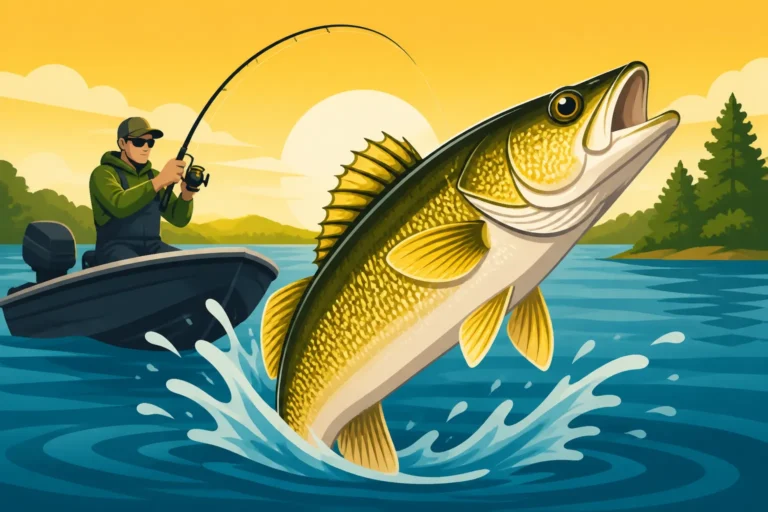
Walleye and Sauger: These prized game fish are the stars of the main channel and its associated structures. They thrive in the moving water, often congregating below the dams, around wing dams, and along channel edges where current breaks allow them to ambush prey. Sauger, in particular, prefer slightly murkier water and tend to stick closer to the bottom.
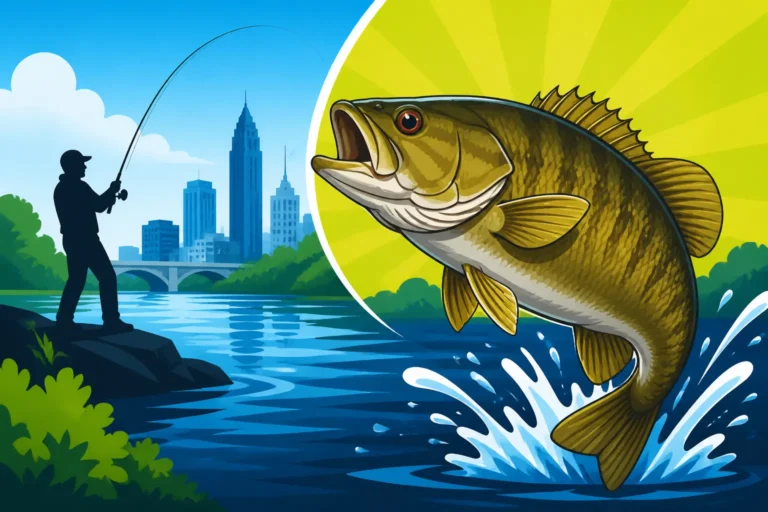
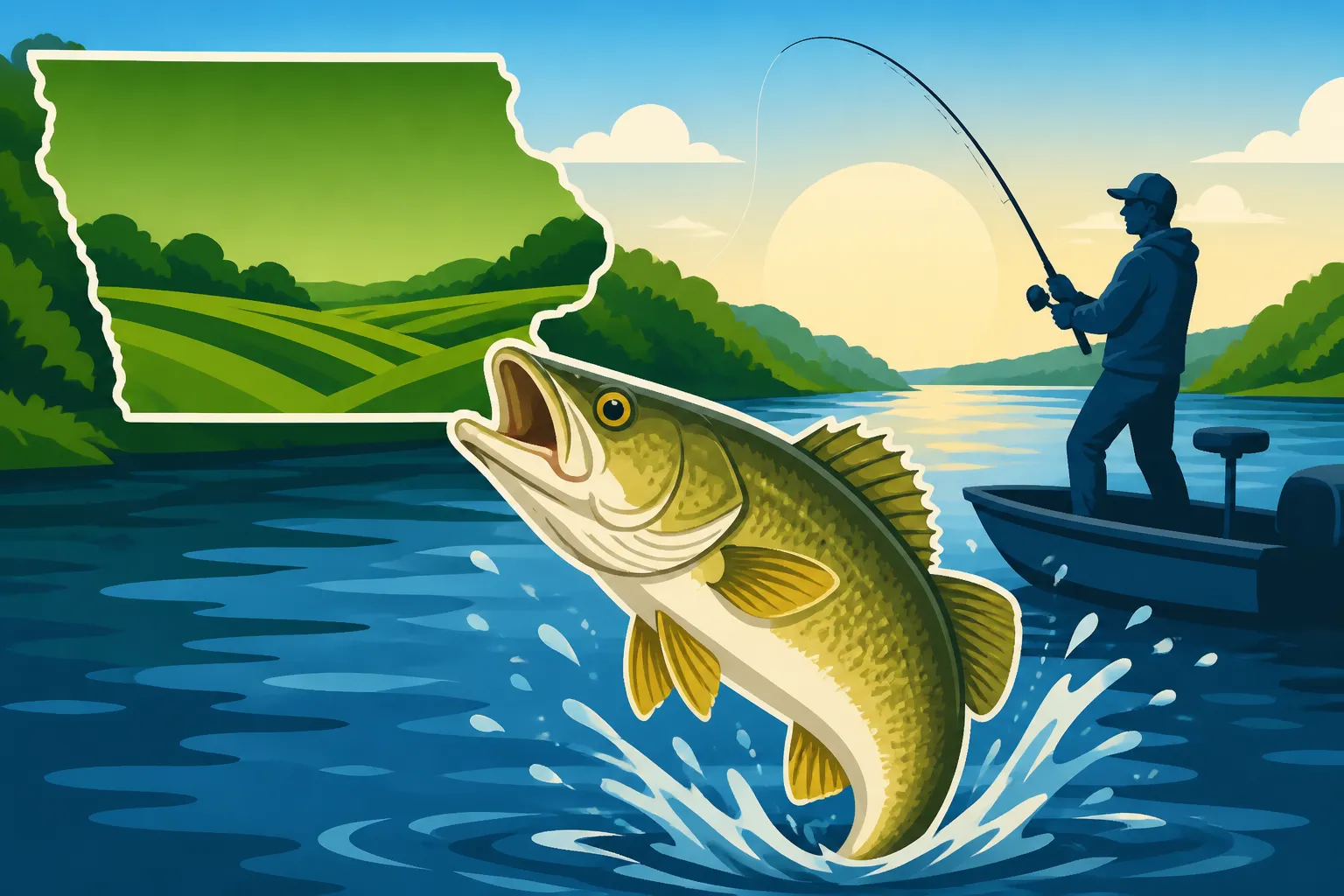
Largemouth and Smallmouth Bass: Pool 9 offers fantastic bass fishing. Largemouth bass reign supreme in the calmer, vegetated backwaters and sloughs, where they can hide among lily pads, cattails, and submerged timber. Smallmouth bass, on the other hand, prefer the rockier, current-swept areas of the main channel, around riprap, wing dams, and the mouths of tributaries. You can learn more about "Smallmouth Bass Habitat on the Mississippi River" to target them effectively.
Channel and Flathead Catfish: The Mississippi River is a legendary catfish destination, and Pool 9 is no exception. Channel catfish are ubiquitous, found in everything from slow-moving backwaters to the main channel, often gravitating towards deeper holes and current seams. Flathead catfish, the river's apex predator, prefer heavy cover like log jams and deep scour holes, especially near strong current.
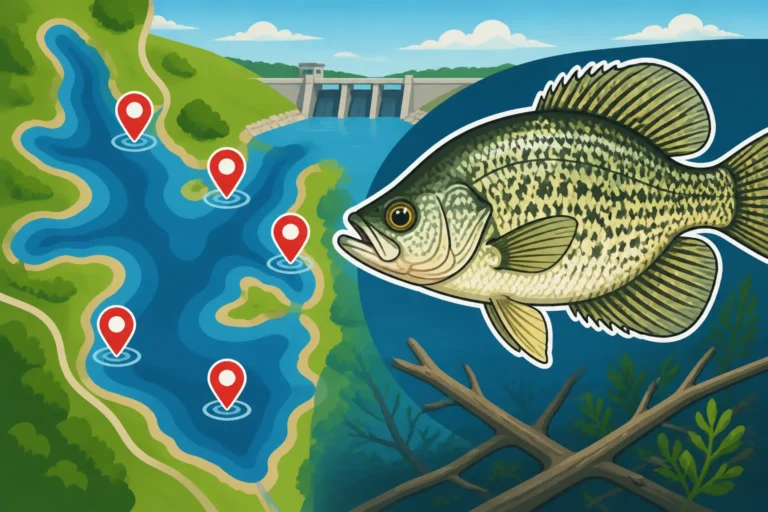
Panfish (Crappie, Bluegill, Perch): These prolific and tasty fish are a mainstay for many anglers. Crappie and bluegill congregate in dense schools within the protected backwaters, seeking out brush piles, fallen trees, and docks. Yellow perch can also be found in similar habitats, especially near weeds and cooler water.
Northern Pike: While not as abundant as in some northern lakes, Pool 9 offers good opportunities for northern pike, especially in the larger, more open backwater areas with plenty of weed cover. They are aggressive predators that ambush smaller fish from hidden positions.
This incredible mix means that on any given day, depending on your target and technique, you could be reeling in a variety of species, making every outing on Pool 9 an exciting adventure.
Prime Fishing Locations within Pool 9
To truly unlock the potential of Mississippi River Pool 9, you need to understand where specific fish prefer to hang out. It’s not just about finding water; it’s about finding the right water for your target species and the time of year.
Backwaters and Sloughs: The Hidden Gems
The backwaters and sloughs of Pool 9 are a world unto themselves, often feeling like a completely different fishery compared to the main channel. These areas are characterized by slower currents, warmer water temperatures, and often an abundance of aquatic vegetation, from lily pads to submerged weed beds. This makes them ideal nurseries for baitfish and prime habitat for a host of popular species.
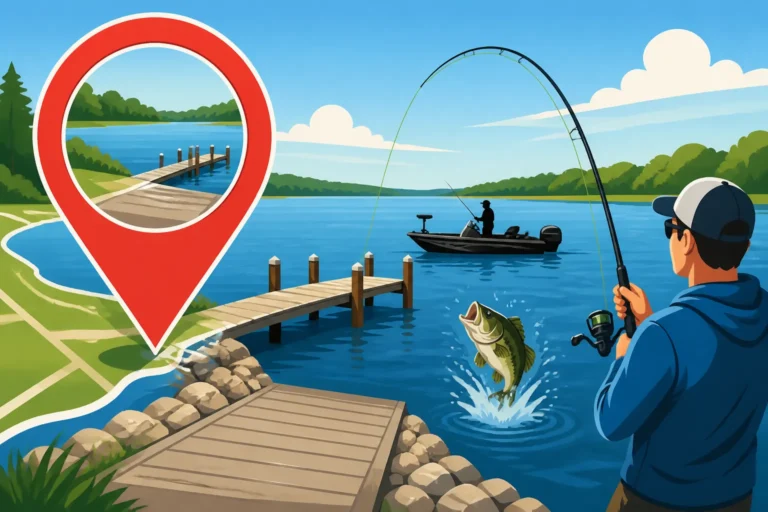
For anglers targeting panfish like crappie, bluegill, and yellow perch, these secluded areas are goldmines. Look for areas with dense cover—fallen trees, brush piles, old dock structures, or thick weed lines. These spots provide shelter from predators and current, as well as ambush points for the panfish themselves. Bass, particularly largemouth, absolutely thrive here. They’ll patrol the edges of weed beds, hide under overhanging branches, and lurk in the shadows of standing timber. The key to fishing backwaters is often a stealthy approach and precise casting to get your lure or bait into those tight, fish-holding pockets. Access can vary with water levels, so a shallow-draft boat or even a kayak can be a huge advantage for exploring these hidden gems.
Main Channel and Wing Dams: Current-Loving Hotspots
The main channel of Pool 9 is a powerful, dynamic environment, a stark contrast to the quiet backwaters. Here, the current is king, shaping the landscape and dictating where fish can hold. This is prime territory for species that prefer or tolerate moving water, most notably walleye, sauger, and catfish. The most important structures in the main channel are the numerous wing dams. These rock structures extend from the bank into the river, designed to constrict the flow and maintain the navigation channel. However, for anglers, they are absolute magnets for fish.
Wing dams create distinct current breaks, scour holes, and eddies—all vital features for fish. Walleye and sauger will often position themselves on the downstream side of a wing dam, in the slack water or current seams, waiting for baitfish to be swept past. The deep scour holes at the end of the wing dams are also prime holding areas for larger fish. Learning "Wing Dam Fishing on the Mississippi River" is almost a prerequisite for serious main channel angling here. Catfish, especially flatheads, will also use these structures, often lurking in the deepest, darkest holes they create. Fishing the main channel requires heavier tackle, often stronger lines, and a good understanding of how current affects your presentation. A reliable boat with a powerful motor is also essential for navigating the strong flows safely.
Tributary Mouths and Submerged Structure
Beyond the obvious backwaters and wing dams, Pool 9 offers a plethora of other productive spots. The mouths of tributaries, where smaller rivers and creeks like the Upper Iowa River meet the Mississippi, are consistently excellent fishing locations. These areas bring in cooler, oxygenated water, as well as a fresh supply of forage, attracting a variety of species. Walleye, sauger, bass, and catfish will stage around these intersections, especially after rains or during seasonal migrations. The confluence creates current breaks, depth changes, and often natural structures that hold fish.
Beneath the surface of Pool 9 lies a hidden world of submerged structure. This includes natural features like rock piles, gravel bars, and deep holes, as well as man-made elements such as old bridge pilings, riprap along shorelines, and sunken barges or debris. These structures provide essential cover, ambush points, and feeding grounds for fish. A quality fish finder is indispensable for locating these underwater treasures. Many guides you find through services like FishingBooker are masters at interpreting sonar to pinpoint these often-overlooked hotspots. Pay close attention to areas where depth changes abruptly, or where the river bottom transitions from soft mud to hard rock or gravel. These subtle changes can be the key to finding concentrations of fish.
Targeting Key Fish Species in Pool 9
Fishing Pool 9 isn't a one-size-fits-all endeavor. Each major species requires specific techniques and approaches to consistently find success. Understanding these nuances will dramatically improve your catch rates.
Walleye and Sauger Strategies
Walleye and sauger are arguably the most sought-after game fish in Pool 9, cherished for their firm, flaky meat and challenging fight. When targeting these fish, especially in the main channel, current is your friend, but also your adversary. They tend to congregate around structure that breaks the current, such as the downstream side of wing dams, deep holes, and channel edges.
Jigging is a highly effective technique. A lead-head jig tipped with a live minnow, a plastic grub, or a soft plastic paddletail often produces strikes. You want your jig to bounce along the bottom, mimicking an injured baitfish. Another productive method is trolling crankbaits, especially those designed to dive to specific depths, allowing you to cover vast stretches of water and find active fish. Colors often depend on water clarity; brighter colors for murky water, more natural hues for clearer conditions. Slip bobber fishing with a live minnow or a nightcrawler can also be deadly, particularly in slower current breaks or around the dams. Remember to check "Walleye Season and Size Limits" before you head out to ensure you're compliant with current regulations. For even more detailed advice, read our guide on "How to Catch Walleye in Iowa".
Bass Fishing: Largemouth and Smallmouth
Pool 9 offers distinct opportunities for both largemouth and smallmouth bass, each requiring a different approach due to their preferred habitats.
Largemouth Bass are primarily found in the calmer, weed-choked backwaters and sloughs. Here, you'll want to use lures that can navigate heavy cover or mimic the prey found in these areas. Topwater frogs or hollow-bodied baits are fantastic for fishing over lily pads and dense vegetation. Spinnerbaits and buzzbaits can be highly effective when retrieved along weed edges or through sparse cover. Soft plastic worms, creature baits, or jigs fished Texas-rigged or Carolina-rigged can be punched through heavy cover or slowly worked through open pockets.
Smallmouth Bass are a different beast, preferring the rocky, current-swept areas of the main channel and tributary mouths. They love to ambush prey from behind rocks, current breaks, and riprap. Crankbaits that mimic shad or crawfish, especially in natural colors, are highly effective when retrieved across current or bumped off structure. Jigs with soft plastic trailers, tubes, and Ned rigs fished along rocky bottoms or around wing dams can also entice strikes. Always be mindful of the "Bass Season and Size Limits" for both species.
Channel and Flathead Catfish Techniques
Catfish are a cornerstone of Mississippi River fishing, offering thrilling fights and excellent table fare. Pool 9 is teeming with both channel and flathead catfish.
Channel Catfish are opportunistic feeders and can be caught using a variety of baits. Stink baits, cut bait (like shad, suckers, or bluegill), shrimp, nightcrawlers, and even chicken livers are all effective. They can be found in a wide range of habitats, from deeper holes in the main channel to the calmer waters of backwaters. Fishing from the bank with a bottom rig, or anchoring your boat upstream of a deep hole and letting your bait drift down, are common tactics. For more insights, check out our piece on "How to Catch Catfish in Iowa".
Flathead Catfish are a different challenge entirely. These powerful predators primarily feed on live bait. Small bluegills, bullheads, or suckers, fished live on a heavy-duty circle hook near substantial cover like log jams, sunken trees, or deep scour holes in the main channel, are your best bet. Flatheads are often caught at night when they are most active. Heavy tackle is a must to contend with their size and strength, and they will test your gear. Be sure to be aware of the "Catfish Possession Limits". If you're planning a trip during the warmer months, our guide on "Summer Catfish Techniques on the Mississippi River" offers fantastic advice.
Panfish Bonanza: Crappie, Bluegill, and Perch
For a fun, action-packed day on the water, targeting panfish in Pool 9 is hard to beat. Crappie, bluegill, and yellow perch are abundant, especially in the protected backwater areas.
These fish love cover, so focus your efforts around brush piles, fallen trees, docks, and dense weed beds. Light tackle is key—a light to medium-light spinning rod with 4-6 pound test line will allow for maximum sensitivity and casting accuracy. Small jigs, often 1/32 to 1/16 ounce, tipped with a small plastic grub, a live minnow (for crappie), or a waxworm/maggot (for bluegill and perch) are incredibly effective. Fishing these baits under a slip bobber allows you to suspend your offering at precise depths where the fish are holding. Remember that "Crappie and Sunfish Limits in Iowa" apply, so keep an eye on your creel. These areas are perfect for a family outing or for introducing new anglers to the joys of fishing.
Seasonal Fishing Patterns and Best Times to Visit
The Mississippi River is a living, breathing system, and its fishing patterns change dramatically with the seasons. Understanding these shifts is crucial for planning a successful trip to Pool 9.
Spring: Pre-Spawn Frenzy and Rising Waters
Spring on Pool 9 is a period of transition and often intense fishing activity. As the ice recedes and water temperatures begin to climb, fish become incredibly active, driven by the urge to feed and spawn. Walleye and sauger will move from their wintering holes into shallower, current-influenced areas below the dams and along channel edges as they prepare to spawn. This can be a fantastic time for a jig-and-minnow bite. Bass also become active, moving into bays and backwater areas where the water warms quickest.
However, spring also brings challenges, primarily in the form of rising water levels and increased current due to snowmelt and spring rains. This can make navigation tricky and muddy the water, but it also creates new fishing opportunities in flooded timber and backwater areas. Look for fish holding tight to current breaks, islands, and any submerged cover that offers a reprieve from the strong flow. Many anglers find hiring a local guide, perhaps through FishingBooker, is especially valuable during these fluctuating conditions.
Summer: Stable Conditions and Diverse Bites
Summer often presents the most stable fishing conditions on Pool 9, with consistent water levels and warmer temperatures. This allows fish to spread out and utilize all available habitats. Early mornings and late evenings are often the most productive times, especially for bass and walleye, as the midday sun can push them into deeper, cooler water or dense cover.
Catfish activity truly heats up in summer. Both channel and flathead catfish are voracious eaters, and night fishing for flatheads can be incredibly rewarding. Panfish will be abundant in the backwaters, often relating to weed lines and brush piles. Walleye and sauger will still be found in the main channel, around wing dams and deeper holes, but they might be deeper or require a faster presentation like trolling crankbaits to elicit a strike. The stable conditions make it a great time for exploring new areas and experimenting with different techniques.
Fall: Feeding Blitz and Transition Periods
Fall is arguably one of the best times to fish Pool 9, particularly for trophy-sized fish. As water temperatures begin to drop, most species enter a "feeding blitz," aggressively bulking up for the lean winter months. Walleye, sauger, and bass will gorge themselves, making them highly susceptible to various lures and baits. They'll often move from deeper summer haunts to shallower flats and points to intercept migrating baitfish.
The main channel and tributary mouths become particularly productive as fish migrate and stage. Aggressive presentations like large crankbaits, spinnerbaits, and big jigs can be highly effective. The dropping water levels in late fall can also concentrate fish into predictable deep holes and channels, making them easier to locate. The vibrant fall foliage along the riverbanks also adds a stunning backdrop to your fishing adventures.
Winter: Ice Fishing Opportunities
While the main channel of the Mississippi River rarely freezes solid enough for safe ice fishing due to constant current, certain protected backwater lakes and sloughs within Pool 9 can offer limited ice fishing opportunities during periods of sustained cold. These are typically shallower, landlocked areas that are less affected by the main river flow.
Anglers targeting panfish like crappie and bluegill might find success in these isolated spots. Extreme caution is paramount, and ice thickness should be thoroughly checked before venturing out. Always fish with a buddy, carry safety gear like ice picks and a rope, and stay informed about local ice conditions. Most winter fishing on Pool 9, however, will be open-water fishing below the dams, targeting walleye and sauger in slack water areas, or jigging deep holes for catfish. Always prioritize safety when considering "Ice Fishing in Iowa" on river systems.
Essential Gear and Techniques for Pool 9 Success
Having the right tools for the job can make all the difference, especially on a diverse and challenging fishery like Mississippi River Pool 9.
Recommended Rods, Reels, and Line
Given the variety of species and fishing scenarios on Pool 9, a versatile rod and reel setup is highly recommended.
- For Walleye, Sauger, and Medium Catfish: A medium-heavy spinning rod (6'6" to 7'6") paired with a 2500-3000 size spinning reel is a good all-around choice. Spool it with 8-12 lb monofilament or fluorocarbon, or consider 15-20 lb braided line with a fluorocarbon leader for increased sensitivity and strength. This setup is perfect for jigging, slip bobber fishing, and casting lighter crankbaits.
- For Bass and Northern Pike: A medium-heavy baitcasting rod (6'8" to 7'4") with a matching baitcasting reel is ideal for throwing heavier bass lures like spinnerbaits, jigs, and larger crankbaits. Spool with 15-20 lb fluorocarbon or 30-50 lb braided line. This gives you the power to pull fish out of cover.
- For Heavy Catfish (Flatheads) and Trolling: You'll need specialized heavy-duty gear. A stout, heavy-action casting rod (7' to 8'6") paired with a robust baitcasting or conventional reel spooled with 50-80 lb braided line or 25-40 lb monofilament is essential. This setup provides the backbone needed to fight large flatheads in heavy current and cover.
For a deeper dive into choosing the right gear, check out our "Iowa Fishing Gear Guide" and "Iowa Fishing Techniques Guide" which cover a wide array of options for various species and methods.
Must-Have Lures and Baits
Your tackle box for Pool 9 should be as diverse as the fish population itself. Here's a breakdown of essentials:
- Jigs: A variety of lead-head jigs (1/8 oz to 1 oz) with different plastic trailers (grubs, paddletails) in various colors (chartreuse, white, natural greens/browns) are indispensable for walleye, sauger, bass, and even crappie.
- Crankbaits: Medium to deep-diving crankbaits in shad, crawfish, and perch patterns are crucial for walleye, sauger, and smallmouth bass, especially when trolling or casting around current breaks.
- Soft Plastics: Worms, creature baits, and tubes in various sizes and colors are essential for largemouth and smallmouth bass. Ned rigs and shaky heads are also very effective.
- Spinnerbaits/Buzzbaits: Great for covering water and targeting active bass and pike in backwaters.
- Live Bait: Don't underestimate the power of live bait. Minnows (shiner, fathead, shad) are gold for walleye, sauger, and crappie. Nightcrawlers are excellent for walleye, sauger, bass, and channel catfish. Live bluegills or suckers are the go-to for trophy flathead catfish. Cut bait (shad, carp, skipjack) is unbeatable for channel catfish. Waxworms and maggots are fantastic for panfish. Remember to check "Can You Use Live Bait Fish?" regulations.
Navigational Aids and Boat Considerations
Navigating the Mississippi River, especially Pool 9, requires more than just a paddle or a small trolling motor.
- Boat Type: A sturdy boat with a powerful outboard motor is highly recommended for safely traversing the main channel's strong currents and wakes from commercial traffic. Deep-V boats offer a smoother ride, while jon boats can access shallower backwaters, but compromise safety in rougher main channel conditions. Read our guide on the "Best Boats for the Mississippi River" for more detailed recommendations.
- Electronics: A reliable fish finder with GPS capabilities is almost a necessity. It will help you locate submerged structure, identify depth changes, mark fish, and navigate safely, especially in unfamiliar waters or during low light conditions. You can also mark waypoints for productive fishing spots or hazards.
- Safety Gear: Beyond the legal requirements (life jackets for all occupants, fire extinguisher, horn/whistle, navigation lights), consider carrying extra ropes, an anchor appropriate for strong current, a first-aid kit, and a fully charged cell phone. The river can be unpredictable, and being prepared is key.
Navigating Regulations and Conservation Efforts
Fishing on the Mississippi River, particularly in border waters like Pool 9, comes with specific responsibilities. Understanding and adhering to regulations is not just about avoiding fines; it's about preserving this incredible resource for future generations.
Understanding Border Water Rules
Because Pool 9 borders Iowa, Wisconsin, and Minnesota, anglers need to be particularly diligent about understanding the regulations of all involved states. Thankfully, there are often reciprocal agreements that simplify things, but it's crucial to verify. Generally, an angler licensed in any of the three bordering states (Iowa, Wisconsin, or Minnesota) can fish the entire main stem of the Mississippi River, including its backwaters, sloughs, and connected waters. However, state-specific regulations for species, bag limits, and length limits can still apply in certain areas or for specific fish.
For example, while you might have an "Iowa Fishing License Guide", you should always double-check the specifics of "Iowa Fishing Regulations Explained" as they pertain to the Mississippi River, especially regarding daily bag and possession limits for various species, which might differ from inland Iowa waters. The best practice is to carry a copy of the regulations for all bordering states or consult their respective DNR websites before your trip. This ensures you're compliant whether you're drifting near a Wisconsin shoreline or casting towards an Iowa wing dam.
Protecting the Ecosystem: Best Practices
As stewards of this magnificent waterway, anglers have a vital role to play in conservation.
- Practice Catch and Release Wisely: While keeping your legal limit for a fresh fish dinner is a cherished tradition, consider practicing catch and release, especially for larger breeding fish, or when targeting species not intended for the dinner table like flathead catfish. Use proper fish handling techniques to ensure their survival.
- Leave No Trace: Pack out everything you pack in. This includes fishing line, bait containers, and any other trash. Litter pollutes the water and harms wildlife.
- Prevent the Spread of Invasive Species: Always clean, drain, and dry your boat, trailer, and gear after each outing. This prevents the unintentional transfer of aquatic invasive species like zebra mussels or Eurasian watermilfoil, which can devastate native ecosystems.
- Report Violations: If you witness illegal fishing activities, such as exceeding bag limits, fishing during closed seasons, or poaching, report them to the Iowa DNR or the respective state's conservation authority. This helps protect the fishery for everyone.
- Respect Private Property: Be mindful of private land along the riverbanks and avoid trespassing. Always seek permission if you intend to access the river from private property.
By adhering to these practices, we ensure that Mississippi River Pool 9 remains a vibrant, healthy, and productive fishery for generations of anglers to come.
Pool 9 Fishing at a Glance
Here's a quick reference table to help you plan your next angling adventure on Mississippi River Pool 9:
| Target Species | Preferred Habitat | Best Baits/Lures | Seasonal Peak | Key Considerations |
|---|---|---|---|---|
| Walleye/Sauger | Main channel, wing dams, current breaks, deep holes | Jigs (minnows/plastics), crankbaits, slip bobbers | Spring, Fall, Winter | Current, water clarity, depth |
| Largemouth Bass | Backwaters, sloughs, heavy vegetation, fallen trees | Topwater frogs, spinnerbaits, soft plastics, jigs | Spring, Summer | Cover, water temperature |
| Smallmouth Bass | Main channel, rocky areas, riprap, tributary mouths | Crankbaits, jigs, tubes, soft plastics | Spring, Summer, Fall | Current, rocky structure |
| Channel Catfish | Main channel, backwaters, deep holes, current seams | Cut bait, stink baits, nightcrawlers, shrimp | Summer | Strong current, live bait for flatheads |
| Flathead Catfish | Log jams, heavy cover, deep scour holes in main channel | Live bait (bluegills, suckers) | Summer (night) | Heavy tackle, patience, safety |
| Crappie | Backwaters, brush piles, fallen trees, docks | Small jigs (minnows/plastics), live minnows, waxworms | Spring, Fall | Structure, water temperature |
| Bluegill/Perch | Backwaters, weed beds, shallow cover | Small jigs (waxworms/maggots), nightcrawlers | Spring, Summer | Light tackle, stealth |
| Northern Pike | Larger backwaters, dense weed beds, shallow cover | Spinnerbaits, spoons, large swimbaits, jerkbaits | Spring, Fall | Aggressive strikes, sharp teeth, wire leader advised |
Disclaimer
Fishing conditions and regulations in Iowa, and specifically on the Mississippi River, can change. Always consult the latest Iowa Department of Natural Resources (DNR) regulations before heading out. This guide is for informational purposes only and does not supersede official government regulations. Always prioritize safety on the water.