Best Budget Gear Setup for a First Fishing Trip
The idea of getting into fishing in Iowa can feel incredibly exciting, but then the reality sets in: the sheer amount of gear out there can be totally overwhelming, and your wallet starts sending distress signals just thinking about it. You might worry that you need to drop a fortune to even get started, which can definitely put a damper on your angling dreams. This guide is here to bust that myth wide open, showing you how to assemble a fantastic, functional, and budget-friendly fishing setup that will have you casting lines in Iowa's beautiful waters without breaking the bank.
The Essentials: What You Really Need to Start Fishing
When you're just starting out, it's easy to get caught up in all the fancy gadgets and specialized tackle. But trust me, you don't need a boatload of gear to catch fish in Iowa. We're going to strip it down to the absolute essentials, focusing on versatility and affordability so you can get on the water and start enjoying the experience without feeling like you've bought out a sporting goods store.
Rod and Reel Combo: Your First Big Decision
For a first-time angler, a spinning rod and reel combo is almost always the way to go. They're incredibly user-friendly, forgiving of beginner mistakes, and versatile enough to handle a wide range of Iowa's most common fish species, from bluegill to bass, and even smaller catfish or walleye.
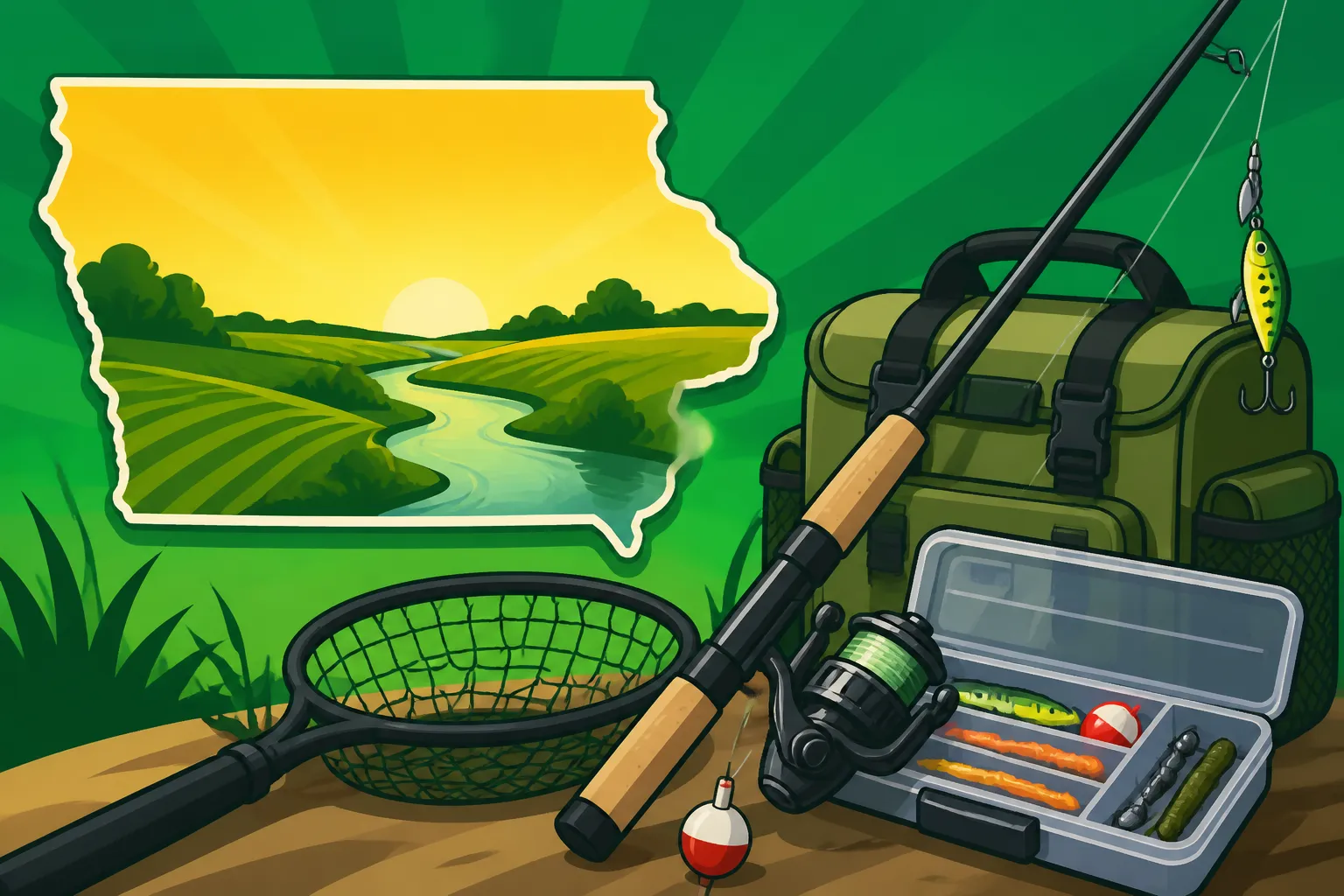
When looking for a combo, aim for something in the medium-light to medium power range, with a fast or moderate-fast action. This means the rod will have some backbone to cast lures and fight fish, but still be sensitive enough to feel those lighter bites. A 6 to 7-foot rod length is a great all-around choice for bank fishing, docks, or even small boats. For the reel, a 2000 or 2500 size spinning reel is a good match for this rod power, providing enough line capacity and a smooth retrieve. You'll find tons of reputable brands offering solid combos for a very reasonable cost. Many stores will have pre-spooled combos, which can save you a step! Remember, the goal here isn't to get the absolute best, but the best value for getting started. For more specific advice, check out Best Starter Rod for Beginners.
Line and Lures: Simple Yet Effective
Now, let's talk about what connects you to the fish! For your first setup, keep your line and lure choices simple and effective.
- Fishing Line: Monofilament line is king for beginners. It's inexpensive, easy to tie knots with, and has a bit of stretch, which is forgiving when a fish strikes hard. A 6 to 10-pound test monofilament line is perfect for most general fishing in Iowa. While braided lines offer sensitivity, they can be more challenging for beginners to manage, and their cost is generally higher. Stick with mono to start.
- Terminal Tackle: This is the stuff that goes at the end of your line. You'll want a small assortment of hooks (sizes 6-10 for panfish, 1/0-2/0 for larger fish like bass or catfish), some split shot sinkers (various small sizes to add weight to your bait), and a few small bobbers (slip bobbers are versatile, but clip-on bobbers are even easier for true beginners). These items are usually sold in multi-packs for just a few dollars each.
- Lures/Bait: This is where you can really keep costs down. Live bait is often the most effective and affordable option. Think worms (nightcrawlers are fantastic for almost anything that swims in Iowa!), crickets, or even corn for carp. If you want to try artificials, a small pack of curly tail jigs (1/16 to 1/8 oz) in a few natural colors (chartreuse, white, black) paired with small jig heads can catch crappie, bluegill, and even bass. A simple spinnerbait or two could also be a good addition for bass. Don't go overboard; a few proven options are better than a tackle box full of things you don't know how to use. For specific advice on different species, consider guides like How to Catch Catfish From the Bank or How to Catch Panfish With a Bobber.
Basic Tackle Box and Accessories
You'll need a place to keep all your new bits and bobs, and a few essential tools will make your life much easier on the water.
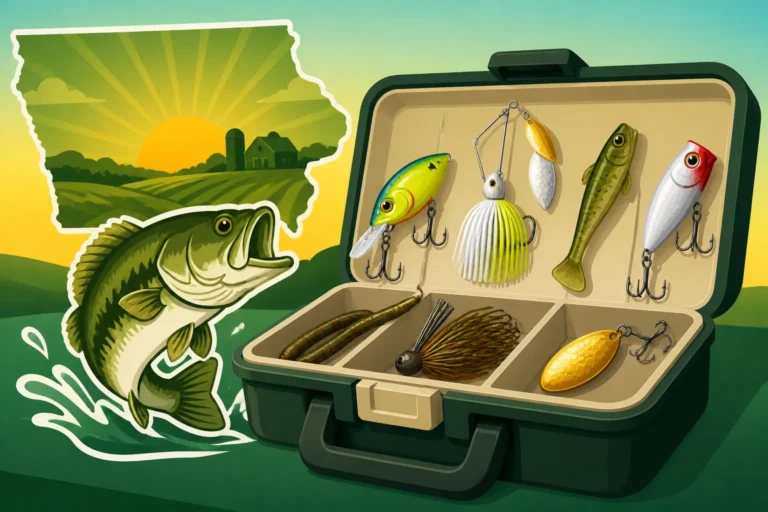
- Tackle Box: A small, single-tray tackle box is perfect for a beginner. It's enough space for your hooks, sinkers, bobbers, and a few lures without being cumbersome or expensive. You don't need a giant multi-level box yet. The key is organization so you can quickly find what you need. A good overview can be found in Best Tackle Box Setup for Beginners.
- Pliers/Forceps: You'll definitely want a small pair of needle-nose pliers or fishing forceps to remove hooks safely from fish, especially if they've swallowed the bait deep. This protects both you and the fish.
- Line Clippers: A small pair of nail clippers or dedicated fishing line clippers are indispensable for trimming excess line after tying knots. Trying to bite the line off with your teeth is a recipe for frustration (and possibly a chipped tooth!).
- Fish Gripper/Stringer/Cooler: If you plan on keeping fish, a simple stringer or a small cooler with ice is a must to keep your catch fresh. A fish gripper can help you handle slippery fish without getting poked by fins or hooks.
Smart Shopping Strategies for Budget Anglers
Okay, you know what you need. Now, let's talk about how to get it without emptying your bank account. There are plenty of ways to be smart about your purchases and still end up with quality gear that will last you for many fishing trips to come.
Where to Find Affordable Gear in Iowa
The good news is that affordable fishing gear is readily available. You don't need to hunt for specialized shops that might intimidate a new angler.
- Big Box Retailers: Stores like Walmart and Target often have surprisingly good entry-level fishing combos and basic tackle at very competitive prices. Their fishing sections might not be huge, but they're typically well-stocked with the essentials.
- Sporting Goods Chains: Places like Bass Pro Shops and Scheels always have a dedicated fishing section with a wide range of gear, including budget-friendly options. Their staff can often provide helpful advice, and you can get a feel for the different rods and reels in person. Keep an eye out for their sales events!
- Online Retailers: Websites like Amazon are fantastic for comparison shopping and often have deals on individual items or combo kits. Just be sure to read reviews to ensure you're getting a decent quality product for your money. The convenience of having gear delivered right to your door is also a plus.
- Local Bait and Tackle Shops: While sometimes a bit pricier for certain items, don't overlook your local mom-and-pop bait shops. They are a treasure trove of local knowledge, and they often stock essentials like live bait, hooks, and sinkers at great prices. Plus, supporting local businesses is always a good thing!
Secondhand Savings and DIY Hacks
Thinking outside the box can save you a significant amount of money when assembling your first fishing kit.
- Garage Sales and Online Marketplaces: You'd be amazed what kind of perfectly functional fishing gear people sell for a song at garage sales, estate sales, or on local online marketplaces (like Facebook Marketplace or Craigslist). Keep an eye out for complete rod and reel combos, tackle boxes, or even useful accessories. Always inspect items thoroughly for damage before buying.
- Borrow or Ask Around: Do you have a friend, family member, or neighbor who fishes? They might have an old rod and reel sitting in their garage collecting dust that they'd be happy to lend or even give you. It's a great way to try out the hobby without committing to a purchase.
- DIY Bait: Many effective baits can be found right in your backyard or kitchen. Digging for worms, catching grasshoppers, or even using bread balls can be incredibly effective and cost you absolutely nothing. This adds a fun, resourceful element to your fishing trip!
Prioritizing Your Purchases
Not all fishing gear is created equal, and some items are more critical to your success and enjoyment than others. When you're on a budget, it's important to know where to splurge a little and where to save.
- Spend a Little More On: Your rod and reel combo. While you don't need top-of-the-line, investing in a decent quality combo will pay off in smoother casting, better sensitivity, and durability. A flimsy rod or a sticky reel will quickly lead to frustration and turn you off fishing.
- Where to Save: Terminal tackle (hooks, sinkers, bobbers), line, and especially bait. These items are consumables and get lost or used up frequently. Buying generic brands or in bulk for these items is smart. As mentioned, live bait is incredibly effective and often the cheapest option. You can also save on your tackle box by opting for a simple, functional model over one with all the bells and whistles. Remember, the goal is to get fish-ready without the financial burden, and there are many ways to do that effectively.
| Item Category | Budget Strategy | Typical Cost Approach (Shape of cost) |
|---|---|---|
| Rod & Reel Combo | Buy an entry-level spinning combo, look for sales. | Moderate initial investment. |
| Fishing Line | Stick to monofilament. Buy in bulk spools. | Very low, ongoing replacement. |
| Hooks | Assorted packs of common sizes. | Very low, ongoing replacement. |
| Sinkers | Assorted packs of split shot or bell sinkers. | Very low, ongoing replacement. |
| Bobbers | Simple clip-on or slip bobbers. | Very low, small initial investment. |
| Lures | A few versatile jigs/spinners, focus on live bait. | Low initial, can be ongoing for variety. |
| Tackle Box | Small, single-tray model. | Low, one-time investment. |
| Pliers/Clippers | Basic, functional tools. | Low, one-time investment. |
| Stringer/Cooler | Basic stringer or repurpose an existing cooler. | Very low for stringer, or repurposed. |
| License | Mandatory, check Iowa DNR for options. | Fixed annual/short-term cost. |
| Safety Gear | Life jacket (if boating), sunscreen, bug spray, water. | Varies, can be low if using existing items. |
Building a Versatile First-Time Kit for Iowa Waters
Now that we know what to look for and how to find it, let's put it all together. Your first fishing kit should be versatile, meaning it can effectively target several common Iowa species without needing a complete overhaul every time you switch targets. This is especially true for those accessible species found in public ponds, lakes, and rivers across the state.
Panfish and Bass: The Beginner-Friendly Targets
Iowa is blessed with an abundance of panfish (like bluegill and crappie) and largemouth bass, which are fantastic targets for new anglers. They are widespread, often eager to bite, and don't require overly specialized gear.
- Panfish Powerhouse: For bluegill and crappie, your light-to-medium action spinning combo spooled with 6-pound monofilament is perfect. Pair it with small hooks (size 8-10), a tiny split shot, and a bobber. Small pieces of worm, crickets, or even corn will entice bluegill. For crappie, a tiny jig head (1/32 or 1/16 oz) tipped with a small plastic grub (1-2 inches) or a minnow under a bobber is deadly. These fish are often found in relatively shallow water near weeds, docks, or fallen trees, making them easy to access from shore. Check out Crappie Daily Limit in Iowa and Bluegill and Sunfish Combined Limit for specific regulations.
- Bass Basics: Largemouth bass are typically found in similar habitats to panfish but prefer slightly larger meals. You can still use your medium-action combo, but you might bump up to 8-10 pound monofilament. For bait, a whole nightcrawler, a simple plastic worm rigged weedless (Texas rig), or a small spinnerbait (1/8 to 1/4 oz) can be very effective. Casting near submerged structure, lily pads, or shoreline cover is often key. You don't need huge lures or heavy gear to catch respectable bass in many Iowa waters. For more on bass, see Minimum Length Limit for Bass in Iowa Public Lakes.
Exploring Other Species with Minimal Adjustments
The beauty of a versatile budget setup is how easily you can adapt it to target other species without buying a whole new arsenal.
- Catfish on a Budget: Iowa is famous for its excellent channel catfish. Your medium power rod and reel can absolutely handle many of these whiskered fighters. Instead of a bobber, you'll likely want to switch to a heavier sinker (like a 1/2 oz egg sinker) to hold your bait on the bottom. Use a larger hook (sizes 1/0-2/0) and bait it with a substantial piece of nightcrawler, a cut-bait chunk, or even some stink bait. Look for catfish in deeper holes, near logjams, or along current breaks in rivers and larger lakes. Guides like Channel Catfish Daily Limit in Iowa can help you understand what you can keep.
- Small Walleye Opportunities: While serious walleye anglers often use specialized techniques, your general-purpose setup can still land you smaller walleye, especially during active feeding periods or in certain river systems. Try fishing a jig and minnow or a jig and plastic grub along current breaks or deeper edges. You won't be jigging huge blades, but a smaller presentation can still be effective. This can be a great way to stumble upon one of Iowa's prized game fish without a specialized walleye rig.
Safety and Comfort on a Budget
While saving money is a priority, safety should never be compromised. And a comfortable angler is a happy angler!
- Personal Flotation Device (PFD): If you're going to be fishing from any kind of watercraft – even a kayak or a small john boat – a properly fitted life jacket is non-negotiable. You can find basic, Coast Guard-approved PFDs for a reasonable price. Think of it as an insurance policy for your life. Even if you're just bank fishing, consider waterside safety.
- Sun Protection: Iowa summers can be brutal. A wide-brimmed hat, sunglasses (polarized ones are great for seeing into the water and aren't always expensive), and plenty of sunscreen are vital. You can protect yourself from painful sunburns and reduce glare for better visibility.
- Insect Repellent: Mosquitoes and other biting insects can ruin a peaceful fishing trip. A basic bug spray will go a long way in ensuring your comfort, especially during dawn and dusk.
- Hydration and Snacks: Always bring water, especially on warm days. A reusable water bottle is a budget-friendly and environmentally conscious choice. A few simple snacks, like granola bars or fruit, will keep your energy up.
Getting Out There: Your First Iowa Fishing Experience
You've got your gear, you've saved some money, and now it's time for the best part: actually going fishing! Iowa offers so many incredible opportunities for anglers, and even with a budget setup, you can have a fantastic and productive first outing.
Understanding Basic Regulations and Licenses
Before you even make your first cast, it's crucial to understand the rules. Iowa has clear fishing regulations to protect its natural resources and ensure fair sport for everyone.
- Get Your License: The very first step for almost all adult anglers in Iowa is purchasing a fishing license. There are different options, including annual resident and non-resident licenses, or shorter-term options if you're just visiting or want to try it out. The cost is an investment in conservation and your right to fish legally. You can often purchase these online, at many local sporting goods stores, or even some county recorders' offices. For more details, consult the Iowa Fishing License Guide and Iowa Resident Annual Fishing License. Also, be aware of Do Kids Need a Fishing License in Iowa?.
- Know the Rules: Beyond the license, familiarize yourself with basic statewide regulations, such as daily bag limits, length limits for certain species, and any special rules for the water body you plan to visit. The Iowa DNR website is an excellent resource, often providing a digital regulation booklet. Don't be afraid to ask staff at local bait shops for clarification. They're usually happy to help new anglers. Dive deeper into general rules with Iowa Fishing Regulations Explained and Iowa Fishing Daily Bag Limits Guide.
Finding Accessible, Budget-Friendly Spots
Iowa is full of great places to fish that don't require a fancy boat or access to private land. Public access is plentiful, and many of these spots are perfect for beginners and budget anglers.
- Community Ponds and Lakes: Many towns and cities in Iowa manage smaller community ponds and lakes that are regularly stocked with panfish, catfish, and often bass. These often have easy bank access, fishing piers, and amenities like restrooms. They're usually well-marked and designed for family-friendly fishing. For examples, check out Best Family Fishing Ponds Near Cedar Rapids or Best Fishing Spots for Beginners Near Des Moines.
- State Parks and Wildlife Areas: Iowa's state parks and public wildlife areas often feature lakes, rivers, or streams with designated public fishing access. These spots are fantastic for their natural beauty and usually provide good opportunities for a variety of species.
- Rivers and Streams: Major rivers like the Des Moines River, Cedar River, and even smaller local streams offer bank fishing opportunities. Look for public boat ramps, bridge crossings (where safe and legal), or city parks adjacent to waterways. These spots can hold catfish, carp, smallmouth bass, and sometimes even walleye. For specific local recommendations, Shore Fishing Access Near Des Moines can be a great starting point. Always be mindful of private property when fishing riverbanks.
Learning the Ropes and Having Fun
Your first fishing trip isn't just about catching fish; it's about enjoying the process, learning, and connecting with nature.
- Patience is a Virtue: Fishing requires patience. There will be days when the fish just aren't biting, and that's okay. Use those times to practice casting, tie knots, or simply enjoy the tranquility of the water.
- Observe and Learn: Pay attention to your surroundings. Where are the birds feeding? Are there any visible signs of fish activity? Notice what other successful anglers are doing (without disturbing them!). Every trip is a learning experience.
- Don't Be Afraid to Ask: If you see another angler catching fish, and they're not busy, a polite "What are they biting on today?" can often lead to invaluable local advice. Most anglers love to share their passion, especially with newcomers.
- Keep it Simple, Keep it Fun: Remember, this is your first trip. Don't put too much pressure on yourself to catch a trophy. Focus on the basics, enjoy the fresh air, and celebrate every bite, whether you land the fish or not. Fishing is a journey, and this budget-friendly setup is your first exciting step.
Disclaimer
This article is for general informational purposes only and does not constitute professional advice. Laws, prices and regulations vary by location and change over time. Consult a qualified professional for guidance on your specific situation.