Best Wading Boots for Rocky Streams
Stepping into Iowa's beautiful, yet often treacherous, rocky streams can be an exhilarating experience for any angler, but the wrong footwear can quickly turn a peaceful day into a painful ordeal. Many of us have felt that heart-stopping slip on a slick, moss-covered rock, or the constant ache from uneven footing. This guide is here to walk you through everything you need to know about choosing the very best wading boots specifically designed to keep you safe, comfortable, and upright in Iowa's challenging trout and smallmouth bass waters.
Why Good Wading Boots Are Absolutely Essential for Iowa's Rocky Streams
When you're out fishing in Iowa, whether it's chasing elusive trout in the Driftless Area or casting for smallmouth on a clear, rocky river, your footwear isn't just a convenience – it's your foundation. Ignoring the importance of proper wading boots is a mistake many anglers make, often learning the hard way after a painful fall or a day cut short by discomfort. These aren't just any old hiking boots; wading boots are built for a specific, demanding environment.
The Hidden Dangers of Slippery Rocks
Let's be real, Iowa's streams and rivers are incredibly beautiful, but they can also be unforgiving. The bottom isn't always smooth gravel or sand. Instead, you'll encounter a mosaic of limestone, sandstone, basalt, and all sorts of other rocks, many of which are covered in a slick, algae-like film. This "snot ice," as some anglers affectionately call it, is responsible for countless spills. A single slip can lead to a bruised ego, a twisted ankle, a broken rod, or even worse, a head injury in fast-moving water.
I've seen it happen. I've been there myself, teetering on a smooth boulder, trying to maintain my balance while focusing on a rising fish. The fear of falling can quickly detract from the joy of fishing. Good wading boots are designed to maximize traction on these slippery surfaces, giving you the confidence to navigate tricky currents and uneven streambeds without constantly worrying about your footing. This added stability not only prevents accidents but also allows you to concentrate fully on your cast, your presentation, and ultimately, catching more fish. It's an investment in your safety and your peace of mind on the water.
Beyond Safety: Comfort and Performance
While safety is paramount, don't underestimate the role of comfort in your wading boots. A day spent in ill-fitting or poorly designed boots can lead to aching feet, chafing, and general misery. Imagine walking several miles upstream, crossing deep pools, and scrambling over rocks, all while your feet are complaining. It quickly saps your energy and enthusiasm.
Properly fitting wading boots, designed with adequate ankle support, can make a world of difference. They distribute pressure evenly, reduce fatigue, and protect your feet from sharp rocks and uneven terrain. This enhanced comfort directly translates to better performance. When your feet are happy, you can fish longer, cover more water, and stay focused. You'll be able to confidently plant your feet for a powerful cast, wade deeper into a riffle to reach a prime fishing spot, or hold your position against a strong current. It's about empowering you to fully engage with the environment and enjoy every moment of your Iowa Fishing Techniques Guide adventure.
Key Features to Look for in Wading Boots for Rocky Terrain
Choosing the right wading boots for Iowa's rocky streams isn't as simple as picking the cheapest pair or the one that looks the coolest. You need to consider specific features that will stand up to the unique challenges of our local waters. These features are what separate a good wading boot from a truly great one that you'll rely on for years.
Sole Material and Tread Pattern
This is arguably the most critical feature. The sole is your direct connection to the streambed, and its ability to grip is what keeps you upright. For rocky, often slimy, Iowa streams, you generally have two main choices: felt or rubber.
Felt soles have long been the gold standard for many anglers due to their exceptional grip on wet, moss-covered rocks. The porous felt material creates a fantastic friction bond with slick surfaces, almost adhering to the rock. This can be a huge advantage when you're traversing a stream bottom that looks like an ice rink. However, felt isn't without its drawbacks. It can wear down faster on dry land walks, and more importantly, it's notorious for harboring invasive species like New Zealand mud snails or various aquatic plant seeds. If you fish different watersheds, you absolutely must meticulously clean and dry felt soles between trips to prevent spreading these unwelcome guests.
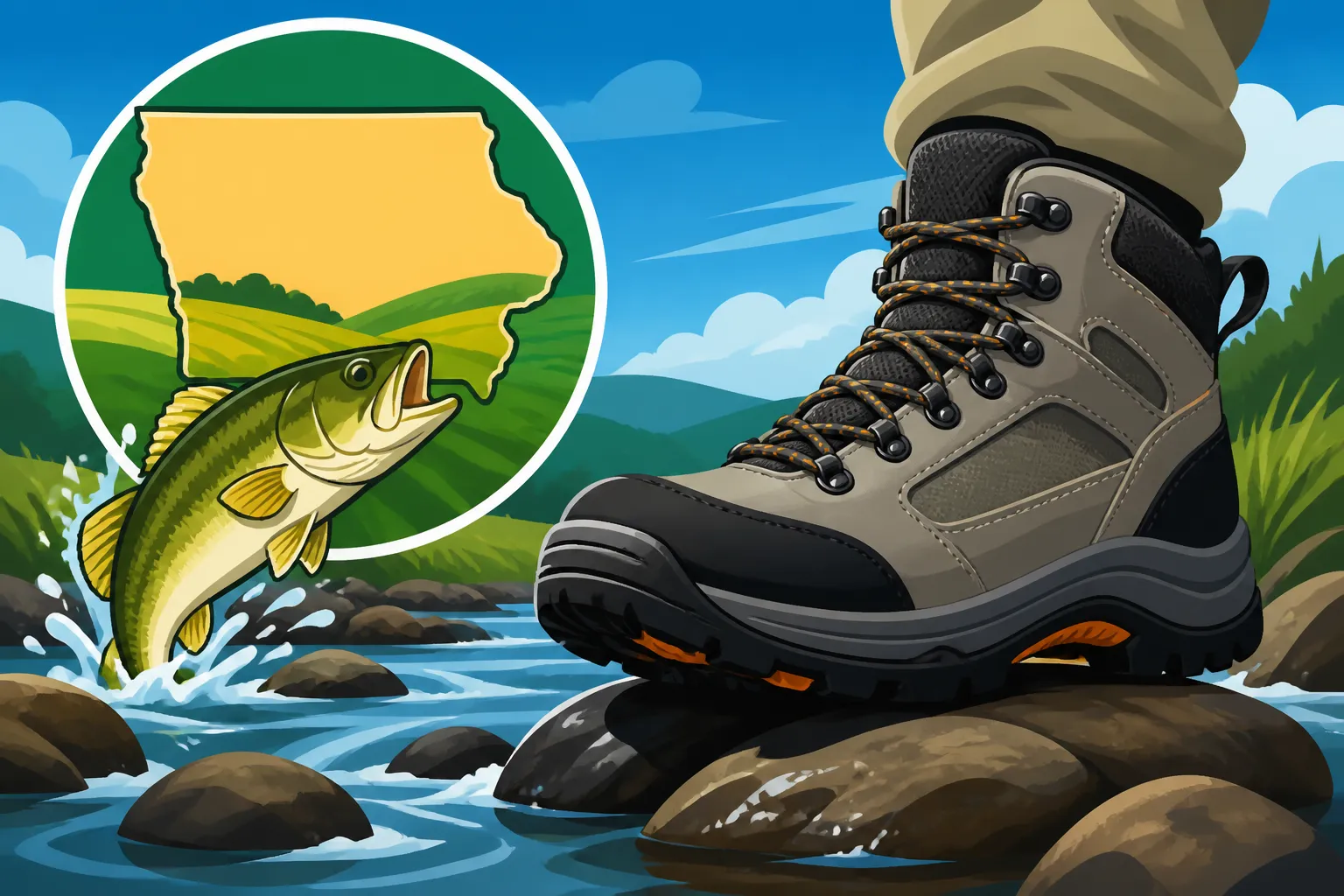
Rubber soles have come a long way in recent years. Modern rubber compounds are specifically designed for wet traction, and many feature aggressive tread patterns that mimic hiking boots but are optimized for water. While a plain rubber sole might not grip slick moss as well as felt, many rubber boots are designed to accept studs or cleats. These metal or tungsten carbide studs dig into the rock, providing phenomenal grip, sometimes even surpassing felt. They're also much easier to clean, significantly reducing the risk of spreading invasive species, which is a major environmental concern we should all take seriously. When looking at rubber, think about the depth and shape of the lugs – deeper, more angular lugs will generally provide better traction on loose gravel and uneven rocks. You might find a wider selection of felt-soled options at a dedicated fishing retailer like Bass Pro Shops, while for rubber-soled boots with interchangeable sole systems, checking online retailers like Amazon can give you a good overview of the latest models.
Ankle Support and Durability
Walking on uneven, submerged rocks is an open invitation for a twisted ankle. That's why strong ankle support in wading boots is non-negotiable. Look for boots that extend high enough up the ankle and feature sturdy lacing systems that allow you to cinch them down securely. A well-padded collar and a stiff heel counter will help stabilize your foot and prevent it from rolling, even if you step awkwardly. This support becomes even more vital when you're carrying gear or navigating strong currents.
Beyond ankle support, durability is key. Wading boots take a beating. They're constantly exposed to water, grit, sharp rocks, and abrasive stream beds. You want boots constructed from tough materials like synthetic leather, heavy-duty nylon, or reinforced PVC. Double-stitching, reinforced toe and heel caps, and durable hardware (like corrosion-resistant eyelets) are indicators of a boot built to last. A cheap pair might save you money upfront, but they'll likely fall apart after a season or two, leaving you stranded with unreliable footwear. Investing in a robust pair means fewer replacements and more reliable performance on the water, especially when you consider you might be hiking a bit to get to those prime Trout Streams Near Decorah or Community Trout Ponds Near Des Moines.
Drainage and Quick-Drying Properties
It might seem counterintuitive to talk about drainage in a boot designed to be in water, but it's incredibly important. While your waders keep the outside water out, your boots are going to get wet inside from condensation, sweat, and any water that might sneak over the top of your wader booties or through the boots themselves during deep wading. Poor drainage means your boots stay waterlogged, making them heavier, less comfortable, and a breeding ground for bacteria and odor.
Look for boots with mesh panels, drainage holes, or materials that don't absorb excessive water. These features allow water to escape quickly when you step out of the stream, reducing the overall weight of the boots and preventing that squishy feeling. Furthermore, quick-drying properties are essential for hygiene and extending the life of your boots. Boots that remain wet for extended periods are more prone to mildew, material degradation, and developing unpleasant smells. Synthetic materials tend to dry faster than natural ones, so keep that in mind. Proper airflow and material choice mean your boots will be ready for your next adventure quicker, which is a huge plus if you're planning a multi-day trip or just want to avoid that "damp boot" funk.
Choosing Between Felt and Rubber Soles for Iowa Waters
The great debate in wading footwear often boils down to felt versus rubber. Both have their devout followers and their inherent trade-offs, especially when considering the varied conditions of Iowa's fishing spots. Understanding these differences is crucial for making the right choice for your fishing style and the environments you frequent.
The Felt Sole Advantage (and Disadvantage)
Felt soles, historically, were the go-to for serious river anglers, and for good reason. Their primary advantage is unparalleled grip on extremely slick, algae-covered rocks. The dense, matted fibers of felt conform to the contours of submerged rocks, providing a high degree of friction that feels almost "sticky." If you've ever fished a spring creek with smooth, slimy limestone bedrock, you know how indispensable this grip can be. They truly shine in those notoriously treacherous conditions, offering a sense of security that's hard to beat.
However, the significant disadvantage of felt soles, particularly in today's environmentally conscious angling world, is their tendency to absorb and transport invasive species. Microscopic organisms, plant fragments, and even tiny fish eggs can get trapped in the felt fibers, and if not meticulously cleaned and dried, these can be unwittingly transferred from one body of water to another. This is a serious concern for Iowa, where maintaining ecological balance in our precious waterways is vital. Some states have even outright banned felt soles to combat this issue. Beyond the environmental aspect, felt can also perform poorly on dry land, offering minimal grip on muddy banks or snowy trails. They also tend to wear down faster than rubber, especially if you do a lot of walking on concrete or asphalt to get to your fishing spots.
The Rise of Rubber Soles with Traction Systems
Rubber soles have evolved dramatically over the years, making them a formidable competitor to felt. Modern rubber compounds are designed with advanced grip technologies, offering excellent traction on a wide range of surfaces, including wet rocks. While a plain rubber sole might still be a tad slicker on green, mossy rocks compared to felt, the real game-changer is their compatibility with various traction systems.
Many rubber wading boots feature pre-drilled holes or specific designs that allow you to easily add screw-in studs, cleats, or even carbide spikes. These metal additions bite into the rock, providing an incredible amount of grip that often rivals, if not surpasses, felt. The beauty of these systems is their versatility; you can add or remove traction elements as needed for different conditions or replace them as they wear out. Moreover, rubber soles are much easier to clean and dry, significantly reducing the risk of spreading invasive species – a huge win for conservation. This makes them a more environmentally responsible choice for anglers who fish multiple rivers and streams. When you're fishing areas like the Mississippi River Pool 9 Fishing or exploring different sections of our trout streams, the ability to clean your boots thoroughly is a major benefit.
Hybrid Options and When to Consider Them
If you find yourself torn between the superior grip of felt on slick surfaces and the versatility and environmental benefits of rubber, some manufacturers offer hybrid solutions. These might come in the form of boots with both felt and rubber components on the sole, or, more commonly, boots with interchangeable sole systems.
Interchangeable sole systems allow you to swap out felt soles for rubber ones (and vice versa, or even specialized studded rubber soles) depending on the conditions of the water you'll be fishing. This offers the ultimate flexibility, allowing you to optimize your traction for specific situations. For example, you could use felt for a dedicated day of Fly Fishing for Trout in Iowa Streams on a notoriously slick stretch, then swap to studded rubber for a trip that involves significant hiking on trails before entering a less treacherous riverbed. While these systems can be a bit more expensive initially, the versatility and extended lifespan of having multiple sole options can make them a worthwhile investment for the dedicated angler. They allow you to tailor your gear precisely to the challenges of each specific fishing adventure, ensuring you always have the best grip possible.
Sizing, Fit, and Maintenance for Longevity
Getting the right pair of wading boots is just the first step. To ensure they perform their best and last for many seasons, you need to pay close attention to sizing, fit, and ongoing maintenance. Skimping on these details can lead to discomfort, premature wear, and a less enjoyable time on the water.
Getting the Right Fit: Don't Skimp on Space
This is perhaps one of the most common mistakes anglers make: buying wading boots that are too small. Remember, you're not going to be wearing regular socks in these boots. You'll be wearing thick neoprene stockingfoot waders underneath. These wader booties take up a significant amount of space, and if your boots are too snug, they'll compress the neoprene, restrict blood flow, and make your feet incredibly cold and uncomfortable.
When trying on wading boots, always wear your thickest wading socks or your waders themselves. You want enough room to comfortably wiggle your toes, even with the wader booties on. There should be a bit of space at the front of the boot to prevent your toes from jamming, especially when walking downhill or against a strong current. However, "enough room" doesn't mean "sloppy." The boot should still hold your foot securely, preventing excessive movement that could lead to blisters or instability. Focus on a snug fit around the ankle and heel, which provides crucial support. If you're buying online, many brands will recommend sizing up one or even two full sizes from your street shoe size. Don't be afraid to go up a size; it's almost always better to have a little too much room than not enough when it comes to wading boots. Remember, you're looking for comfort and stability that will last through hours of standing, walking, and casting. You can check sizing charts on retailers like Bass Pro Shops or Amazon, but always read customer reviews for specific sizing advice.
Essential Maintenance Tips to Extend Your Boots' Life
Your wading boots endure a lot of abuse – constant immersion, abrasive grit, UV exposure, and varying temperatures. Proper care isn't just about making them last; it's also about preventing the spread of invasive species and keeping them smelling fresh.
Here's a simple routine to follow after every trip:
- Rinse Thoroughly: As soon as you're off the water, give your boots a good rinse with fresh water. Use a stiff brush to scrub off any mud, sand, gravel, and especially any visible algae or plant matter. Pay close attention to the soles and around the laces. If you have felt soles and have been fishing different bodies of water, a more rigorous "Check, Clean, Dry" protocol is crucial to prevent the spread of invasives.
- Inspect for Damage: While rinsing, take a moment to inspect for any nicks, tears, or loose stitching. Addressing minor issues early can prevent them from becoming major problems. Check the laces for fraying and the eyelets for corrosion.
- Dry Properly: This is perhaps the most important step. Never store your boots wet. Remove the insoles (if removable) and open them up as much as possible to promote airflow. Dry them in a cool, well-ventilated area, out of direct sunlight. Direct heat can degrade materials over time. Using a boot dryer or stuffing them with newspaper (change daily) can significantly speed up the drying process. Ensure they are bone dry before storing them away. This prevents mildew, odor, and material breakdown.
- Condition (if applicable): Some synthetic materials can benefit from occasional conditioning or waterproofing treatments to maintain their flexibility and water repellency, much like you might condition your Best Waders for Cold Water Trout Fishing. Follow the manufacturer's recommendations.
Consistent maintenance ensures your boots remain comfortable, functional, and safe for all your future Iowa Fishing Regulations Explained adventures.
Felt vs. Rubber Soles for Iowa Streams
Let's break down the key differences between felt and rubber soles to help you decide which is best suited for your Iowa fishing adventures.
| Feature | Felt Soles | Rubber Soles |
|---|---|---|
| Grip on Wet Slime | Excellent, often superior on extremely slick, algae-covered rocks. | Good to excellent, but can be slick on heavy slime without added traction. |
| Grip on Dry Land | Poor, can be very slippery on mud, grass, or snow. | Good, more versatile for hiking to and from the water. |
| Invasive Species | High risk of transporting microscopic organisms; requires meticulous cleaning. | Low risk; easier to clean and dry, reducing environmental impact. |
| Durability | Can wear faster on abrasive surfaces (dry land, sharp rocks). | Generally more durable, especially against abrasion. |
| Traction System | Not compatible with studs or cleats. | Often compatible with screw-in studs or cleats for enhanced grip. |
| Weight | Can become quite heavy when fully saturated with water. | Lighter weight when wet, as they absorb less water. |
| Maintenance | Requires very thorough cleaning and drying to prevent invasives/odor. | Easier to clean and dry; less intensive maintenance needed. |
| Typical Use | Anglers fishing primarily on very slick, rocky riverbeds where maximum grip is critical. | Versatile anglers, those concerned with invasives, or those needing studs for extreme conditions. |
When you're preparing for a day on the water, whether it's checking your Iowa Trout Fishing Fee and Stamp Guide or figuring out Nymphing Techniques for Iowa Trout Streams, your wading boots are a critical part of the equation. Make sure you choose wisely!
Disclaimer
This article is for general informational purposes only and does not constitute professional advice. Laws, prices and regulations vary by location and change over time. Consult a qualified professional for guidance on your specific situation.