Best Boat Cover for Winter Storage
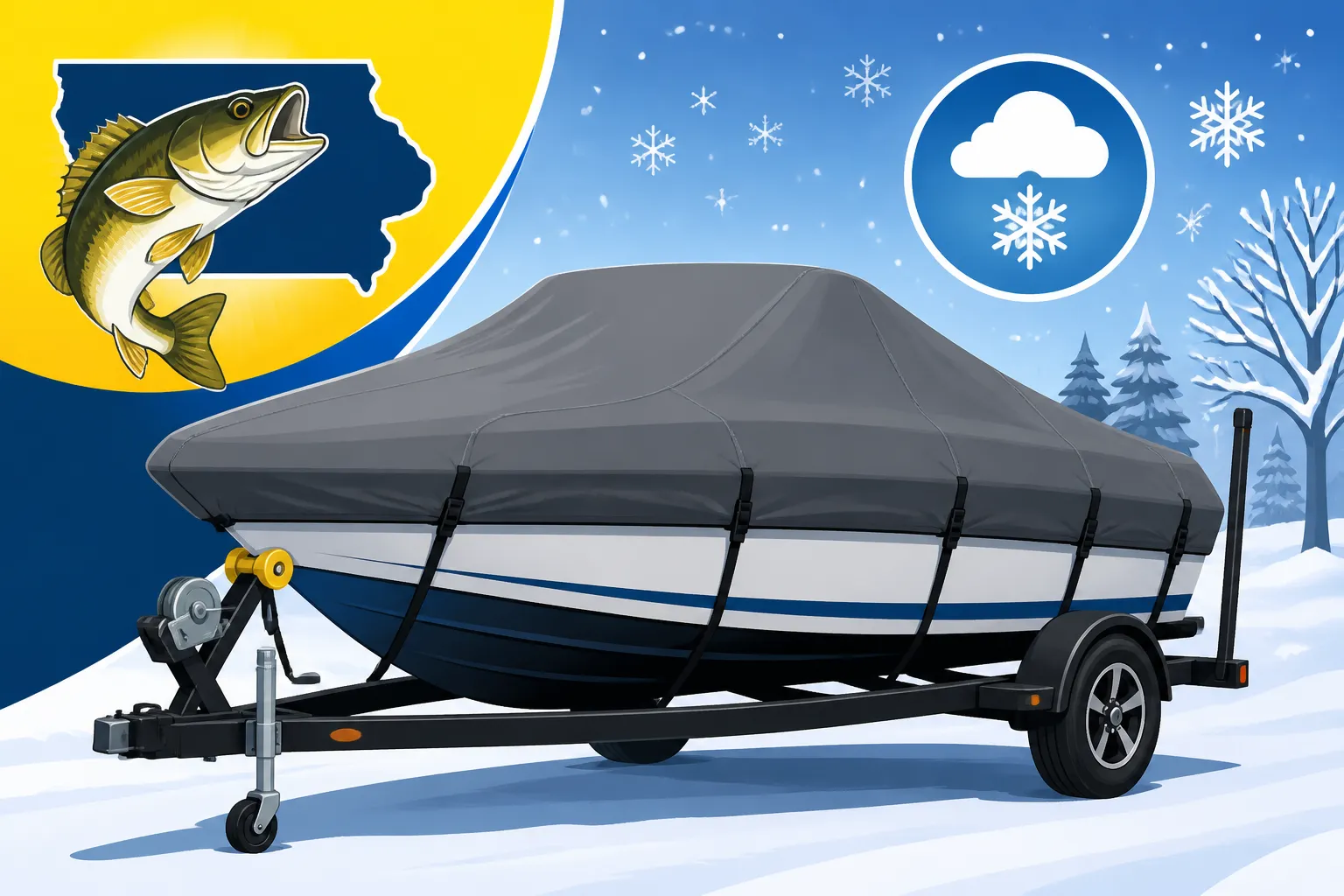
There’s nothing quite like the feeling of putting your boat away for the winter, knowing you’ve had a great season out on Iowa’s lakes and rivers. But that feeling can quickly turn to dread if you don't take the proper steps to protect your beloved vessel from the harsh realities of an Iowa winter. Finding the best boat cover for winter storage isn't just about throwing a tarp over it; it's about investing in peace of mind and preserving your boat's condition, ensuring it’s ready for next spring's adventures. This guide will walk you through everything you need to know to choose the right cover and keep your boat safe until warmer weather returns.
Why a Quality Boat Cover is Your Best Defense Against Iowa Winters
Let's face it, Iowa winters are no joke. We're talking about heavy snowfall, bitter winds, freezing rain, and those sneaky freeze-thaw cycles that can wreak havoc on unprotected surfaces. Your boat, whether it's a trusty fishing rig or a family pleasure craft, is a significant investment, and leaving it exposed to these elements without adequate protection is like leaving money on the dock. A good boat cover isn't just an accessory; it's a shield that guards against a myriad of potential problems.
Think about the damage snow and ice can inflict. Heavy snow accumulation can put immense stress on your boat's hull and interior components, potentially causing structural damage. As snow melts and refreezes, water can seep into every crevice, expanding and cracking fiberglass, wood, and even metal. Beyond the obvious, prolonged exposure to UV rays, even in winter, can fade upholstery, crack dashboards, and degrade wiring. Then there's the inevitable dirt, dust, and debris that accumulates, making spring cleanup a nightmare. A well-fitted, durable cover acts as a barrier, keeping all these destructive forces at bay. It's your first line of defense, preventing costly repairs and extending the life of your boat.
Moreover, a proper winter cover helps maintain the value of your boat. When it comes time to upgrade or sell, a boat that has been meticulously cared for, showing minimal wear and tear from the elements, will command a higher price. Buyers can tell when a boat has been neglected, and the condition of the exterior, upholstery, and overall cleanliness speaks volumes. So, while buying a good cover might feel like an added expense, it’s truly an investment in your boat’s longevity and resale potential. It's about protecting your fun and your finances for seasons to come.
Decoding Boat Cover Types: Finding the Right Fit for Your Iowa Vessel
When you start looking for a boat cover, you'll quickly realize there's a whole world of options out there. It’s not a one-size-fits-all situation, especially when preparing for Iowa's variable winter conditions. Understanding the different types – custom, semi-custom, and universal – is crucial to making the best choice for your specific boat and storage needs. Each type offers different levels of protection, fit, and cost, so let's break them down.
Custom Boat Covers for Precision Protection
A custom boat cover is, without a doubt, the gold standard for winter storage. These covers are specifically designed and cut to the exact dimensions and contours of your boat's make, model, and year. They'll hug every curve, accommodate any tower, console, or motor, and fit like a second skin. This precise fit means there's minimal excess fabric to flap in the wind, which greatly reduces wear and tear on both the cover and your boat. More importantly, a snug fit prevents water, snow, and debris from pooling or infiltrating, offering superior protection against the elements. If you've got a specialty fishing boat or a high-end pleasure craft that you want to protect at all costs, a custom cover is often worth the investment. Local marine shops or specialty cover manufacturers often produce these.
The downside, of course, is the cost. Custom covers are typically the most expensive option, and they can take a bit longer to produce since they're made to order. However, their longevity and superior protective qualities often make them a wise long-term investment, especially if you plan to keep your boat for many years. You won't find many of these on a big online retailer, but a quick search for marine canvas shops in Des Moines, or even checking with large marine dealers like those affiliated with Bass Pro Shops, might point you in the right direction for a local solution. These covers are often made from heavy-duty materials with reinforced stress points, designed to withstand intense conditions, which is exactly what an Iowa winter demands.
Semi-Custom Boat Covers: A Balanced Approach
For many Iowa anglers and boaters, a semi-custom cover strikes a fantastic balance between cost and protection. These covers are designed to fit a specific style of boat (e.g., V-hull runabout, center console fishing boat, pontoon) and a range of lengths and beam widths. While not tailored to your exact boat, they come very close, offering a much better fit than a universal cover. They typically have elasticized hems and tie-down points to help cinch them snugly around your boat, minimizing flapping and providing good overall coverage. You'll find a wide variety of semi-custom covers available through marine retailers and online platforms like Amazon.
The advantage here is the cost-effectiveness and wider availability. You can often find a semi-custom cover that fits your boat very well without the premium price tag or wait time of a fully custom option. They're a popular choice for their versatility and robust protection, often made from durable, weather-resistant fabrics that stand up well to snow, rain, and UV exposure. Just make sure to measure your boat accurately – length, beam, and even height – to ensure you select the correct size. A slightly oversized semi-custom cover can be almost as bad as an undersized one, leading to pooling and excessive movement in windy conditions. Checking reviews on retailers for covers that specifically mention good performance in snowy or icy conditions can also be very helpful.
Universal Boat Covers: Budget-Friendly But With Caveats
Universal boat covers are the most affordable option, designed to fit a broad range of boat styles and sizes. They are typically oversized to accommodate different configurations and rely on drawstrings, straps, or elasticized hems to secure them. While they certainly offer some protection from the elements, they rarely provide the snug, tailored fit of custom or semi-custom options. This loose fit can lead to several challenges, particularly in an Iowa winter.
The main concern with universal covers is their tendency to sag and collect snow and water. If a universal cover isn't properly supported underneath, heavy snow or rain can create large depressions, allowing water to pool. This standing water not only stresses the cover but can also freeze and thaw, potentially damaging the boat underneath or creating a massive block of ice that's difficult to remove. Excessive flapping in the wind is another common issue, leading to abrasion on your boat's finish and premature wear on the cover itself. While universal covers can be a quick and inexpensive solution for short-term storage or minimal protection, they usually require a robust support system (poles or framing) to prevent pooling during winter storage in Iowa. They might be readily available at general merchandise stores or on Amazon, but buyer beware – always prioritize fit and material quality for winter use.
Essential Features for Winter Boat Covers: What to Look For Beyond the Basics
Choosing a boat cover isn't just about picking a type; it's about evaluating the features that will truly make a difference when your boat is braving an Iowa winter. There are several key aspects to scrutinize that go beyond the basic idea of "covering" your boat. These features contribute directly to the cover's durability, protective capability, and ease of use, making your winter storage experience much less stressful.
Material Matters: Durability and Weather Resistance
The fabric a boat cover is made from is perhaps the most critical factor. For Iowa winters, you need something robust. Look for materials like heavy-duty marine-grade polyester or canvas, which are often treated for water resistance and UV protection.
- Polyester: Often preferred for its strength, resistance to stretching and shrinking, and good UV resistance. Look for denier counts (fabric density) of 600D or higher for robust winter protection. Many quality semi-custom covers use this.
- Acrylic Coated Polyester: This combines the strength of polyester with a water-resistant acrylic coating, offering excellent protection against rain and snow. It's often breathable enough to prevent moisture buildup.
- Solution-Dyed Acrylic (like Sunbrella, though always check specific product details): These are premium fabrics known for exceptional UV resistance, colorfastness, and breathability. While often more expensive, they can last for many years, even in harsh conditions. They are also highly resistant to mold and mildew.
- Canvas (Heavy Duty): Traditional canvas, when properly treated, can be very durable. However, modern synthetic blends often offer better water and UV resistance with less weight.
Avoid thin, lightweight tarps or covers primarily designed for short-term dust protection. These simply won't stand up to the weight of snow, sharp ice, or sustained wind we experience in Iowa. The material needs to be tough enough to prevent tears and punctures from sharp ice edges or branches that might fall during a storm.
Breathability: Preventing Mold and Mildew
It might seem counterintuitive to want a "breathable" cover when you're trying to keep water out, but it's absolutely crucial. A completely airtight cover can trap moisture and humidity underneath, creating a perfect breeding ground for mold, mildew, and corrosion. This can ruin upholstery, damage electronics, and leave your boat smelling musty. High-quality winter covers are designed with vents or use naturally breathable, yet water-resistant, fabrics to allow air circulation.
These vents, often located at strategic points, facilitate airflow without letting in rain or snow. Materials like solution-dyed acrylic are naturally breathable. When combined with a good support system, proper breathability ensures that any condensation that forms can evaporate, keeping your boat's interior dry and fresh. Neglecting breathability can lead to significant headaches and costly detailing in the spring.
UV Protection: Guarding Against Sun's Silent Damage
While winter might seem like a time of low sun exposure, UV rays are still present and powerful enough to cause damage, especially on clear, sunny winter days reflecting off snow. Over time, UV radiation degrades boat surfaces, fades gelcoats, cracks vinyl seats, and weakens plastics. A good winter cover should have integrated UV protection to shield your boat from this silent, year-round aggressor.
Many quality fabrics are treated with UV inhibitors or are inherently UV resistant. This helps preserve not only the appearance of your boat but also the structural integrity of components like rubber seals and wiring insulation. Investing in a cover with strong UV protection means your boat will look better and last longer, even after spending months outdoors.
Reinforcement and Tie-Down Systems: Security in High Winds
Iowa can get incredibly windy, especially during winter storms. A cover is only as good as its ability to stay on your boat. Look for covers with reinforced stress points, especially around the windshield, cleats, and any other sharp edges on your boat. Double-stitched seams and heavy-duty corner reinforcements will prevent tears when the wind whips and tugs.
The tie-down system is equally important. Robust, adjustable straps with strong buckles or elastic cords that run under the hull are essential. A cover that flaps excessively in the wind will not only damage the cover itself but can also scuff and scratch your boat's finish. Some covers even include a built-in "belly strap" system that goes completely under the boat, providing extra security. For larger boats, a well-distributed system of multiple tie-down points is crucial. Don't underestimate the power of a good gust of wind to rip an inadequately secured cover right off your boat.
Integrated Support Systems: Preventing Water and Snow Pooling
As mentioned with universal covers, pooling is a major problem. For any cover that doesn't have an extremely rigid, custom fit, an internal support system is vital. This could be a series of adjustable poles, a frame, or even an inflatable air bag that creates a "peak" or tent-like shape under the cover. This slope allows snow and rain to shed off easily, preventing accumulation and the creation of ice dams.
Many semi-custom covers come with basic support poles, but you can also purchase these separately. Ensuring a good pitch to your cover is paramount for winter storage in Iowa. Without it, you're essentially creating a giant bird bath or snow collector on top of your boat, which defeats the purpose of the cover and puts your boat at risk. Consider investing in an inflatable boat vent support system, easily found on sites like Amazon or through marine suppliers, which effectively creates a dome under the cover to shed precipitation.
| Feature | Why It's Crucial for Iowa Winters | What to Look For |
|---|---|---|
| Material Durability | Resists heavy snow, ice, strong winds, and abrasion. Prevents tears and punctures. | Marine-grade polyester (600D+), acrylic-coated, solution-dyed acrylic. |
| Water Resistance | Keeps rain, melting snow, and freezing rain from penetrating. | Hydrophobic coatings, high-denier weave, sealed seams. |
| Breathability | Prevents mold, mildew, and moisture buildup from condensation under the cover. | Integrated vents, breathable fabric (e.g., solution-dyed acrylic). |
| UV Protection | Shields boat from damaging UV rays, preventing fading, cracking, and material degradation. | UV-treated fabrics, inherent UV resistance in material. |
| Reinforced Stress Points | Prevents tearing in high-wind areas or where the cover rubs against boat features. | Double-stitching, extra fabric layers at corners/cleats. |
| Secure Tie-Down System | Keeps cover firmly in place during strong winds; prevents flapping and abrasion. | Heavy-duty straps/buckles, elasticized hem, belly straps. |
| Integrated Support System | Creates a peak to shed snow and water, preventing pooling and ice buildup. | Adjustable poles, inflatable bladders, custom framing. |
Maximizing Your Boat Cover's Lifespan: Installation and Maintenance Secrets for Iowa Anglers
You've chosen the perfect boat cover for your Iowa winter storage – congratulations! But the job isn't done. Proper installation and diligent maintenance are just as important as the cover itself. Doing things right now will ensure your cover performs optimally, protects your boat effectively, and lasts for many seasons to come, saving you money and hassle in the long run.
The Art of Proper Installation
A well-fitted cover can still fail if not installed correctly. First, ensure your boat is clean and dry before covering it. Trapping moisture and debris under the cover is a recipe for mold and scratching. Any sharp edges or protrusions on your boat – like cleats, rod holders, or windshield corners – should be padded. You can use old towels, foam, or even pool noodles cut to size to prevent the cover from rubbing and tearing in these areas.
Next, install your support system. This is crucial for shedding snow and water, especially if you have a universal or semi-custom cover. Place adjustable poles or inflatable bladders at strategic points to create a high peak, ensuring water has no place to pool. A good rule of thumb is to aim for a slope that allows water to run off easily, just like a roof. For larger boats, multiple support points may be needed. Many manufacturers offer specific recommendations for support system setup, so check your cover’s instructions. This step is non-negotiable for anyone storing their boat outdoors in Iowa's winter.
Finally, secure the cover tightly. Start from one end and work your way around, pulling the cover snugly over the boat. Engage all the tie-down straps and cinch them tight. The goal is to minimize any slack or loose fabric that can flap in the wind. Remember, wind abrasion is a leading cause of cover failure and boat finish damage. Regularly check the straps throughout the winter, especially after heavy winds, as they can sometimes loosen. For guidance on getting your boat ready for the colder months, you might find our guide on How to Winterize a Boat Battery for Iowa Winters very helpful.
Seasonal Cleaning and Care for Longevity
Even the best boat cover will need some TLC to last. Before storing your cover for the summer, give it a thorough cleaning. Most marine-grade fabrics can be cleaned with mild soap (like dish soap) and water, using a soft brush. Avoid harsh detergents, bleach, or power washers, as these can damage the fabric's water-resistant coatings and compromise its integrity. Rinse thoroughly to remove all soap residue and allow the cover to air dry completely before folding and storing it in a cool, dry place. Storing a damp cover will inevitably lead to mildew growth.
Regular inspections throughout the winter are also a smart move. After a heavy snowfall or a major wind event, go out and check your boat. Brush off any excessive snow accumulation to relieve stress on the cover and prevent pooling. Look for any tears or frayed areas in the cover or straps. Small rips can often be patched with marine-grade repair kits, which can prevent them from becoming larger, more costly problems down the road. Addressing minor issues quickly will significantly extend the life of your cover. For more general advice on maintaining your fishing gear, check out our post on How to Store Fishing Gear Over Winter.
Addressing Common Winter Cover Challenges
Even with the best cover, you might encounter some common challenges during an Iowa winter. Ice formation on the cover is one such issue. Resist the urge to chip or scrape ice off aggressively, as this can easily damage the fabric. Instead, try to gently break up large ice sheets by tapping the underside of the cover (if accessible and safe to do so) or wait for a warmer day when the ice can be removed more easily. Ensure your support system is robust enough to handle the weight of ice and snow.
Another challenge can be critters. Mice and other small animals love to find warm, sheltered spots for winter. While a tight-fitting cover helps, they can sometimes find their way in. Consider placing mothballs or other deterrents around the perimeter of your boat, but never inside the boat itself, as the smell can linger. Regularly checking under the cover for signs of unwelcome guests can prevent serious damage to upholstery and wiring. Keeping your boat cover in top shape requires a little effort, but it’s a small price to pay for protecting your investment against the rigors of an Iowa winter.
Disclaimer
This article is for general informational purposes only and does not constitute professional advice. Laws, prices and regulations vary by location and change over time. Consult a qualified professional for guidance on your specific situation.