Can You Catch Saugeye in Iowa?
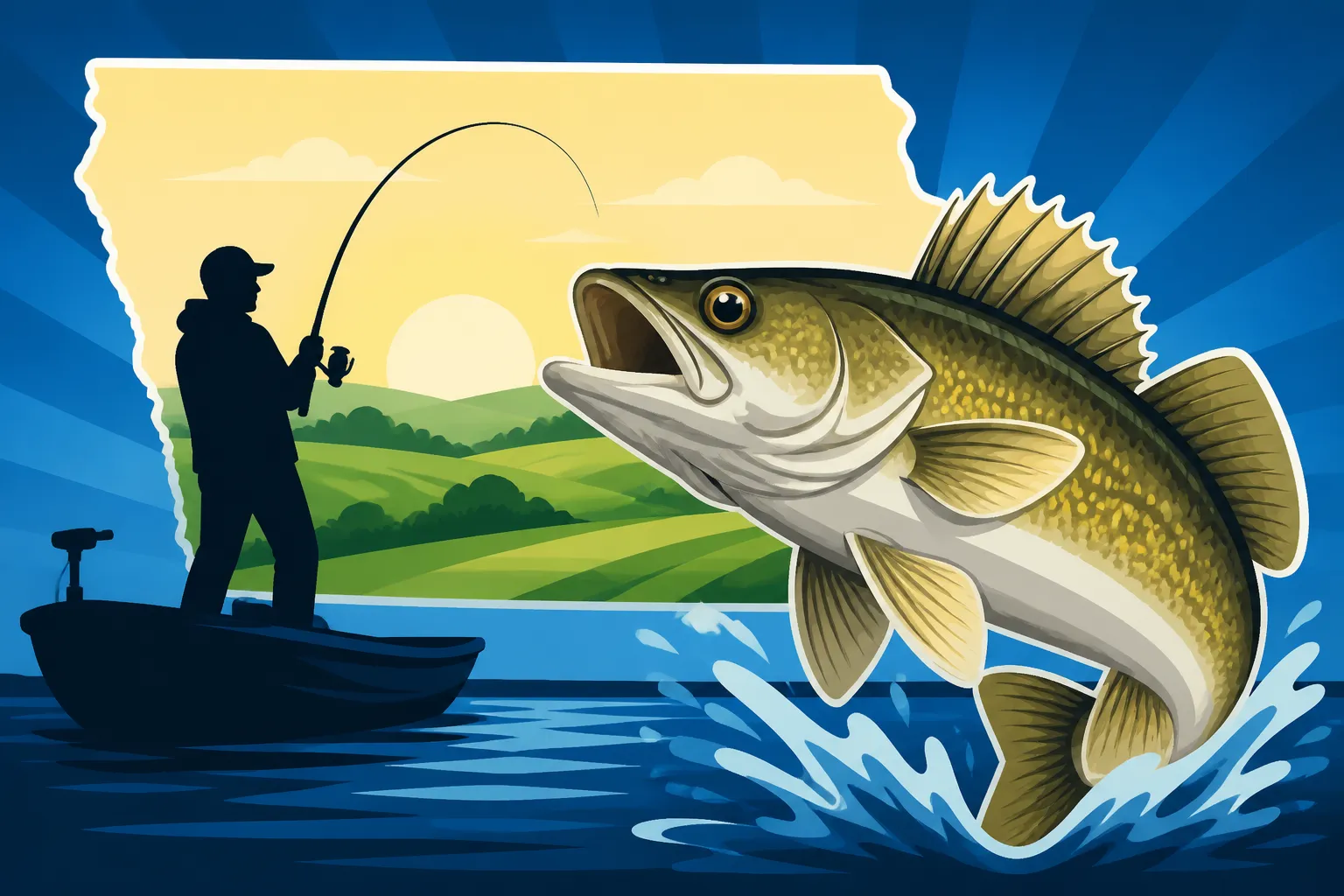
It's a common question that pops up when you're out on Iowa's waters, especially after hearing about friends catching something a little different: "Can you actually catch saugeye here?" Many anglers are familiar with walleye and sauger, but this hybrid species often leaves folks scratching their heads, wondering if it's even a possibility in the Hawkeye State. The good news is, yes, saugeye are indeed present in certain Iowa waters, offering a unique angling opportunity that's distinct from targeting their parent species. This guide will dive deep into where you might find them, what makes them special, and how to tell them apart from their cousins.
The Marvel of the Saugeye: A Hybrid Story
Let's start by unraveling the mystery of the saugeye itself. It's not a naturally occurring species, but rather a fascinating hybrid created by crossing a female walleye with a male sauger. Think of it like the mule of the fish world – a strong, robust, and often faster-growing offspring that takes some of the best traits from both parents. This genetic blend gives the saugeye some distinct advantages, making them a popular choice for stocking programs in various states, including parts of Iowa.
Understanding the Hybrid Advantage
The reason wildlife agencies invest in stocking saugeye is pretty clever. Walleye are known for their delicious taste and sporting fight, but they can be a bit finicky and prefer clear, deep waters. Sauger, on the other hand, are tougher, more tolerant of turbid (murky) waters, and often found in rivers, but they don't grow quite as large as walleye. The saugeye steps in as a "best of both worlds" solution. They tend to grow faster and larger than sauger, offer a great fight, and are more adaptable to a wider range of water conditions than purebred walleye. This adaptability means they can thrive in reservoirs and larger lakes that might not be ideal for a pure walleye population. It's a pragmatic approach to fisheries management, aiming to provide a resilient and exciting sportfish for anglers.
Genetic Blend: What Makes a Saugeye
The saugeye inherits characteristics from both its walleye mother and sauger father. From the walleye, it gets the potential for larger size and the classic "walleye chop" or golden hue that many anglers recognize. From the sauger, it typically inherits the preference for slightly more turbid water and the distinct blotchy markings that can make identification tricky. This blend creates a fish that can be a real challenge to distinguish in the water, which is part of the fun – and sometimes frustration – for anglers. It's important to know your fish, not just for bragging rights, but for adherence to local regulations, as bag limits and size restrictions can differ for various species. For a broader look at what's swimming in our waters, check out our Iowa Fish Species Guide.
Where Saugeye Roam in Iowa's Waters
While you won't find saugeye swimming in every lake and river across Iowa, they have been strategically introduced into several key locations. These stocking efforts by the Iowa Department of Natural Resources (DNR) are usually aimed at bolstering sportfish populations in specific reservoirs where conditions are favorable for saugeye to thrive. These aren't wild, naturally reproducing populations that have been around forever; rather, they are the result of careful management.
Key Iowa Lakes and Reservoirs with Saugeye
The most prominent places to find saugeye in Iowa are generally larger impoundments and reservoirs. You're not going to stumble upon them in every farm pond, that's for sure. Historically, lakes like Clear Lake, Saylorville Reservoir, and Rathbun Lake have been known for their saugeye populations. These larger bodies of water provide the space and forage that saugeye need to grow into impressive sizes. The DNR regularly assesses these populations and decides where stocking efforts are most beneficial. So, if you're planning a trip to one of these spots, it's always a good idea to check the latest stocking reports or local fishing forums to see where the saugeye bite has been hot. Clear Lake, in particular, is often mentioned as a top spot, offering a robust fishery that includes walleye, saugeye, and more. For more information on fishing this popular lake, you can read our Fishing Clear Lake in Iowa guide.
Stocking Efforts and Their Impact
The stocking of saugeye is a deliberate act of fisheries management. It's not just about dumping a bunch of fish into a lake and hoping for the best. The DNR meticulously raises saugeye in hatcheries and then releases them into specific waters to enhance fishing opportunities. This is particularly valuable in waters where natural walleye or sauger reproduction might be limited or where a hardier, faster-growing sportfish is desired. These stocking programs mean that the saugeye you catch are typically "put-and-take" fish, though they do provide incredible sport and food value. Because they are hybrids, they generally have limited reproductive success, meaning sustained populations rely on continued stocking. This makes them a unique and often sought-after catch for anglers who appreciate the effort that goes into maintaining diverse fisheries. Understanding Iowa Fishing Regulations Explained is always key, as different species may have different rules.
Distinguishing Saugeye from Walleye and Sauger
This is where things get really interesting – and sometimes a little challenging! At first glance, a saugeye can look remarkably similar to both a walleye and a sauger, especially to the untrained eye. However, there are some key visual cues that, once you know what to look for, can help you correctly identify your catch. Getting it right isn't just about showing off; it's also crucial for complying with Iowa Fishing Daily Bag Limits Guide, as limits and sizes can vary for each species.
Identifying Marks: The Key Differences
Let's break down the main visual distinctions:
-
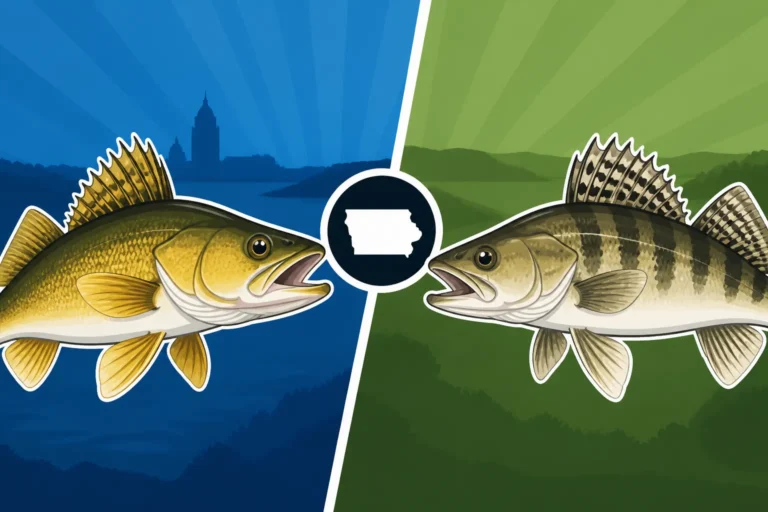
Dorsal Fin Markings: This is often the most reliable way to tell them apart.
- Walleye: The spinous (front) dorsal fin usually has a distinct, opaque black blotch at the rear base. The rest of the fin is generally clear or lightly speckled.
- Sauger: The spinous dorsal fin has clear, distinct rows of black spots or bars, with no large black blotch at the very back.
- Saugeye: This is where the hybrid shows its stripes (literally!). The saugeye will typically have faint, diffuse blotches or streaks on its spinous dorsal fin, which are less defined than a sauger's clear spots but more noticeable than a walleye's single rear blotch. It might even have a faint dark blotch at the rear, but it won't be as stark as a walleye's.
-
Body Markings:
- Walleye: Generally has a uniform, golden-olive body color with some subtle mottling.
- Sauger: Features more pronounced, distinct dark blotches or saddle patterns along its sides, especially towards the back, giving it a more mottled appearance.
- Saugeye: Often exhibits a blend, with some of the walleye's uniform color but also some of the sauger's lateral blotches, though usually less distinct than a pure sauger.
-
Cheek Scales: This is a more subtle, but effective, trait.
- Walleye: Cheeks are typically smooth, with few to no scales.
- Sauger: Cheeks are fully scaled, feeling rough to the touch.
- Saugeye: Often has partially scaled cheeks, a mix between the two parents, sometimes scaled on the upper half and smooth on the lower.
-
Tail Fin:
- Walleye: The lower lobe of the tail fin usually has a distinct white tip.
- Sauger: The tail fin is generally speckled or mottled, without a prominent white tip on the lower lobe.
- Saugeye: May or may not have a white tip on the lower tail fin, or it could be very faint. It's less consistent than with a walleye.
It takes a keen eye and a bit of practice, but once you know what to look for, you'll be identifying saugeye like a pro. Having a good, waterproof fish identification guide or even a sturdy fish scale (many reliable ones are available on Amazon) to get an accurate weight and then a quick photo for later review can be helpful when you're on the water. For an even deeper dive, consider our Walleye vs Sauger Differences article.
Here's a quick comparison table to help you out:
| Feature | Walleye | Sauger | Saugeye (Hybrid) |
|---|---|---|---|
| Dorsal Fin | Single black blotch at rear base | Clear rows of distinct black spots | Faint, diffuse blotches/streaks |
| Body Markings | Uniform, golden-olive, subtle mottling | Distinct dark blotches/saddle patterns | Blend of both, often mottled but less defined |
| Cheek Scales | Mostly smooth, few/no scales | Fully scaled, rough texture | Partially scaled, mixed texture |
| Tail Tip | Distinct white tip on lower lobe | No white tip, often speckled | Absent or very faint white tip |
| Habitat Pref. | Clearer, deeper lakes | Turbid rivers, deeper sections of lakes | Adaptable, wider range of conditions |
Fishing for Saugeye in Iowa
So, now that you know saugeye are here and how to identify them, how do you go about catching these unique hybrids? The good news is that if you're already familiar with techniques for catching walleye or sauger, you're pretty much ready to go. Saugeye tend to behave similarly to their parent species, often preferring low-light conditions and moving to deeper structures during the brightest parts of the day.
Preferred Baits and Lures
Saugeye are predators, and they'll hit many of the same baits and lures that entice walleye and sauger.
- Live Bait: Minnows, nightcrawlers, and leeches are all fantastic choices. Rigging them on a jig, under a slip bobber, or on a Lindy rig can be incredibly effective. The scent and natural movement of live bait are often irresistible.
- Jigs: Jigs tipped with a plastic grub or a piece of live bait are a perennial favorite. Experiment with different colors, especially chartreuse, orange, and white, which often perform well in varying water conditions. Jigging aggressively near structure or subtly drifting can both produce results.
- Crankbaits: Trolling or casting crankbaits that mimic baitfish can be very productive, especially when saugeye are actively feeding. Choose colors that contrast with the water clarity – brighter colors for murky water, more natural patterns for clear water. Shallow-diving crankbaits work well over flats, while deeper divers can probe submerged humps and ledges.
- Spinner Rigs: Harnesses with spinner blades, often tipped with a nightcrawler or leech, are excellent for covering water. Whether trolled behind a boat or drifted, the flash and vibration can draw in saugeye from a distance.
Finding the right gear for these techniques is easier than ever, with a huge selection of Iowa Fishing Gear Guide items available, and you can always find a wide variety of fishing tackle on Amazon.
Prime Locations and Times
Like their walleye and sauger relatives, saugeye often relate to structure. Look for them around:
- Submerged Humps and Points: These are classic ambush points where baitfish congregate. Use your fish finder to locate these subtle changes in depth. Good fish finders, even budget-friendly ones, can be a great asset, and many excellent options are available on Amazon.
- Rock Piles and Riprap: Especially on reservoirs, rocky areas attract baitfish and provide cover for saugeye.
- Channel Edges: Where the main river channel cuts through a reservoir, saugeye will often hug these deeper edges, especially during periods of current or cooler water.
- Dam Areas: Below dams or spillways where current is present can be prime spots, as fish congregate to feed on disoriented bait. Just be sure to observe all local regulations regarding safe fishing distances from these structures.
Timing is also crucial. Saugeye, like walleye, are often most active during low-light periods – dawn, dusk, and even at night. On overcast days, they might remain active in shallower water for longer. During bright, sunny days, expect them to move deeper or into areas with more cover. For specific species techniques, consider guides like How to Catch Walleye in Iowa which offers transferable skills.
Seasonal Movements
Saugeye will also follow seasonal patterns:
- Spring: As waters warm, saugeye will often move shallower, sometimes in preparation for spawning, or to feed on emerging baitfish. This is a great time for jigging and casting crankbaits in shallower bays and points.
- Summer: They will generally move deeper to find cooler water and stable oxygen levels. Trolling deep-diving crankbaits or using bottom-bouncing rigs with live bait are effective. Night fishing can also be highly productive.
- Fall: As water temperatures drop, saugeye become very active, feeding heavily to build up fat reserves for winter. This is often considered one of the best times to target them, using a variety of baits and techniques as they move between deep and shallow water. For specific dates, review Iowa Fishing Season Dates and Limits.
Why Saugeye are a Welcome Addition to Iowa's Fishery
The decision to stock saugeye in certain Iowa waters isn't just about giving anglers something new to catch; it's a strategic move to improve the overall health and productivity of specific fisheries. These hybrids offer a suite of benefits that make them a valuable component of Iowa's diverse angling opportunities.
Boosting Angler Opportunities
Let's be honest, we all love catching fish! And saugeye contribute significantly to that enjoyment. In lakes and reservoirs where pure walleye or sauger populations struggle to maintain themselves or grow to a desirable size, saugeye can step in to fill that void. Their faster growth rates mean anglers can target larger fish sooner, and their adaptability often leads to more consistent catch rates. This directly translates to more excited anglers on the water, more successful fishing trips, and a greater overall appreciation for Iowa's aquatic resources. It diversifies the fishing experience, giving you another exciting species to chase after. If you're looking for Best Fishing Spots in Iowa, some of those spots might just include saugeye.
Ecological Benefits and Management Flexibility
From a management perspective, saugeye are fantastic. Their resilience to varying water conditions, including turbid waters and fluctuating oxygen levels that might stress pure walleye, makes them ideal for some of Iowa's man-made reservoirs. These waters can be dynamic, and having a robust fish species that can handle these changes is a huge advantage. Furthermore, because they typically have limited natural reproduction, their populations can be more precisely managed through stocking programs. The DNR can control the numbers and locations where saugeye are introduced, helping to balance the ecosystem and ensure there's enough food and habitat for all species. This allows for a flexible approach to fisheries management, tailoring programs to the specific needs of each body of water.
A Sustainable Choice
While some might question the introduction of a hybrid, the use of saugeye in stocking programs is considered a sustainable practice. It provides a popular sportfish without placing undue pressure on wild populations of walleye or sauger. The fish are hatchery-raised, minimizing impact on natural genetics, and are released into environments where they are expected to thrive. It’s a way to enhance fishing without depleting native stocks, ensuring that Iowa's waters remain vibrant and productive for generations of anglers to come. Whether you're targeting saugeye or a different species, remember to always consult Iowa Fishing Regulations Explained before heading out.
Disclaimer
This article is for general informational purposes only and does not constitute professional advice. Laws, prices and regulations vary by location and change over time. Consult a qualified professional for guidance on your specific situation.