Trophy Bass Size in Iowa
For many anglers across Iowa, the dream isn't just to catch a bass, it's to land a true leviathan – a fish that pushes the tape measure and bends the rod like never before. But what exactly qualifies as a "trophy" bass here in the Hawkeye State? It's a question that sparks lively debate around campfires and bait shops, and this guide is here to help you understand the metrics, the magic, and the methods behind pursuing those unforgettable, giant Iowa bass.
What Defines a Trophy Bass in Iowa?
When we talk about "trophy" bass, whether it's a largemouth or smallmouth, it's not just about a random big fish. There's a certain size, weight, and sometimes even an attitude that sets them apart. While there isn't one universally decreed "trophy size" by the state, anglers have developed their own benchmarks, often influenced by state records, local legends, and personal bests.
Largemouth Bass Trophy Standards
For largemouth bass, which are far more common in Iowa's lakes and ponds, a "trophy" is usually considered anything over 5 pounds. Now, that might sound like a simple number, but a 5-pound largemouth in Iowa is a substantial fish. It's got shoulders, a big mouth, and it will give you a fight you won't soon forget. Many anglers, especially those just starting out, would be absolutely thrilled with a 3-pounder, so you can imagine the excitement a 5-pounder generates.
However, for the truly dedicated, the "trophy" bar might be set even higher, pushing into the 6 to 8-pound range. A largemouth bass of this caliber is often an older fish, a survivor that has grown large by expertly evading hooks and finding abundant forage. These are the fish that dominate tournament weigh-ins and become the stuff of local legend. Iowa does produce bass of this size, particularly in fertile farm ponds and larger reservoirs with excellent habitat and management. Think about the thrill of hooking into something that size; it's what keeps us coming back season after season. Many anglers consult resources like Largemouth Bass Fishing in Iowa to understand more about these fantastic fish.
Smallmouth Bass Trophy Standards
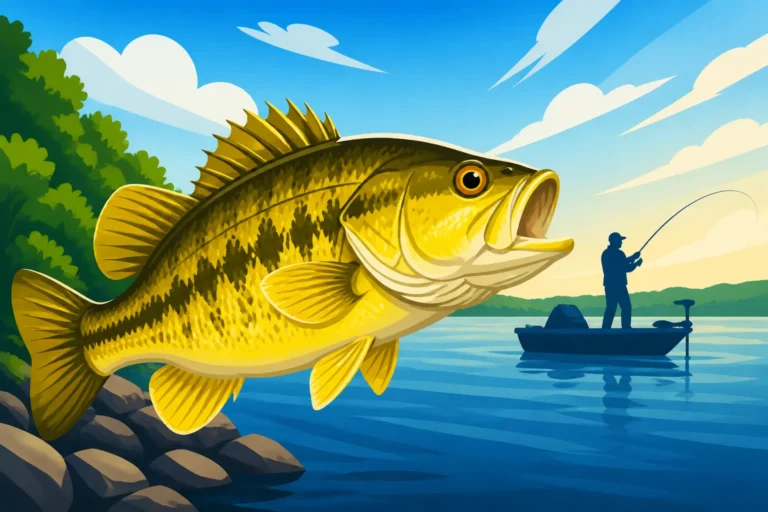
Smallmouth bass, on the other hand, are a different beast entirely. While they don't typically grow as heavy as largemouths, they are renowned for their incredible fighting spirit and aerial acrobatics. A trophy smallmouth in Iowa is often defined by its length and its sheer power. A smallmouth over 18 inches is generally considered an excellent fish, and anything over 20 inches is truly a trophy-class bronzeback.
When it comes to weight, a 4-pound smallmouth is a brute, and a 5-pound smallmouth is a rare, exceptional catch in Iowa. These powerful fish thrive in clear, rocky rivers and certain deep, clear lakes. The Mississippi River, for example, is known for its incredible smallmouth fishery, and anglers often target specific sections to find these larger fish. If you're looking to learn more about chasing these hard fighters, check out Smallmouth Bass Fishing in Iowa. Catching a smallmouth of this size often involves specific techniques, like those covered in How to Catch Bass in Iowa.
Here's a quick reference table for what Iowa anglers generally consider "trophy" size for bass:
| Species | Length (inches) | Weight (pounds) | Notes |
|---|---|---|---|
| Largemouth Bass | 20+ | 5+ | A true "hawg" in Iowa, anything over 6 lbs is exceptional |
| Smallmouth Bass | 18+ | 4+ | Renowned for strength, 5 lbs is a rare, coveted catch |
Factors Influencing Bass Size in Iowa Waters
It's not just luck when it comes to growing big bass; a lot of environmental factors play a huge role. Understanding these elements can help you identify potential trophy waters and adjust your fishing strategy accordingly. From water quality to food sources, everything in the ecosystem contributes to how large a bass can eventually become.
Habitat and Water Quality
Just like us, bass need a good home to thrive. For largemouth, this means plenty of submerged cover like weed beds, lily pads, fallen trees, and brush piles. These areas provide ambush points for hunting prey and protection from predators. Lakes and ponds with diverse, healthy aquatic vegetation and plenty of natural structure tend to produce larger largemouth bass. Water quality is also paramount. Clearer, well-oxygenated water allows bass to grow efficiently and remain healthy. Polluted or overly turbid (muddy) waters can stress fish, slow their growth, and reduce the availability of their preferred forage. This is why you'll often hear anglers talking about specific features, like those discussed in Largemouth Bass Habitat in Iowa Ponds.
Smallmouth bass, by contrast, prefer cooler, clearer water with rocky bottoms, gravel, and current. Rivers like the Mississippi and certain deep, clear natural lakes offer this kind of environment. Rock ledges, current breaks, and deep drop-offs are prime smallmouth real estate. Good water quality, particularly sufficient oxygen levels and minimal siltation, is critical for their growth and survival. A healthy river system with a variety of invertebrate and baitfish populations will often produce robust smallmouth. Knowing where to look for this kind of habitat, like that described in Smallmouth Bass Habitat on the Mississippi River, is key to finding bigger fish.
Forage Availability and Competition
You know the old saying, "you are what you eat"? Well, for a bass, it's more like "you are how much you eat." An abundant and diverse food source is perhaps the single most important factor in growing trophy-sized bass. Lakes and rivers teeming with baitfish like shad, golden shiners, and various panfish (bluegill, crappie, yellow bass) provide the high-protein diet necessary for bass to put on serious weight. In well-managed fisheries, a healthy population of smaller panfish serves as a continuous food supply, allowing bass to grow quickly.
Conversely, intense competition for food can stunt growth. If a body of water is overpopulated with bass, or if there's a scarcity of prey, bass will grow slower and rarely reach trophy sizes. It's a delicate balance within the ecosystem. The absence of larger predators that might eat smaller bass also plays a role, allowing more fish to reach a size where they can become dominant hunters. Some of Iowa's best farm ponds are renowned precisely because they offer an almost perfect balance of forage and predator, allowing bass to grow quite large, which is why topics like Best Farm Ponds for Bass Fishing are so popular.
Angler Pressure and Management
Another significant factor is the level of angling pressure and how well a fishery is managed. Waters that receive heavy fishing pressure, especially those where anglers consistently harvest larger bass, will naturally have fewer big fish. That's why catch-and-release practices are so vital for sustaining a trophy fishery. When anglers release those larger bass, they're given the chance to grow even bigger and pass on their strong genetics.
Iowa's Department of Natural Resources (DNR) plays a crucial role in managing bass populations through regulations like Bass Season and Size Limits and Minimum Length Limit for Bass in Iowa Public Lakes. These rules are designed to protect larger breeding fish and ensure a healthy population structure. Some lakes might have slot limits, which means you can only keep fish within a certain size range, further encouraging the release of both smaller and larger trophy-potential bass. Understanding and adhering to these regulations is not just about legality; it's about being a responsible angler and contributing to the health of the fishery for future generations.
Targeting Iowa's Giant Bass
So, you know what a trophy bass looks like and what makes them grow big. Now, how do you actually go about catching one? It takes a blend of skill, patience, and the right approach. Chasing trophy bass isn't about catching dozens of fish; it's about strategically targeting the biggest fish in the water, which often means being comfortable with fewer bites.
Time of Year and Conditions
If you're serious about catching a trophy bass, timing is everything. The pre-spawn period in spring is arguably the best time to target the biggest fish. During this time, female bass are gorging themselves on baitfish and preparing to lay eggs, making them heavier and more aggressive than almost any other time of year. They're often found moving from deeper wintering holes to shallower spawning areas, making them more accessible. Understanding these movements, as detailed in Pre-Spawn Bass Patterns in Iowa, is crucial.
As the seasons change, bass patterns shift. Summer often means targeting deeper structure or low-light conditions, while fall can see another surge in feeding as bass prepare for winter. Pay close attention to water temperature, weather patterns, and even lunar phases. A sudden cold front can shut down a bite, while stable conditions, especially after a warm rain, can bring out the big ones. Gear choice also plays a role, and you can find a lot of specialized bass gear on platforms like Amazon to help you adapt to these conditions.
Lure Selection and Presentation
Trophy bass aren't usually caught on tiny worms. They're looking for a substantial meal, something that justifies the energy expenditure. This means sizing up your lures. For largemouth, think big jigs, large swimbaits, substantial crankbaits, and meaty soft plastics like creature baits or big worms. Best Baitcasting Reels for Bass Fishing often pair well with these larger lures and heavier lines. For smallmouth, tubes, football jigs, drop shots, and larger jerkbaits are often effective, especially when fished around rocky structure.
Presentation is just as important as lure choice. Big bass are smart and wary. They've seen it all. You need to present your lure naturally and effectively. This might mean making long casts to avoid spooking them, working your lure slowly and deliberately, or perfectly imitating a wounded baitfish. Experiment with retrieve speeds and pauses. Sometimes, the subtlest twitch is all it takes to trigger a strike from a monster. Don't be afraid to try different things – sometimes a forgotten lure in your tackle box, perhaps something you picked up from Amazon, might be the secret weapon. If you're new to bass fishing, starting with Best Lures for a Starter Tackle Box is a great way to build your arsenal.
Equipment for Big Bass
When a trophy bass hits, you need reliable gear to handle the fight. Forget flimsy ultralight setups. You'll want a medium-heavy to heavy power rod with a fast action, capable of handling larger lures and horsing big fish out of heavy cover. Pair that with a strong baitcasting reel or a robust spinning reel spooled with braided line, fluorocarbon, or a heavy monofilament. The specific line weight will depend on the cover you're fishing and the size of the fish you expect. If you're wondering, Do You Need a Baitcaster for Bass Fishing? delves into the specifics of why these reels are often preferred for big bass.
Beyond the rod and reel, a sturdy landing net is essential for safely landing and releasing a big fish. Don't try to lip a 6-pound bass without experience, especially if it's got treble hooks in its mouth. A good set of pliers or hook removers will also ensure a quick and safe unhooking, protecting both you and the fish. Investing in quality gear is not just about personal preference; it's about being prepared for the battle of a lifetime when that trophy bass finally bites.
Documenting and Releasing Your Iowa Trophy
Congratulations! You've just landed a bass that fits the "trophy" bill for Iowa. Now, the next crucial step is to properly document your catch and, more importantly, ensure its safe release so it can fight another day and potentially grow even larger. Catch-and-release is vital for sustaining these incredible fisheries.
Photography and Measurements
The first thing most anglers want to do after landing a trophy is get a picture. Take a few quick photos from different angles. If you're by yourself, a tripod or a phone mount can be incredibly helpful. Hold the fish horizontally, supporting its weight, especially its belly, to avoid internal damage. Avoid hanging it vertically by the lip for extended periods, as this can injure its jaw. Get those glory shots quickly, focusing on showing off the fish's size and beauty.
After photos, quickly measure its length and, if you have a portable scale, weigh it. These measurements are what will truly immortalize your catch beyond a picture. Many apps allow you to log your catches, including photos and measurements, creating a personal trophy case. Always be mindful of the fish's time out of water; minimize it as much as possible, especially during warmer months.
Proper Release Techniques
Releasing a trophy bass correctly ensures its survival. First, have all your tools ready (net, pliers, camera) before you even bring the fish to the boat or shore. Wet your hands before handling the fish to protect its slime coat, which is its primary defense against infection. If the fish is deeply hooked, use your pliers to remove the hook as gently as possible. If it's hooked in the gills or gut, it's often best to cut the line and leave the hook in, as attempts to remove it can do more harm.
When releasing, hold the fish gently in the water, supporting its belly, and allow it to revive on its own. It might take a minute or two for it to regain its strength, especially after a long fight. Sometimes gently moving it back and forth to force water over its gills can help, but avoid vigorous motions. Once it kicks its tail strongly and tries to swim away from your grasp, you know it's ready. Watching a trophy bass swim off strong is just as rewarding, if not more, than the catch itself. It ensures that the legacy of big bass continues in Iowa for other anglers and future generations.
Disclaimer
This article is for general informational purposes only and does not constitute professional advice. Laws, prices and regulations vary by location and change over time. Consult a qualified professional for guidance on your specific situation.