Is Walleye Good to Eat?
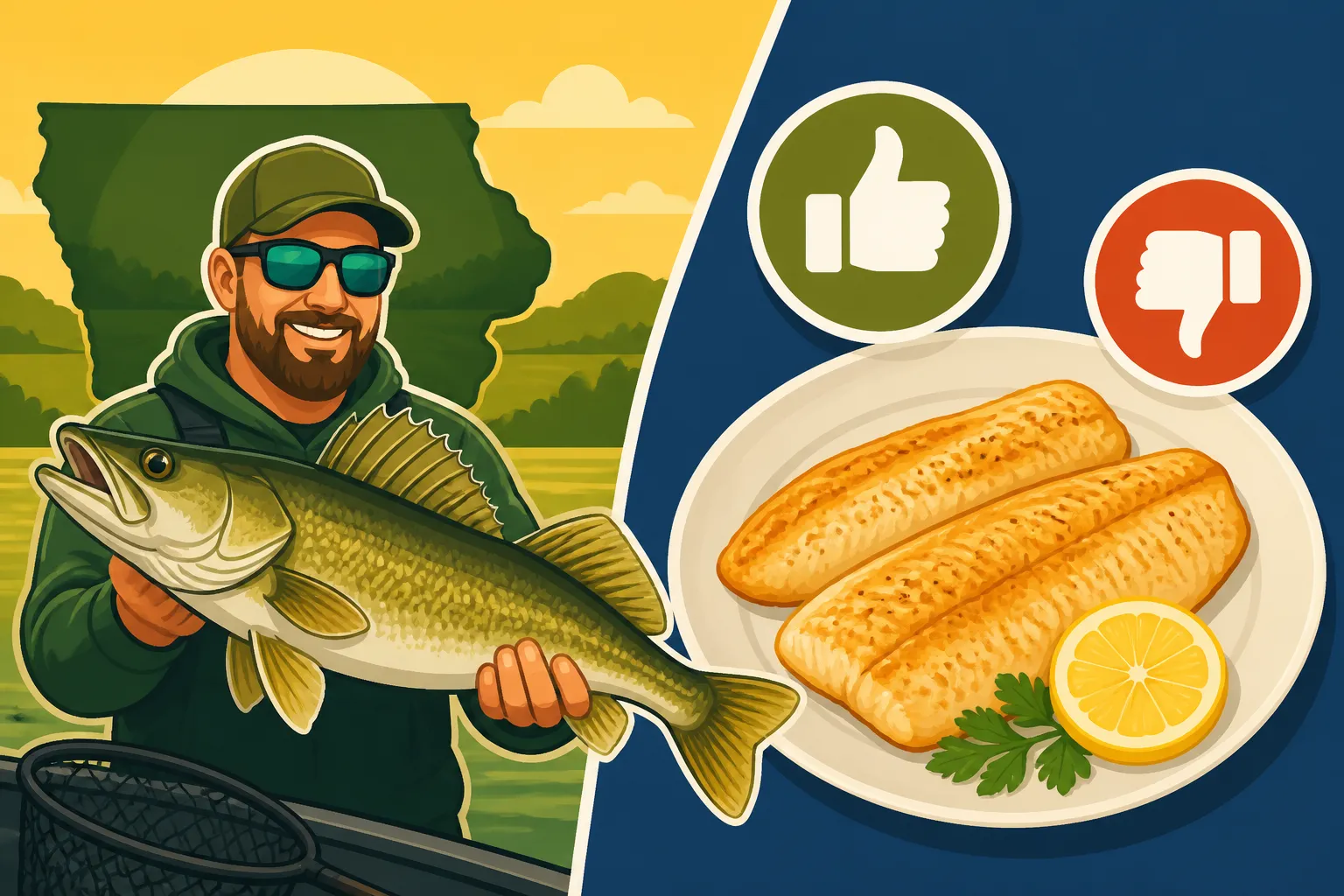
Many anglers, especially those new to fishing in Iowa's abundant waters, often wonder about the table fare potential of their catch. There's a common misconception that all freshwater fish have a "muddy" taste, or that they simply don't compare to saltwater varieties. If you've ever reeled in a beautiful walleye and found yourself asking, "Is this actually good to eat?", you're in the right place. This guide will dive deep into why walleye is not just edible, but celebrated as one of the best-tasting freshwater fish out there, covering its flavor, nutritional value, and how to prepare it for a truly delicious meal.
The Flavor Profile of Iowa Walleye: Why It's a Fan Favorite
When we talk about walleye, we're not just talking about any fish. This is a species that commands respect among anglers and foodies alike. It’s often touted as the king of freshwater table fish, and for good reason! The culinary experience of eating walleye is truly unique, offering a delightful balance that appeals to a wide range of palates.
What Makes Walleye So Delicious?
The primary reason walleye holds such a high place in the hearts of many is its incredibly mild, delicate flavor. Unlike some other freshwater fish that can carry a stronger, sometimes earthy or "fishy" taste, walleye offers a clean, almost sweet undertone. This subtlety is its superpower, allowing it to take on the flavors of your chosen seasonings and cooking methods without being overwhelmed. Imagine biting into a succulent piece of fish that doesn't scream "I just came out of the lake," but rather whispers "pure, fresh goodness." That's the walleye experience. It’s light and approachable, making it a fantastic option even for those who might be hesitant about eating fish. Its diet, consisting largely of smaller fish and insects in the relatively clean waters of Iowa's lakes and rivers, contributes significantly to this superior taste. This is especially true for walleye caught in prime spots that offer excellent feeding grounds and water quality, like those you might find covered in a Walleye Fishing in Iowa guide.
Texture and Consistency: Flaky, Firm, and Versatile
Beyond its exceptional flavor, the texture of walleye meat is another key characteristic that sets it apart. Walleye boasts a firm yet flaky white flesh that holds up beautifully during cooking. It's not mushy or overly soft, but rather presents a satisfying bite that separates easily into large, tender flakes. This ideal consistency means it’s incredibly versatile in the kitchen. Whether you're frying it to a crispy golden brown, baking it with herbs, grilling it over an open flame, or pan-searing it to perfection, the meat maintains its integrity. You won't find it falling apart into an unappetizing mess. This robust texture also means it handles a variety of cooking techniques, from simple preparations to more elaborate culinary creations, making it a chef's delight and an angler's reward. The effort put into learning How to Catch Walleye in Iowa truly pays off when you experience its remarkable texture.
Nutritional Benefits and Health Considerations of Eating Walleye
It's not just about taste and texture; walleye also brings a significant punch when it comes to nutritional value. Eating fish is often recommended for a healthy diet, and walleye definitely ticks a lot of the right boxes without some of the common concerns people have about certain other species.
A Lean Protein Powerhouse
For those looking to add more lean protein to their diet, walleye is an excellent choice. It's packed with high-quality protein, essential for muscle repair, growth, and overall bodily function, while being remarkably low in fat. This makes it a fantastic option for anyone focused on healthy eating, weight management, or just wanting to fuel their body with nutrient-dense foods. A serving of walleye can provide a substantial portion of your daily protein needs without adding excessive calories or saturated fats. This is particularly appealing in today's health-conscious world, where sourcing clean, wholesome ingredients is a priority. After a long day of fishing, knowing you're bringing home not just a tasty meal but a truly nourishing one makes the experience even more rewarding.
Omega-3s and Essential Nutrients
While often associated more with saltwater fish, walleye also contains beneficial omega-3 fatty acids. These "good fats" are crucial for heart health, brain function, and reducing inflammation throughout the body. While not as abundant as in some cold-water marine species, the omega-3 content in walleye still contributes positively to your overall well-being. Furthermore, walleye is a good source of several other important vitamins and minerals. You'll find a good dose of B vitamins, especially B12, which is vital for nerve function and red blood cell production. It also provides minerals like phosphorus and selenium.
When it comes to concerns about contaminants, Iowa's Department of Natural Resources (DNR) regularly monitors fish populations and provides guidance, ensuring that the fish you catch and eat are safe. Adhering to Iowa Fishing Regulations Explained helps maintain healthy fish populations and a safe environment for all.
Preparing Your Iowa Walleye: From Catch to Culinary Delight
Bringing a walleye home is just the beginning of the journey. To truly unlock its potential, proper handling and preparation are key. A little care here goes a long way in ensuring your meal is as incredible as the catch itself.
Cleaning and Filleting for Optimal Taste
The first, and arguably most critical, step to a delicious walleye meal is proper handling immediately after the catch. You want to keep your fish fresh and cool. Many anglers use a cooler with ice right on the boat or shore. Once home, learning to clean and fillet your walleye efficiently will make all the difference. Removing the skin is highly recommended as it's where any lingering "fishy" taste, however minimal, might reside. A clean fillet, free of scales and bones, is the foundation of a great dish.
If you’re new to filleting, there are tons of great tutorials online, and specialized tools can make the process much easier. A good, sharp fillet knife is your best friend here. You can find excellent options, like the Best Fillet Knife for Cleaning Fish, on marketplaces like Amazon, which offers a wide selection from various brands. Investing in quality tools not only speeds up the process but also ensures cleaner cuts, leading to better-tasting fish. Remember, quick processing after the catch is essential for maintaining that prized delicate flavor. Consider keeping your fillets on ice or in the fridge until ready to cook; if you need to store them longer, vacuum sealing is a great option. For tips on preserving your catch, you might find our guide on How to Keep Fish Fresh Without a Livewell helpful.
Popular Cooking Methods That Bring Out the Best
Walleye's mild flavor and firm, flaky texture make it incredibly adaptable to almost any cooking method. Here are some of the most popular ways to prepare it:
- Pan-Frying: This is arguably the most classic and beloved method. A light dredge in seasoned flour, cornmeal, or a simple breading, then fried in a hot pan with a bit of butter or oil until golden brown and crispy. This method truly highlights the walleye's delicate flavor and flaky texture.
- Baking: For a healthier option, baking walleye fillets with a squeeze of lemon, a pat of butter, and a sprinkle of herbs like dill or parsley is fantastic. It results in moist, tender fish with minimal fuss. Wrapping it in foil can also help lock in moisture and flavor.
- Grilling: If you love outdoor cooking, grilling walleye can impart a wonderful smoky flavor. Just be sure to use a fish basket or heavy-duty foil to prevent the delicate fillets from sticking or breaking apart on the grates. Marinate briefly or brush with olive oil and seasonings.
- Deep-Frying: For that classic fish-and-chips experience, deep-frying can create an incredibly crispy exterior while keeping the inside moist. A good beer batter or tempura batter works wonders. Just be mindful of oil temperature for best results.
- Pan-Searing: Similar to pan-frying but often with less breading, pan-searing on high heat creates a beautiful crust while the interior remains perfectly cooked. This method is quick and fantastic for showcasing the fish's natural flavors.
No matter your chosen method, the key is not to overcook it. Walleye cooks relatively quickly, and overcooked fish can become dry and tough. Aim for an internal temperature of around 145°F (63°C), or until the flesh becomes opaque and flakes easily with a fork.
Pairing Walleye with Sides and Seasonings
Because walleye has such a mild flavor, it's a dream to pair with a variety of seasonings and sides. You don't need to overpower it; rather, enhance its natural goodness.
For seasonings, think fresh and bright:
- Classic Lemon-Dill: A squeeze of fresh lemon juice and a sprinkle of fresh dill are a match made in heaven for walleye.
- Garlic Butter: Melted butter infused with minced garlic adds richness without masking the fish.
- Cajun or Old Bay: For a bit of a kick, a light dusting of Cajun seasoning or Old Bay can give it a vibrant flavor.
- Simple Salt and Pepper: Sometimes, less is more. High-quality salt and freshly ground black pepper allow the walleye's inherent taste to shine.
As for side dishes, walleye pairs wonderfully with lighter options that complement its delicate nature:
- Roasted Asparagus or Green Beans: Simple, fresh vegetables.
- Wild Rice Pilaf or Quinoa: Healthy grains that absorb flavors well.
- New Potatoes or Mashed Potatoes: Comforting and classic.
- Coleslaw or a Fresh Garden Salad: Adds a refreshing crunch.
You can experiment with different spice blends available from food suppliers or even find unique seasoning kits on Amazon, expanding your culinary repertoire for your next walleye feast.
Addressing Common Concerns and Misconceptions
Despite its widespread acclaim, some anglers still harbor doubts or misconceptions about eating freshwater fish, including walleye. Let's tackle a couple of these head-on.
The "Muddy" Taste Myth: Location and Handling Matter
The biggest concern for many about freshwater fish is the infamous "muddy" taste. It's true that some freshwater species, especially those from stagnant or warm, muddy waters, can absorb an earthy flavor from their environment and diet. However, this is largely not the case for walleye, especially those caught in the clearer, cooler lakes and rivers of Iowa. Walleye thrive in cleaner, well-oxygenated environments, and their diet typically consists of smaller fish like shiners and minnows, rather than bottom-dwelling invertebrates that can contribute to off-flavors.
Furthermore, proper handling from the moment the fish is caught plays a monumental role. Rapid cooling on ice, quick and clean filleting, and removal of the skin and any dark red meat along the lateral line (which can contain more oils and stronger flavors) virtually eliminate any chance of a "muddy" taste. If you've ever had walleye that tasted anything but clean and delicious, it's almost certainly due to poor handling or being caught from a less-than-ideal water body, not an inherent flaw of the species itself. Many anglers say that the taste difference between a well-handled walleye and a poorly-handled one is like night and day.
Responsible Harvesting and Sustainability
Another aspect that might cross an angler's mind is the sustainability of fishing. The good news is that in Iowa, walleye populations are actively managed by the DNR through carefully set Walleye Season and Size Limits and daily bag limits. These regulations are in place to ensure healthy, thriving fish populations for generations to come. By adhering to these rules, anglers contribute to the conservation efforts that make it possible to enjoy walleye fishing and eating year after year.
Catching and keeping walleye within these limits is a responsible and sustainable way to enjoy this delicious resource. It’s part of a larger ecosystem, and the regulations are designed to keep that balance intact. So, when you're enjoying a plate of Iowa walleye, you can do so knowing that the fish was likely harvested in a way that respects the natural world. This commitment to conservation is part of what makes Iowa fishing so special, from the Best Fishing Spots in Iowa to the smallest local pond.
Here's a quick comparison of popular walleye cooking methods:
| Cooking Method | Flavor Profile | Texture | Best For | Prep Time | Cleanup Effort |
|---|---|---|---|---|---|
| Pan-Frying | Crispy, buttery | Flaky, tender | Classic taste, quick meal, simple breading | Low | Medium |
| Baking | Mild, moist | Very flaky, delicate | Healthy option, easy with herbs & lemon | Medium | Low |
| Grilling | Smoky, firm | Moist, slightly chewy | Outdoor cooking, marinated fillets | Medium | Medium |
| Deep-Frying | Rich, crispy batter | Moist, tender | Fish and chips style, hearty meal | Medium | High |
| Pan-Searing | Lightly crusted, fresh | Flaky, firm exterior | Quick, elegant, minimal oil, strong flavors | Low | Low |
Remember, the quality of your catch, how you handle it, and how you prepare it all contribute to the final taste. With walleye, you're starting with an already excellent foundation, making it difficult to go wrong. Consider exploring resources like the Iowa Fishing Gear Guide on platforms like Amazon for essential equipment to help you land and process your catch, including items like coolers, scales, and Best Lures for a Starter Tackle Box. Identifying your catch accurately, using resources like the Iowa Fish Species Guide or learning How to Tell a Walleye From a Sauger, also ensures you’re making the most of your fishing efforts.
Disclaimer
This article is for general informational purposes only and does not constitute professional advice. Laws, prices and regulations vary by location and change over time. Consult a qualified professional for guidance on your specific situation.