Where to Ice Fish for Walleye in Iowa
Trying to figure out where the walleye are hiding under Iowa's winter ice can feel like solving a frosty riddle, leaving many anglers frustrated and drilling countless unproductive holes. It's a common challenge to translate summer and fall fishing knowledge to the unique demands of ice fishing, especially when you're specifically targeting the elusive walleye. This comprehensive guide is designed to cut through that guesswork, detailing the prime locations, essential gear, and proven techniques you'll need to consistently find and catch walleye through the ice across Iowa.
Unlocking Iowa's Walleye Ice Fishing Potential
Winter in Iowa brings a serene, often stark beauty, but beneath the frozen surfaces of our lakes and rivers, a thrilling angling opportunity awaits: ice fishing for walleye. Many anglers pack away their gear once the boat ramps freeze, but the dedicated few know that some of the year's most rewarding walleye catches happen when the thermometer dips low and the ice thickens.
The Thrill of Winter Walleye: Why They're Worth the Chase
There's something uniquely satisfying about hauling a plump walleye through a hole in the ice. Unlike their often finicky summer counterparts, winter walleye can be quite aggressive once you pinpoint their location and present the right offering. They're often grouped up in predictable areas, making it possible to have incredible action once you find a school. Plus, a fresh walleye fillet from cold, clear Iowa waters is a culinary treat that's hard to beat. The silence of a winter morning on the ice, broken only by the whir of an auger or the sharp snap of a flag, offers a profound peace, making the pursuit of walleye an experience for both the mind and the palate. For many, it's not just about the fish; it's about embracing the season and the quiet solitude that comes with it.
Reading the Ice: Key Factors for Finding Walleye Habitat
Successful ice fishing for walleye isn't just about drilling random holes; it's about understanding their winter behavior. Walleye are cold-blooded, and their metabolism slows down in frigid water, making them less inclined to chase bait over long distances. This means they tend to concentrate in specific areas where food is readily available and cover or structure offers refuge.
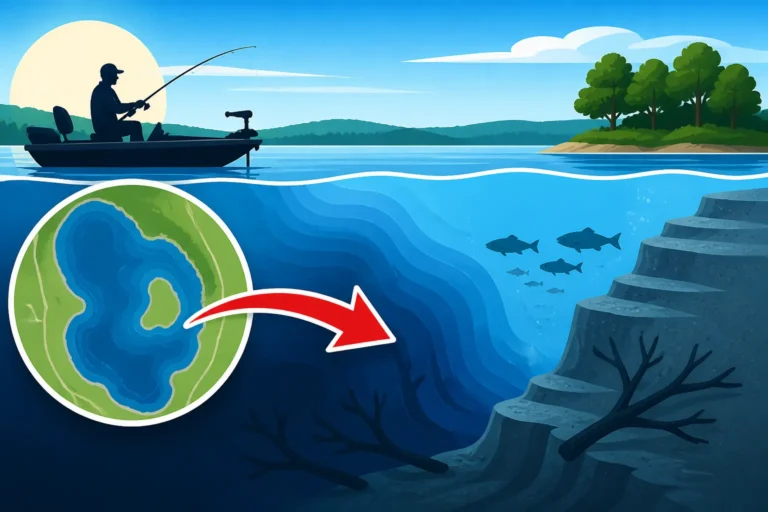
First and foremost, look for transition zones. Walleye often hold along edges where shallow water drops off into deeper basins, or where soft bottom meets hard bottom. Points, submerged humps, rock piles, and weed lines (especially green weeds that still produce oxygen) are classic walleye haunts. On larger lakes, these structural elements can be subtle, sometimes just a slight depth change of a few feet, but to a walleye, it's prime real estate. Think about where baitfish would congregate and where a predatory walleye could ambush them.
Secondly, consider forage availability. Walleye go where the food is. If you're seeing schools of baitfish on your fish finder, walleye are likely nearby, waiting for an easy meal. This is especially true during low-light periods like dawn and dusk, when walleye are most active feeders. Understanding the Walleye Season and Size Limits is also crucial, as their activity patterns can be influenced by pre-spawn or post-spawn movements, even under the ice. While many assume ice fishing means hunkering down, being mobile and willing to drill several holes to "find the fish" is often the key to success.
Premier Ice Fishing Locations for Iowa Walleye
Iowa might not be famous for its ice fishing compared to some northern states, but we have some truly fantastic opportunities to catch walleye when the lakes freeze over. Knowing where to start your search is half the battle, and some spots consistently outperform others. Remember to always check current ice conditions and local regulations before heading out.
The Iconic Iowa Great Lakes: Spirit Lake and West Okoboji
The Iowa Great Lakes region, particularly Spirit Lake and West Okoboji, are absolute jewels for winter walleye anglers. These natural lakes are renowned for their healthy walleye populations, and when they freeze over, they become bustling ice fishing hubs.
Spirit Lake is often shallower than Okoboji but offers excellent walleye fishing, especially in areas with sand and rock structure. Look for walleye around the reefs, humps, and points, particularly during first ice and late ice. Popular spots include the Angler's Bay area, the area near the North Grade, and the deeper edges of the smaller bays. Walleye in Spirit Lake are often found in 15-25 feet of water, but don't hesitate to explore shallower flats during prime low-light hours. Jigging spoons like the Northland Forage Minnow or Rapala Jigging Rap in perch or shad patterns can be very effective, often tipped with a minnow head. If you're looking to learn the ropes or want to maximize your chances, booking a guided trip through platforms like FishingBooker can give you an invaluable head start on learning these specific walleye haunts and local techniques. They can connect you with experienced guides who know the subtle nuances of these complex lakes.
West Okoboji Lake, with its deeper, clearer waters, presents a different challenge but also promises the potential for truly trophy-sized walleye. Often called the "queen of Iowa lakes," West Okoboji boasts incredible structure. Walleye here will often relate to the deep main lake points, the edges of Miller's Bay, Emerson Bay, and in and around the extensive rock reefs. Depths can vary dramatically, from 20 feet near structure up to 40-50 feet in the main basin. Many anglers successfully target walleye near the numerous weed edges that exist even under the ice. Pay close attention to your electronics here; seeing baitfish is often a strong indicator of walleye presence. Live minnows fished on a plain hook under a bobber or deadsticking with a shiner on a weighted hook can be deadly, especially during slower periods. For more detailed information on fishing these waters, check out our guide on Fishing the Iowa Great Lakes.
Clear Lake's Walleye Hotspots
Moving east, Clear Lake stands out as another fantastic walleye ice fishing destination. This lake, located in north-central Iowa, is a consistent producer of good numbers of walleye, and it's generally more accessible for many anglers due to its central location.
Clear Lake's walleye tend to congregate around the deeper holes, the prominent rock reef known as "the Little Wall," and the edges of the main basin. Depths of 15-25 feet are often key, especially near any submerged structure or break lines. The north shore weed line can also hold fish, particularly early and late in the ice season. Anglers often find success using jigging spoons, like VMC Tungsten Mongo or Custom Jigs & Spins Slender Spoon, aggressive jigging during active bites, and then slowing down with a deadstick presentation if the fish become hesitant. Many also employ tip-ups with lively minnows set at various depths around their jigging holes to cover more water. Clear Lake offers ample public access, and when the ice is safe, you'll see plenty of shanties clustered in productive areas. Before you head out, make sure you understand the Iowa Daily Bag Limits Guide and specific regulations for walleye on Clear Lake, as they can sometimes have special provisions. For even more specific tips, consult our Clear Lake Walleye Fishing guide.
Navigating the Mississippi River's Frozen Backwaters
While lakes are often the first thought for ice fishing, the backwaters of the Mississippi River in eastern Iowa offer a unique and often overlooked opportunity for walleye. The river's dynamics mean these areas can freeze and thaw more unpredictably than lakes, so extreme caution regarding ice safety is always paramount.
When conditions are safe, the vast backwater areas of the Mississippi River, particularly in pools like Pool 9 near Lansing, Pool 10 near Guttenberg, and Pool 12 around Dubuque, can be excellent. Walleye will seek out calmer, oxygenated water in these backwaters, often congregating in deeper holes, channels, and sloughs that connect to the main river channel but are protected from the main current. Look for areas with access to deeper water (15-30 feet) adjacent to shallower flats, or around any submerged timber and brush piles. Jigging with a heavier spoon or a vertical jig that can get down quickly through the current, if any, is effective. Often, a combination of jigging and deadsticking with a large shiner or sucker minnow proves successful. The challenge on the Mississippi is finding consistent, safe ice and navigating the shifting nature of river systems. However, the reward can be substantial, with many anglers reporting excellent catches of walleye and even sauger. If you're considering this unique experience, our article on Winter Walleye Fishing Near Dubuque might offer some targeted advice. You can also explore options on FishingBooker for experienced guides who specialize in river system ice fishing, as their local knowledge is invaluable for tackling the Mississippi safely and effectively.
Table: Top Iowa Walleye Ice Fishing Destinations
Here's a quick overview of some of the best places to target walleye through the ice in Iowa:
| Lake Name | General Location | Primary Target Depths | Key Structural Features | Best Time of Season | Notes |
|---|---|---|---|---|---|
| Spirit Lake | Northwest Iowa | 15-25 feet | Reefs, sand flats, points, deep edges of bays | First/Late Ice | Excellent numbers, often good action. Perch & shad patterns. |
| West Okoboji Lake | Northwest Iowa | 20-50 feet | Deep main lake points, rock reefs, weed lines, humps | Mid-Winter | Trophy potential, clearer water, subtle presentations. |
| Clear Lake | North-Central Iowa | 15-25 feet | Main basin edges, "the Little Wall" reef, weed lines | All Season | Consistent producer, accessible. Jigging spoons & deadsticks. |
| Mississippi River Backwaters | Eastern Iowa (Pools 9, 10, 12) | 15-30 feet | Deeper sloughs, protected channels, submerged timber | Varies | Unique challenge, excellent potential. Exercise extreme caution. |
Essential Gear and Successful Strategies for Ice Walleye
Ice fishing for walleye isn't just about showing up with a bucket and a rod. To be truly successful and, more importantly, safe, you need the right tools and a solid understanding of effective techniques. Don't let a lack of preparation cut your trip short or, worse, put you in a dangerous situation.
The Right Tools: From Safety Gear to Fish Finders
When heading out onto the ice, safety gear should always be your top priority. Ice cleats are a must to prevent slips and falls, and a quality ice picks set worn around your neck can be a lifesaver if you ever break through. Always carry a spud bar or an auger to check ice thickness as you go, and never venture out alone without telling someone where you're going and when you expect to return. For an in-depth look at staying safe, refer to our Ice Fishing Safety on Iowa Lakes guide. You'll also want to understand the Best Ice Thickness for Safe Ice Fishing before setting foot on any frozen water.
Beyond safety, a reliable auger is non-negotiable for quickly cutting holes. Whether it's a hand auger for early season and thinner ice, a powerful gas-powered model, or a quiet electric auger, it needs to be sharp and efficient. A comfortable, insulated ice shelter (portable or permanent) can make a world of difference on windy or bitterly cold days, transforming a challenging outing into an enjoyable one.
For actual fishing, specialized ice fishing rods and reels are crucial. These are typically shorter, more sensitive rods designed for detecting subtle bites in cold conditions. Pair them with small, smooth spinning reels spooled with quality fluorocarbon or monofilament line, typically 4-8 pound test for walleye.
Finally, a fish finder (flasher or LCD unit) is arguably the most valuable piece of equipment for serious ice anglers. These devices allow you to see the depth, bottom structure, baitfish, and most importantly, the walleye themselves, in real-time beneath your hole. They also let you see your lure, helping you understand how fish are reacting to your presentation. For beginners, understanding Ice Fishing Gear Basics for Beginners is an excellent starting point.
Mastering the Art of the Bite: Lures, Baits, and Techniques
Walleye ice fishing often involves a combination of active jigging and passive presentations. The goal is to entice these often lethargic predators to strike.
Jigging is a primary technique. Vertical jigging spoons, like the Rapala Jigging Rap, Northland Forage Minnow, or Swedish Pimple, are highly effective. These lures mimic dying baitfish and can be worked with sharp upward snaps followed by a controlled fall, often "thumping" the bottom to attract attention. The key is to experiment with your retrieve – sometimes aggressive jigs work, other times a subtle quiver is all it takes. Tipping your jigging spoon with a minnow head or a piece of plastic like a Berkley Gulp! Minnow often increases strikes. For a deep dive into this technique, check out How to Jig for Walleye Through the Ice.
Tip-ups are another essential tool, especially for covering a wider area. These devices allow you to present a live minnow (shiner, fathead, or sucker minnow are popular choices) at a set depth. When a fish takes the bait, a flag springs up, signaling a bite. It's often effective to set up a few tip-ups at varying depths and locations around your jigging hole, allowing you to ascertain the walleye's preferred depth and feeding pattern on a given day. Keep your minnows lively; healthy bait is critical.
Deadsticking involves simply leaving a second rod (your "deadstick") rigged with a live minnow or a small jigging spoon tipped with bait, completely still in a rod holder near your primary jigging hole. Many times, a walleye that might ignore an active jig will pick up a stationary, easy meal. This technique is especially effective during slow bites or when fish are pressured.
Always pay attention to time of day. Walleye, especially through the ice, often have peak feeding windows around dawn and dusk. Low light conditions give them an advantage over their prey. But don't discount midday; sometimes a subtle change in weather or baitfish movement can trigger an unexpected bite. Always ensure you have your Iowa Fishing License Guide and know the Iowa Fishing Regulations Explained before heading out, as specific rules can vary by water body.
Navigating Regulations and Practicing Responsible Angling
Before you even think about drilling a hole, it's absolutely vital to understand the rules and behave responsibly on the ice. Not only does this keep you safe and legal, but it also helps preserve Iowa's precious fishing resources for future generations.
Staying Legal: Understanding Iowa's Walleye Ice Fishing Rules
The Iowa Department of Natural Resources (DNR) sets specific regulations to manage fish populations, and these rules are updated annually. Ignoring them can lead to hefty fines and loss of fishing privileges.
First and foremost, you need a valid Iowa Fishing License Guide. Whether you're an Iowa resident or an out-of-state angler, a license is mandatory for anyone 16 years of age or older. There are various options, including annual resident licenses, nonresident annual licenses, and shorter-term licenses like the Iowa One-Day Fishing License or the Iowa Three-Day Nonresident Fishing License.
Beyond the license itself, you must be aware of specific daily bag and possession limits for walleye. These limits can vary from lake to lake, or even within different sections of the same water body (like the Mississippi River). For example, a common statewide limit for walleye might be 5 fish per day, with a certain minimum length limit (e.g., 15 inches). However, some specific lakes like Spirit Lake or West Okoboji, or certain segments of the Mississippi, may have slot limits or different total possession limits to protect larger spawning fish or to manage populations. Always consult the current Iowa Fishing Regulations booklet or the DNR website before you head out. Our comprehensive Iowa Fishing Regulations Explained resource is also a great place to start, along with the Iowa Fishing Daily Bag Limits Guide which details specific species limits. Understanding these rules protects both you and the fish.
Respecting the Resource: Ice Safety and Conservation
Ice fishing demands a heightened sense of awareness regarding safety. No fish is worth risking your life. As mentioned earlier, always check ice thickness with a spud bar or auger as you move. A general rule of thumb is 4 inches of clear, solid ice for individual foot travel, 5-7 inches for a snowmobile or ATV, and 8-12 inches for a small car or light pickup. However, these are just guidelines; ice conditions can change rapidly due to currents, springs, underwater structure, and fluctuating air temperatures. Always be skeptical, especially around inlets, outlets, bridges, or areas with current.
Beyond personal safety, practicing responsible angling ensures the health of our fisheries.
- Catch and Release: If you catch more fish than you plan to eat, or a fish that doesn't meet the legal length limit, handle it gently and release it quickly. Keep your hands wet to protect the fish's slime coat.
- Leave No Trace: Pack out everything you pack in, including bait containers, discarded line, and any trash. Leave your fishing spot cleaner than you found it. This respects both the environment and fellow anglers.
- Know Your Limits: Don't exceed the legal daily bag or possession limits. These rules are in place to sustain fish populations, not to hinder your fun. Taking too many fish impacts the ecosystem and future fishing opportunities.
- Respect Others: Ice fishing can draw crowds. Be courteous to other anglers, give them space, and avoid drilling holes too close to someone else's setup without asking.
By combining preparedness, knowledge of the best spots and techniques, and a commitment to safety and conservation, your Iowa ice fishing adventures for walleye can be both productive and deeply fulfilling.
Disclaimer
The information provided in this guide is for general informational purposes only and does not constitute legal advice. Fishing regulations, ice conditions, and local rules can change frequently. Always consult the latest official Iowa Department of Natural Resources (DNR) regulations and local advisories before engaging in any fishing activities. Ice fishing can be dangerous; always prioritize safety and never venture onto unsafe ice.