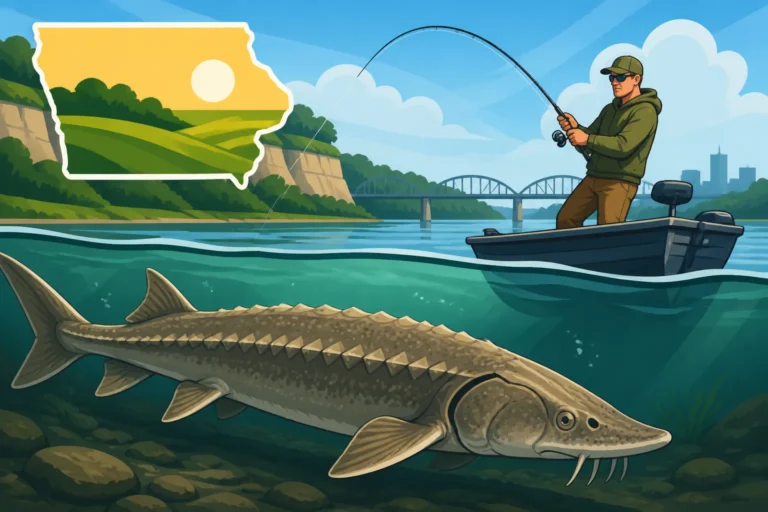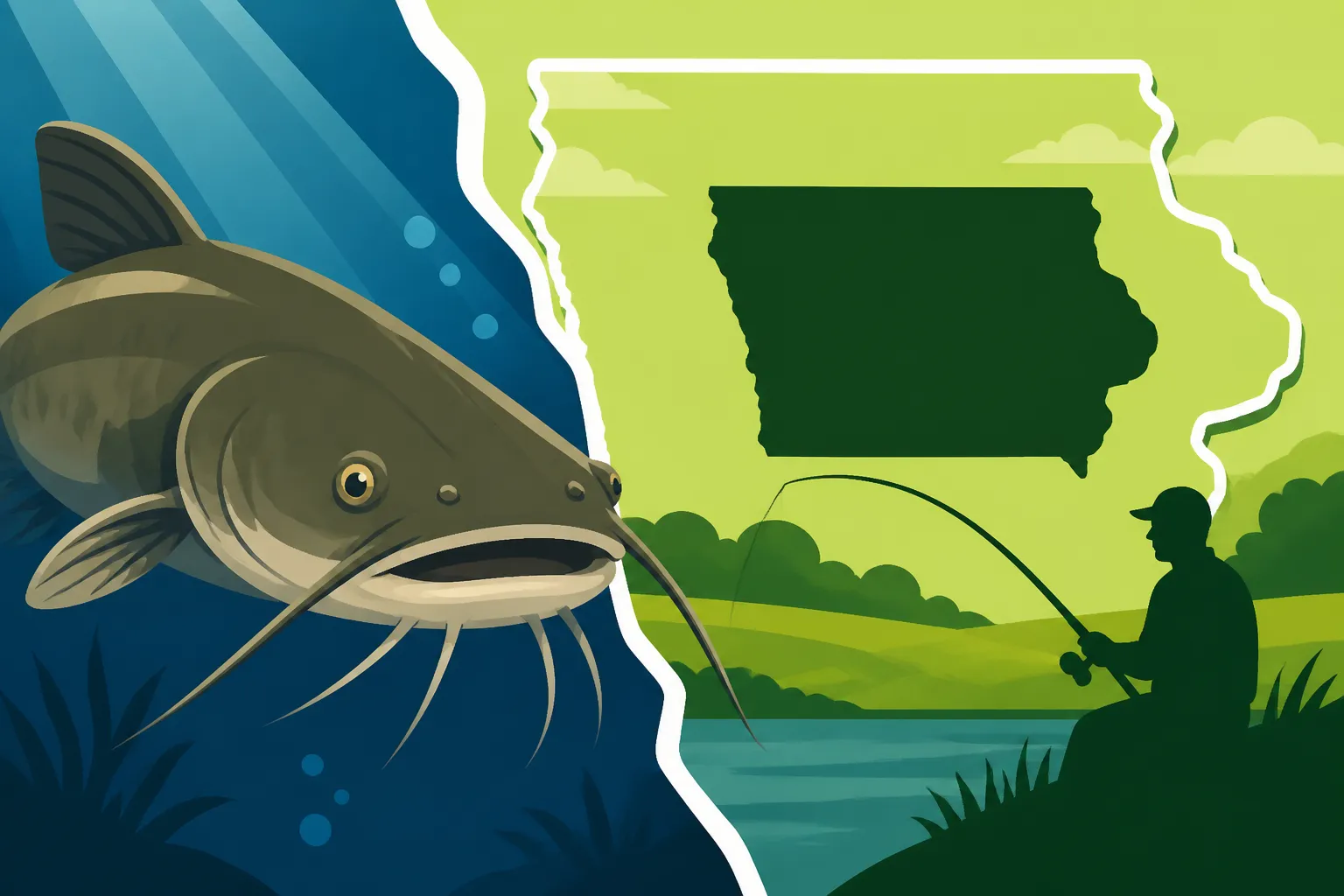
Are Flathead Catfish Native to Iowa?
Ever been out on an Iowa river, felt a powerful tug on your line, and landed a massive catfish, only to wonder, "Is this magnificent creature truly native to these waters?" Many anglers share this curiosity, sometimes even a slight confusion, about the origins of our Flathead Catfish population. This comprehensive guide aims to clear up any mystery, confirming the indigenous status of these formidable fish in Iowa and delving into the specifics of their natural habitat and behavior here.
The Flathead's Iowa Roots: A Native Legacy
It's a common question, and one worth exploring deeply: are Flathead Catfish truly native to Iowa? The answer, unequivocally, is yes! These powerful predators have been an integral part of Iowa's aquatic ecosystems for millennia, long before European settlers ever laid eyes on the vast river systems that define our state. They haven't been introduced or stocked in the same way some other game fish have; they've always been here, adapting and thriving.
Historical Presence in Iowa Waters
Imagine Iowa centuries ago, with pristine rivers flowing freely, teeming with life. The Flathead Catfish was there, a silent, formidable hunter patrolling the deeper, cover-rich sections of these waterways. Their lineage traces back through the North American continent's vast river networks, particularly the Mississippi River basin, which directly connects to many of Iowa's major rivers. Early explorers and indigenous peoples certainly encountered these giants, relying on them as a valuable food source. Their presence is deeply woven into the natural history of the region.
Unlike some fish species that might have been brought in from other states or even other continents to boost sport fishing, the Flathead Catfish naturally colonized and established robust populations throughout Iowa's suitable riverine environments. Their spread wasn't a matter of human intervention; it was a testament to their adaptability and the richness of the habitats Iowa provided. This long-standing presence underscores their critical role in maintaining the natural balance of our river systems. Understanding this historical context helps us appreciate them not just as a prize catch, but as a genuine piece of Iowa's wild heritage.
How They Arrived and Thrived
Flathead Catfish, like many native river species, expanded their range across North America primarily through interconnected river systems. The Mississippi River acts as a grand highway for fish, allowing species to migrate and populate tributaries that flow into it. Iowa's major rivers, such as the Des Moines, Cedar, Iowa, and the mighty Missouri River on our western border, all either feed into or are part of this extensive network. This natural connectivity allowed Flatheads to disperse and establish themselves wherever conditions were favorable.
Their ability to thrive in these new areas wasn't by accident. Flatheads are incredibly resilient and possess specific characteristics that made them perfectly suited for Iowa's river environments. They are ambush predators, perfectly designed to hide amongst submerged timber and rocky structures, patiently waiting for prey. Our rivers, with their diverse bottom structures, varying current speeds, and abundant forage fish, offered an ideal landscape for these opportunistic hunters to flourish. It’s this natural fit that explains why they didn't just visit, but established permanent, thriving populations across the state.
Understanding Flathead Catfish Habitat in Iowa
If you want to find Flathead Catfish in Iowa, you need to understand where they like to hang out. These aren't your typical panfish schooling in open water; Flatheads are creatures of structure and current. Knowing their preferred habitat is key to successfully targeting these impressive fish. It's not just about throwing a line in; it's about reading the water and identifying those prime ambush points.
Preferred River Systems and Structures
Flathead Catfish have a strong preference for riverine environments. While you might occasionally find them in large impoundments with riverine characteristics, their true home is in the flowing waters of Iowa's major rivers. Think of the larger systems like the Mississippi River, the Missouri River, the Des Moines River, the Cedar River, and the Iowa River. These waterways provide the necessary depth, current, and structure that Flatheads demand. They are rarely found in small streams, clear lakes, or farm ponds, which tend to be the domain of their more omnivorous cousins, the Channel Catfish.
Within these major rivers, Flatheads aren't just anywhere. They're masters of ambush, which means they seek out specific structural elements. Look for deep holes, especially those created by current washing around fallen trees, rock piles, or bridge pilings. They love areas where a strong current suddenly gives way to a slack water eddy, allowing them to rest while still having easy access to passing prey. These features provide concealment from the current and offer a perfect vantage point for surprising unsuspecting fish. Understanding these preferences is vital for any angler serious about Catfish Gear Guide for Iowa Rivers.
The Importance of Woody Debris and Undercut Banks
When you're trying to locate Flathead Catfish, particularly the larger ones, you absolutely must focus on areas with significant woody debris. This means fallen trees, logjams, and extensive brush piles submerged in the river. These aren't just random spots; they are critical elements of Flathead habitat. The tangled branches and trunks create dark, cavernous hiding spots where these nocturnal predators can retreat during the day, feeling secure from disturbances. They also provide perfect ambush points as smaller fish are drawn to the cover for their own safety.
Similarly, undercut banks, often found along the outside bends of rivers where the current has eroded the bank beneath the surface, are prime Flathead territory. These underwater ledges offer overhead cover, deep water, and a break from the main current, making them ideal daytime resting spots and nocturnal hunting grounds. A strong current sweeping past an undercut bank or a submerged log can be a conveyor belt for baitfish, bringing dinner right to the Flathead's doorstep. If you're scanning the river with your electronics or just looking for visual cues, always prioritize these "messy" areas; they're Flathead magnets. To really learn how to locate these spots, studying guides like How to Find Deep Holes for Catfish can be incredibly insightful.
The Flathead's Ecological Role and Impact
Understanding the Flathead Catfish isn't just about their native status or where they live; it's also about appreciating their vital role within Iowa's aquatic ecosystems. These fish aren't just another species; they are significant players, shaping the balance of life in our rivers in unique and powerful ways. Their presence is a sign of a healthy, robust river system, and their absence would be profoundly felt.
Top Predator in Riverine Ecosystems
In many of Iowa's river systems, the Flathead Catfish stands as one of the apex predators, particularly among bottom-dwelling fish. Unlike Channel Catfish, which are largely omnivorous scavengers, Flatheads are voracious piscivores, meaning their diet consists almost exclusively of live fish. They are true hunters, preferring to ambush their prey rather than scavenging. This dietary preference means they play a crucial role in controlling populations of other fish species, including common carp, buffalo, and even smaller game fish like bluegill and sunfish, as well as rough fish.
By preying on a variety of fish, Flatheads help to maintain a healthy ecosystem balance. They prevent overpopulation of certain species and remove weaker or diseased individuals, which contributes to the overall health and vigor of the fish community. This top-down control is essential for preventing ecological imbalances that could otherwise lead to unhealthy fish populations or even changes in the river's entire food web structure. Their presence is a natural indicator of a functioning and diverse aquatic environment.
Interaction with Other Iowa Fish Species
The Flathead Catfish's predatory nature means it interacts significantly with many other fish species in Iowa's rivers. They are not direct competitors for food with species like Channel Catfish in the same way, due to their distinct dietary preferences. While a Channel Catfish might be rooting around for insects, crustaceans, or dead bait, a Flathead is patiently waiting for a live bluegill or a small carp to swim by. This specialization helps reduce direct competition among different catfish species, allowing them to coexist and utilize different niches within the same river system. You can learn more about these differences in Channel Catfish vs Flathead Catfish Differences.
However, their role as a predator means they exert pressure on populations of various forage fish. This dynamic helps to keep these prey fish populations robust and healthy by removing less fit individuals. Larger Flatheads are formidable, and very few other fish species will prey on an adult Flathead Catfish, cementing their position at the top of the river's food chain. Their interactions highlight the intricate web of life beneath the surface, where each species plays a specific and important part in the river's ongoing health.
Catching Iowa's Native Flatheads: Tips for Anglers
Now that we know Flatheads are indeed native and where they like to live, let's talk about the fun part: catching them! These fish are legendary for their incredible fighting power and impressive size. Landing a big Flathead is a memory etched in an angler's mind forever, but it requires specific strategies and a whole lot of patience. If you're serious about targeting these native monsters, there are a few things you'll want to keep in mind.
Best Baits and Techniques
Flathead Catfish are unique among catfish species because they overwhelmingly prefer live bait. While a Channel Catfish might readily take chicken liver or stink bait, a Flathead is a true predator that wants a struggling meal. The best baits are usually live sunfish (like bluegill or green sunfish), suckers, small carp, or even larger minnows. The key is to use fresh, lively bait that can attract attention and entice a strike. Ensure your bait is legal to use in Iowa waters; always check current regulations before you head out. These baits can often be purchased from local bait shops or caught yourself. If you're looking for sturdy hooks and lines to handle these lively baits, platforms like Amazon offer a wide selection of robust tackle suitable for serious catfishing.
Technique-wise, Flathead fishing is often a waiting game. You'll want to rig your live bait on a heavy-duty hook with a strong leader and enough weight to keep it near the bottom in the current, especially in those deep holes and around woody cover. A slip-sinker rig is a popular choice, allowing the fish to take the bait without feeling immediate resistance. Fishing at night is often the most productive, as Flatheads are primarily nocturnal hunters. They move out of their daytime cover to actively forage under the cloak of darkness. You'll need reliable gear, perhaps even a durable headlamp purchased from Amazon, to effectively manage your lines and navigate in low light. For more specific insights on their preferences, reading about Flathead Catfish Habitat and Behavior can be really beneficial.
Respecting the Resource: Catch and Release vs. Harvest
Catching a trophy Flathead Catfish is an exhilarating experience, but with that excitement comes a responsibility to the resource. These fish can live for a long time—often several decades, with some specimens reaching truly impressive ages as detailed in articles like How Long Catfish Live. This slow growth means that larger Flatheads are invaluable breeders, contributing significantly to future generations. For this reason, many dedicated Flathead anglers practice catch-and-release, especially for the largest specimens. Releasing a big Flathead ensures it can continue to spawn and pass on its strong genes, maintaining healthy populations for years to come.
However, smaller Flatheads can make for excellent table fare, offering firm, white meat with a mild flavor. If you choose to harvest a Flathead, adhere strictly to all Iowa fishing regulations regarding size and bag limits. Only take what you can reasonably use and always handle the fish carefully, whether you plan to release it or keep it. Using appropriate landing gear, like a large, sturdy landing net (you can find many suitable options on Amazon), will help minimize stress on the fish. By making informed decisions about catch and release or responsible harvest, we can all contribute to the sustainability of Iowa's incredible Flathead Catfish fishery.
Here's a quick comparison of Iowa's two most popular catfish species:
| Feature | Flathead Catfish | Channel Catfish |
|---|---|---|
| Head Shape | Flat, broad head | More rounded, conical head |
| Body Color | Mottled brown, olive, or yellow; darker on top | Olive to light brown; often spotted (younger fish) |
| Tail Shape | Square or slightly rounded | Deeply forked tail |
| Lower Jaw | Protrudes beyond upper jaw | Upper jaw protrudes slightly beyond lower jaw |
| Diet Preference | Almost exclusively live fish (piscivore) | Omnivorous; eats insects, crustaceans, dead bait, small fish |
| Preferred Habitat | Deep holes, heavy woody cover, undercut banks in rivers | Varied; rivers, lakes, ponds, less cover-dependent |
| Size Potential | Can grow very large (30+ lbs common, 100+ lbs possible) | Moderate (up to 10-20 lbs, rarely larger) |
| Activity | Primarily nocturnal, solitary | Active day and night, often schools |
Disclaimer
This article is for general informational purposes only and does not constitute professional advice. Laws, prices and regulations vary by location and change over time. Consult a qualified professional for guidance on your specific situation.