State Record Fish Caught in Iowa
Every angler dreams of landing that one fish – the monster that pushes the limits, the kind of catch that gets talked about for years. In Iowa, chasing after a state record fish is more than just a personal goal; it's a testament to dedication, skill, and a deep understanding of our incredible waterways. This guide will walk you through what it means to catch a state record, the species that typically hold these impressive titles, and how you can prepare to pursue your own piece of Iowa angling history.
What Makes a Record Fish? Defining the Apex of Angling Achievement
When we talk about state record fish in Iowa, we're not just talking about any big catch. These are fish that have been officially recognized as the largest of their species ever caught in the state, under very specific rules. It's about more than just a lucky cast; it's about a combination of the right place, the right time, and often, years of angling experience culminating in one monumental moment. The Iowa Department of Natural Resources (DNR) takes the responsibility of maintaining these records seriously, ensuring fairness and accuracy for every potential record holder.
Understanding Record Categories: Weight and Length
Most state records are judged by weight, representing the sheer size and bulk of a fish. Imagine reeling in a walleye so heavy it feels like a log, or a flathead catfish that pulls like a tractor. These are the fish that break the scales. However, for some species, especially those where catch-and-release is encouraged or where slight weight variations might occur from handling, length records can also be significant, or even primary. It ensures that the largest specimen, regardless of recent feeding or minor dehydration, is still acknowledged. This dual approach helps capture the true essence of a trophy fish, whether it's the heaviest brute or the longest specimen.
Every ounce or inch can make the difference, transforming a personal best into a state-renowned achievement. Anglers pursuing these giants often carry portable, certified scales or specific measuring boards, knowing that accurate measurements are paramount the moment a potential record hits the boat or bank. The precision required adds another layer of challenge and excitement to the pursuit.
A Glimpse into Iowa's Angling History: Evolving Records
Iowa's fishing landscape is constantly evolving, and so too are its record books. What was once considered an enormous fish decades ago might still be impressive today, but fishing techniques, gear, and even the health of our fisheries can influence what defines a "record." Early records often reflected simpler times, perhaps using rudimentary gear or targeting specific, accessible waters. Over time, as our understanding of fish behavior grew, and technology provided more advanced tools, anglers could target bigger, wiser fish in deeper, more remote areas.
This evolution means that breaking a record isn't just about catching a bigger fish; it's often about pushing the boundaries of what's possible within our ecosystems. It speaks to the ongoing health of our waterways and the dedication of anglers who constantly strive to improve their craft. Each new record adds another chapter to Iowa's rich fishing heritage, inspiring others to pick up a rod and experience the thrill for themselves.
Notable State Record Fish Species: Iowa's Giants and Gems
Iowa boasts an impressive array of fish species, and many of them have truly colossal specimens that have found their way into the record books. While some species are more commonly associated with record-breaking sizes, nearly every fish that swims in our lakes and rivers has an apex individual that stands above the rest. It's a testament to the diversity of our aquatic environments and the potential for incredible catches right here in the Hawkeye State.
Giants of the Lakes: Walleye, Muskie, and Largemouth Bass
When you think of trophy fish in Iowa's larger lakes and reservoirs, certain species immediately come to mind. Walleye, with their coveted fillets and elusive nature, have produced some truly massive catches. Anglers will travel far and wide, spending countless hours jigging, trolling, and casting to tempt one of these giants. The thrill of hooking into a walleye that feels like it could pull your arm off is an unforgettable experience. Knowing the How Big Walleye Get in Iowa can really set your expectations for what a true lunker looks like.
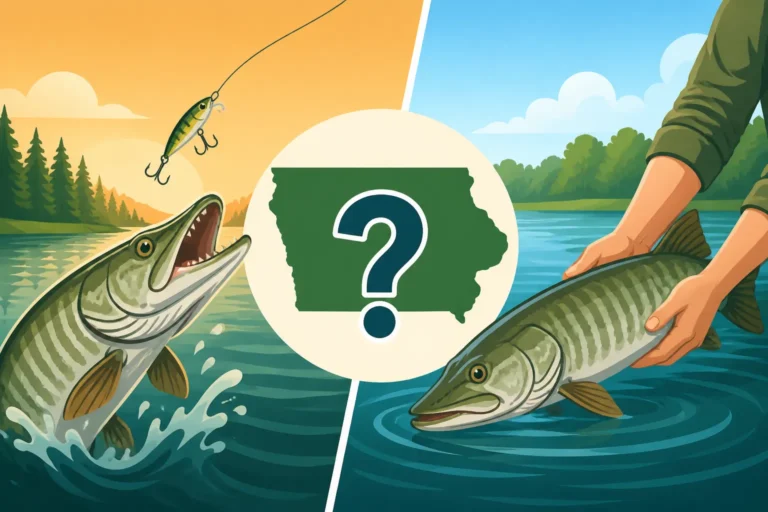
Muskellunge, often called the "fish of 10,000 casts," are the undisputed freshwater titans. These predatory monsters grow to incredible lengths and girths, making them one of the most challenging and rewarding catches in Iowa. Landing a state record muskie requires not just skill, but immense patience and specialized heavy-duty gear. Many a seasoned angler has recounted epic battles with muskies that felt like wrestling an alligator.
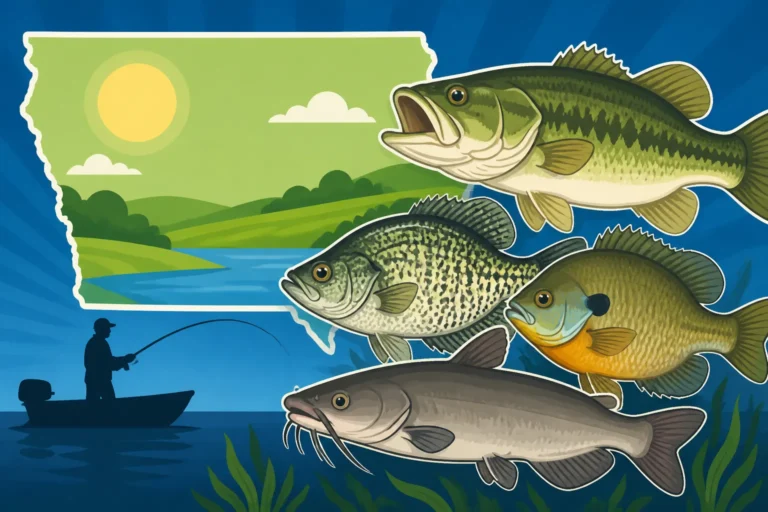
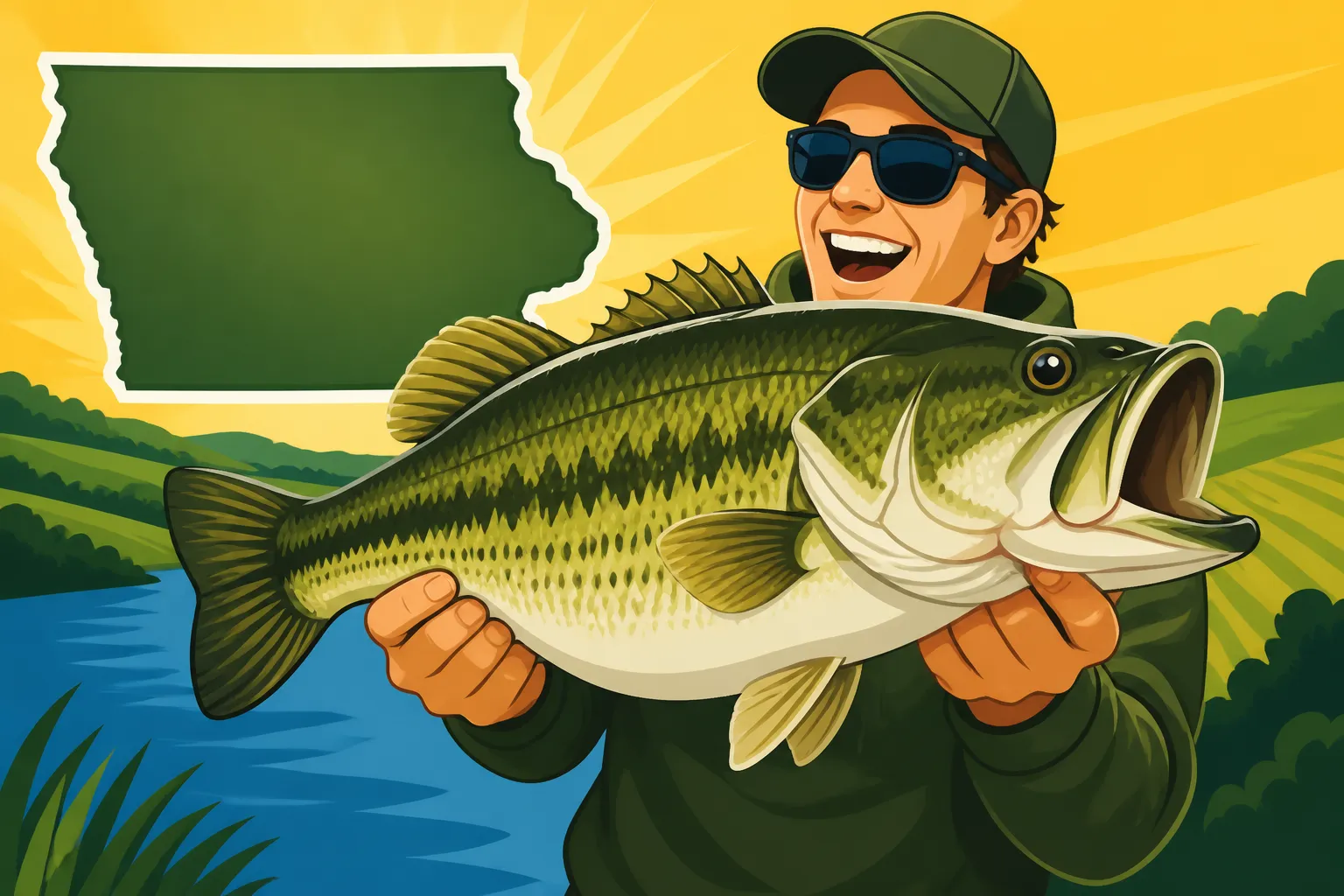
And of course, the ever-popular Largemouth Bass. While often associated with farm ponds and smaller lakes, Iowa's public lakes and reservoirs have given up some truly gargantuan bucketmouths. These fish are powerful, acrobatic fighters, and a record-sized largemouth is a truly awe-inspiring sight. The quest for a trophy bass is a lifelong pursuit for many, requiring a keen understanding of their habitat and feeding patterns. Largemouth Bass Fishing in Iowa is an excellent resource for anyone hoping to entice one of these beauties.
River Monsters: Catfish and Sturgeon
Our majestic rivers, particularly the Mississippi and Missouri, are home to true river monsters that command respect. Channel Catfish are a favorite target for many Iowa anglers, known for their strong fight and delicious meat. While often caught in respectable sizes, the state record channel cats are in a league of their own – thick-bodied, powerful fish that test even the most robust tackle. Many anglers spend their nights on the riverbanks, dreaming of the one that could break the record. For more on this, check out Channel Catfish Fishing in Iowa.
Flathead Catfish, on the other hand, are the true giants of Iowa's river systems. These ambush predators often live in deep holes and under log jams, growing to astonishing weights. A state record flathead is a fish of immense power and size, a true testament to the angler's strength and strategy. These battles are not for the faint of heart, often involving heavy lines and powerful rods to wrestle these beasts out of their lairs. Understanding How Big Channel Catfish Get in Iowa can truly put into perspective the size of these record-breaking specimens.
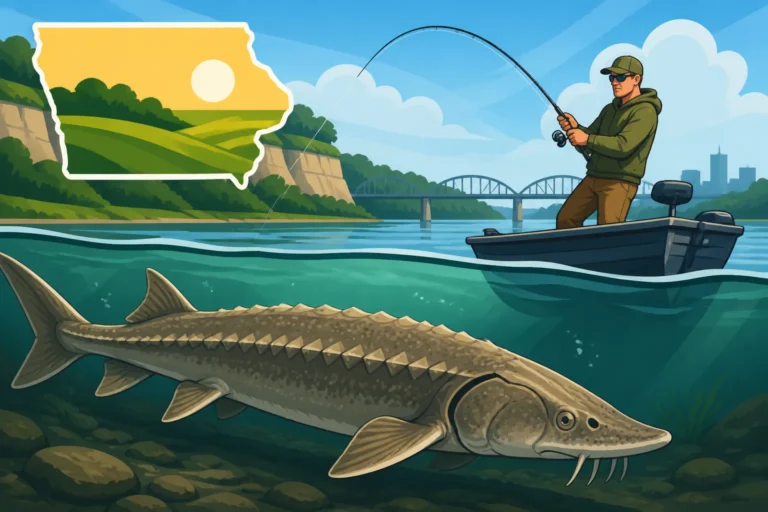
Then there are the majestic Sturgeon. While most species are protected and strictly catch-and-release, the Shovelnose Sturgeon has a dedicated season and limits, and record-sized individuals are a unique capture. These ancient-looking fish are a thrilling challenge for specialized anglers, offering a glimpse into a primordial world right in our rivers.
Panfish Praises: Crappie and Bluegill Records
Don't let the "panfish" label fool you; even these smaller, more common species have their state record champions, and they are impressive in their own right. A truly massive Crappie or Bluegill is a fish of surprising size and girth, far exceeding what most anglers typically encounter. These records often come from overlooked farm ponds or specific honey holes in larger lakes where conditions are just right for a particular fish to grow to an exceptional size.
Catching a record panfish often involves the same dedication and meticulous approach as chasing larger predators, albeit with lighter tackle and a different scale of ambition. It proves that a record doesn't always have to be a monstrous predator; sometimes, it's about the biggest of the humble, everyday fish that grace our waters. It's a reminder that every fish, no matter its common size, has the potential to be a record-breaker.
Here’s a look at some of the impressive sizes that state record fish have achieved in Iowa, illustrating the incredible potential lurking in our waters. Please note, these are illustrative examples of the scale of state records, not necessarily current definitive numbers, which can change:
| Fish Species | Example Record Weight (lbs) | Example Record Length (inches) | Typical Habitat in Iowa |
|---|---|---|---|
| Walleye | 14-16 | 30-32 | Large lakes, rivers, reservoirs |
| Largemouth Bass | 10-12 | 24-26 | Lakes, ponds, slow rivers |
| Smallmouth Bass | 6-8 | 20-22 | Rivers, clear lakes |
| Channel Catfish | 30-40 | 38-42 | Rivers, lakes, reservoirs |
| Flathead Catfish | 80-90+ | 50-55+ | Large rivers, deep holes |
| Muskie | 40-50+ | 50-55+ | Major lakes, certain rivers |
| Northern Pike | 25-30 | 45-50 | Northern lakes, some rivers |
| Crappie (Black/White) | 4-5 | 19-21 | Lakes, ponds, backwaters |
| Bluegill | 2-3 | 12-14 | Lakes, ponds, slow rivers |
The Thrill of the Chase: How Records Are Broken
Breaking a state record isn't usually a fluke; it's often the culmination of years of angling passion, strategic thinking, and sheer perseverance. It's the kind of goal that drives anglers to wake up before dawn, brave the elements, and spend countless hours on the water, all for that one potential moment of glory. The journey itself is often as rewarding as the catch, filled with lessons learned and memories made.
The Mindset of a Record Hunter: Patience and Persistence
Imagine spending an entire season targeting a specific species, perhaps even a specific body of water, knowing that the fish of a lifetime might be lurking there. This is the mindset of a record hunter. They aren't just out for a casual day of fishing; they are on a mission. This requires an almost zen-like patience, understanding that success might not come today, or tomorrow, but eventually. It's about meticulously planning each outing, analyzing conditions, and learning from every blank cast or missed bite.
Persistence is key. Record anglers don't give up after a slow day. They adjust their tactics, change their bait, move to a new spot, or simply try again the next day. They embrace the challenge, knowing that every outing, even those without a trophy, builds their knowledge and refines their skills. This unwavering dedication is what truly sets them apart and ultimately leads to those extraordinary catches.
Strategic Planning and Execution: Spot Selection, Bait, and Technique
Breaking a record rarely happens by accident. It involves a deep understanding of fish behavior, their preferred habitats, and the most effective techniques to entice them. This means meticulous research into the Best Fishing Spots in Iowa for a target species, studying maps for depth contours, structure, and potential feeding grounds. It’s not just about finding fish, but finding big fish, which often occupy different niches.
Choosing the right bait, whether it's live bait, a carefully selected lure, or even a specialized fly, is paramount. Record hunters often use larger baits to target larger fish, or specific baits that mimic the natural forage in a particular water body. They understand the nuances of presentation, from the retrieve speed of a crankbait to the subtle jigging motion that triggers a strike. For instance, knowing the best Iowa Fishing Techniques Guide for specific conditions can be the difference between an ordinary day and a record-breaking one. They might spend hours on sites like Amazon, researching the latest in advanced fish finders or specialty lures designed to mimic local prey perfectly.
Finally, executing these strategies flawlessly is crucial. This involves everything from a stealthy approach to avoid spooking wary fish, to making precise casts, and setting the hook at just the right moment. Every step is carefully considered, increasing the odds of encountering and successfully landing that elusive record-breaker.
The Moment of Truth: Landing and Verifying a Potential Record
When that monster fish finally strikes, the adrenaline surge is unlike anything else. The fight itself is often a test of endurance, skill, and sheer will. A potential record fish will pull harder, jump higher, and fight longer than anything you've likely encountered before. Keeping your composure, managing your drag, and patiently working the fish to the net or boat side without breaking your line or damaging your gear is critical.
Once landed, the real pressure begins. This is where quick, ethical, and accurate verification becomes paramount. The fish must be kept alive if possible, weighed on a certified scale, and measured precisely. Witnesses are often required, and photographs from multiple angles are essential documentation. The process can be intense, as you balance the excitement of a potential record with the responsibility of following all official guidelines. This critical period is why anglers often have their gear in top shape, like having a high-quality fillet knife from Amazon ready for cleaning if they decide to keep the fish, or a robust measuring board if it's destined for release after documentation.
Rules and Regulations for Record Catches: Maintaining Integrity
Catching a potential state record fish is only half the battle. The other, equally important half, is ensuring that the catch adheres to all official rules and regulations established by the Iowa DNR. This isn't just bureaucratic red tape; it's about maintaining the integrity of the record books, ensuring fair play, and respecting the legacy of past and future record holders. Without clear guidelines, the validity of any record would be questionable.
The Official Verification Process: Documentation, Scales, Witnesses
The Iowa DNR has a strict protocol for verifying state record fish. First and foremost, the fish must be caught legally, in accordance with all Iowa Fishing Regulations Explained, including licensing requirements, season dates, and daily bag limits. This means having a current Iowa Fishing License Guide is non-negotiable. The method of catch must also be legal, typically by rod and reel.
Once caught, the fish must be weighed on a state-certified scale by an authorized individual, often a local locker plant or grocery store that has had their scales officially checked for accuracy. This is crucial to ensure that the weight recorded is absolutely precise. The length and girth measurements are also taken, often by a DNR official or a designated agent, to provide comprehensive data about the fish. Finally, photographs and witness statements are usually required to corroborate the details of the catch. Every piece of documentation adds to the credibility of the claim.
Maintaining Integrity: What Not to Do
Just as there are rules for what to do, there are important caveats for what not to do when pursuing a state record. Any attempt to artificially enhance the weight of a fish, such as by leaving it in water to absorb moisture or adding foreign objects, will immediately disqualify the catch. Similarly, catching a fish using illegal methods, such as netting, spearing (outside of designated seasons/species), or using prohibited baits, will render the catch invalid.
The DNR also emphasizes ethical angling. While keeping a record fish is often part of the process, sustainable practices are encouraged. Releasing a fish alive after proper documentation, if possible and within regulations, is always admirable. The goal is to celebrate the fish and the angler, not to exploit the resource or bend the rules. This commitment to fair play is what gives the Iowa state records their lasting prestige.
Reporting Your Catch: Who to Contact
If you believe you've landed a potential state record, swift action is key. The first step is usually to contact your local Iowa DNR fisheries biologist or a conservation officer as soon as possible. They are the experts who can guide you through the official process, advise on certified scales in your area, and arrange for official measurements and identification of the fish.
It's wise to have a plan in place before you even hit the water, especially if you're actively targeting record-sized fish. Knowing who to call and having their contact information readily available can save valuable time and reduce stress in that exciting, but potentially chaotic, moment after a record-breaking catch. Don't wait; reach out to the authorities immediately to ensure your potential record gets the proper attention and verification it deserves.
Beyond the Records: Why Every Catch Matters
While the pursuit of a state record is an exhilarating goal, it's important to remember that fishing offers so much more than just a place in the record books. Every cast, every bite, and every fish landed holds value, connecting us to nature, to ourselves, and to the people we share the experience with. The records are a symbol, but the real heart of fishing lies in the countless moments that happen on the water.
Conservation and Respect: Anglers as Stewards
Every angler, whether they're chasing a record or just reeling in a panfish for dinner, plays a vital role in conservation. By following Iowa Fishing Regulations Explained and practicing responsible angling, we become stewards of our precious aquatic resources. This includes proper handling of fish, careful disposal of tackle and litter, and being mindful of fish habitat.
Record anglers, in particular, often become advocates for the species they target, understanding intimately the conditions needed for such giants to thrive. Their stories can inspire greater public interest in protecting our waterways, ensuring that future generations will also have the chance to experience the thrill of the catch, perhaps even breaking a record themselves. It's about giving back to the waters that give us so much.
The Joy of the Journey: Personal Bests and Memorable Moments
For most of us, fishing isn't about setting records; it's about the pure joy of being outdoors, the peaceful solitude, or the camaraderie of friends and family. It’s about the personal bests – that first walleye over 20 inches, the heaviest catfish you’ve ever wrestled in, or simply catching more crappie than your buddy. These individual triumphs, big or small, are what truly define our angling experiences.
The memories created on the water, whether it's a sunrise over a glassy lake, the perfect cast, or the laughter shared with loved ones, are often more valuable than any official record. Fishing teaches patience, resilience, and appreciation for the natural world. It’s a timeless pursuit that continually offers new challenges and rewards, regardless of what the scales might say.
Inspiring the Next Generation: Passing on the Passion
Perhaps one of the most significant aspects of fishing, especially when discussing impressive catches, is its power to inspire. When a child hears the story of a giant muskie or sees a photo of a truly massive catfish, it sparks their imagination and ignites a desire to explore the water themselves. Sharing our passion for fishing with the next generation is crucial for ensuring the future of our sport and the health of our fisheries.
Whether it's taking a kid to a local pond for their first bluegill, or telling tales of the state record legends, we're passing on more than just a hobby. We're instilling a love for nature, a sense of adventure, and an understanding of conservation. The pursuit of records, or even just big fish, provides tangible goals and exciting narratives that encourage young anglers to pick up a rod and experience the wonders of Iowa Fishing firsthand.
Preparing for Your Own Record Quest: Gear, Knowledge, and Patience
If you're inspired to chase an Iowa state record, or even just your personal best, preparation is key. It's about combining the right tools with the right mindset and a deep understanding of the environment you're fishing in. This journey can be incredibly rewarding, pushing your limits and enhancing your connection to the sport.
Essential Gear for Trophy Hunting: Heavy-Duty Rods, Strong Lines
Tackling a fish capable of breaking a state record demands specialized gear designed for power and durability. Forget your ultralight panfish setup; you'll need heavy-duty rods with backbone and strong reels capable of handling immense pressure. Look for rods with a fast action and medium-heavy to heavy power, paired with a high-quality spinning or baitcasting reel that has a smooth, reliable drag system. Many serious anglers spend a good amount of time browsing gear on sites like Amazon, looking for reviews and comparing specifications on high-quality setups.
Your fishing line is arguably the most critical component. Braided line, known for its incredible strength-to-diameter ratio and lack of stretch, is often favored for its ability to cut through vegetation and deliver solid hooksets. Pair this with a fluorocarbon leader for abrasion resistance and stealth in clear water. Hooks need to be sharp and robust, capable of penetrating tough mouthparts and holding firm throughout a long battle. Even small components like swivels and snaps should be rated for heavy-duty use. For targeting species like muskie, you'll want to review resources such as Best Line Weight for Muskie Fishing to ensure your setup is up to the task.
Learning the Waters: Researching Specific Lakes and Rivers
Knowledge truly is power when it comes to trophy fishing. Before you even cast a line, spend time researching the specific lakes, rivers, or reservoirs you plan to fish. This means studying bathymetric maps to understand depth contours, submerged structure, and potential fish holding areas. Look for historical catch reports, talk to local bait shop owners, and consult online forums for insights into where and when large fish have been caught.
Understanding the forage base in a particular body of water is also vital. What do the big fish eat? Mimicking their natural prey with your lures or bait can significantly increase your chances. Pay attention to water temperatures, seasonal patterns, and even lunar phases, as these can all influence fish activity. Resources like Iowa Fishing Seasons Explained can help you understand the best times to target specific species. The more you know about your chosen water, the better equipped you'll be to find and tempt a record-sized fish.
Patience, Persistence, and a Little Luck: The Angler's Virtues
Even with the best gear and extensive knowledge, fishing for a record still boils down to three core virtues: patience, persistence, and a dash of good old-fashioned luck. You might spend days, weeks, or even entire seasons without a single bite from a trophy fish. There will be frustrating moments, tangled lines, and missed opportunities. But the persistent angler learns from these setbacks, adjusting and continuing the quest.
Luck, too, plays its part. Sometimes, being in the right place at the right time, when a giant fish decides to bite, is simply a stroke of fortune. However, consistent patience and persistence often put you in a position where luck can find you. Embrace the journey, enjoy the process, and cherish every moment on Iowa's beautiful waters. The pursuit of a record fish is a marathon, not a sprint, and every cast brings you one step closer to that unforgettable catch.
Disclaimer
This article is for general informational purposes only and does not constitute professional advice. Laws, prices and regulations vary by location and change over time. Consult a qualified professional for guidance on your specific situation.