Iowa Bass Season Late-Fall Patterns
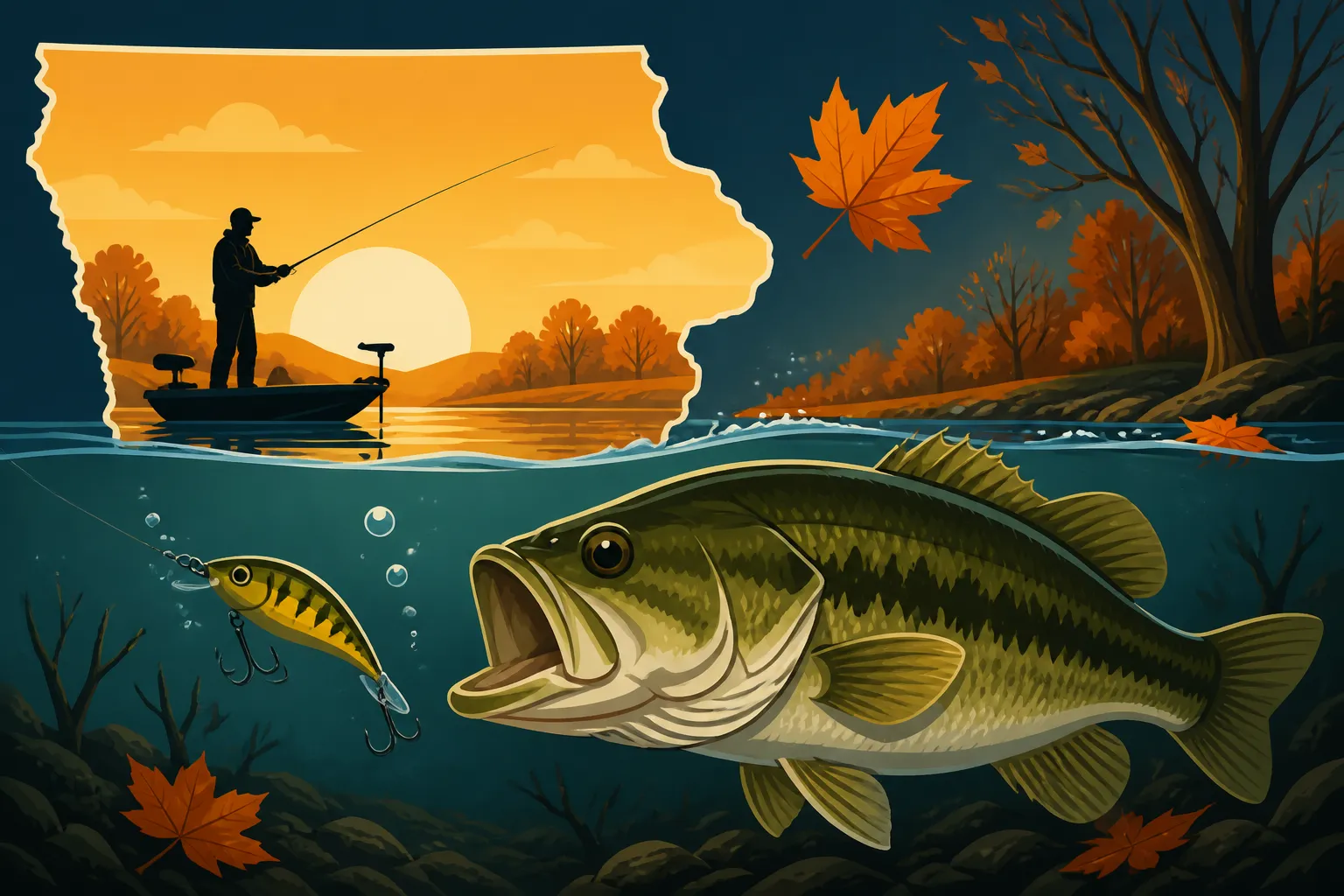
As the vibrant greens of summer fade to the muted browns and golds of late autumn, many anglers pack away their bass gear, assuming the season is over. But that couldn't be further from the truth! Fishing for bass in Iowa during late fall presents unique challenges and incredible rewards if you know how to adapt. This comprehensive guide will walk you through the seasonal shifts, prime patterns, and effective techniques to extend your bass fishing success well into the colder months, helping you land some truly memorable fish.
Understanding the Late-Fall Transition for Bass
Late fall is a period of dramatic change in Iowa's lakes and rivers. The water temperature plummets, days shorten, and the entire aquatic ecosystem shifts gears in preparation for winter. For bass anglers, this means abandoning summer and early-fall patterns and learning to "read the water" differently to locate fish that are now driven by survival instincts and a need to feed before the true cold sets in. It's not about finding active, chasing bass anymore; it's about finding lethargic, opportunistic feeders.
Water Temperature's Dominant Role
There's no single factor more influential on late-fall bass behavior than water temperature. As the thermometer drops from the 60s into the 50s and eventually the 40s, bass become increasingly sluggish. Their metabolism slows down considerably, meaning they don't need to eat as often or expend as much energy. This is why quick, aggressive retrieves that worked wonders a month ago might now result in zero bites. Instead, fish will gravitate towards areas with the most stable or slightly warmer water, often deeper structure, or rock that retains heat.
Think about how you feel on a cold day – you want to conserve energy, stay warm, and only move when absolutely necessary. Bass are no different. They're seeking thermal refuge and only expending energy for a meal they can easily ambush. This means you need to slow down your presentations, be patient, and understand that a "strike" might feel more like a subtle weight on your line rather than a jarring hit. Keeping an eye on localized temperature breaks can be a game-changer.
Pre-Turnover vs. Post-Turnover Changes
Lake turnover is a critical event that dramatically impacts fishing in the fall. In Iowa, this usually happens when surface water temperatures drop to match the colder, denser water below, causing the entire water column to mix. Before turnover, bass might still be found relating to shallow cover during warmer periods, chasing baitfish that are pushed around by colder surface temperatures. Once turnover occurs, which typically happens when water temps hit the low to mid-50s, the entire lake becomes somewhat uniform in temperature and oxygen.
This post-turnover period can be tough for a few days, as fish scatter and are often disoriented by the mixed water. However, once conditions stabilize, bass often settle into predictable deep-water patterns, congregating on structure where they feel safe and where baitfish will eventually gather. Understanding if your target lake has undergone turnover is crucial, as it dictates whether you should be searching for fish in scattered, pre-turnover areas or focusing on more consolidated, post-turnover deep haunts. Many anglers misinterpret this period and give up too early.
Forage Fish Movements
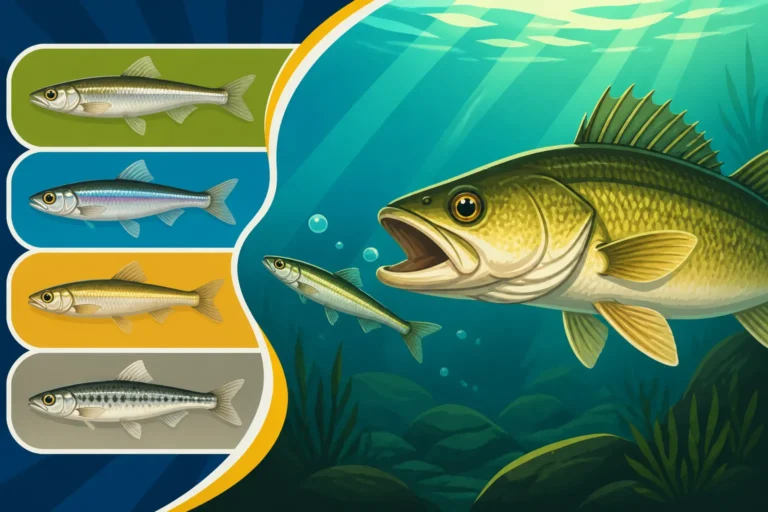
Just like bass, baitfish—like shad, bluegill, and smaller crappie—are also reacting to the dropping water temperatures. As the water cools, these baitfish will often move from shallower feeding flats to deeper, more stable water, frequently congregating in large schools. Bass, being opportunistic predators, will follow their food source. If you can locate these schools of baitfish, you're often just a stone's throw away from finding hungry bass.
This migration often means baitfish will hold near prominent structures, such as main lake points, channel swings, and deep ledges. Using your electronics to mark these bait schools is incredibly important during late fall. A dense cloud of baitfish on your sonar usually means there are predators lurking nearby. Matching the hatch, not just in size but also in depth and action, becomes paramount.
Key Factors Influencing Late-Fall Bass Behavior
Successfully targeting bass in the late fall isn't just about water temperature; it's about piecing together a puzzle of environmental cues. Weather patterns, barometric pressure, and even the amount of daylight all play a significant role in how and where bass position themselves and how willing they are to strike. Overlooking these subtle indicators can lead to a frustrating day on the water.
Weather Fronts and Barometric Pressure
Late fall in Iowa often brings volatile weather. Cold fronts, which typically follow a period of warm weather, can have a profound impact on bass behavior. Before a cold front hits, often marked by falling barometric pressure, bass can go on a feeding spree. This is a prime time to be on the water, as fish know a significant weather change is coming and will gorge themselves. They might be found shallower and more active than usual.
However, once a strong cold front passes and high-pressure systems settle in, fishing can become notoriously tough. The high pressure tends to make bass hug the bottom, become less active, and generally shut down. In these conditions, ultra-slow presentations and finesse tactics are your best bet. Keep an eye on the weather forecast; understanding these shifts can help you plan your fishing trips for optimal success.
Daylight Hours and Seasonal Shift
The shortening of daylight hours itself contributes to the overall seasonal shift that bass detect. While not as direct as water temperature, the decreasing photoperiod signals to fish that winter is approaching, triggering physiological changes and influencing their feeding patterns. This reinforces the need for bass to bulk up before leaner winter months.
As days become shorter, bass will often have shorter "feeding windows." This means early morning and late afternoon might become less productive than the midday hours when the sun is highest and can slightly warm the upper water column or deep rock structures. Don't be afraid to sleep in a little later; the prime bite might be from 10 AM to 3 PM during these months. Remember to always consult the Iowa Fishing Season Dates and Limits to ensure you're fishing legally.
Understanding Bass Metabolism in Cold Water
When water temperatures drop below 50 degrees Fahrenheit, a bass's metabolism slows significantly. They require less food to sustain themselves and become far less willing to chase a fast-moving lure. Their movements are slower, their digestion is slower, and their reaction time is diminished. This physiological change dictates almost every aspect of successful late-fall bass fishing.
Your approach must match their metabolic state. Think slow, methodical, and direct. Lures that stay in the strike zone longer or provoke a reaction bite without requiring the bass to move much are key. This isn't the time for power fishing; it's the time for patience and precision. You might be fishing for a single bite an hour, but that one bite often comes from a bigger, healthier fish that's made it through the season.
Essential Techniques for Late-Fall Bass Fishing
With bass becoming more lethargic and hunkering down, your techniques need to follow suit. Gone are the days of burning spinnerbaits across shallow flats or aggressively cranking squarebills. Late-fall bass fishing demands a more nuanced approach, focusing on slow, deliberate presentations that entice rather than provoke. This is where your finesse game truly shines, but don't count out a reaction bite entirely.
Slow Presentations and Finesse Tactics
When the water gets cold, the mantra for bass fishing becomes "slow down, then slow down even more." Finesse techniques such as shaky heads, Ned rigs, and drop-shot rigs truly excel. These setups allow you to present small, subtle baits right in front of a bass's nose and keep them there for extended periods. A shaky head jig with a small worm, crawled painstakingly slowly along the bottom, can be incredibly effective on deep ledges or rock piles.
The key is patience. Cast your bait out, let it sink to the bottom, and then move it with barely perceptible twitches of your rod tip, allowing long pauses in between. Sometimes, a minute or two of inactivity between movements is what it takes for a cold bass to decide to eat. Consider using a sensitive rod and braided line with a fluorocarbon leader to detect those incredibly subtle bites that feel like nothing more than a bit of extra weight or slack line. If you're looking for more guidance on specific gear, our Iowa Fishing Gear Guide has excellent recommendations.
Vertical Jigging and Drop-Shotting
For bass suspended over deep structure or holding tight to bottom contours, vertical jigging and drop-shotting are unbeatable. If you've located a school of baitfish or marked bass on your electronics, positioning your boat directly over them and presenting a lure vertically allows you to stay in the strike zone for the maximum amount of time. This is especially effective on deep points, humps, and channel swings.
A small jigging spoon, a blade bait, or a drop-shot rig with a tiny plastic can be worked directly below the boat. For drop-shotting, use enough weight to keep your bait stationary above the fish, then impart subtle shaking motions to the rod. The bait dances enticingly without moving horizontally much, an irresistible meal for a sluggish bass. For vertical jigging, short, sharp snaps and then a controlled fall often trigger reaction strikes from fish that might not otherwise eat.
Deep Cranking and Blade Baits
While finesse is often the name of the game, there are still times when a reaction strike is possible, especially in slightly warmer pockets or during those pre-front feeding windows. Deep-diving crankbaits and blade baits can be excellent tools for covering water and triggering those strikes. Look for crankbaits that dive to the depth where you expect to find fish, often 15-25 feet or deeper.
Crank these baits down to their maximum depth and then slowly retrieve them, occasionally hitting the bottom or structure to create deflections. The erratic action of bouncing off cover can often be enough to make a cold bass strike out of irritation or opportunity. Blade baits, like a Silver Buddy or Rapala Rippin' Rap, also offer a strong vibration and can be fished vertically or cast and retrieved with a yo-yo action near deep structure. The key is to match the retrieve speed to the fish's mood – often slower than you'd think.
Top Lures and Baits for Cold Water Bass
Choosing the right lure for late-fall bass fishing is paramount. You're not just throwing something that looks like food; you're offering a slow, vulnerable, easy meal that requires minimal effort from a cold, lethargic bass. This often means scaling down your offerings and focusing on baits with subtle action and realistic profiles. Picking up a good selection on Amazon before your trip can save you time on the water.
Jigs and Soft Plastics
Jigs, especially football jigs and pitching jigs, are absolute workhorses in cold water. Tipped with a compact plastic trailer, they mimic crawfish or bluegill that are slowly moving along the bottom. Black and blue, green pumpkin, and brown are classic cold-water colors. Cast them to deep structure like rock piles, channel edges, or brush piles, and crawl them agonizingly slow, feeling for every tick and subtle weight change.
Soft plastics, particularly small worms on shaky heads, Ned rigs, and drop-shot setups, are incredibly effective. A 4-inch finesse worm or a small stick bait on a Ned rig presents a very natural, subtle target. Colors like dark green pumpkin, brown, and watermelon seed are excellent choices. The key is to impart minimal action; let the bait's natural buoyancy and the slightest current do most of the work, occasionally twitching your rod tip to make it dance.
Deep Diving Crankbaits
Even though bass are sluggish, a deep-diving crankbait can sometimes trigger aggressive reaction bites, especially on warmer late-fall days or when fish are congregating on prominent structure. Look for baits that can reach depths of 15-25 feet, like a Strike King 6XD or a Rapala DT Series. Colors that mimic shad or crawfish (e.g., chrome/blue, natural shad, red craw) are often productive.
Focus on retrieving these baits so they make contact with the bottom or structure. Bouncing them off rocks, stumps, or ledges often elicits a strike. The deflection creates an erratic movement that can surprise a bass into biting. Just remember, your retrieve speed will be much slower than during warmer months. If you're new to crankbait fishing, consider exploring our guide on Crankbait Fishing for Iowa Smallmouth Bass for additional tips.
Blade Baits and Jerkbaits
Blade baits, such as the Heddon Sonar or Binsky Blade Bait, are fantastic for vertical jigging over deep fish or for casting and retrieving with a yo-yo motion along ledges. Their intense vibration and flash can draw bass in from a distance and trigger a strong reaction bite even from inactive fish. Silver, gold, and chrome colors are usually best, mimicking shad. A short, sharp rip followed by a controlled fall is often the most effective retrieve.
Jerkbaits, particularly suspending models like the Megabass Vision 110 or Lucky Craft Pointer, are also deadly in cold water. Cast them to main lake points, rocky banks, or over submerged grass, then twitch them erratically with long pauses in between. The suspending action keeps the bait hovering tantalizingly in the strike zone during these pauses, giving lethargic bass ample time to commit. Some anglers swear by pauses of 10-20 seconds in very cold water. Many anglers find a good selection of these on Amazon at competitive prices.
Finding the Best Late-Fall Bass Hotspots in Iowa
Locating bass in late fall often means shifting your focus from the shallow, abundant cover of summer to deeper, more defined structures. Bass will consolidate in areas offering warmth, forage, and protection, making them easier to target once found. Forget the scattered fish of summer; late fall is about finding concentrated schools.
Deep Water Structure and Ledges
As temperatures plummet, bass will retreat to deeper water, often congregating on underwater points, humps, and ledges. These structures act as highways and ambush points where baitfish also gather. Look for areas where a sharp drop-off meets a flat, or where a channel swings close to a prominent point. These are classic cold-water bass haunts.
Using your boat's electronics (sonar and mapping) is absolutely crucial here. Spend time idling over promising areas, looking for baitfish schools and solid arcs on your screen that indicate bass. Once you find a productive ledge or hump, mark it, and then meticulously work it with your chosen late-fall techniques. Sometimes, a subtle bend in a channel or a small rock pile on a deep flat can hold a surprising number of fish. Our guide to the Best Fishing Spots in Iowa can help you identify prime locations.
Main Lake Points and Creek Channels
Main lake points that extend into deep water are perennial hotspots in late fall. These points offer bass access to both deep and somewhat shallower water, providing feeding opportunities as well as quick retreats to safety. Look for points with a rocky composition, as rocks retain heat better than mud, and they also attract crawfish, a valuable food source.
Similarly, creek channels winding through reservoirs are magnets for baitfish and, consequently, bass. Focus on the bends and intersections of these channels, especially where they intersect with submerged timber or rock piles. These spots create natural ambush points. For example, on a lake like Rathbun Lake or Saylorville Reservoir, identifying these channel features is key to unlocking late-fall patterns.
Areas with Remaining Green Weeds or Rock Piles
While much of the aquatic vegetation dies off in the fall, patches of green weeds can still be found in some lakes, particularly coontail or milfoil, especially in slightly deeper water. These surviving green weeds provide oxygen, cover, and attract small baitfish, making them excellent targets for late-fall bass. Bass will often hold on the edges or even within these remaining green clumps.
Rocky areas, whether natural rock banks, rip-rap on causeways, or artificial rock piles (often called fish cribs), are also excellent late-fall locations. Rocks absorb and radiate heat, making the surrounding water slightly warmer, which can draw in both bass and baitfish. These areas are prime for slow-rolling jigs or working jerkbaits with long pauses. Understanding How to Read Water for Structure Fishing can really elevate your success in these spots.
Safety and Preparation for Cold Weather Bass Angling
Late fall fishing in Iowa can be incredibly rewarding, but it also carries increased risks due to the colder temperatures. Proper preparation and a focus on safety are non-negotiable. Don't let the excitement of a potential trophy bass overshadow the importance of staying safe and comfortable on the water.
Layering for Cold Weather
The most important rule for cold-weather fishing is layering your clothing. Start with a moisture-wicking base layer (synthetics or wool, never cotton!), add an insulating mid-layer (fleece or down), and finish with a waterproof and windproof outer shell. This system allows you to adapt to changing conditions and prevents hypothermia. Even on a seemingly mild day, sudden wind or precipitation can quickly drop your body temperature.
Don't forget your extremities! A warm hat, insulated gloves, and waterproof, insulated boots are critical. A significant amount of body heat is lost through your head, and cold hands make it difficult to tie knots, operate your gear, and even feel subtle bites. Consider picking up high-quality thermal gear from a reputable outdoor retailer or even Amazon to stay warm. Always pack an extra set of dry clothes in a waterproof bag, just in case.
Boat and Equipment Checks
Cold weather can be tough on boat engines and electronics. Before every late-fall trip, thoroughly check your boat. Ensure your battery is fully charged, your motor is winterized if necessary but still running smoothly, and all navigation lights are working. Inspect your trailer, including tires and lights. You don't want to be stranded on the ramp or, worse, on the water when temperatures are hovering near freezing.
Test your livewell pumps, bilge pumps, and aerators. Make sure you have all required safety equipment, including personal flotation devices (PFDs) for everyone on board, a fire extinguisher, signaling devices, and a first-aid kit. For more information on what's required, review the Boat Safety Equipment for Iowa Waters. It's also wise to ensure your cell phone is fully charged and stored in a waterproof case. Tell someone where you're going and when you expect to return.
Understanding Hypothermia Risks
Hypothermia is a serious risk when fishing in cold weather, especially if you accidentally fall into the water. Even seemingly warm water temperatures in the 50s can lead to hypothermia rapidly. Symptoms include shivering, confusion, slurred speech, and loss of coordination. If you or someone you're with starts showing these signs, it's critical to get them warmed up immediately.
Always wear your PFD when on the water in cold conditions; it buys you precious time if you fall in. Avoid alcohol, which can impair judgment and accelerate heat loss. Bring hot drinks in a thermos to help maintain core body temperature. Knowing How Cold Iowa Gets During Ice Fishing Season can give you an idea of the extreme conditions you might encounter as late fall transitions into winter, so prepare accordingly.
| Technique | Target Depth | Lure Examples | Retrieve Speed | Best Conditions |
|---|---|---|---|---|
| Shaky Head/Ned Rig | 10-30 feet | Finesse worms, small stick baits | Ultra-slow crawl/drag | Post-front, high pressure, lethargic fish |
| Drop-Shot | 15-40+ feet | Small plastics, minnow imitations | Vertical jigging/shaking | Over deep structure, suspended fish, subtle bites |
| Vertical Jigging | 10-50+ feet | Jigging spoons, blade baits | Short rips, controlled fall | Marking fish on electronics, reaction bites |
| Deep Cranking | 15-25 feet | Large deep-diving crankbaits | Slow, steady, occasional contact | Pre-front, active feeding windows, structured bottom |
| Suspending Jerkbait | 5-20 feet | Long-bodied minnow baits | Twitch, long pauses | Clear water, rocky points, ambush points |
Disclaimer
Fishing conditions and regulations in Iowa can change. Always consult the official Iowa Department of Natural Resources (DNR) website or their current fishing regulations booklet before heading out on the water. This guide is for informational purposes only and does not replace official rules or professional advice.