Best Minnow Species for Walleye Bait
For Iowa walleye anglers, the choice of bait can feel like a make-or-break decision, especially when you're spending your precious weekend hours out on the water hoping for that elusive bite. It’s frustrating to try various options without knowing what truly works. This guide is here to shed light on the best minnow species for walleye bait in Iowa, helping you understand their appeal and how to use them effectively to increase your chances of success.
Understanding Walleye Forage Preferences in Iowa Waters
Walleye are opportunistic predators, but they definitely have preferences when it comes to their meals. Knowing what they typically feed on in Iowa’s diverse lakes and rivers is key to choosing the right bait minnow. It’s not just about what's available, but what triggers their predatory instincts. When you understand the natural forage in a particular body of water, you can "match the hatch," so to speak, with your bait choice.
Natural Prey and Habitat Matching
In Iowa, walleye often feed on a variety of smaller fish species, commonly referred to as "forage fish." These can include shad, various shiner species, and young-of-the-year panfish. Each body of water might have a slightly different dominant forage base, which means what works perfectly at Clear Lake might be less effective on the Mississippi River. For instance, in lakes with abundant gizzard shad, a larger, shiner-type minnow might perfectly mimic their natural food. Conversely, in a clearer river system, a smaller, more active minnow might be the ticket. It's about thinking like a walleye and presenting them with what looks most natural and appetizing in their environment. This insight is critical for understanding Iowa Fishing Techniques Guide for walleye.
It's also worth considering the time of year and water conditions. During colder months, walleye tend to be more lethargic and prefer a slower, more easily digestible meal. A lively minnow struggling on a hook can be an irresistible target. In warmer water, their metabolism is higher, and they might chase down faster-moving prey. The key is observing the water you're fishing – if you see schools of baitfish flickering on your sonar or breaking the surface, try to match your minnow size and action to what those natural baitfish are doing.
The Importance of Minnow Size and Action
The size of your minnow directly impacts what kind of walleye you're likely to attract, and sometimes, if you'll attract any at all. While walleye have surprisingly large mouths, they still prefer a meal they can easily engulf. Generally, a minnow between 2 to 5 inches is a sweet spot for most walleye fishing in Iowa. Smaller minnows are great for attracting numbers of active fish, while a larger minnow might entice a trophy-sized walleye looking for a substantial meal.
Beyond size, the minnow's action in the water is paramount. Walleye are highly visual predators, and a natural, frantic, or struggling movement often triggers a strike. Some minnow species are naturally more active than others, creating more vibrations and visual cues that can call in walleye from a distance. The way you rig and present the minnow also plays a huge role in maximizing its natural action, making it appear injured and vulnerable, which is exactly what a hungry walleye is looking for.
Top Minnow Species for Walleye in Iowa
When you walk into an Iowa bait shop, you're usually presented with a few go-to options for live bait. Knowing the strengths of each can give you a significant advantage. While personal preference and local availability will always play a role, some minnow species consistently outperform others for walleye.
Fathead Minnows: The Versatile Staple
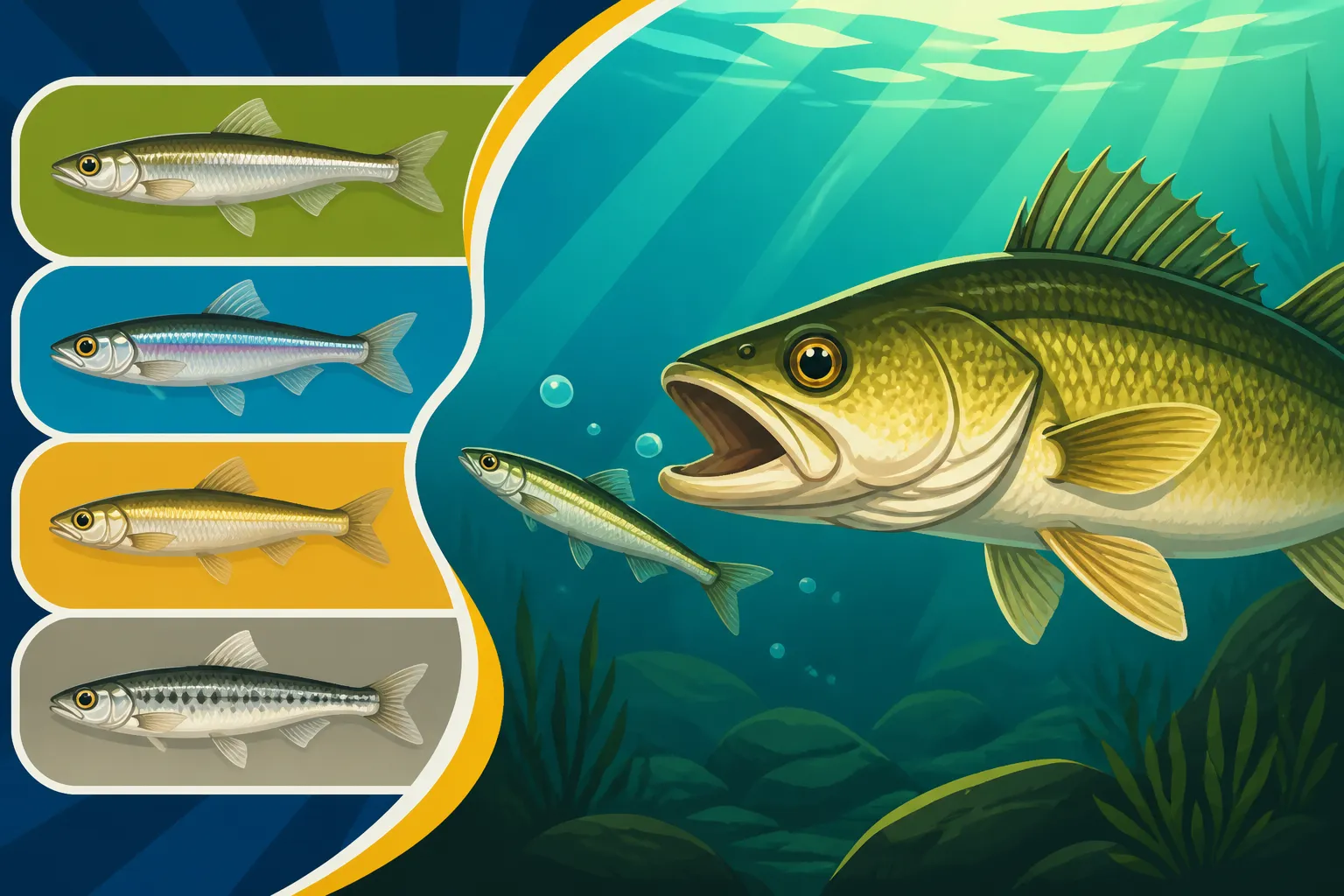
Fathead minnows are often the most readily available and affordable minnow species you'll find in Iowa bait shops, and for good reason: they are incredibly versatile and effective. They are hardy, meaning they can survive quite well in a bait bucket with proper care, making them an excellent choice for a full day out on the water. Their somewhat stout body and subtle, natural movements make them appealing to walleye in a wide range of conditions.
These little guys are fantastic for both jigging and slow-trolling presentations. When hooked properly through the lips or just behind the dorsal fin, a fathead minnow will provide enough natural struggle to attract attention without being overly aggressive. They're a solid choice for beginners and seasoned anglers alike, especially when you're not entirely sure what the walleye are keying in on. You can buy them in bulk, and having a good supply means you won’t run out when the bite gets hot. Remember to keep them lively; an aerator, like one you might find on Amazon, can be a real game-changer for extending their life. For more tips on keeping them alive, check out our guide on How to Keep Minnows Alive Longer.
Shiner Species: The Lively Attractors
Various species of shiners, such as golden shiners, emerald shiners, and spottail shiners, are highly prized by walleye anglers. These minnows are typically more active and flashier than fatheads, making them excellent visual attractors, especially in stained or murky water where their silver flanks can really catch the light. Their energetic movements create more vibration, which walleye can detect with their lateral lines, even in low visibility.
Golden shiners, in particular, can grow quite large, making them perfect for targeting bigger walleye. Their lively nature means they'll work hard on your hook, sending out distress signals that can trigger aggressive strikes. However, shiners tend to be a bit more delicate than fatheads and require more attention to keep them vigorous in a bait bucket. Ensuring good oxygenation and cooler water is crucial for these active baitfish. Many anglers swear by shiners when they are fishing expansive bodies of water like the Iowa Great Lakes or large river systems, where their extra visibility and action can draw walleye from farther away. You'll often find these specifically recommended in guides on Walleye Fishing Techniques for Iowa Rivers and Walleye Fishing Techniques for Iowa Lakes.
Creek Chubs: The Robust Choice for Rivers
Creek chubs are another excellent option, particularly for river fishing. These are robust minnows, often a bit thicker and hardier than shiners, making them fantastic for fishing in currents or when targeting larger, more aggressive walleye. They can withstand being cast and retrieved multiple times and are less prone to coming off the hook in swift water. Their natural coloration often blends well with river environments, and their strong swimming action makes them an appealing target.
While not as common in every bait shop as fatheads, if you can find creek chubs, they are worth considering, especially if you're exploring the deeper runs and eddies of the Des Moines River or similar waterways. Their resilience makes them a good choice for anglers who prefer a more active fishing style or who are navigating snag-prone areas where losing bait can be a frequent occurrence. For anglers looking to understand more about walleye behavior, knowing that creek chubs are a natural part of many river ecosystems can be a game-changer.
Sourcing and Keeping Your Walleye Minnows
Getting your hands on the right minnows is one thing, but keeping them alive and lively until they hit the water is another crucial step. A dead or lethargic minnow is far less effective, so proper care is paramount.
Where to Buy Live Minnows in Iowa
The most common place to purchase live minnows in Iowa is at local bait and tackle shops. These establishments typically have a rotating stock of the most popular and effective minnow species for the local waters. It's always a good idea to call ahead, especially during peak fishing seasons, to confirm availability of specific species like golden shiners or creek chubs. The staff at these shops are often a treasure trove of local knowledge, too, so don't hesitate to ask them what's been working best recently.
Beyond dedicated bait shops, some larger sporting goods stores might also carry live bait. For example, a big box retailer with a robust fishing section often has live minnow tanks, offering convenience if you're already there for other supplies. When buying, always inspect the minnows in the tank: look for active, healthy-looking fish. Avoid tanks with many dead or sickly minnows, as that indicates poor water quality, and the remaining bait might not last long.
Essential Gear for Minnow Care
Keeping minnows alive and healthy requires a few key pieces of equipment. First and foremost, you'll need a good bait bucket. There are many options, from basic foam buckets that offer insulation to more advanced models with built-in aerators. For longer trips or warmer weather, an aerated bait bucket is almost a necessity. Brands like Frabill or Engel offer excellent choices that help circulate oxygen into the water, preventing your minnows from suffocating. You can find a wide selection of these on Amazon.
Next, consider an aerator. Even if your bucket doesn't have one built-in, portable battery-operated aerators are widely available and can be clipped onto almost any bait container. These simple devices pump air into the water, dramatically increasing your minnows' lifespan. Changing the water periodically with fresh, cool water from your fishing location (if clean) can also help, but be cautious of introducing contaminants or sudden temperature shocks. A good quality minnow net is also essential for safely retrieving your bait without stressing them out too much. Always try to handle minnows as little as possible to maintain their vitality. For more detailed advice, check out Best Bait Bucket for Live Minnows.
| Minnow Species | Typical Size | Hardiness | Action | Primary Use |
|---|---|---|---|---|
| Fathead Minnow | 2-4 inches | High | Subtle | All-around, jigging, slip bobber |
| Golden Shiner | 3-6 inches | Medium | Lively | Larger walleye, trolling, visible |
| Emerald Shiner | 2-4 inches | Medium | Lively | Active fish, good flash |
| Creek Chub | 3-7 inches | High | Strong | River fishing, currents, larger fish |
Effective Rigs and Techniques with Minnows
Having the best minnows won't do you much good if you don't present them effectively. Walleye can be finicky, and the right rigging method paired with the correct technique can be the difference between a slow day and a banner day.
Jigging with Live Minnows
Jigging with live minnows is a timeless and incredibly effective technique for walleye, especially in deeper water, around structure, or during cooler water temperatures. The key is to present the minnow in a way that maximizes its natural appeal while still allowing you to control the presentation. Typically, a light to medium-light spinning rod, like those recommended in our Fishing Rod and Reel Guide for Iowa Anglers, paired with a sensitive line, works best.
When jigging, you can hook your minnow in several ways. For a more vertical presentation, hooking the minnow lightly through both lips from the bottom up allows it to swim naturally and present a full profile. If you want the minnow to dive or struggle more, hooking it just behind the dorsal fin (making sure not to hit the spine) will cause it to pull against the hook, creating a distressed action that walleye often can't resist. Experiment with different jig weights and colors based on water depth and clarity. A good rule of thumb is to use the lightest jig possible that still allows you to maintain bottom contact and feel bites. This technique is extensively covered in our guide on How to Catch Walleye in Iowa.
Slip Bobber Rigs for Controlled Depth
Slip bobber rigs are another fantastic way to fish live minnows for walleye, particularly when they are suspended at a specific depth or over weeds. The beauty of a slip bobber is its versatility: you can easily adjust your bait's depth by simply sliding the bobber stop up or down your line. This is incredibly useful when walleye are holding just above the bottom, in the middle of the water column, or around submerged timber.
To set up a slip bobber rig, you'll need a bobber stop, a bead, a slip bobber, a sinker (split shot or an egg sinker), and a hook (typically a #4 or #6 plain shank or treble hook). Thread these onto your line in that order. Hook your minnow through the lips or just behind the dorsal fin, similar to jigging. The key is to balance the sinker weight so that it pulls the minnow down to your desired depth but doesn't completely kill its natural action. The bobber then suspends your minnow in the strike zone, and when a walleye bites, the bobber dips, giving you a clear indication. This is a particularly effective method when you're targeting areas where you've marked fish on your fish finder or know there's consistent structure. It allows the minnow to swim naturally, making it an easy target. For more detailed insights into rigging, read our guide on How to Rig a Live Minnow for Walleye.
Trolling and Drifting with Minnows
When walleye are scattered across a large area or actively feeding along breaks, trolling or drifting with live minnows can be incredibly effective. This technique allows you to cover a lot of water and present your bait to numerous fish. You'll often use a bottom bouncer rig, which consists of a heavy wire arm with a lead weight on the bottom and a snelled hook trailing behind. This setup keeps your minnow close to the bottom, where walleye often feed, while minimizing snags.
When trolling or drifting, hook your minnow through the lips to allow for a natural swimming action as your boat moves. The speed of your boat is critical; you want to move just fast enough to impart a natural swimming action to the minnow without causing it to spin unnaturally. Experiment with different snell lengths on your bottom bouncer – sometimes a longer leader gives the minnow more freedom, while a shorter one keeps it tighter to the weight. For detailed guidance on covering water for scattered walleye, refer to How to Catch Walleye in Iowa. This method is particularly effective on large reservoirs like Rathbun Lake or Saylorville Reservoir. Remember, securing your gear when trolling is important, so ensure your rod holders are sturdy – many good ones can be found on Amazon.
Disclaimer
This article is for general informational purposes only and does not constitute professional advice. Laws, prices and regulations vary by location and change over time. Consult a qualified professional for guidance on your specific situation.