Fishing Red Rock Reservoir in Iowa
Fishing Iowa's largest lake, Red Rock Reservoir, can feel like a daunting task for even seasoned anglers. Its immense size, fluctuating water levels, and diverse fish populations present both incredible opportunities and frustrating challenges. This guide is designed to cut through the confusion, offering you an in-depth look at what it takes to successfully navigate and fish this expansive body of water, from understanding its unique ecosystem to mastering the techniques for its most popular species.
Understanding Lake Red Rock: Iowa's Largest Lake
Lake Red Rock, officially known as Red Rock Reservoir, is a beast of a lake, sprawling across thousands of acres and holding the title of Iowa's largest. It's a flood control reservoir on the Des Moines River, which means its character can change dramatically with the seasons and rainfall. This dynamic environment is precisely what makes it so fascinating—and occasionally, perplexing—for those looking to cast a line. You can find everything from deep-water structure to flooded timber and vast mud flats, all within a day's reach.
Geography and Key Features
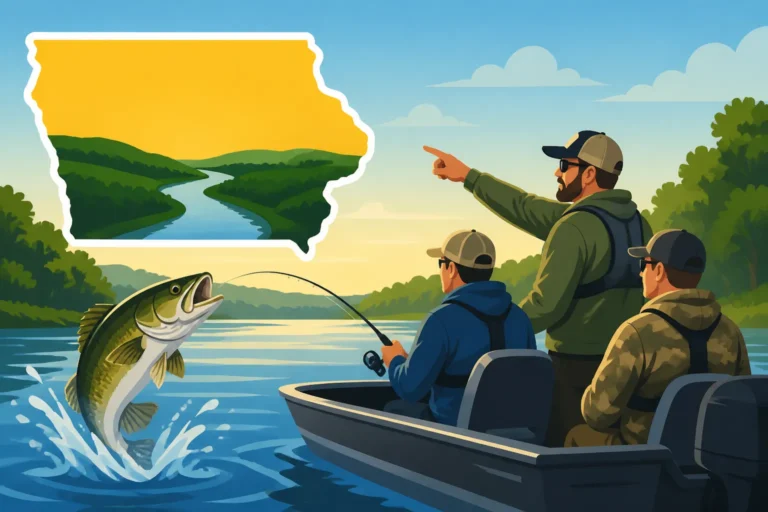
Situated primarily in Marion County, near towns like Pella and Knoxville, Red Rock is massive, typically covering around 15,000 acres at conservation pool, but expanding to over 60,000 acres during flood stages. The lake is fed by the Des Moines River, which enters from the northwest and exits to the southeast through the dam. This riverine influence means there's always a current, even within the main body, which impacts fish behavior and locations. Large portions of the shoreline are managed by the U.S. Army Corps of Engineers, providing extensive public access.
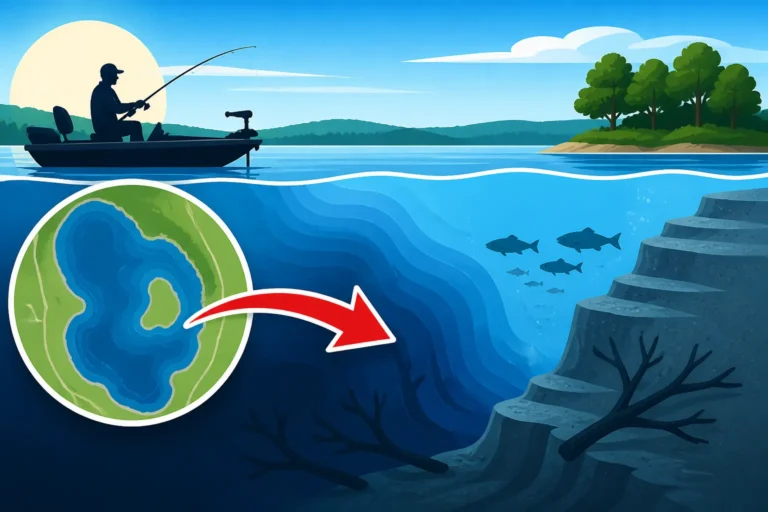
The reservoir features a mix of submerged river channels, vast mud flats, rocky points, and numerous coves and bays. You'll find areas with standing timber, especially in the upper reaches, which offer excellent cover for certain species. The main lake basin can be quite open and windswept, while the feeder creek arms, like Roberts Creek or Whitebreast Creek, offer more protected waters. Understanding these diverse features is your first step to unlocking Red Rock's fishing potential. It's a vast puzzle, but knowing the pieces helps you put it all together.
Water Levels and Their Impact on Fishing
One of the most critical aspects of fishing Red Rock Reservoir is its fluctuating water levels. As a flood control reservoir, the water can rise dramatically after heavy rains, inundating timber, fields, and even roads, and then slowly recede. These changes directly impact fish location and behavior. When the water rises, fish often move into newly flooded cover, like submerged bushes or grass, seeking new feeding opportunities and protection. Conversely, as water levels drop, they may pull back to the main channel or established structure.
Monitoring the water levels is absolutely essential for a successful trip. Resources like the Army Corps of Engineers website provide real-time data, which can be invaluable. A sudden rise might mean excellent shallow water fishing for bass or crappie in the newly flooded areas, while stable or slowly falling levels often concentrate fish around deeper structure. Always be prepared for changing conditions, and remember that what worked last week might not work today if the water has moved significantly.
Primary Fish Species Targets
Red Rock Reservoir boasts a robust and diverse fishery, offering something for almost every type of angler. The most sought-after species include walleye, channel catfish, crappie, white bass, wipers (a hybrid cross of white bass and striped bass), and both largemouth and smallmouth bass. Each species thrives in different parts of the reservoir and requires specific approaches.
Walleye are a prime target, especially in the river channel and around deeper points, while the abundant channel catfish can be found almost anywhere, making them a reliable catch. Crappie and bluegill schools are often found relating to submerged timber or brush piles in coves. The hard-fighting white bass and wipers provide explosive action, particularly during their spring and fall runs. Understanding the habitat preferences and seasonal movements of these species is key to filling your livewell.
Top Fishing Spots and Access Points at Red Rock
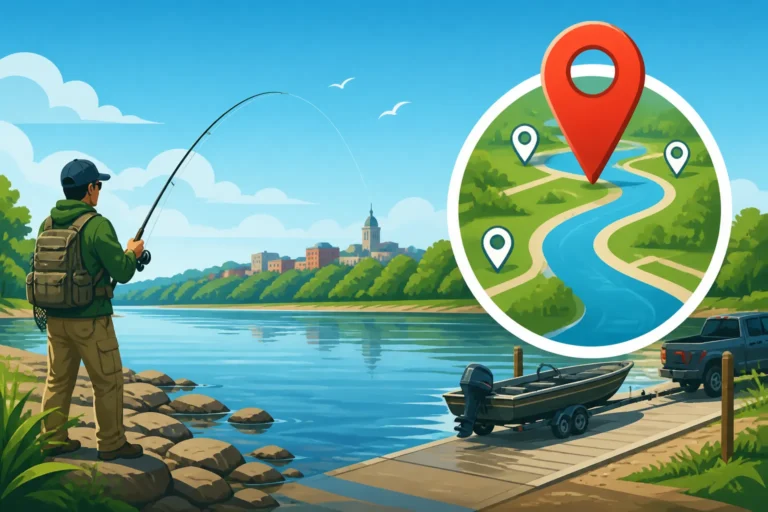
Navigating a lake the size of Red Rock can be intimidating, but thankfully, there are numerous well-maintained access points that cater to both boat and shore anglers. Knowing where to launch, where to find easy bank access, and which areas consistently hold fish will save you a lot of time and frustration. The sheer size means you'll rarely feel crowded, but it also means having a game plan is crucial.
Public Boat Ramps and Marinas
For boat anglers, Red Rock offers a fantastic array of public boat ramps and even a full-service marina. The main marinas, like the one at Lake Red Rock Marina near the dam, provide easy access to the deeper, main lake basin. This is a great starting point if you're targeting walleye or wipers in open water. Further up the reservoir, ramps at places like Roberts Creek Park, North Overlook, and Howell Station Recreation Area put you in proximity to different types of habitat.
When the water levels are high, many more ramps become accessible, allowing you to launch closer to flooded timber and backwater areas. Always check ramp conditions, especially during periods of rapidly changing water. Some ramps can become unusable or require a four-wheel-drive vehicle during extreme low or high water. If you're planning a trip and need a guide to help you navigate, services listed on platforms like FishingBooker can provide expert insights on the best launch points for current conditions.
Shore Fishing Hotspots and Piers
You don't need a fancy boat to enjoy fishing at Red Rock. There are numerous fantastic shore fishing opportunities, particularly around the recreation areas maintained by the Corps of Engineers. Designated fishing piers at places like the North Overlook and the South Overlook provide easy access to deeper water without the need for a boat. These piers are often excellent spots for crappie, catfish, and even walleye, especially during low light conditions or when fish move shallow.
Beyond the piers, extensive shoreline access can be found at parks like Elk Rock State Park, Roberts Creek Park, and Whitebreast Recreation Area. Look for areas with rocky rip-rap, points, or the mouths of feeder creeks. These locations often concentrate fish, offering reliable action for anglers using simple setups. During high water, exploring newly flooded areas from shore can yield surprising results for bass and panfish as they forage in the fresh cover. For more general advice on Shore Fishing Access Near Des Moines, many principles can be applied here.
River Arm and Backwater Fishing Opportunities
The upper reaches of Red Rock Reservoir, particularly where the Des Moines River flows in, offer a distinct fishing experience. This river arm is shallower and more current-driven than the main lake, providing excellent habitat for a different suite of fish. Here, you'll find strong populations of channel catfish, flathead catfish, and a good number of walleye and sauger, especially during their spawning runs.
Beyond the main river channel, Red Rock also features numerous backwater areas and oxbow lakes, particularly when water levels are elevated. These protected areas, often filled with submerged timber and vegetation, are prime targets for largemouth bass, crappie, and northern pike. Accessing these spots might require a smaller boat, kayak, or even wading, but the reward can be phenomenal. The river arm also ties directly into the broader Fishing the Des Moines River in Iowa experience, offering a continuum of angling possibilities.
Mastering Walleye and Sauger Fishing at Red Rock
Walleye and their close cousins, sauger, are highly prized species at Red Rock, known for their delicious fillets and challenging nature. They thrive in the reservoir's deeper, riverine sections and main lake basin, often relating to current and structure. While they can be elusive, understanding their seasonal patterns and preferred presentations can significantly increase your chances of success.
Seasonal Walleye Patterns and Locations
Walleye fishing at Red Rock is a year-round affair, but success largely depends on understanding their seasonal movements. In early spring, as ice recedes and waters begin to warm, walleye embark on their spawning run up the Des Moines River arm, congregating in the current breaks and shallower rock piles. This is a prime time for targeting them with jigs and minnows or crankbaits. As spring progresses and the spawn ends, they disperse into the main lake, often relating to points, humps, and the old river channel.
During summer, walleye typically move to deeper, cooler water, often suspending over the old river channel or holding tight to bottom structure in 15-30 feet of water. Trolling crankbaits or spinner rigs with live bait becomes highly effective. Fall sees them moving shallower again, feeding aggressively in preparation for winter, often returning to areas with good forage in 5-15 feet. Even in winter, dedicated ice anglers can find them on deeper flats and breaks. To dive deeper, check out our guide on Walleye Fishing in Iowa.
Effective Lures and Techniques for Walleye
The versatility of Red Rock's walleye population means you need a diverse tackle box. Jigs, often tipped with a minnow, plastic grub, or half a nightcrawler, are a staple, especially in current-laden areas or when fish are concentrated on structure. Vertically jigging spoons can also be deadly in deeper water. For trolling, Rapala Shad Raps, Berkley Flicker Shads, or custom painted crankbaits that dive to different depths are popular choices, matching the baitfish profile and depth.
Live bait rigs are another highly effective method, particularly during the summer and fall. A classic "crawler harness" with a snelled hook and a spinner blade, tipped with a juicy nightcrawler, trolled slowly along breaks and contours, is a proven producer. Don't forget the power of a slip bobber rig when walleye are suspended or holding over isolated cover. Experimentation with color, retrieve speed, and depth is crucial for cracking the walleye code at Red Rock. For broader advice, consider our guide on How to Catch Walleye in Iowa.
Sauger Fishing: A Unique Red Rock Opportunity
While walleye often steal the spotlight, Red Rock Reservoir also offers excellent sauger fishing, especially in the Des Moines River arm and below the dam. Sauger, similar in appearance to walleye but generally smaller and with distinct dark spots on their dorsal fin, tend to prefer more turbid, current-laden water. They are often found in deeper holes and along current seams, making them a fantastic target for river anglers.
The best time to target sauger is typically in late fall and early spring, when they are most active in the river system. Techniques mirror those for walleye, with jigs, grubs, and blade baits being particularly effective when fished near the bottom in current. They provide a strong fight and are excellent table fare, often caught alongside walleye, adding an exciting bonus to your trip. Remember to understand the Iowa Fishing Regulations Explained for sauger, as limits can sometimes differ from walleye.
Chasing Bass and Panfish: Strategies for Success
Red Rock Reservoir's extensive shoreline, varied depths, and abundant cover make it a fantastic destination for bass and panfish anglers. From the explosive strikes of largemouth bass hiding in flooded timber to the subtle bites of crappie schools, there's always action to be found. These species offer consistent fishing throughout the warmer months.
Largemouth Bass: Cover and Structure
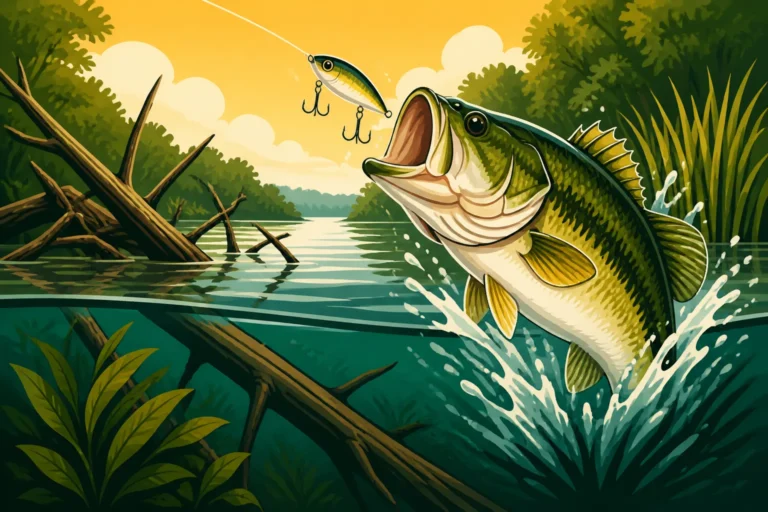
Largemouth bass at Red Rock love cover, and this reservoir provides it in spades. Look for them in areas with flooded timber, brush piles, submerged vegetation, and rocky shorelines in coves and backwater areas. The upper river arm and the protected bays are often prime largemouth territory, especially when water levels are stable or rising slightly, pushing them into new forage grounds.
During spring, bass will move into shallow, warming coves to spawn, making them vulnerable to jigs, Texas-rigged worms, and spinnerbaits. In summer, they retreat to deeper cover during the day, such as submerged creek channels or isolated brush piles, but can be caught on topwater lures in low light conditions near shore. Fall sees them feeding heavily on baitfish, and crankbaits, jerkbaits, and swimbaits become effective as they roam open water and structure.
Crappie and Bluegill: Finding the Schools
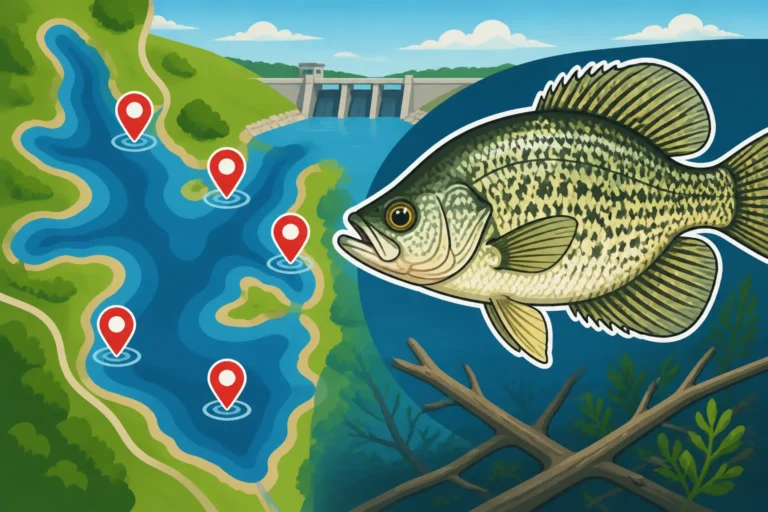
Crappie and bluegill are abundant in Red Rock and offer fantastic opportunities for anglers of all skill levels. The key to success with these panfish is finding the schools, which often relate to structure. Look for submerged timber, brush piles, old roadbeds, and bridge pilings in protected coves or along the main lake shoreline. The mouths of feeder creeks are also consistent hotspots.
Small jigs, tipped with tiny plastic grubs, minnows, or wax worms, are universally effective. When targeting crappie, vary your depth until you locate the school. A good fish finder can be invaluable for identifying these submerged structures and fish concentrations. For bluegill, a simple bobber and hook with a worm or piece of corn can lead to a steady stream of bites. Early morning and late evening are often the best times for consistent panfish action. For a deeper dive, check out our Crappie Fishing in Iowa guide.
White Bass and Wipers: Explosive Action
If you're looking for fast-paced, hard-fighting action, the white bass and wipers (hybrid striped bass) of Red Rock are your targets. These schooling predators are renowned for their aggressive feeding habits and powerful runs. Wipers, in particular, can grow to impressive sizes and put up a formidable fight, making them a favorite among many Red Rock regulars.
White bass and wipers often follow schools of baitfish in open water, making them a fantastic target for trolling or casting to surfacing schools. Look for bird activity, as gulls and terns diving often indicate baitfish being pushed to the surface by feeding predators. When you find a school, cast small spoons, inline spinners, or crankbaits into the fray for explosive strikes. The spring and fall are particularly good for these species, as they move into the river arm for spawning or congregate in predictable areas feeding. A reliable charter service found on FishingBooker can often put you directly onto these schooling fish.
Catfish Kingpins: Taming the Red Rock River Monsters
Red Rock Reservoir is an absolute paradise for catfish anglers. The Des Moines River system that feeds and flows through the lake is renowned for its robust populations of channel and flathead catfish. Whether you're a casual bank angler or a dedicated trophy hunter, Red Rock offers incredible opportunities to tangle with these whiskered giants. They are, without a doubt, one of the most reliable catches in the entire reservoir.
Channel Catfish Tactics and Prime Areas
Channel catfish are incredibly abundant in Red Rock and can be caught almost anywhere, making them a fantastic target for anglers of all skill levels. They thrive in the entire reservoir, from the swift currents of the river arm to the calmer waters of the main lake and its various coves. Look for them in deeper holes, along the edges of the old river channel, around submerged timber, and near any structure that provides current breaks.
For channel cats, patience and a good bait are your best friends. A simple bottom rig, consisting of a sinker (like an egg sinker or a no-roll sinker) above a swivel, and a leader with a single hook, is highly effective. Cast these rigs into likely areas and let the scent do the work. The beauty of channel cat fishing at Red Rock is that you can often set multiple lines from shore and wait for the bite, making it a very relaxing yet productive way to fish. For a comprehensive overview, our guide on Channel Catfish Fishing in Iowa is an excellent resource.
Flathead Catfish: Patience and Big Baits
If you're dreaming of a true monster cat, the flathead catfish of Red Rock Reservoir are there to challenge you. These predatory giants prefer live bait and often hold tight to heavy cover, such as large logjams, undercut banks, or significant submerged timber. The Des Moines River arm, particularly upstream from the main lake basin, is prime flathead territory, but they can be found in the deeper sections of the reservoir as well.
Successfully targeting flatheads requires heavier tackle—think stout rods, baitcasting reels spooled with heavy braided line, and strong circle hooks. Live bait is paramount; bluegills, sunfish, or large minnows are top choices. Rig your live bait on a strong leader with a heavy sinker to keep it in place near cover. This isn't a numbers game; flathead fishing is about patience and dedication, waiting for that one thunderous strike that could signify the fish of a lifetime. Night fishing is often the most productive for these nocturnal hunters.
Best Baits and Rigs for Red Rock Catfish
When it comes to catfish baits at Red Rock, variety is key, but some stand out as consistent producers. For channel catfish, stink baits, cut bait (like shad, carp, or even chicken liver), and prepared dough baits are all highly effective. Many anglers swear by a mixture of punch bait or a simple piece of shrimp. For flatheads, as mentioned, live bait is almost always the preferred choice. Consider using local species as bait if allowed and legal, as fish are often accustomed to feeding on what's naturally available.
Rigs should be strong and simple. A Carolina rig (running sinker above a swivel, then a leader to the hook) is versatile for both species, allowing your bait to be presented naturally near the bottom. For heavy current or targeting larger fish in thick cover, a slip sinker rig with a robust treble hook for stink bait, or a large circle hook for live bait, is ideal. Always use hooks appropriate for the size of the fish you're targeting – generally 2/0 to 5/0 for channels and 6/0 to 9/0 for flatheads.
Seasonal Fishing Strategies for Lake Red Rock
The dynamic nature of Red Rock Reservoir means that successful fishing strategies shift with the seasons. Water temperature, oxygen levels, current, and fish spawning cycles all play a crucial role in where fish are located and how they behave. Adapting your approach throughout the year is essential for consistent success.
Spring: Pre-Spawn Blitz and Rising Waters
Spring at Red Rock is a period of intense activity as the ice melts, waters warm, and fish become active. This is often heralded by the spring walleye run up the Des Moines River arm, where they stage for spawning. Anglers can find fantastic action here using jigs and minnows or casting shallow-diving crankbaits. Crappie also move into shallower, protected coves and bays, congregating around submerged brush and emergent vegetation for their spawn, making them easy targets for small jigs and minnows.
As water levels begin to rise with spring rains, largemouth bass will move into newly flooded areas, seeking cover and food. Spinnerbaits, jigs, and Texas-rigged plastics are effective in these situations. Catfish also become very active, feeding heavily as the water warms. The key to spring success is to follow the warming water and the fish as they move from deep wintering holes into shallower spawning grounds. However, be mindful of rapidly changing conditions; significant rainfall can quickly turn the water muddy and make fishing challenging.
Summer: Deep Water and Early Morning Bites
Summer on Red Rock means longer days and warmer water, which can push many species into deeper, cooler havens. Walleye and wipers often suspend over the old river channel or cling to deep humps and points, making trolling with crankbaits or live bait rigs a popular and effective method. Electronics become incredibly important for locating these deeper fish.
Largemouth bass will still be found in cover, but they'll often hold tighter to deep brush piles or submerged structure during the brightest parts of the day, moving shallower only during dawn and dusk. Night fishing for catfish becomes exceptionally productive, as these nocturnal feeders take advantage of cooler temperatures and less boat traffic. Channel and flathead catfish can be found in deeper holes or along the edges of current seams. Early mornings and late evenings are generally the best times for most species during the summer, as the midday sun can slow the bite significantly.
Fall: Feeding Frenzies and Migration
Fall is arguably one of the best times to fish Red Rock Reservoir. As water temperatures begin to drop, many species enter a "feeding frenzy" in preparation for winter. Walleye and sauger become highly active, often moving shallower and feeding aggressively on baitfish. Trolling crankbaits or casting jigs and plastics can be incredibly effective during this period.
White bass and wipers also offer explosive action, often schooling up and chasing baitfish near the surface, providing fantastic sight-fishing opportunities. Largemouth and smallmouth bass will be found in various depths, often relating to rocky points and dying vegetation as they gorge themselves. Catfish continue to feed actively, though they may start to move into deeper holes as the water cools significantly. The stable, cooler temperatures and often fewer recreational boaters make fall a truly golden time to explore all that Red Rock has to offer.
Winter: Ice Fishing Opportunities and Challenges
While Red Rock Reservoir's size and fluctuating levels can make ice fishing a bit more challenging and unpredictable than smaller, more stable lakes, opportunities certainly exist, particularly in the protected coves and shallower bays. When conditions are safe, intrepid anglers can target crappie, bluegill, walleye, and even pike through the ice. Always prioritize safety and thoroughly check ice thickness.
The upper river arm, with its shallower, more consistent depths, can sometimes freeze more reliably in certain sections. Small jigs tipped with wax worms or minnows are effective for panfish, while larger spoons or jigging Rapalas can entice walleye. Keep an eye on local reports and conditions, as the ice can be variable. Our Ice Fishing in Iowa guide provides essential safety tips and techniques for cold-weather angling.
Essential Gear and Boat Considerations for Red Rock
Fishing a large, dynamic body of water like Red Rock Reservoir demands the right equipment. From rods and reels capable of handling powerful fish to boats suited for open water and electronics that help you find fish, having the proper gear can make or break your trip. Don't let underpreparedness ruin your experience.
Recommended Rods, Reels, and Lines
For walleye and sauger, a medium-light to medium power spinning rod (6'6" to 7'6") with a fast action is ideal for jigging and casting lighter baits. Pair it with a 2500-3000 series spinning reel spooled with 8-10 lb braided line and a fluorocarbon leader for sensitivity and stealth. If trolling, a medium power baitcasting rod (7'-8') with a line counter reel spooled with 10-14 lb monofilament or braid is a great setup.
For bass, a medium-heavy to heavy power baitcasting rod (6'8" to 7'6") is versatile, allowing you to throw everything from spinnerbaits to jigs and Texas rigs. Spool with 15-20 lb fluorocarbon or 30-50 lb braid for punching through cover. For panfish like crappie and bluegill, a light to ultra-light spinning rod (5'6" to 6'6") with a small 1000-2000 series reel, spooled with 4-6 lb monofilament or braided line, offers maximum fun and sensitivity.
Catfish demand heavy-duty gear. For channel cats, a medium-heavy spinning or baitcasting rod (7'-9') with a sturdy 4000-6000 series spinning reel or a robust baitcaster, spooled with 20-30 lb monofilament or 40-65 lb braid, is perfect. For flatheads, bump that up to a heavy power rod, a large baitcasting reel (like an Abu Garcia Ambassadeur 7000 or similar), and 65-100 lb braided line.
Navigating Red Rock: Boat Types and Safety
The vastness of Red Rock means that different boat types are better suited for different conditions and fishing styles. For open-water walleye, white bass, or wiper fishing, a larger V-hull fiberglass boat or aluminum deep-V is ideal for handling chop and covering large distances quickly. These boats also offer more space for electronics and multiple anglers.
For exploring the shallower river arm or backwater coves for bass and crappie, a jon boat, bass boat, or even a robust kayak or canoe can be more practical. These smaller craft allow you to get into areas that larger boats can't reach. Regardless of your vessel, always prioritize safety. Red Rock can get very windy, leading to significant waves. Ensure you have all required safety equipment, including life jackets for everyone on board, a sound-producing device, navigation lights (if operating after dark), and a fire extinguisher. Always check the weather forecast before heading out. Our Iowa Boat Registration Requirements guide is a must-read for all boat owners.
Electronics and Tackle Box Essentials
Modern electronics are invaluable for fishing Red Rock. A good fish finder with GPS and mapping capabilities can help you navigate the vast reservoir, mark waypoints on productive spots, identify the old river channel, and locate submerged structure and fish. Side imaging and down imaging features are particularly useful for scanning large areas quickly and identifying subtle fish-holding cover.
Your tackle box should be comprehensive, reflecting the diverse species and conditions. Include a variety of jigs (jig heads from 1/16 oz to 1 oz), crankbaits (shallow, medium, and deep divers), spinnerbaits, spoons, soft plastics (worms, creature baits, grubs), and essential terminal tackle (hooks, weights, swivels, bobbers). Don't forget a good pair of pliers, line cutters, and a measuring tape. And of course, plenty of live bait if you're targeting catfish or using live bait rigs for walleye.
Regulations and Conservation for Sustainable Fishing
Fishing at Red Rock Reservoir, like all public waters in Iowa, is governed by a specific set of regulations designed to protect fish populations and ensure sustainable angling for future generations. Understanding and adhering to these rules is not just about avoiding fines; it's about being a responsible steward of this incredible natural resource.
Key Iowa Fishing Regulations Specific to Red Rock
While general Iowa Fishing Regulations Explained apply statewide, it's always wise to double-check specific regulations for Red Rock, as some large reservoirs or border waters can have unique rules. The Iowa Department of Natural Resources (DNR) publishes an annual fishing regulations booklet, which is essential reading. Pay close attention to daily bag limits and length limits for species like walleye, bass, and crappie. For example, walleye and sauger often have specific size and possession limits that vary by water body.
Always ensure you have a valid Iowa fishing license. You can purchase these online through the GoOutdoors Iowa platform, at many bait shops, or directly from the Iowa DNR. Children under a certain age are typically exempt, but it's important to know the exact age cutoff. During the Iowa Free Fishing Weekend Guide, licenses are not required, offering a great opportunity to introduce newcomers to the sport, but all other regulations still apply.
Protecting the Resource: Catch and Release Practices
While keeping a limit of fish for a delicious meal is a cherished part of the fishing experience, practicing selective harvest and catch-and-release is vital for maintaining healthy fish populations in Red Rock. Consider releasing larger, mature breeding fish (especially trophy-sized bass or walleye) to ensure they can continue to contribute to the gene pool. Conversely, don't be afraid to keep smaller, legal-sized fish for the dinner table, as this can help thin out overpopulated panfish or fast-growing species.
When practicing catch and release, handle fish carefully. Minimize their time out of the water, use wet hands to avoid removing their protective slime coat, and use barbless hooks when possible to facilitate quick release. If a fish is deeply hooked, cut the line as close to the hook as possible rather than trying to forcefully remove it, as this can cause more harm. Education and responsible angling ensure that Red Rock remains a thriving fishery for years to come.
Planning Your Trip: Licenses and Local Services
Before heading out to Red Rock, always ensure your Iowa Fishing License Guide is in order. You can easily purchase or renew your license online through the Iowa DNR website or the GoOutdoors Iowa app, which you can read more about in our guide on Buying an Iowa Fishing License on the GoOutdoors App. If you're an out-of-state angler, familiarize yourself with the specific Iowa Fishing Rules for Out-of-State Anglers, as nonresident licenses differ.
Beyond licenses, consider local services. There are bait shops in nearby towns like Pella and Knoxville that can provide up-to-date fishing reports and sell live bait, tackle, and other essentials. If you're looking to maximize your time on the water or want expert guidance, consider hiring a local fishing guide. Websites like FishingBooker can help you find experienced guides who specialize in Red Rock, offering valuable insights and putting you on the fish. They often know the nuances of the lake's ever-changing conditions better than anyone.
Disclaimer
Please note that fishing regulations, conditions, and fish behaviors are subject to change. Always consult the most current Iowa Department of Natural Resources fishing regulations before heading out. The information provided in this guide is for general informational purposes only and should not be considered legal or professional advice. Always prioritize safety on the water.