Best Fishing Piers in Iowa State Parks
For many Iowans, and even our out-of-state visitors, the thought of fishing conjures up images of peaceful mornings on the water. But let's be real: not everyone has a boat, and finding great shore access that gets you to productive water can be a real headache. That's where Iowa's state park fishing piers shine, offering an accessible, often stellar way to get your line wet and find some fantastic fish. This guide will help you discover the absolute best piers in our beautiful state parks, making your next angling adventure a breeze.
The Undeniable Appeal of Iowa State Park Fishing Piers
There's something uniquely inviting about a fishing pier, isn't there? It’s not just a wooden platform stretching out into the water; it’s a gateway to angling opportunities that might otherwise be out of reach for many. Iowa's state parks have really stepped up their game in providing these fantastic structures, recognizing that not every angler can or wants to buy a boat.
Accessibility for All Anglers
One of the biggest advantages of fishing piers in Iowa State Parks is their incredible accessibility. Think about it: how often have you driven past a beautiful lake, only to realize that every promising spot requires a boat or involves trudging through thick brush and uneven terrain? Piers eliminate that frustration entirely. They're built for easy access, often with paved pathways leading directly from parking lots, making them a dream come true for families with young children, seniors, and anyone with mobility challenges.
Imagine bringing your grandkids for their very first fishing trip. Instead of worrying about them tumbling into the water from a rocky bank or navigating a slippery shoreline, you can relax on a sturdy, railed pier, where everyone has space and a sense of security. Many of these piers are designed to be truly handicap-accessible, featuring wide, flat surfaces, gentle ramps, and even lower railings in certain sections to accommodate wheelchairs. This inclusivity means that fishing, a pastime that soothes the soul and builds connections, is open to everyone, regardless of physical limitations.
Prime Access to Deeper Water and Structure
Beyond just getting a line in the water, state park piers often provide anglers with a distinct advantage: access to deeper water and prime fish-holding structure that's simply unattainable from most shorelines. While bank fishing usually limits you to shallower areas, piers extend out, sometimes hundreds of feet, reaching those hidden gems where the big ones like to lurk.
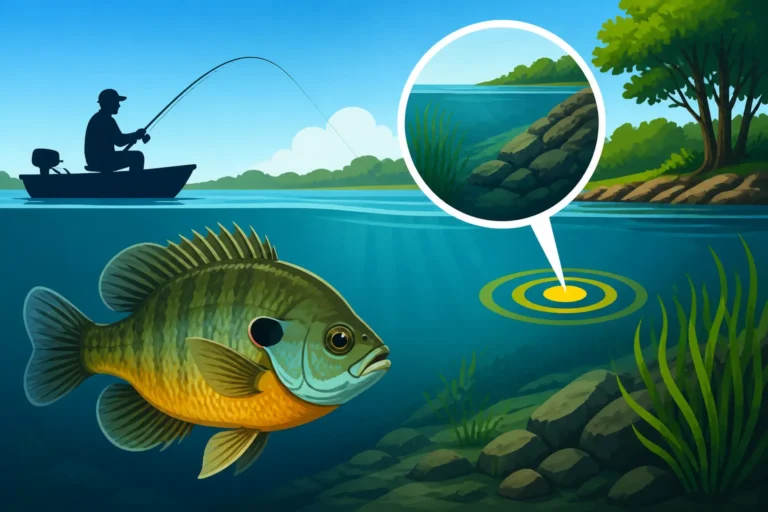
These structures often stretch over drop-offs, near weed lines, submerged timber, or rock piles—all classic fish habitat. This means you're not just casting into open water; you're casting into the strike zone for species like cunning walleye, feisty largemouth and smallmouth bass, plump crappie, and hard-fighting channel catfish. You might even find yourself in an area where local guides, often found through services like FishingBooker, take their clients to target trophy fish. Being able to reach these spots without launching a boat opens up a whole new world of techniques and possibilities.
Safe, Family-Friendly Environments
Another major draw of fishing piers in Iowa State Parks is the overall environment they provide. State parks are, by nature, places of natural beauty and tranquility, and their piers reflect this ethos. You're typically greeted with clean facilities, well-maintained surroundings, and a sense of community among fellow anglers.
The safety features on these piers are a huge plus for families. Sturdy railings prevent accidental tumbles, and the paved or wooden surfaces are far more stable than muddy banks. Beyond just fishing, the parks often offer a full day's worth of activities. You'll find nearby picnic areas perfect for a mid-day meal, clean restrooms, and sometimes even playgrounds for the kids to burn off extra energy once their attention span for fishing wanes. It transforms a simple fishing trip into a full-fledged family outing, creating memories that go far beyond just the catch.
Spotlight on Iowa's Premier Fishing Piers in State Parks
Iowa is blessed with an abundance of beautiful state parks, and many of them boast fantastic fishing piers. While nearly every state park lake will have some sort of dock or bank access, certain parks really stand out for the quality and productivity of their fishing piers. Let's cast our lines into some of the best the state has to offer.
Lake Macbride State Park – Solon
Located near Solon, Lake Macbride State Park is a jewel in eastern Iowa, and its fishing piers are a big reason why. This expansive lake is known for its diverse fishery, including respectable populations of walleye, largemouth bass, crappie, bluegill, and channel catfish. The piers here are thoughtfully placed, often extending into areas that give anglers direct access to structure or deeper water.
You'll find multiple piers around Lake Macbride, each offering a slightly different experience. Many are modern, accessible structures, providing plenty of room for multiple anglers to spread out. From these piers, you can target crappie and bluegill around submerged brush piles or near the pier pilings themselves, especially in the spring and fall. For those hoping for walleye or bass, casting out into the deeper sections or along subtle contours reachable from the pier can be highly productive. The park itself is beautiful, with hiking trails and boat ramps, making it easy to spend an entire day enjoying the outdoors. To truly make the most of your trip, check out our guide on Best Fishing at Lake Macbride for more in-depth tips.
Big Creek State Park – Polk City
Just a short drive north of Des Moines, Big Creek State Park is one of central Iowa's most popular outdoor destinations, and its fishing piers are a major draw. Big Creek Lake is a fantastic fishery, holding strong populations of walleye, crappie, bluegill, and channel catfish. It's truly a multi-species haven, and the piers here are designed to capitalize on that.
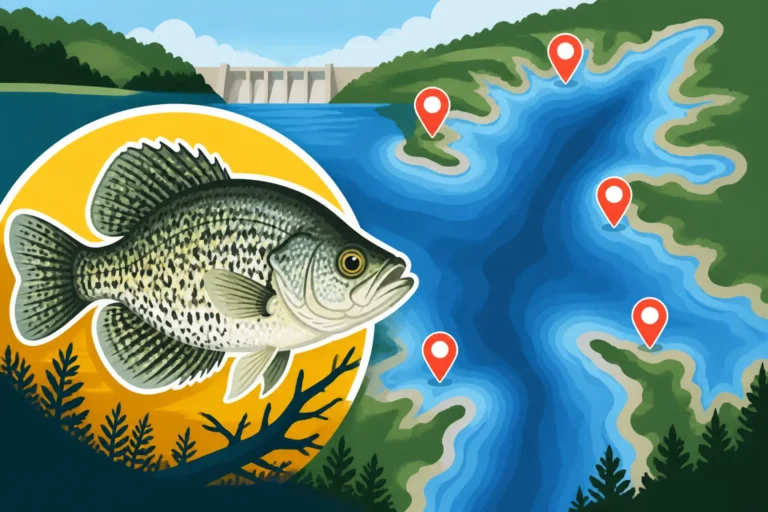
The park features several robust, accessible fishing piers, some quite long, reaching well beyond the typical shoreline depths. These piers often put you right over prime crappie brush piles or near subtle humps where walleye like to stage. The accessibility features are excellent, making it a favorite for families and anglers of all abilities. If you're targeting walleye, the piers at Big Creek offer a great chance to catch them without a boat, especially during low-light conditions or specific seasons. For detailed information on fishing this lake, you might want to read our dedicated articles on Best Fishing at Big Creek Lake and Is Big Creek Lake Good for Walleye?.
Clear Lake State Park – Clear Lake
When you talk about Iowa lakes, Clear Lake almost always comes up in conversation, and for good reason. Clear Lake State Park, on the southern shore, provides excellent access, including some fantastic fishing piers. Clear Lake is renowned for its walleye fishery, but it also boasts healthy populations of yellow bass, crappie, and bluegill, all of which are accessible from the piers.
The piers at Clear Lake State Park are generally long and well-maintained, allowing anglers to cast into productive waters where the lake's namesake walleye cruise. These piers are particularly popular during the spring and fall when fish are more active in shallower, accessible zones. You can often see anglers jigging for yellow bass, which tend to school up, or soaking minnows for crappie. The lively atmosphere of Clear Lake, combined with the convenience of pier fishing, makes it a top choice. Dive deeper into catching those elusive walleye by checking out our guides on Clear Lake Walleye Fishing and Where to Catch Walleye at Clear Lake.
Lake Ahquabi State Park – Indianola
South of Des Moines, Lake Ahquabi State Park offers a quieter, more intimate fishing experience, complete with excellent pier access. Lake Ahquabi is a smaller, more serene lake, making it a wonderful spot for a relaxed day of fishing, especially for panfish like bluegill and crappie, as well as a good number of largemouth bass and channel catfish.
The piers at Lake Ahquabi extend into calm, productive waters, often over weed beds or near drop-offs where panfish love to congregate. These are perfect spots for a bobber and a worm, introducing beginners to the joy of a tug on the line. The park's peaceful setting, coupled with the user-friendly piers, makes it an ideal destination for families and those seeking a tranquil angling experience. The facilities are generally well-kept, with accessible parking close to the fishing areas, ensuring a comfortable visit for everyone.
Lake Manawa State Park – Council Bluffs
On the western side of the state, near Council Bluffs, Lake Manawa State Park offers another excellent pier fishing option. This lake is a popular recreational hub, but it also provides solid fishing opportunities, particularly for channel catfish, largemouth bass, and various panfish. The fishing piers here are strategically located to give anglers the best chance at a bite.
Lake Manawa's piers are often found in areas that provide quick access to deeper water or subtle structure, allowing anglers to target the lake's healthy populations. Catfish anglers frequently find success here, especially in the evenings, using cut bait or stink bait. The park is well-equipped with amenities, including multiple accessible piers, paved loops, and plenty of other activities like a beach, hiking trails, and even a dog park, making it a versatile destination for the whole family.
Essential Gear and Techniques for Pier Fishing
Alright, so you’ve picked your state park and you’re ready to hit the pier. Now, what do you need to bring, and how do you actually catch fish from one of these platforms? Don't worry, it's not as complicated as setting up a full bass boat, but a few key items and techniques can make all the difference.
Recommended Rods, Reels, and Line
For general pier fishing in Iowa, versatility is key. You're likely targeting a mix of species, from panfish to catfish, and potentially even some walleye or bass. A medium-light to medium action spinning combo is usually your best bet.
- Rod: Look for a spinning rod between 6 and 7 feet long. A medium-light action will give you the sensitivity to feel subtle bites from crappie or bluegill, while still having enough backbone to handle a decent-sized bass or catfish. If you're primarily targeting larger catfish or walleye, a medium-action rod might be a bit more appropriate for handling heavier weights and stronger fish. Our Best Rod and Reel Guide for Iowa Anglers offers a comprehensive breakdown of options.
- Reel: A spinning reel in the 2500 to 3000 size range will balance well with your rod. It offers enough line capacity and a smooth drag system for most pier encounters. For more on matching your reel to your target species, consider our piece on Best Reel Size for Walleye Fishing.
- Line: 6 to 10-pound monofilament or braided line is generally ideal. Monofilament is a classic choice, offering good knot strength and stretch, which can be forgiving. Braided line, on the other hand, offers superior sensitivity and strength for its diameter, which can be really helpful for detecting light bites at a distance. If you go with braid, consider a 6-10 foot fluorocarbon leader for stealth, as braid can be more visible in clear water.
Top Baits and Lures for Pier Success
This is where the fun begins! The beauty of pier fishing is that you can effectively use both live bait and a variety of artificial lures. What you choose often depends on what's biting and your target species.
- Live Bait:
- Worms: Hands down, the most versatile bait. Nightcrawlers or red worms are irresistible to bluegill, crappie, and especially channel catfish. Simply hook a piece on a small hook under a bobber or on a bottom rig.
- Minnows: Essential for crappie, walleye, and bass. Hook them through the lip or back and fish them under a bobber or on a jig head. For spring crappie, this is often the secret weapon, as detailed in our Best Bait for Spring Crappie guide.
- Leeches: Often a walleye magnet, especially when fished on a slip bobber rig.
- Artificial Lures:
- Small Jigs: Think 1/32 to 1/8 ounce jigs tipped with a small plastic grub or tube. These are deadly for crappie and bluegill. Chartreuse, white, and black are common effective colors.
- Spinners: In-line spinners or spinnerbaits can entice bass and even aggressive walleye. Cast them out and retrieve slowly.
- Crankbaits: Small to medium-sized crankbaits, especially those with a moderate diving lip, can be cast and retrieved for bass and walleye that are cruising deeper near the pier.
- Catfish Baits: For channel catfish, specialized stink baits, cut bait (like pieces of shad or sunfish), or even chicken livers are highly effective on a bottom rig. Learn more about effective choices in our Best Bait for Channel Catfish article.
Understanding Pier Structure and Fish Behavior
To truly excel at pier fishing, it helps to understand why fish are there and how they relate to the pier itself. Piers aren't just launch pads for your bait; they are often fish habitat.
- Shade and Shelter: The pier pilings and the deck above create shade, which fish love, especially on bright, sunny days. This shade provides cover and a cooler spot in the water column. Cast close to the pilings or let your bait drift underneath the pier.
- Structure: The pilings themselves, or any debris that collects around them, can act as artificial reefs, attracting baitfish and in turn, predatory game fish. Don't be afraid to drop your bait straight down next to a piling.
- Depth Changes: Piers are often built to reach deeper water. Pay attention to how the depth changes as you cast further out. Fish will often hold along these contours or drop-offs.
- Casting Strategies:
- Parallel Casting: Sometimes, casting parallel to the pier, rather than straight out, can be very effective, allowing your bait or lure to cover a longer stretch of productive water along the edge of the pier's shadow or structure.
- Fan Casting: If you're not getting bites in one spot, try fan casting – making casts in a fan pattern around your position to cover as much water as possible.
- Observation: Don't just stare at your line. Watch what other anglers are doing if they're catching fish. Are they using bobbers? Bottom rigs? What kind of bait? Also, look for signs of fish activity – minnows jumping, boils on the surface, or even fish swimming near the pier. Patience and observation are your best pier fishing buddies.
Making the Most of Your State Park Pier Fishing Trip
Fishing from a pier is more than just dropping a line; it’s about the whole experience. To truly maximize your time and increase your chances of success, a little planning and respect for the environment and fellow anglers go a long way.
Planning Your Visit for Optimal Results
Just like any other type of fishing, timing can be everything when it comes to pier fishing in Iowa. A little forethought can turn a so-so trip into a memorable one.
- Best Times of Day: Generally, the prime fishing hours from a pier mirror those for boat fishing: dawn and dusk. These low-light periods are when many species, particularly walleye and bass, are most active and likely to feed near the shallower, accessible water around a pier. Mid-day can be slower, especially in summer, but panfish can still be caught if you target shady areas or deeper water.
- Optimal Seasons: While you can catch fish year-round from many piers (even ice fishing adjacent to them in winter if conditions allow), spring and fall are often the most productive. In spring, fish move shallow for spawning or post-spawn feeding. Fall sees fish bulking up for winter. Our comprehensive guides on Iowa Fishing Seasons Explained, Spring Fishing in Iowa, and Fall Fishing in Iowa will give you excellent seasonal insights.
- Checking Conditions: Before you head out, quickly check the weather forecast, including wind direction and speed. Strong winds can make casting difficult and might churn up the water, affecting clarity. Also, look for recent fishing reports or state park updates. Some parks or local bait shops might even provide information on recent stockings or what's currently biting.
- Utilizing Resources: If you're keen to explore a wider range of fishing options or even book a guided trip to truly master pier techniques, sites like FishingBooker offer a fantastic resource for connecting with local guides and charters. Before heading out, checking FishingBooker for local guide availability can also give you insights into what's currently biting, even if you plan to fish from the pier yourself. This kind of local intelligence can dramatically improve your success.
Respecting Regulations and Fellow Anglers
Fishing piers are public spaces, often popular ones, so practicing good etiquette and adhering to regulations is crucial for everyone's enjoyment.
- Iowa Fishing Regulations: Always, always be aware of the current Iowa Fishing Regulations Explained. This includes understanding Iowa Fishing License Guide requirements (yes, even for pier fishing), Iowa Fishing Daily Bag Limits Guide for the species you're targeting, and any size restrictions. Keep your license readily available, either physically or digitally on your phone.
- Space and Courtesy: Piers can get crowded, especially on weekends. Be mindful of your casting space and avoid casting directly over or near other anglers' lines. Give people their space, especially if they're actively fighting a fish. A simple "Mind if I cast here?" goes a long way.
- Noise and Cleanliness: Keep noise levels down, especially during prime fishing hours. Respect the peaceful atmosphere of the state park. And perhaps most importantly, pack out everything you pack in. This includes discarded fishing line, bait containers, and any trash. Leave the pier cleaner than you found it. It’s a shared resource, and we all have a responsibility to maintain its beauty.
Beyond the Catch: Enjoying the State Park Experience
While catching fish is undoubtedly a highlight, don't forget that you're in an Iowa State Park! These natural havens offer so much more than just fishing.
- Explore the Park: After you’ve had your fill of fishing, take advantage of the other amenities. Many state parks have extensive hiking or biking trails that weave through scenic landscapes. A post-fishing hike can be a wonderful way to stretch your legs and soak in more of nature's beauty.
- Picnics and Playgrounds: Utilize the picnic areas for a leisurely lunch. If you're with family, the playgrounds can be a great way for younger kids to burn off energy.
- Wildlife Viewing: State parks are teeming with wildlife. Keep an eye out for birds, deer, squirrels, and other creatures that call the park home. It's a fantastic opportunity for nature photography or simply quiet observation.
- Camping: Many state parks offer camping facilities, allowing you to turn your fishing trip into an overnight or weekend getaway. Waking up in the park and being just a short walk from your favorite pier is an experience everyone should try. Making your fishing trip a holistic outdoor adventure truly maximizes the value of your state park visit.
Accessibility and Amenities: Ensuring a Comfortable Experience
Iowa's state parks are committed to making outdoor recreation enjoyable for everyone. This commitment is particularly evident in the design and features of many of their fishing piers and surrounding facilities.
Handicap-Accessible Piers and Facilities
The days of struggling to get to a good fishing spot are, thankfully, becoming a thing of the past thanks to increased focus on accessibility. Many of Iowa's state park fishing piers are specifically engineered with universal access in mind.
You'll often find these piers boast:
- Gentle Ramps: Instead of stairs, smooth, gradual ramps lead directly to the pier.
- Wide Walkways: Ample space ensures that wheelchairs, strollers, and walkers can navigate easily and safely.
- Lowered Railings: Sections of the pier may feature lower railings or open cutouts, allowing anglers in wheelchairs or small children to comfortably reach the water's edge and cast.
- Firm Surfaces: Whether it's composite decking or smoothly planed wood, the surfaces are stable and easy to traverse.
- Nearby Accessible Restrooms: Crucially, accessible restrooms are typically located within a short, paved distance of these piers, adding to the comfort and convenience for all visitors.
These features mean that fishing isn't just a possibility; it's a comfortable and enjoyable reality for individuals of all physical abilities. For more detailed information on specific locations, our guide on Best Handicap-Accessible Fishing Piers in Iowa is an invaluable resource. The goal is to remove barriers, allowing everyone to experience the joy and therapeutic benefits of fishing in Iowa's beautiful natural settings.
Convenient On-Site Amenities
Beyond the piers themselves, the surrounding state park amenities significantly enhance your fishing trip. You're not just going to a pier; you're going to a fully equipped outdoor destination.
Consider the following conveniences:
- Clean Restrooms: Accessible and regularly maintained restrooms are standard in most state parks, a huge comfort for longer outings, especially with kids.
- Picnic Areas and Grills: Many piers are situated near shaded picnic tables and charcoal grills. This means you can easily plan a delicious lunch or dinner, perhaps even grilling up some of your fresh catch (after checking regulations, of course!).
- Playgrounds: For families with energetic youngsters, playgrounds offer a perfect diversion when the fish aren't biting or when the kids need a break from holding a rod.
- Boat Rentals: While the focus is on pier fishing, some state parks with piers also offer boat or kayak rentals, providing an alternative way to explore the lake if you decide to venture further out.
- Information and Safety: Park offices or kiosks often provide maps, local fishing information, and emergency contact details, ensuring a safer and more informed visit.
Before heading to your chosen state park, it’s always a good idea to check the park's official website or call ahead to confirm specific amenities and their operating hours. This way, you can pack accordingly and arrive fully prepared for a fantastic day of fishing and outdoor enjoyment.
Compare Iowa State Park Fishing Piers
To help you choose the perfect pier for your next adventure, here's a quick comparison of some of the top state park fishing piers in Iowa, highlighting their key features and what makes them stand out.
| State Park (Location) | Primary Fish Species | Accessibility Features | Notable Amenities |
|---|---|---|---|
| Lake Macbride (Solon) | Walleye, Bass, Crappie, Catfish | Paved access, wide pier, accessible restrooms | Boat ramps, hiking trails, beach, nature center |
| Big Creek (Polk City) | Walleye, Crappie, Bluegill, Catfish | Multiple accessible piers, paved paths, low railings | Beach, extensive trails, boat rentals, concessions |
| Clear Lake (Clear Lake) | Walleye, Yellow Bass, Panfish | Paved parking, wide pier, benches, accessible paths | Lighthouse, boat ramps, camping, historic areas |
| Lake Ahquabi (Indianola) | Bluegill, Crappie, Bass | Accessible parking, firm pier surface, nearby restrooms | Beach, hiking, historic lodge, peaceful atmosphere |
| Lake Manawa (Council Bluffs) | Catfish, Bass, Panfish | Several accessible piers, paved loops, ample parking | Beach, trails, disc golf, dog park, concession |
| Red Haw (Chariton) | Crappie, Bluegill, Bass | Accessible pier, easy parking | Redbud trees (stunning in spring), camping, trails |
| Pike Run (Oskaloosa) | Bass, Bluegill, Catfish | Accessible pier, quiet location | Peaceful setting, wildlife viewing, picnic areas |
Disclaimer
The information provided in this guide is for general informational purposes only and is not intended as legal advice regarding fishing regulations. Fishing regulations in Iowa can change, and it is the angler's responsibility to consult the most current Iowa Department of Natural Resources (DNR) fishing regulations prior to any fishing activity. Always adhere to all local, state, and federal laws and regulations.