How to Troll Crankbaits for Crappie
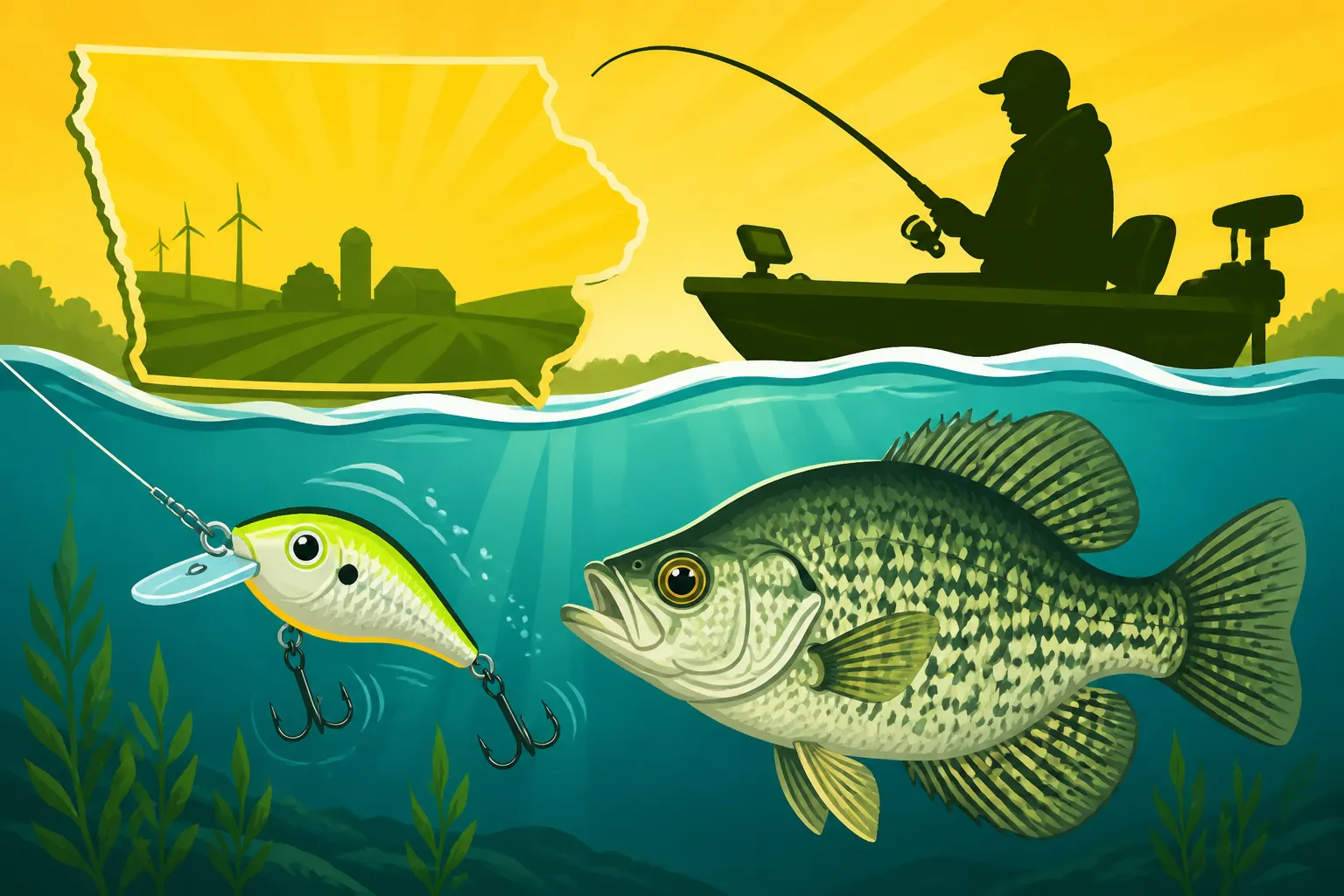
Are you tired of endlessly casting to the same brush pile, hoping for a bite, only to find the crappie scattered and nowhere to be found? Or maybe you're out on a big Iowa lake, staring at a vast expanse of water, wondering how on earth to locate those elusive schools? It’s a common frustration, but there’s a powerful technique that can transform your crappie game: trolling crankbaits. This guide will walk you through everything you need to know to effectively troll crankbaits for crappie, helping you cover more water, find fish faster, and ultimately, put more slabs in your cooler.
Why Trolling Crankbaits is a Game-Changer for Iowa Crappie
Many anglers in Iowa traditionally target crappie by casting jigs to visible structure like docks, submerged timber, or brush piles. While this can be incredibly effective when fish are concentrated, it falls short when crappie are spread out, suspended in open water, or actively chasing baitfish. This is where trolling crankbaits shines, offering several distinct advantages.
Covering Vast Expanses of Water Efficiently
Imagine you're on a large body of water like Rathbun Lake or Saylorville Reservoir, and the crappie aren't holding tight to obvious cover. They might be suspended at a particular depth over a submerged creek channel or following schools of baitfish in the middle of a bay. Trying to find these fish by casting can feel like searching for a needle in a haystack. Trolling allows you to systematically cover a wide area, presenting your bait at a consistent depth and speed, greatly increasing your chances of intercepting active fish. You're no longer waiting for the fish to come to you; you're actively seeking them out. This approach is invaluable during periods like the post-spawn when crappie disperse from their spawning grounds and spread out across the lake.
Mimicking Forage and Triggering Reaction Bites
Crankbaits are designed to imitate baitfish, which is a primary food source for crappie throughout much of the year. When trolled, these lures swim with a wobbling or darting action that perfectly mimics a fleeing or injured minnow. This realistic presentation can trigger aggressive reaction strikes from crappie, even if they're not actively feeding. Different crankbaits offer various profiles, colors, and actions, allowing you to match the prevalent forage in specific Iowa waters. For instance, if you notice schools of gizzard shad on your fish finder, selecting a crankbait with a similar size and silver flash can be incredibly effective. The consistent motion of a trolled crankbait can also draw fish out of cover or convince wary crappie to strike when they might ignore a stationary bait.
Targeting Specific Depths with Precision
One of the biggest challenges in crappie fishing is consistently presenting your bait at the exact depth where the fish are holding. Crappie are notorious for suspending at very specific depths, sometimes just a few feet below the surface, other times 20 feet down over much deeper water. Trolling crankbaits allows you to achieve this precision. By selecting crankbaits with specific diving depths, using different line types, and controlling your trolling speed, you can dial in your presentation to hit that sweet spot where the crappie are stacked. Your fish finder becomes your best friend here, helping you identify the depth of baitfish and crappie schools, then allowing you to select the appropriate lure and technique to reach them. This is especially crucial in summer when crappie often suspend deeper to find cooler, more oxygenated water.
Essential Gear for Trolling Crappie Crankbaits
Getting set up for trolling crankbaits isn't overly complicated, but having the right gear can make a significant difference in your success and enjoyment. You don't need to break the bank, but investing in a few key items will pay dividends.
Rods, Reels, and Line Selection
For crappie trolling, you're generally looking for rods that are sensitive enough to detect light bites but have enough backbone to handle a fighting crappie and the drag of the lure.
- Rods: A good starting point is a light to medium-light action rod, typically 6 to 8 feet long. Many anglers opt for longer rods, even up to 10 or 12 feet, especially if they're running multiple lines out the side of the boat. These longer rods help spread out your lines, prevent tangles, and provide a wider coverage area. Fiberglass or composite rods are often preferred over graphite for trolling due to their forgiving nature and ability to absorb shock, which prevents hooks from tearing out of a crappie's soft mouth. Consider models like the B'n'M Poles Capps and Coleman Trolling Rods or similar crappie-specific trolling rods you might find on Amazon.
- Reels: Small spinning reels (size 1000-2500) or baitcasting reels with a smooth drag system are ideal. Spinning reels are generally easier for beginners and provide good versatility. Some experienced crappie trollers prefer baitcasters for their line control and ease of use when letting out specific amounts of line, especially if they are employing line counter reels for precision depth control.
- Line: Monofilament line in 4 to 8-pound test is a popular choice for trolling crappie crankbaits. Its stretch helps absorb the shock of a strike and allows crankbaits to run deeper than braided line. The lighter the line, the deeper your crankbait will dive, so keep that in mind. If you want more sensitivity and less stretch, a low-diameter braided line (e.g., 10-pound test with 2-pound mono diameter) can be used, often with a fluorocarbon leader (6-8 pound test) to provide invisibility and some stretch at the lure. Braided line can be particularly useful when you need to feel subtle changes in the lure's action or detect light bites in windy conditions.
The Right Crankbaits for Iowa Crappie
This is where the fun begins! Crappie crankbaits come in a dazzling array of colors, sizes, and diving depths. The key is to have a selection that allows you to adapt to different conditions and depths.
- Size: Generally, crappie crankbaits are smaller than those used for bass or walleye, ranging from about 1.5 to 3 inches. Lures like the Bandit 200 Series or the Rapala Shad Rap are classic choices, available in sizes suitable for crappie.
- Color: Your color choice can be crucial. On bright, sunny days and in clear water, natural baitfish patterns (shad, minnow, perch) often work best. In stained or muddy water, or on cloudy days, brighter, more contrasting colors like chartreuse, orange, firetiger, or clown patterns tend to be more visible and effective. Don't be afraid to experiment! Many anglers swear by specific colors for different Iowa lakes, so ask around at local bait shops if you can.
- Diving Depth: This is perhaps the most important factor when selecting a crankbait for trolling. Lures are designed to dive to specific depths at certain trolling speeds. You'll need a range of shallow, medium, and deep divers to cover the water column effectively.
- Shallow Divers (0-5 feet): Great for targeting crappie in shallower water, over submerged grass, or just below the surface during low-light conditions.
- Medium Divers (5-12 feet): Your bread-and-butter for many situations, covering a significant portion of the water column in many Iowa lakes and river backwaters.
- Deep Divers (12-20+ feet): Essential for reaching suspended crappie in deeper parts of lakes during summer or early fall.
Here’s a quick reference table for common crankbait diving ranges:
| Crankbait Type/Series | Typical Length | Typical Diving Depth (on 6lb mono) | Common Uses |
|---|---|---|---|
| Bandit 100 Series | 1.75 inches | 0-4 feet | Shallow crappie, top of brush piles |
| Bandit 200 Series | 2 inches | 4-8 feet | Mid-depth crappie, weed edges |
| Bandit 300 Series | 2.25 inches | 8-12 feet | Deeper crappie, creek channels |
| Rapala Shad Rap (SR5-SR7) | 2-2.75 inches | 4-10 feet | Versatile for various depths, natural presentation |
| Strike King Pro-Model 3/4 Silent | 1.75 inches | 6-10 feet | Excellent search bait, good for clear water |
| Wally Diver/Deep Wee-R | 2-2.5 inches | 8-15+ feet | Deep-water crappie, open water suspension |
Remember that the actual diving depth can vary based on line diameter, trolling speed, and the amount of line let out.
Electronics and Accessories
Modern electronics are invaluable for successful crappie trolling.
- Fish Finder/Depth Finder: This is non-negotiable. A good fish finder allows you to identify crappie schools, baitfish, and key underwater structure like brush piles, ledges, and creek channels. Pay attention to the depth at which fish are suspended. Brands like Garmin, Lowrance, and Humminbird offer excellent options.
- GPS: Integrated with your fish finder or as a standalone unit, GPS helps you track your trolling paths, mark waypoints where you find fish, and navigate effectively. This is crucial for repeating successful passes.
- Trolling Motor: An electric trolling motor (bow-mount or transom-mount) is essential for maintaining precise, slow speeds and steering your boat silently. Spot-Lock features on modern trolling motors (like those from Minn Kota or Motorguide) are incredibly useful for staying on a productive trolling path or holding over a hot spot.
- Rod Holders: When running multiple lines, sturdy rod holders are a must. They keep your rods secure, prevent tangles, and allow you to quickly grab a rod when a fish hits. Look for adjustable models that can be mounted to your boat's gunwales.
- Line Counter Reels: While not strictly necessary, line counter reels take the guesswork out of how much line you have out, allowing you to replicate successful presentations precisely. This can be a huge advantage for consistency.
Mastering Crankbait Trolling Techniques in Iowa Waters
Once you have your gear ready, it's time to put it to use on the water. Trolling effectively involves a blend of understanding crappie behavior, boat control, and constant adjustment.
Finding the Right Trolling Speed
Speed is paramount when trolling crankbaits for crappie. Too fast, and your lures might blow out or run too shallow; too slow, and they won't have the desired action.
- General Range: Most crappie anglers troll crankbaits between 0.8 and 1.8 miles per hour (mph). However, this can vary greatly depending on water temperature, crappie activity levels, and the specific crankbait you're using.
- Experimentation is Key: Start in the middle of this range, say 1.2 mph, and observe your lure's action and how your fish finder marks fish. If you're not getting bites, try increasing or decreasing your speed in small increments (e.g., 0.1 mph). Sometimes, a slight change in speed can be the difference between a slow day and a hot bite. Warmer water often means fish are more active and willing to chase a faster bait, while colder water might necessitate a slower presentation.
- Using GPS: Your boat's GPS or fish finder will display your speed over ground (SOG). Use this to maintain a consistent speed and to record successful speeds in your notes. When you're fishing a large lake like Clear Lake, consistent speed across different areas can be vital.
Depth Control and Lure Presentation
Getting your crankbait to the correct depth is critical. This involves understanding your lures and how different factors affect their diving capabilities.
- Line Out: The more line you let out, the deeper your crankbait will dive, up to a certain point. This is where line counter reels really shine, allowing you to replicate a precise amount of line for a successful depth. If you don't have line counters, simply count "pulls" off your reel or measure a set length with a ruler before deploying.
- Line Type: As mentioned, monofilament line has more stretch and less density than braided line, causing crankbaits to run deeper. If you switch from mono to braid, your lures will run shallower, so you'll need to adjust the amount of line out accordingly.
- Trolling Speed: Faster speeds generally cause crankbaits to dive deeper (within their design limits) due to increased water pressure on the lip. However, excessively fast speeds can cause them to blow out, losing their action and rising.
- Weighting Systems: For reaching extreme depths with smaller crappie crankbaits, or to fish crankbaits deeper than their natural dive curve, anglers sometimes use additional weight. This can include:
- Snap Weights: These clip directly onto your main line a set distance in front of your lure, pulling it deeper. They are easy to add and remove for depth adjustments.
- Lead Core Line: This specialized line changes color every 10 yards, with each color segment typically taking your lure down about 5 feet at a given speed. It allows for precise depth control without additional weights on your line, making it popular for covering specific depth bands. However, it requires a heavier rod and reel setup.
- Reading Your Electronics: Your fish finder is your best friend. Look for suspended crappie and baitfish, noting their depth. Then, select a crankbait and adjust your line out and speed to present your lure slightly above the fish, or right through the middle of the school. Sometimes, fish will suspend just above structure like a submerged roadbed or hump, and hitting that specific depth with your crankbait can be deadly.
Boat Control and Patterning Fish
Trolling isn't just driving in a straight line; it's a dynamic process of adapting to the fish and the environment.
- Contour Trolling: Instead of just going straight, try following depth contours. For example, if you find fish at 10 feet along a break line, try to keep your boat at that 10-foot depth as you troll, often meaning you're navigating parallel to the shore or a drop-off. This keeps your baits in the strike zone longer. This technique is particularly effective on lakes like Coralville Reservoir or Red Rock Reservoir where contour lines often hold fish.
- Zig-Zag Patterns: Don't be afraid to make slight turns. When your boat turns, the crankbaits on the inside of the turn will slow down and drop slightly, while those on the outside will speed up and rise. This erratic action can often trigger strikes from wary crappie who might ignore a perfectly straight retrieve. It's a fantastic way to impart extra action to your lures.
- Marking Waypoints: Whenever you get a bite or catch a fish, mark a waypoint on your GPS. This allows you to identify productive areas and troll back through them. Over time, you'll start to see patterns emerge, such as specific depths, structures, or trolling paths that consistently hold fish. Understanding these patterns is key to unlocking the secrets of crappie on any given day. Remember to check out the Iowa Fishing Atlas Access Points to find prime areas with good access.
- Using Multiple Rods: In Iowa, you're generally allowed to use up to three lines per angler (check the latest Iowa Fishing Regulations Explained for specifics, as rules can vary). Using multiple rods with different crankbaits, colors, or depths allows you to quickly identify what the crappie are keying in on. Once you find a successful pattern, you can switch all your rods to match that setup. Spreading your lines out with longer rods and planning your turns carefully will minimize tangles.
Troubleshooting Common Trolling Challenges and Advanced Tips
Even experienced trollers face challenges. Knowing how to troubleshoot and applying a few advanced strategies can keep you catching crappie even when conditions are tough.
Dealing with Snags and Lost Lures
Snags are an inevitable part of trolling, especially when fishing near submerged brush piles, timber, or rocky bottoms.
- Listen to Your Rod Tips: Pay attention to your rod tips. A change in the vibration or a sudden stop often indicates a snag before your line snaps.
- Quick Reaction: As soon as you suspect a snag, immediately stop the boat or put it in reverse. This often frees the lure. Sometimes, a sharp snap or jiggle of the rod can also dislodge it.
- Lure Retrievers: Investing in a good lure retriever can save you a lot of money in lost crankbaits. These devices slide down your line and use chains or hooks to snag the lure, often freeing it from the obstruction. You can find various types of lure retrievers on Amazon.
- Depth Awareness: Constantly monitor your fish finder to stay aware of the bottom depth and any upcoming structure. If you see a thick brush pile approaching, you might need to briefly lift your rod tips or make a slight turn to avoid it. Knowing how to read water for structure fishing is a crucial skill.
- Sacrificial Lures: On especially snaggy days, consider running a less expensive "sacrificial" crankbait on one of your outside lines.
When Crappie Aren't Biting: Adjusting Your Approach
Sometimes, despite your best efforts, the crappie just aren't biting. Don't get discouraged; instead, start experimenting.
- Change Speed: This is often the first adjustment to make. Vary your speed incrementally, trying both faster and slower presentations.
- Change Depth: Are you hitting the fish at the right depth? Try deeper or shallower lures, or adjust the amount of line you're letting out. Crappie can move up or down the water column throughout the day.
- Change Color: If natural colors aren't working, try bright, contrasting colors. If bright colors are a bust, switch to more subtle, natural baitfish patterns. Sometimes, a slight change in hue can make all the difference.
- Change Lure Action: Different crankbaits have different actions (tight wobble, wide wobble, darting). If one isn't working, try a crankbait with a different action.
- Check Water Clarity: Water clarity can significantly impact crappie behavior and lure choice. In stained water, noise and vibration become more important. In very clear water, a more subtle, natural presentation might be required.
- Look for New Locations: If you've exhausted your adjustments in one area, move to another. Check different types of structure – open water humps, creek channels, deep points, or even the main lake basin. Some days, the fish might be concentrated on deeper structure, especially if you're fishing a spot like the Mississippi River Pool 9.
- Consider Time of Day/Weather: Crappie often have peak feeding times, such as early morning, late evening, or during specific weather patterns. Pay attention to how weather affects bass fishing and how this might apply to crappie.
Advanced Tips for Consistent Success
Once you've got the basics down, these tips can elevate your crappie trolling game:
- Mapping Technology: Use detailed lake maps (either on your fish finder or through apps like Navionics or C-MAP) to identify potential trolling routes. Look for submerged creek channels, humps, ledges, and transition areas where crappie are likely to stage or feed.
- Maintain Your Lures: Inspect your crankbaits regularly. Check for bent hooks, cracked lips, or any debris on the hooks that could affect the lure's action. Sharp hooks are essential for converting bites into catches. You can easily replace hooks found on Amazon.
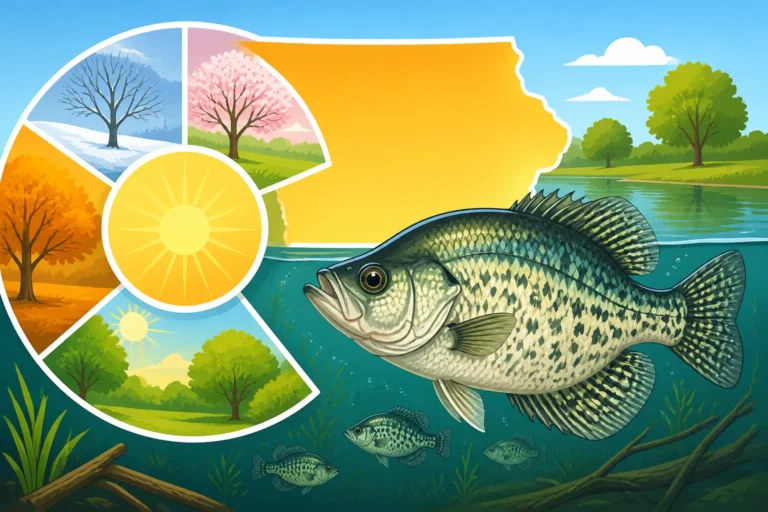
- Seasonal Adjustments: Understand how crappie behavior changes throughout the year.
- Spring: During the pre-spawn and spawn, crappie move into shallower water. You might troll shallower diving crankbaits near banks or submerged cover. After the spawn, they'll start dispersing, making trolling more effective. Check out Post-Spawn Crappie Patterns in Iowa.
- Summer: Crappie often suspend deeper to find cooler water. This is prime time for trolling medium to deep-diving crankbaits over open water, especially early in the morning or late evening.
- Fall: As water temperatures drop, crappie often feed heavily, moving to deeper ledges and creek channels. Trolling can be incredibly productive as they fatten up for winter.
- Winter: If the lake isn't frozen, deep trolling can still work. Otherwise, ice fishing for crappie becomes the go-to method.
- Live Bait Combo: Don't be afraid to mix it up. Some anglers will troll crankbaits on some lines and live minnows on slip bobbers or jigs on others, especially if they are trying to narrow down the fish's preference. This is an excellent way to see what the crappie are truly interested in on a given day.
- Netting Technique: When a crappie hits, keep the boat moving slightly forward until you have the fish near the boat. This keeps tension on the line and helps prevent the fish from throwing the hook. Use a good, soft-mesh landing net to scoop the fish cleanly, avoiding tangles in the net.
Trolling crankbaits for crappie is a rewarding technique that allows you to efficiently locate and catch these popular panfish, especially when they're scattered across vast Iowa waters. By understanding the gear, mastering the techniques, and continually adjusting to conditions, you'll open up a whole new world of crappie fishing possibilities. So grab your rods, tie on some crankbaits, and get out there – those Iowa slabs are waiting!
Disclaimer
The information provided in this guide is for general informational purposes only and is not intended as legal advice regarding fishing regulations. Always consult the official Iowa Department of Natural Resources (DNR) regulations before fishing, as rules and limits can change. Ensure you possess a valid Iowa Fishing License Guide and are aware of all Iowa Fishing Daily Bag Limits Guide and other specific rules for the waters you intend to fish.