Best Portable Ice Shelter for One Person
There's nothing quite like the crisp air and quiet solitude of ice fishing in Iowa, but let's be honest, staying warm and comfortable when you're out there solo can be a real challenge. You want to chase those panfish or find a hungry walleye, but dragging a massive, heavy shelter by yourself just isn't practical, and sitting exposed to the wind and biting cold can quickly turn a great day into a miserable one. This guide is all about helping you find the absolute best one-person portable ice shelter that offers the perfect balance of warmth, mobility, and ease of use, making your solo ice fishing adventures in Iowa far more enjoyable and productive.
Why a One-Person Portable Ice Shelter is a Game-Changer for Solo Anglers
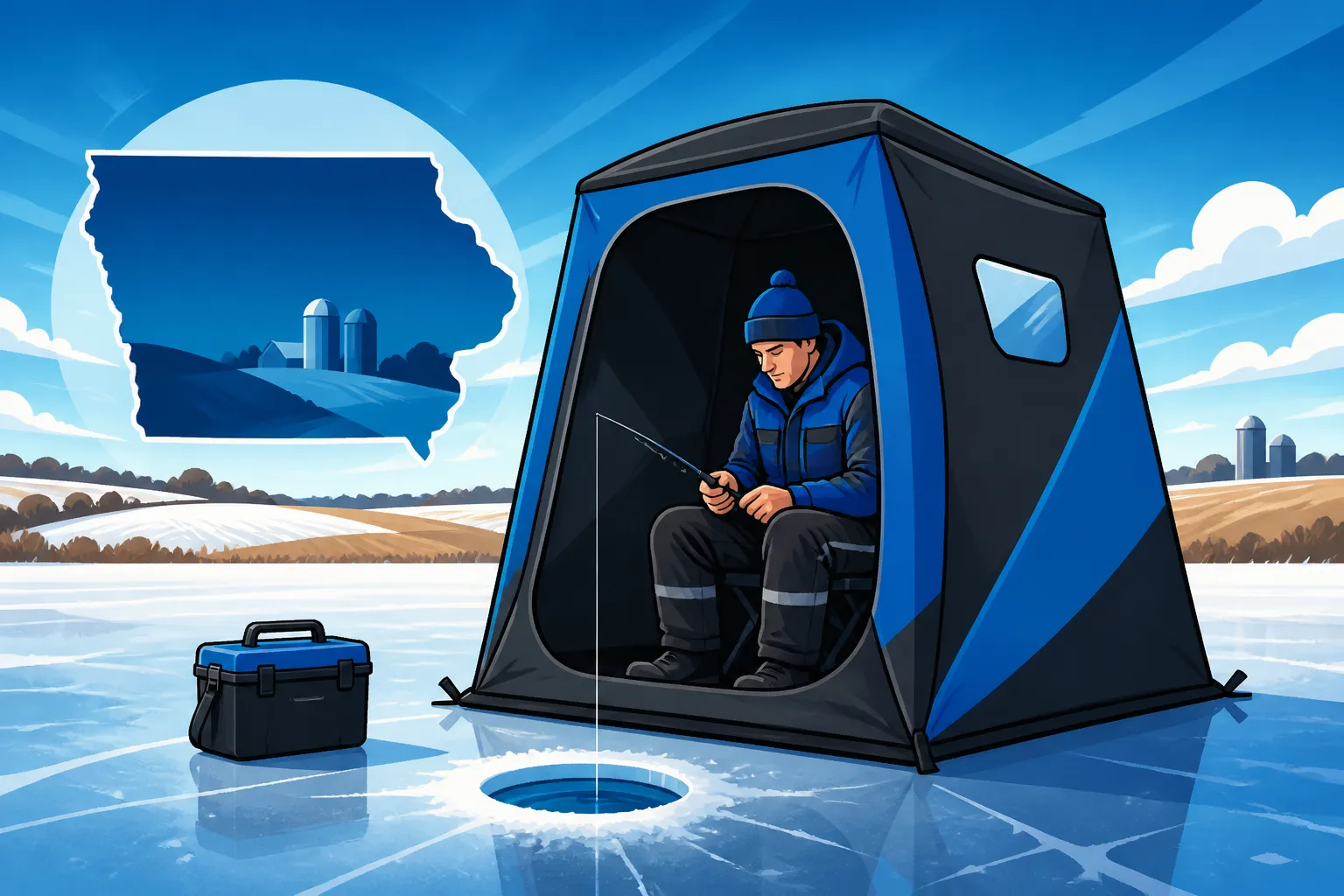
When you hit the ice alone, your gear setup needs to be streamlined and efficient. A large, multi-person shelter might offer ample space, but it's a beast to transport and set up by yourself, especially when you're hopping from one spot to the next, trying to locate active fish. That's where a one-person portable ice shelter truly shines – it's designed with the solo angler in mind, prioritizing quick deployment, easy relocation, and essential protection from the harsh Iowa elements.
The Freedom of Mobility and Stealth
One of the biggest advantages of fishing by yourself is the ability to move without consulting a group. A compact, lightweight, one-person shelter empowers this mobility. Imagine seeing a school of crappies on your Fish Finders and Electronics for Iowa Anglers screen a hundred yards away. With a bulky, multi-person shack, you'd likely just watch them swim by, or spend a good chunk of time packing up and resetting. But with a nimble solo shelter, you can literally pick it up and move in minutes, staying on top of the fish. This stealthy approach also means less disturbance to the ice and the fish below, allowing you to get right into the action without spooking your targets. This is especially true when targeting skittish fish like walleye or panfish in pressured waters.
The ability to be a true "run-and-gun" angler is invaluable, particularly when the bite is sporadic or specific to certain depths or structures. You can drill a few holes, check your electronics, and if nothing's happening, you're not locked into that spot. Just fold up your shelter, toss it on your sled, and you're off to the next promising area. This freedom is what many solo ice anglers crave, allowing them to truly explore a lake or reservoir and find the hot spots. It removes the dread of packing up and relocating, turning it into a simple, efficient part of your fishing strategy.
Essential Protection from Iowa's Harsh Elements
Let's face it, Iowa winters can be brutal. Wind chills can plummet, and even a sunny day can turn bitterly cold when a strong breeze kicks up. Trying to fish exposed in these conditions is not only uncomfortable, but it can also be genuinely dangerous, leading to hypothermia or frostbite. A one-person portable ice shelter provides that crucial barrier between you and the elements, allowing you to focus on fishing instead of shivering. It blocks the wind, traps your body heat, and even provides a bit of shade on bright, sunny days, reducing glare.
Think about those days when a sudden snow squall blows in, or the mercury drops faster than predicted. Your portable shelter becomes your sanctuary. It allows you to stay out longer, be more comfortable, and fish more effectively. You can easily manage your tackle, bait your hooks, and handle fish without your fingers going numb. For more on staying safe, check out Ice Fishing Safety on Iowa Lakes. The protection offered isn isn't just about comfort; it's about extending your time on the ice and increasing your chances of success, ensuring you can endure those long stretches waiting for a bite without feeling completely drained by the cold.
Quick Setup and Teardown for Dynamic Fishing
One of the most appealing aspects of a solo portable ice shelter is its incredible ease of use. Unlike traditional permanent shacks or even larger portable models, these one-person units are designed for rapid deployment and takedown. Many popular designs, like the hub-style shelters, can be popped up in under a minute by simply pulling out the hubs. Flip-over models are even faster – you just unlatch and flip them over your drilled holes. This speed means less fumbling with frozen fabric and poles, and more time actually fishing.
This efficiency is particularly beneficial when you're dealing with constantly changing conditions or when you're trying to cover a lot of ice. You can quickly set up your shelter, drill a few holes, and if the fish aren't biting after a short while, you're not committed. You can pack up just as fast and move to a new location. This dynamic approach is key to success on challenging days, allowing you to cover more water and increase your odds of finding active fish. For tips on managing the cold, see How Warm to Dress for Iowa Ice Fishing. This ability to transition quickly from one spot to the next is a significant advantage over less mobile setups.
Key Features to Look For in a Single-Person Ice Shelter
Choosing the right one-person ice shelter involves more than just picking the first one you see. There are several critical features that contribute to its performance, durability, and your overall comfort on the ice. Understanding these will help you make an informed decision that suits your specific fishing style and the demands of Iowa's winter weather.
Material Quality and Insulation Matters
The shell material of your ice shelter is your primary defense against the elements. Look for shelters made from durable, heavy-duty fabrics, often denier nylon or polyester, with a high denier count (e.g., 300D, 600D, 900D). A higher denier count generally indicates a tougher, more tear-resistant fabric. Beyond durability, insulation is crucial for staying warm. Many premium one-person shelters feature thermal insulation, often a layer of cotton or synthetic batting sandwiched between two layers of fabric. This thermal layer significantly reduces heat loss and condensation, making a huge difference in comfort, especially on very cold or windy days.
A non-insulated shelter might be lighter and cheaper, but you'll spend more on propane for a heater, and you'll feel every gust of wind. An insulated shelter, while a bit heavier and more expensive, provides a much more stable and comfortable interior environment. It helps hold in the heat generated by your body or a small portable heater, and it dramatically cuts down on the annoying dripping from condensation that can plague non-insulated models. Brands often highlight their proprietary thermal fabrics, so pay attention to those descriptions. This material quality is truly an investment in your comfort and longevity on the ice.
Portability, Weight, and Packed Size
Since you're going solo, portability is paramount. You'll be carrying, dragging, or loading this shelter by yourself, so its weight and packed size are incredibly important.
Weight: Aim for a shelter that you can comfortably lift and carry short distances, or easily load onto a sled or into your vehicle. Most one-person shelters will range from 15 to 40 pounds, with insulated models typically on the heavier side. Consider how far you usually walk onto the ice. If you're often hiking long distances, every pound matters.
Packed Size: Pay attention to the dimensions when the shelter is folded or collapsed. Will it fit easily in your car trunk or back seat? Can you comfortably strap it onto a snowmobile or ATV? A compact packed size makes transportation and storage much less of a hassle. For basic gear recommendations, check out Ice Fishing Gear Basics for Beginners.
Flip-over style shelters often integrate into a sled, which can be fantastic for dragging your gear, but also means a larger overall footprint when packed. Hub-style shelters typically collapse into a long bag, which can be easier to fit into tighter spaces. Evaluate your vehicle's capacity and your typical mode of transport to and from your fishing spots. Some anglers even rig up specific sleds or custom mounts for their shelters to optimize transport. Remember, the easier it is to move, the more likely you are to actually use it and stay mobile on the ice.
Design and Space Considerations Hub vs. Flip-Over
The two primary designs for portable ice shelters are hub-style and flip-over style, each with distinct advantages for the solo angler.
Hub-Style Shelters: These are essentially pop-up tents for the ice. They feature fiberglass poles that "hub" out to create a cube or rectangular shape. They are generally lighter for their interior space, offer more headroom, and pack down into a relatively compact, elongated bag. Setup involves pulling out the hubs, which can be very fast. They offer excellent interior space for standing, moving around, and managing multiple holes. They usually require separate anchoring into the ice, which can be done with ice anchors. You can find a good selection of these on Amazon.
Flip-Over Shelters: These shelters are integrated into a sled base, which serves as your gear hauler and fishing platform. When you get to your spot, you simply unlatch the tent fabric and "flip" it over your head to deploy. Setup is incredibly fast. They tend to be heavier than hub shelters, but the sled design makes them easy to pull across the ice. The sled also keeps your gear organized and off the snow or slush. Many models feature comfortable seats that fold down. The downside is that they are bulkier and typically have less headroom than hub shelters, and their packed footprint is larger due to the integrated sled. Think about your preferred fishing style – do you value standing room and maximum fishable area, or lightning-fast deployment and integrated gear transport? The Best Ice Shelter for Iowa Winters might depend on these preferences.
| Feature | Hub-Style Shelter | Flip-Over Shelter |
|---|---|---|
| Setup Speed | Very fast (pull hubs) | Extremely fast (flip over) |
| Portability | Lighter weight, compact bag (elongated) | Heavier, larger footprint (integrated sled) |
| Interior Space | More headroom, typically more fishable area | Less headroom, integrated seating |
| Transportation | Carried or dragged on separate sled | Sled base acts as gear hauler |
| Insulation | Available in insulated/non-insulated options | Available in insulated/non-insulated options |
| Wind Resistance | Good when properly anchored | Excellent (low profile, solid base) |
| Anchoring | Requires separate ice anchors | Attached to sled, often more stable |
Top Considerations When Choosing Your Solo Shelter
Beyond the basic design and materials, there are several other factors that can significantly impact your experience with a one-person portable ice shelter. Thinking through these details will help you fine-tune your choice and ensure you end up with a shelter that truly meets your needs.
Ventilation and Safety Features
Proper ventilation is absolutely vital, especially if you plan on using a portable heater inside your shelter. Without adequate airflow, carbon monoxide can build up to dangerous levels. Look for shelters that include at least two closable vents, ideally located on opposite sides to allow for cross-ventilation. These vents should be adjustable so you can control the amount of airflow based on conditions. Many anglers also recommend carrying a portable carbon monoxide detector, a small investment that could save your life. Safety should always be your top priority on the ice.
Beyond ventilation, consider other safety aspects. Are the zippers heavy-duty and easy to operate, even with gloves on? Can the doors be opened easily from both the inside and outside? Is there enough room to quickly exit in an emergency? Some shelters also come with reflective accents or materials, which can be a small but useful safety feature for visibility, especially during low-light conditions or heavy snowfall. Remember, being prepared means being safe, and a well-designed shelter contributes to that.
Budgeting for Your Ideal One-Person Shelter
Ice shelters, even single-person models, come in a range of prices. You can find basic, non-insulated hub shelters for a more budget-friendly cost, while fully insulated flip-over models with integrated seating and heavy-duty sleds will naturally be a larger investment. Before you start shopping, determine what you're willing to spend. Remember that a higher price often correlates with better materials, more insulation, and enhanced features like better zippers, stronger poles, and more robust sleds.
Consider this purchase an investment in your comfort and success on the ice for years to come. Sometimes, spending a little more upfront for a quality, insulated shelter will save you money in the long run on propane (due to less heat loss) and will certainly make your time on the ice more enjoyable. While you might find some good deals online at places like Amazon, don't forget to check dedicated outdoor retailers like Bass Pro Shops for their range and expertise, especially when it comes to understanding the nuances of different models. Balancing cost with features and durability is key to making a wise purchase.
Accessories and Enhancements for Comfort
While the shelter itself is the main event, a few key accessories can significantly enhance your comfort and fishing experience in a one-person portable ice shelter.
- Heater: A small, portable propane heater is almost a necessity for most Iowa ice fishing days. Make sure to choose one appropriate for the size of your shelter and always ensure proper ventilation.
- Lighting: Even during the day, the inside of a shelter can be dim. A battery-powered LED lantern or string lights can make a huge difference for visibility, especially when tying knots or re-baiting in the early morning or late evening.
- Seating: If your shelter doesn't come with integrated seating, a comfortable, folding ice chair or bucket seat is crucial. Standing all day can be tiring, and a good seat improves your posture and reduces fatigue.
- Floor Mats/Rug: A simple piece of carpet or an interlocking foam mat can add an extra layer of insulation from the cold ice, keeping your feet warmer and reducing dampness inside.
- Rod Holders: Built-in or clamp-on rod holders can keep your rods organized and out of the way, especially important in a smaller space.
Don't underestimate the impact of these small additions. They can turn a functional shelter into a truly comfortable and efficient fishing station, allowing you to focus completely on the task at hand – catching fish! For some specialized gear, you might also want to look at Ice Fishing Gear Basics for Beginners.
Setting Up and Using Your Portable Ice Shelter Effectively
Having the best one-person portable ice shelter is only half the battle. Knowing how to set it up efficiently, maximize its space, and properly maintain it will ensure you get the most out of your investment and enjoy countless successful days on the ice.
Site Selection and Anchoring Techniques
Choosing the right spot for your shelter is more than just finding fish. Consider the wind direction; setting up with the back of your shelter facing into the wind will minimize wind flap and heat loss through the door. Avoid setting up in areas with deep slush if possible, as it can freeze your shelter to the ice. Once you've drilled your holes and checked the Best Ice Thickness for Safe Ice Fishing, position your shelter so your holes are easily accessible from your seat.
Anchoring is critical, especially for hub-style shelters in windy conditions. Always use the provided ice anchors, screwing them firmly into the ice at each attachment point. For added stability, especially if you plan to use a heater or stay for an extended period, consider using guy ropes attached to additional anchors. Even flip-over shelters benefit from anchoring in strong winds, ensuring they don't get tossed around or lift off the ice. Taking the time to properly anchor your shelter can prevent a lot of frustration and potential damage.
Maximizing Interior Space and Organization
Even in a one-person shelter, space can feel limited, so efficient organization is key.
- Vertical Storage: Use interior mesh pockets, gear hammocks, or small hanging organizers to keep tackle, snacks, and small tools off the floor. This frees up precious floor space around your fishing holes.
- Minimalist Approach: Only bring what you truly need for a solo trip. Leave bulky items at home. A small tackle box, essential tools, a thermos, and a few key baits are often sufficient.
- Smart Seating: If your shelter has integrated seating, utilize any storage compartments underneath. If you're using a separate bucket or chair, ensure it has a small footprint but is still comfortable.
- Rod Management: Use rod holders to keep your rods secure and out of the way when not in use. This prevents accidental tangles and damage, especially important when reeling in a fish.
By being mindful of how you arrange your gear, you can create a much more comfortable and functional fishing environment, even in a compact space. This allows you to easily switch between techniques or grab a new bait without feeling cramped or disorganized. When fishing for specific species, such as targeting walleye with a Best Tip-Up Setup for Iowa Walleye Through Ice, careful arrangement is even more important.
Maintenance and Storage for Longevity
To ensure your one-person portable ice shelter lasts for many seasons, proper maintenance and storage are essential.
- Clean After Each Use: Before packing up, brush off any snow or ice. Once home, let the shelter dry out completely, preferably in a warm, dry space like a garage or basement. Packing it away wet can lead to mold, mildew, and fabric degradation.
- Inspect Regularly: After each trip, quickly check for any small tears, bent poles, or sticky zippers. Addressing minor issues quickly can prevent them from becoming major problems. Repair kits for small tears are widely available.
- Lubricate Zippers: Periodically lubricate your zippers with a silicone-based spray to keep them running smoothly, especially if they start to get stiff.
- Proper Storage: Store your dry, clean shelter in its original bag or a heavy-duty storage tote in a cool, dry place, away from direct sunlight and pests. This protects the fabric and poles from unnecessary wear and tear.
Taking these simple steps will significantly extend the life of your investment, ensuring your portable ice shelter is ready for action every time When Ice Fishing Season Typically Starts in Iowa. A well-maintained shelter will continue to provide you with warmth and comfort on all your solo ice fishing adventures.
Disclaimer
This article is for general informational purposes only and does not constitute professional advice. Laws, prices and regulations vary by location and change over time. Consult a qualified professional for guidance on your specific situation.