Panfish Limit on the Mississippi River
Fishing the mighty Mississippi River along Iowa's eastern border is an incredible experience, but it comes with a unique set of rules that can often leave even seasoned anglers scratching their heads. It’s not just about knowing where the fish are biting; you also need to understand the specific daily limits, especially for popular panfish species, which can differ significantly from inland Iowa waters. This comprehensive guide will meticulously break down the panfish limits on the Mississippi River, helping you stay compliant, fish responsibly, and thoroughly enjoy your time on these legendary waters.
Understanding Panfish Regulations on the Mississippi River
The Mississippi River isn't just another body of water in Iowa; it's a massive, shared ecosystem that touches multiple states. This unique status means its fishing regulations are often more complex than those for smaller, entirely within-state lakes or rivers. Ignoring these nuances can lead to misunderstandings and, unfortunately, penalties.
Why Specific Limits Exist for Border Waters
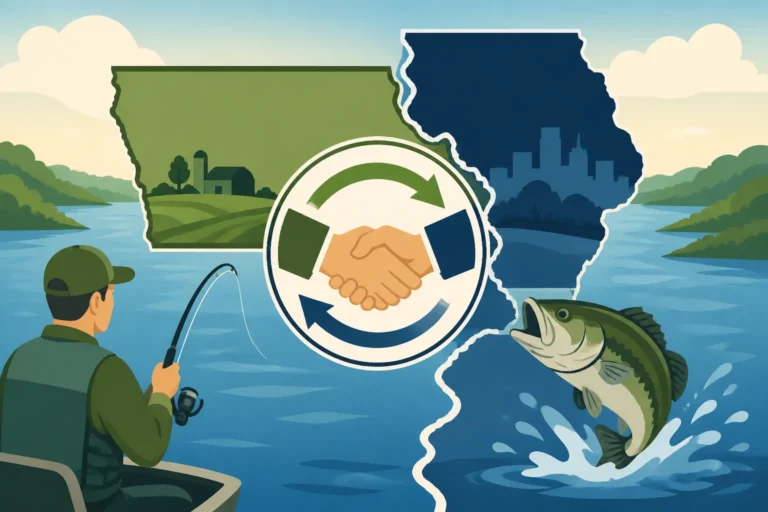
When you're casting a line in the Mississippi, you're not just fishing in Iowa. Depending on where you are, you could be bordering Illinois or Wisconsin. This makes the river a shared resource, and managing its fish populations requires cooperation and specific agreements between state wildlife agencies. The Iowa Department of Natural Resources (DNR) works closely with its counterparts in neighboring states to establish a consistent set of rules for border waters. This collaborative effort is crucial for several reasons:
First and foremost, it's about conservation. The Mississippi River is a vital artery for many fish species, and setting appropriate limits helps ensure sustainable populations for future generations of anglers. Over-harvesting, even of abundant species like panfish, can disrupt the delicate balance of the ecosystem. Secondly, these specific limits aim to simplify things for anglers who might cross state lines during a single fishing trip. Imagine the headache if the limit changed every hundred yards! While there are still some intricacies, the goal is to provide a unified framework. Finally, these regulations often consider the unique ecology of the Mississippi itself, which might support larger populations of certain species compared to smaller, landlocked bodies of water, allowing for slightly different management strategies.
General Panfish Species Included
When we talk about "panfish" on the Mississippi River, we're generally referring to a collection of smaller, highly popular, and delicious fish species that are a blast to catch for anglers of all skill levels. These are the fish that often end up in the frying pan, hence the name! The primary panfish species you'll encounter on the Iowa stretch of the Mississippi River, and for which specific limits apply, include:
- Crappie: Both Black Crappie and White Crappie are abundant, often found near submerged timber, brush piles, and eddies.
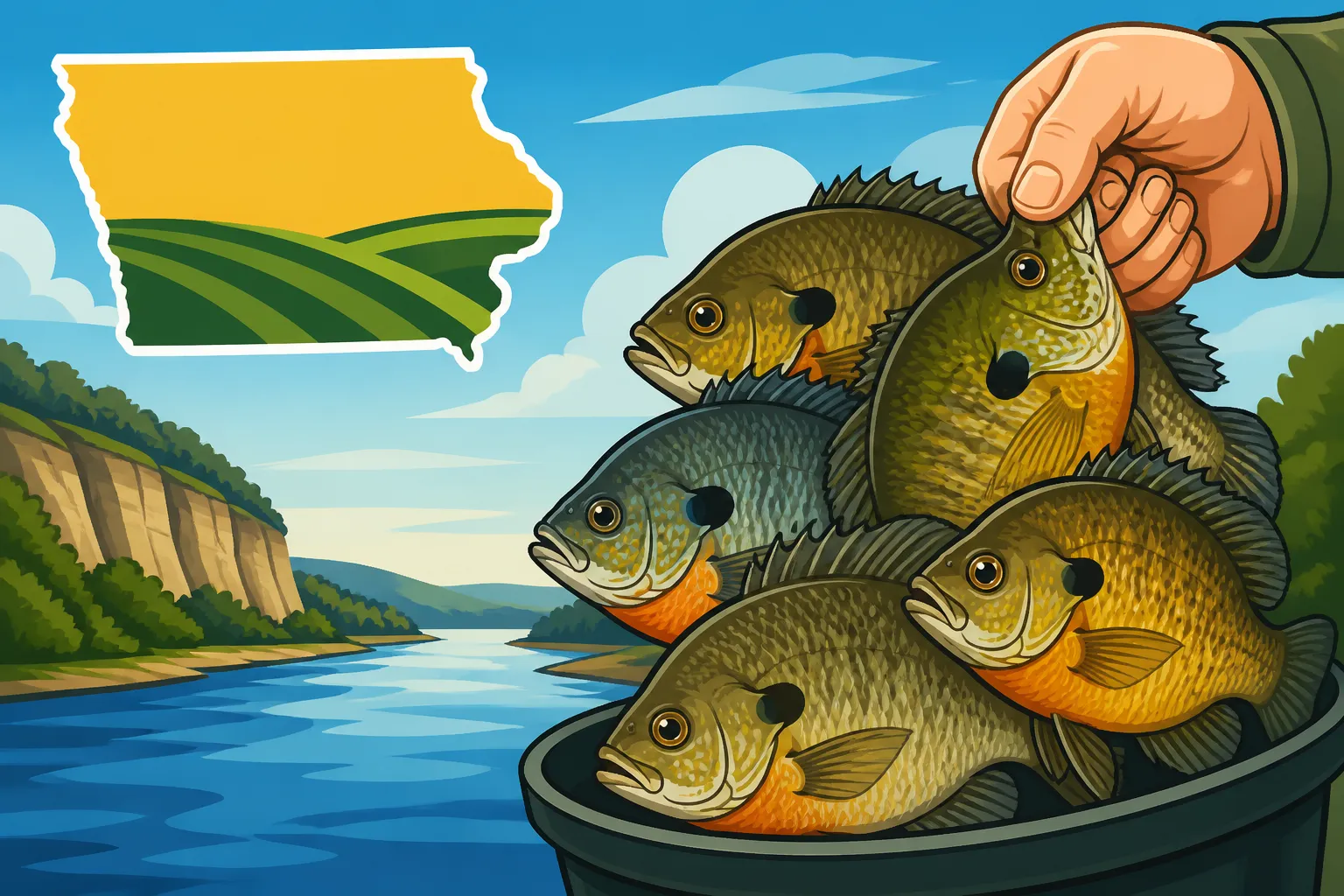
- Bluegill: A quintessential panfish, bluegill are widespread and a favorite target for their aggressive bites and fighting spirit.
- Other Sunfish: This category often includes species like Green Sunfish, Pumpkinseed, Redear Sunfish, and Warmouth. They share similar habitats and often school together.
- Yellow Bass: While sometimes confused with white bass, yellow bass are distinct panfish known for their schooling behavior and willingness to bite.
- Perch: Specifically Yellow Perch, these fish are often found in deeper, cooler waters, particularly during certain times of the year, and are prized for their flavor.
Understanding which species fall under the "panfish" umbrella is your first step to adhering to the regulations. While all these are generally considered panfish, the specific daily bag limits can vary slightly between groups, which we'll dive into next.
Iowa's Panfish Daily Bag Limits on the Mississippi
Navigating the daily bag limits for panfish on the Mississippi River requires paying close attention to the details, as there isn't one blanket rule for all species. The Iowa DNR, in conjunction with its bordering state counterparts, has established specific aggregate and individual limits to manage these popular fisheries effectively.
Crappie, Bluegill, and Other Sunfish: The "Aggregate" Rule
For many of the most sought-after panfish, the Mississippi River regulations employ an "aggregate" daily bag limit. This means that the total number of fish you keep from a specific group of species cannot exceed a certain number, regardless of how many of each individual species you caught.
On the Mississippi River bordering Iowa, the aggregate daily bag limit for Crappie (both Black and White), Bluegill, and other Sunfish (such as Green Sunfish, Pumpkinseed, Redear Sunfish, and Warmouth) is 25 in total. This means you could catch 15 bluegill and 10 crappie, reaching your aggregate limit. Or, you could catch 20 sunfish and 5 crappie. The key is that the combined count of all these species must not exceed 25. This aggregate approach helps manage the collective pressure on these related panfish species. You can find more details about general panfish limits in the broader Iowa Fishing Daily Bag Limits Guide, but always double-check the Mississippi-specific rules.
Yellow Bass and Perch: Separate but Equal Limits
Unlike the aggregate rule for crappie, bluegill, and other sunfish, Yellow Bass and Yellow Perch often have their own distinct daily bag limits on the Mississippi River. For both of these species, the daily bag limit is 25 for each. This is a crucial distinction that many anglers miss.
This means that in addition to your aggregate limit of 25 crappie/bluegill/sunfish, you could also keep 25 yellow bass and 25 yellow perch. For example, on a particularly good day, you might come home with your combined 25 crappie and bluegill, plus another 25 yellow bass, and if perch were biting, another 25 perch. While a daily catch of 75 panfish is quite ambitious, it highlights how different species are regulated. If you're interested in yellow bass, you might compare these limits to the Yellow Bass Limit at Clear Lake, which could have different regulations.
No Length Limits (Generally)
One significant difference for panfish on the Mississippi River, compared to some inland Iowa waters, is the general absence of length limits. For crappie, bluegill, other sunfish, yellow bass, and yellow perch caught in the Mississippi River border waters, there are typically no minimum or maximum size restrictions. This means that as long as you adhere to the daily bag limits, you can keep fish of any legal size.
This can be a relief for anglers, as measuring every fish can be time-consuming. However, it also places a greater emphasis on responsible harvesting. While the regulations allow you to keep smaller fish, many ethical anglers choose to release the smallest panfish to grow and contribute to future spawning, focusing on keeping medium-sized fish for the dinner table. Always consult the official Iowa Fishing Regulations Explained booklet or the GoOutdoors Iowa app before you head out, as regulations can sometimes change or have specific exceptions for certain pools or years.
The Importance of Knowing Border Water Rules
Fishing on the Mississippi River is a fantastic experience, offering diverse habitats and a wealth of fish species. However, because it's a border water, the rules of engagement are a little more nuanced than fishing an inland lake. Being knowledgeable about these specific regulations isn't just about avoiding trouble; it's about being a responsible and informed angler.
Reciprocal Agreements with Neighboring States
Perhaps the most unique aspect of fishing the Mississippi River is the concept of reciprocal agreements with neighboring states. Because the river forms the border with Illinois to the east and Wisconsin to the northeast, these states have come to understandings regarding fishing licenses and regulations. For most of the Mississippi River bordering Iowa, if you possess a valid Iowa fishing license, you are generally permitted to fish the entire width of the main channel of the river and its adjacent backwaters, even if those waters technically fall on the Illinois or Wisconsin side. The same typically applies to residents of those states fishing in Iowa waters of the Mississippi.
However, it's absolutely crucial to understand the specifics of these agreements. They don't always cover tributaries or waters beyond the immediate main channel and designated backwaters. For instance, if you venture too far into an Illinois or Wisconsin tributary, your Iowa license might not be valid, and you could be subject to their state's licensing and regulations. Additionally, while licenses are often reciprocal, specific fishing regulations, like daily bag limits, might sometimes default to the state in which you are licensed, or they might be standardized across the border. It's vital to research the latest Reciprocal Fishing Rules on the Mississippi River Border to avoid any costly misunderstandings. Knowing these rules ensures a smooth and worry-free day on the water, no matter which side of the channel the fish are biting on.
Consequences of Exceeding Limits
Nobody wants to face penalties for a fishing trip, but violating daily bag limits, especially on border waters, can lead to serious repercussions. Conservation officers patrol the Mississippi River, and they are well-versed in the intricate regulations of these shared waters. The consequences of exceeding the panfish limit, or any other regulation, can range from mild inconveniences to significant legal trouble.
First, you're looking at fines. These can vary depending on the severity of the violation and the number of fish over the limit. Beyond monetary penalties, you could face the confiscation of your catch, meaning those panfish you worked so hard for won't be making it to your dinner plate. In more serious or repeat offenses, you could even face the suspension or revocation of your fishing license, effectively banning you from fishing for a period of time. In extreme cases, particularly involving egregious over-limits or intentional violations, equipment like boats and fishing gear could even be confiscated. It's not worth the risk. Understanding and adhering to the panfish limit on the Mississippi River is not just about following the law; it's about demonstrating respect for the resource and the efforts to preserve it. If you ever witness a violation, knowing How to Report Someone Fishing Without a License or other infractions can help maintain the integrity of our fisheries. You can also learn more about the general Penalties for Exceeding the Daily Bag Limit to understand the full scope of potential repercussions.
Practical Tips for Anglers Fishing the Mississippi
Fishing the Mississippi River is a fantastic adventure, and with a bit of preparation and adherence to responsible practices, you can make every trip enjoyable and worry-free. Staying informed and practicing ethical harvesting are key to a successful experience.
Staying Informed and Prepared
The best way to avoid accidental violations and ensure you're following the latest panfish limits on the Mississippi River is to stay informed. Regulations can sometimes be updated, even subtly, from year to year. Before any trip, make it a habit to:
- Consult the Latest Regulations: Always check the most current official Iowa fishing regulations. The Iowa DNR publishes an annual fishing regulations booklet, available online and at license vendors. You can also download the GoOutdoors Iowa mobile app, which allows you to purchase and carry your fishing license digitally, and often includes a digital copy of the regulations. This is an invaluable tool for on-the-go reference, and you can even purchase your Iowa Fishing License Guide or other relevant permits right there.
- Carry Essential Tools: A small measuring tape is essential if there were length limits (though generally not for Mississippi panfish, it's good practice for other species). A digital scale can also be helpful for personal records or if there were weight-related regulations. Both are easily found on platforms like Amazon. Having a dedicated tackle box or bag, perhaps one you picked up from Amazon, with basic panfish lures and a small first-aid kit, also keeps you prepared for anything the river throws your way.
- Know Your Location: The Mississippi River is vast, and regulations can sometimes have minor variations depending on the specific pool or segment you're fishing. Be aware of your general location and, if in doubt, err on the side of caution or consult the regulations specific to that area.
Being prepared isn't just about gear; it's about knowledge. A few minutes of review before hitting the water can save you a lot of hassle and ensure a smooth fishing experience.
Responsible Harvesting Practices
Even with no length limits for Mississippi River panfish, practicing responsible harvesting is an ethical cornerstone of good angling. It's about taking only what you need, respecting the resource, and ensuring healthy fish populations for the future.
- Selective Harvesting: Consider keeping medium-sized panfish for eating and releasing the largest, healthiest fish back into the water. These larger fish are often prime breeders and contribute significantly to the population's genetic strength. Similarly, releasing the smallest fish allows them to grow to a more desirable size. This isn't a regulation, but it's a practice that benefits everyone.
- Proper Fish Handling: If you plan to release fish, handle them gently. Wet your hands before touching them to protect their protective slime coat. Use de-hooking tools if the fish has swallowed the hook deeply, or simply cut the line if removal would cause too much trauma. For fish you intend to keep, proper handling ensures freshness. A quality cooler filled with ice is crucial for rapid chilling, maintaining flavor, and preventing spoilage. You can find excellent options for the Best Cooler for Keeping Fish Fresh on Amazon, ensuring your catch stays prime. Alternatively, a good fish stringer, also available on Amazon, can keep your panfish alive in the water until you're ready to head home.
- Accurate Counting: When you're in the heat of a panfish bite, it's easy to lose track. To avoid accidentally exceeding your limit, count your fish as you keep them. Some anglers use a simple tally counter, or simply group them into smaller piles in a livewell or cooler until they reach the legal daily bag limit.
By integrating these practical tips, you not only stay within the legal panfish limit on the Mississippi River but also contribute to the long-term health and enjoyment of this incredible fishery.
| Panfish Species Group | Mississippi River Daily Bag Limit (Iowa Border) | Length Limit | Notes |
|---|---|---|---|
| Crappie (Black & White) | 25 in aggregate with Bluegill & Sunfish | None | Combined total for these species |
| Bluegill | 25 in aggregate with Crappie & Sunfish | None | Combined total for these species |
| Other Sunfish (Green, Pumpkinseed, Redear, Warmouth) | 25 in aggregate with Crappie & Bluegill | None | Combined total for these species |
| Yellow Bass | 25 (separate limit) | None | Individual limit for this species |
| Yellow Perch | 25 (separate limit) | None | Individual limit for this species |
Disclaimer
The information provided in this guide is intended for general informational purposes only and is subject to change. Fishing regulations, including daily bag limits and length limits, are established by the Iowa Department of Natural Resources (DNR) and may be updated periodically. It is the angler's sole responsibility to consult the most current official Iowa fishing regulations before engaging in any fishing activity. Failure to comply with regulations can result in fines or other penalties.