Can You Use Two Fishing Lines at Once?
It's a common dilemma when you're out on the water, especially on a beautiful Iowa lake or river: you've got one line out, but the fish aren't biting, and you're itching to try a different presentation or target another species. The question naturally pops into your head – "Can I just put out another line?" This guide is here to clear up all the confusion surrounding Iowa's fishing line regulations, so you can enjoy your time on the water without worrying about breaking the rules.
Understanding Iowa's Fishing Line Regulations
Navigating fishing regulations can feel a bit like deciphering an ancient scroll sometimes, but when it comes to the number of lines you can use, Iowa’s rules are fairly straightforward for most anglers. The Iowa Department of Natural Resources (DNR) sets these guidelines to ensure fair sport and sustainable fishing for everyone. It's really about balancing the angler's desire to catch fish with the need to protect our aquatic resources.
The General Rule: Two Lines Allowed
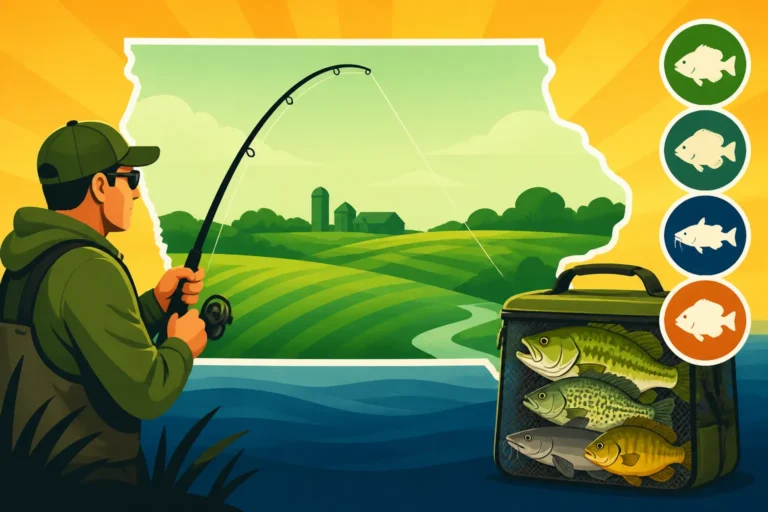
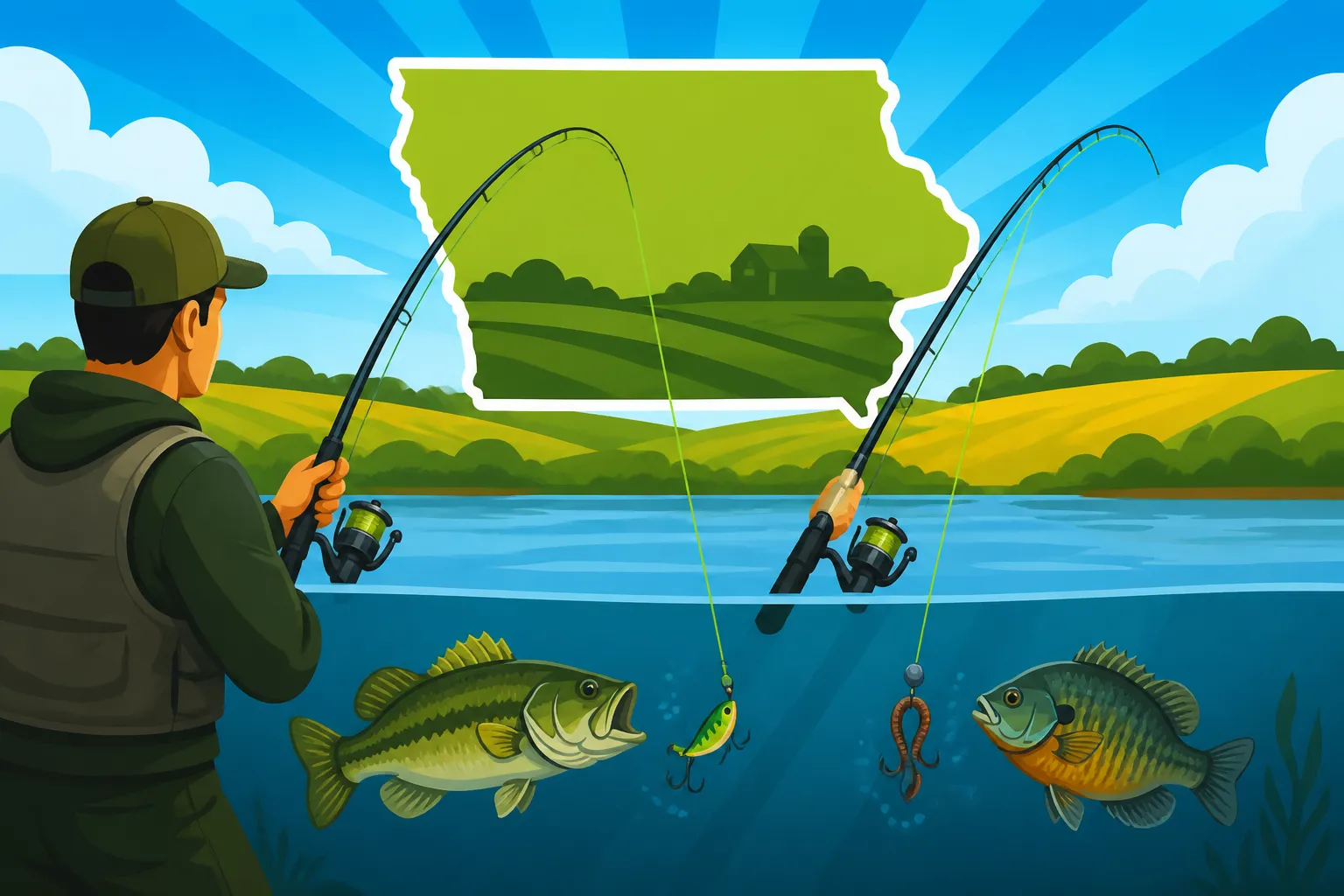
Good news for most of us! In the vast majority of Iowa's public waters, you are legally permitted to use two fishing lines at once. This means you can have two separate rods and reels, or two hand-held lines, actively fishing in the water at any given time. Think about it: one rod might be rigged for walleye with a bottom bouncer, while the other is set up with a bobber for panfish. This flexibility is a huge advantage for many anglers, allowing them to experiment with different baits, depths, and techniques simultaneously, significantly increasing their chances of a successful outing. It's a common scenario where you might be casting a crankbait with one rod and soaking a piece of cut bait for catfish on the other, truly maximizing your time. To get a broader understanding of all the rules, check out our comprehensive guide on Iowa Fishing Regulations Explained.
What Counts as a "Line" in Iowa
This is where some of the nuance comes in, and it's important to understand what the Iowa DNR considers a "line." Generally, a "line" refers to a single fishing rod and reel setup, or a hand line. Each line can have a single hook, or multiple hooks if they are part of a legal lure or rig. For instance, a crankbait might have two or three treble hooks, but it's still considered part of one line. Similarly, a string of crappie jigs used in a dropper rig would count as one line, even though it has multiple hooks attached. The key is that the line is attached to a single rod or held by hand. This distinction is crucial, as some states have different definitions, so always double-check the local rules. The spirit of the regulation is to limit the overall "fishing pressure" an individual angler can exert, not necessarily the number of hooks on a single lure. If you're wondering how many fishing poles you can use in Iowa, the answer is generally two.
Exceptions and Special Circumstances
While the two-line rule is the standard, there are always a few specific situations where it might differ. These exceptions are usually put in place for very good reasons, often related to unique fishing scenarios or specific species management.
One common exception involves trotlines or jug fishing. These methods, which involve multiple hooks spread across a single line or attached to multiple floating devices, often have their own distinct regulations regarding the number of lines, hooks, and even specific times or locations where they can be used. For example, trotlines typically allow for many more hooks than two standard fishing lines, but they also require specific labeling and checks, and are restricted to certain waters. Another exception might arise during special events, like certain fishing tournaments, or in designated urban fishing ponds where different rules may apply to manage intense fishing pressure or introduce new anglers to the sport. It's also worth noting that during the Iowa Free Fishing Weekend, while licenses are waived, all other regulations, including line limits, still apply. Always consult the official Iowa DNR Fishing Regulations booklet or their website for the most current and specific details before you head out, especially if you plan to use anything beyond a standard rod and reel setup.
Practical Considerations for Using Multiple Lines
Using two fishing lines can definitely up your game, but it also introduces a few practical challenges. It's not just about having more gear; it's about managing it effectively and respectfully. Trust me, nothing ruins a peaceful fishing trip faster than tangled lines or a lost fish because you weren't prepared.
Managing Multiple Rods Safely and Effectively
Juggling two active fishing rods requires a bit of foresight and organization. The last thing you want is a bird's nest of tangled lines, or worse, a rod getting pulled into the water by a surprise bite.
- Rod Holders are Your Friend: If you're fishing from a boat or even off a pier, investing in good quality rod holders is a game-changer. They keep your rods secure, prevent them from sliding around, and position them so you can easily grab one when the action starts. You can find a wide variety on Amazon, from simple clamp-on styles to more elaborate flush-mount options.
- Spacing and Angles: When deploying two lines, try to cast them at different angles or distances if possible. This minimizes the risk of them drifting into each other and getting tangled. If you're fishing from shore, a wider stance or placing one rod further down the bank can help. In a boat, one off the bow and one off the stern works well, or casting to different sides.
- Constant Vigilance: Even with the best setup, you need to pay attention to both lines. A fish might bite subtly on one while you're focused on the other. Quick reactions are key to landing that fish, so try to keep both lines within your visual field and reach. This also applies to boat traffic and other anglers, ensuring your lines aren't becoming an obstruction.
Choosing the Right Setup for Each Line
The beauty of using two lines is the ability to diversify your approach. Don't just set up two identical rigs! Think strategically about what you want to achieve.
- Target Different Species: Maybe one rod is rigged for larger fish like walleye or bass, using a heavier line, a stiffer rod, and a larger lure or bait. The other could be a lighter setup for panfish like crappie or bluegill, with a sensitive rod, lighter line, and smaller jigs or live bait. This allows you to explore different levels of the water column and different feeding preferences.
- Vary Techniques: One rod could be actively jigged or cast and retrieved, while the other is set up to sit patiently with a live minnow under a bobber. This "active" and "passive" approach is fantastic for figuring out what the fish are looking for on any given day. If you're looking for more general fishing tips, check out our Iowa Fishing Techniques Guide.
- Matching Gear to Conditions: Consider the water you're fishing. If it's a calm lake, lighter lines might be appropriate for both. If there's a strong current in a river, you might need heavier sinkers and sturdier gear on one line, while the other focuses on slower presentations. For specific gear recommendations, our Iowa Fishing Gear Guide and Fishing Rod and Reel Guide for Iowa Anglers are great resources.
Situational Awareness and Etiquette
Using multiple lines comes with a responsibility to other anglers and the environment. Good etiquette makes the experience better for everyone.
- Be Mindful of Others: If you're fishing in a crowded area, think about how your two lines might affect other anglers. Don't cast across their lines, or monopolize an entire section of a pier with widely spaced rods. Common courtesy goes a long way. This is especially true on busy spots like the fishing piers around the Iowa Great Lakes.
- Prevent Snags and Litter: More lines mean more potential for snags and lost tackle. Do your best to retrieve snagged lines and avoid leaving broken line or lures behind. Wildlife can get entangled, and it's just plain bad for the environment.
- Know Your Limits: While two lines are allowed, don't overdo it to the point where you can't properly manage them. If you find yourself constantly untangling lines or missing bites because you're overwhelmed, scale back to one. The goal is enjoyment, not frustration.
Why Iowa Allows Multiple Lines: Benefits and Responsibilities
The allowance of two fishing lines isn't just a random rule; it's a policy that offers both benefits to the angler and places certain responsibilities on them. It’s designed to enhance the fishing experience while still promoting conservation.
Increasing Your Chances of a Catch
Let's be honest, one of the biggest benefits of being able to use two lines is simply improving your odds. Fishing can be unpredictable, and sometimes it takes a lot of experimentation to figure out what the fish want.
- Double the Opportunity: With two different baits or lures in the water, you're essentially presenting twice as many options to curious fish. This can be particularly useful when you're targeting multiple species, or when the fish are finicky and their preferences are unknown. For example, if you're out for Crappie Fishing in Iowa, you might use a small jig on one rod and a minnow under a bobber on the other to see what they prefer that day.
- Efficiency in Exploration: Instead of spending valuable time reeling in one line, re-rigging, and then casting out again, you can test two different depths, retrieve speeds, or bait types simultaneously. This makes your time on the water more efficient, allowing you to cover more ground and identify productive patterns faster. It’s a bit like running two scientific experiments at once to find the successful variable.
- Adapting to Conditions: Water clarity, temperature, and fish activity can change throughout the day. Having two lines ready allows you to adapt instantly. If the bite slows on one presentation, you might already be getting action on the second, signaling a need to switch tactics.
The Ethical Angler's Approach
While two lines are a tool to increase success, an ethical angler uses them responsibly. It's about more than just what's legal; it's about what's respectful to the fish and fellow humans.
- Mindful Harvest: Just because you can catch more fish with two lines doesn't mean you should keep every single one. Always adhere to the Iowa Fishing Daily Bag Limits Guide for each species. Responsible harvesting ensures healthy fish populations for future generations. If you’re not planning to keep fish, consider using catch-and-release techniques to minimize stress on the fish.
- Prompt Fish Handling: With two lines, there's a slight chance of a "double hook-up," meaning you get two fish on at once. This is exciting, but it also means you need to be prepared to handle both quickly and carefully, especially if you intend to release them. Keep your landing net, pliers, and measuring tools readily accessible, perhaps in a fishing vest or tackle bag from Amazon.
- Environmental Stewardship: Two lines create a slightly larger footprint. Ensure you're not leaving any fishing line or trash behind. Lost lines can become "ghost fishing" hazards that harm wildlife. Being an ethical angler means leaving the fishing spot better than you found it.
Penalties for Exceeding Line Limits
It’s tempting to try and sneak in a third line, especially if the fish are really biting, but please resist the urge. The Iowa DNR takes these regulations seriously, and for good reason. Violations are not just minor inconveniences; they can result in real consequences.
- Fines and Penalties: If a conservation officer finds you using more than the allowed two lines, you could face fines. These fines can vary depending on the severity of the violation and whether it's a repeat offense. It’s always cheaper and less stressful to just follow the rules. For more details on what happens if you fish without a license in Iowa or other violations, consult our related guides.
- License Revocation: In more serious or repeated cases, you could even have your fishing license suspended or revoked. Losing your privilege to fish in Iowa is a steep price to pay for a few extra lines. The Iowa Fishing License Guide explains the importance of having a valid license.
- Confiscation of Gear: In some instances, your fishing gear used in the violation could be confiscated. Imagine losing a favorite rod and reel that you found on Amazon, all for pushing the limits on line count. It’s simply not worth the risk. The DNR officers are out there to protect our natural resources and ensure fair play, and they will enforce the rules.
In summary, the two-line rule in Iowa is there to strike a balance. It gives you ample opportunity to find fish and employ different tactics, but it also maintains a level playing field for all anglers and helps manage fish populations. Enjoy the freedom of two lines, but always fish smart and fish ethically!
| Feature | Standard Iowa Waters (Most Common) | Special Circumstances (e.g., specific tournaments/trotlines) |
|---|---|---|
| Number of Lines | Two (2) active lines per angler | Varies; may be more or less depending on specific regulations |
| Definition of "Line" | Single rod & reel or hand line (can have multiple hooks as part of one lure/rig) | Specific to method (e.g., trotline has multiple hooks, jug fishing with multiple floats) |
| Common Use | Diversified bait/lure presentations, targeting multiple species/depths | Commercial fishing, specific harvest methods (often requires special permits) |
| Required Equipment | Rods, reels, appropriate tackle, valid Iowa Fishing License | May require special marking, specific anchoring, additional permits beyond a standard license |
| Penalties for Violation | Fines, potential license revocation, gear confiscation | Stricter penalties due to potential for greater impact on fish populations |
Disclaimer
The information provided in this guide is intended for general knowledge and informational purposes only, and does not constitute legal advice. Fishing regulations in Iowa are subject to change, and specific rules can vary by location, species, and time of year. Always consult the official Iowa Department of Natural Resources (DNR) website or their current fishing regulations booklet for the most accurate and up-to-date information before engaging in any fishing activities. Compliance with all state and local laws and regulations is the sole responsibility of the angler.