Is There a Size Limit for Muskie?
If you've ever dreamt of battling one of Iowa's elusive "fish of 10,000 casts," the magnificent muskie, you know the thrill and the challenge it presents. But amidst the excitement of chasing these powerful predators, there's often a bit of confusion surrounding the rules, especially when it comes to keeping one. Understanding the specific size limits for muskie in Iowa is crucial, not just for staying legal, but for supporting the conservation efforts that make these incredible fisheries possible. This guide will clarify Iowa's muskie size regulations, explain their importance, and offer practical tips for responsible muskie fishing.
Decoding Iowa's Muskie Size Regulations
Muskie fishing in Iowa is a special endeavor, and the regulations reflect the commitment to maintaining and enhancing these trophy fisheries. It’s not just about what you can catch, but what you can keep, and that often comes down to length.
The Specific Muskie Size Limit in Iowa Waters
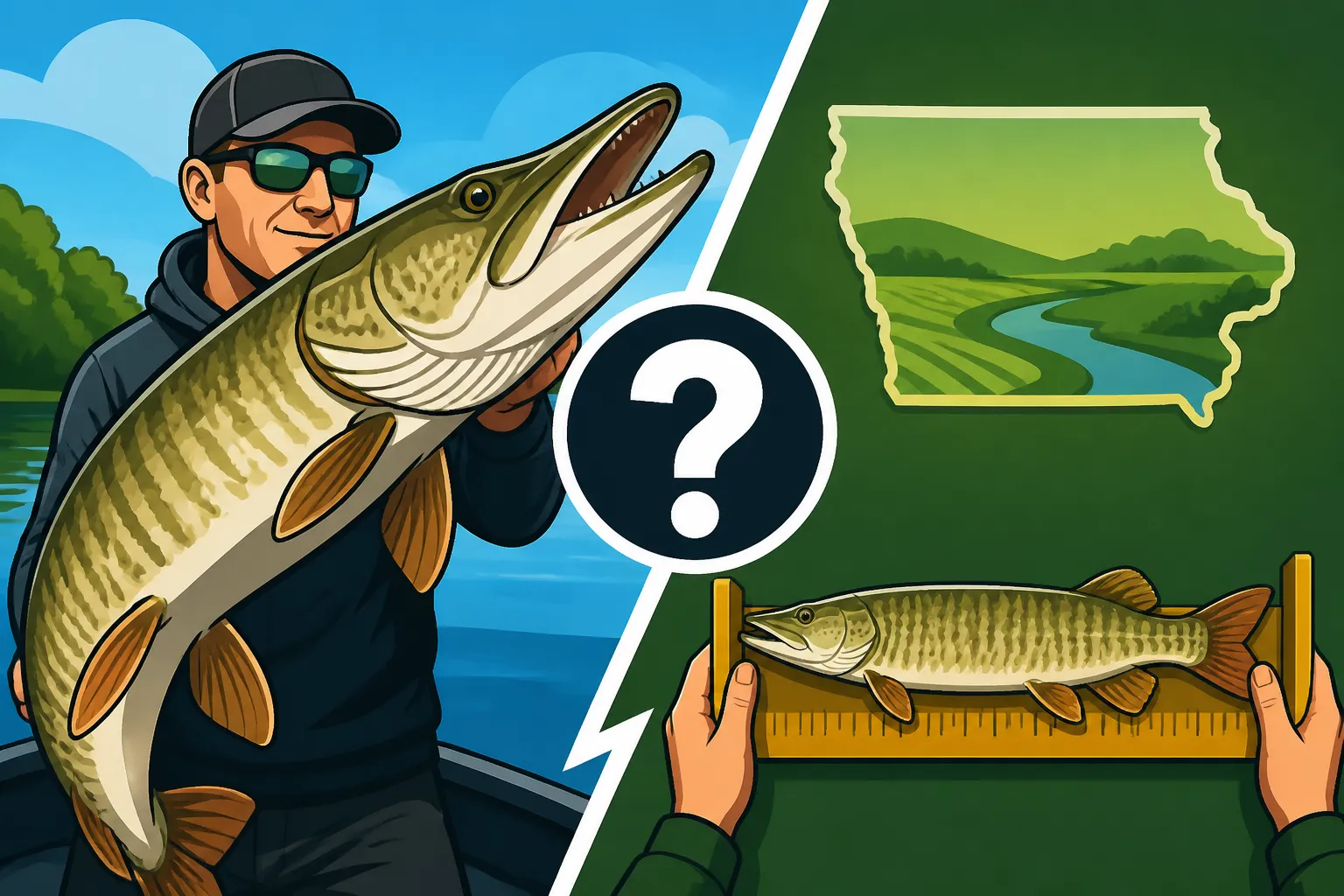
Let's cut right to it: Iowa has a very clear minimum length limit for muskie. For most inland waters in Iowa, the minimum length limit for muskie is 40 inches. This isn't just an arbitrary number; it's a carefully determined regulation designed to allow these fish to reach maturity and spawn multiple times, contributing to the population's health and increasing the chances of anglers encountering truly massive fish. Imagine dedicating countless hours, making thousands of casts, only to finally hook into a fish that's barely legal. This 40-inch rule encourages the release of smaller, younger muskie, giving them a chance to grow into the giants we all dream of catching. It's a long-term investment in the quality of Iowa's muskie fishing. You can find all these details and more in the comprehensive Iowa Fishing Regulations Explained guide.
This regulation applies to the vast majority of Iowa's muskie waters, from the deep glacial lakes of the Iowa Great Lakes region, like Big Spirit Lake and West Okoboji Lake, to other notable muskie destinations across the state. The Iowa Department of Natural Resources (DNR) works tirelessly to manage these populations, and length limits are one of their most effective tools. It ensures that the genetic potential for large muskie remains in the fishery, safeguarding it for future generations of anglers.
Navigating Regional Differences and Border Waters
While the 40-inch rule is standard for most of Iowa's inland muskie waters, things can get a little nuanced when you venture into border waters or specific lakes managed under different programs. It's always best practice to double-check the latest regulations, as they can sometimes change or have unique stipulations for certain bodies of water.
For instance, if you're fishing the Mississippi River border waters, the regulations often involve coordination with neighboring states like Wisconsin, Illinois, and Missouri. In these shared waters, while Iowa's state-specific rules typically apply on the Iowa side, understanding the reciprocal agreements is vital. Sometimes, a different minimum length might apply depending on which side of the river you're technically fishing or which state's license you hold. For muskie specifically, the Mississippi River pools often have a 40-inch minimum length limit as well, aligning with Iowa's inland waters. However, it’s worth noting that species like tiger muskie, a hybrid often stocked in specific lakes, might occasionally have a slightly different limit, though this is less common for pure muskie. Always consult the most current Iowa Fishing Regulations Explained or a specific guide like Iowa Fishing Regulations on the Mississippi River Border to avoid any surprises. This ensures you're fully compliant, no matter where your angling adventures take you.
Why Muskie Size Limits Are Critical for Anglers and Fisheries
These regulations aren't just bureaucratic red tape; they are fundamental to the health and prosperity of Iowa's muskie fisheries. For a fish that commands such respect and dedication, every rule serves a purpose.
Cultivating Trophy Muskie Fisheries
The 40-inch minimum length limit is a cornerstone of Iowa's strategy to grow and sustain truly exceptional muskie populations. Muskie are slow-growing fish, taking many years to reach a substantial size. By protecting them until they hit 40 inches, the DNR ensures that most fish have had several opportunities to spawn. This significantly boosts the number of eggs laid and fry hatched, reinforcing the population naturally.
Consider the effort and resources required to stock muskie in various Iowa lakes. Lakes like Big Creek Lake, Clear Lake, and the Iowa Great Lakes are renowned for their muskie, largely due to careful management, including stringent size limits. These limits mean that when you finally get that exhilarating strike, there's a much higher chance it will be from a mature, robust fish—the kind that truly tests your skill and tackle. It transforms fishing from merely catching fish to chasing genuine trophy opportunities, which is precisely why many anglers target muskie in the first place. This long-term thinking contributes directly to the allure of Muskie Fishing in Iowa.
The Imperative of Catch and Release Practices
Even with a legal size limit, a strong catch-and-release ethic is paramount in muskie fishing. Many dedicated muskie anglers choose to release every fish they catch, regardless of size, understanding the immense value of each individual fish to the fishery. Muskie are often referred to as the "fish of 10,000 casts" for a reason—they are hard to find and even harder to catch consistently. Their scarcity makes them incredibly valuable alive in the water.
When you do hook into a muskie, especially a large one, proper handling techniques are crucial for its survival. This means minimizing its time out of water, using a large, knotless net, and having the right tools for hook removal. Long-nosed pliers or jaw spreaders are indispensable for carefully extracting hooks from their formidable mouths. These tools, along with proper bump boards for quick measurements, are essential parts of a muskie angler's kit and can be found readily on platforms like Amazon. The quicker you can get the fish back in the water after a photo and measurement, the better its chances of survival. This ethos isn't just about following rules; it's about being a responsible steward of this incredible resource. For more on handling, check out Is Muskie Fishing Catch and Release Only in Iowa?.
Practical Advice for Responsible Muskie Anglers in Iowa
Being prepared on the water is key to successfully navigating muskie regulations and ensuring a healthy future for the fish. A little planning goes a long way, especially when you're targeting a powerful fish like a muskie.
How to Measure Your Muskie Accurately and Safely
When you're trying to figure out if that muskie you just landed meets the 40-inch minimum, accuracy is everything. And equally important is doing it in a way that minimizes stress and harm to the fish.
First, have a reliable measuring device on hand. A good quality bump board, often made of plastic or wood, is ideal. These allow you to lay the fish gently on the board, with its snout "bumped" against the end stop, and easily read the length. Avoid using a flexible tape measure on a thrashing fish, as it's inaccurate and increases handling time. You can find durable, boat-friendly bump boards for muskie of all sizes on Amazon, ensuring you’re always ready.
Second, prioritize the fish's well-being. After netting the fish, keep it in the water as much as possible. If you need to bring it aboard for a quick photo and measurement, do it swiftly and return it to the water immediately. Support its body horizontally, avoiding vertical hangs by the jaw or gills, which can cause internal damage. A good release technique involves holding the fish gently by the tail and supporting its belly, allowing it to "revive" itself in the water until it swims away under its own power. This is especially important for the larger, older fish that are the backbone of the trophy fishery.
Essential Gear for Muskie Success and Conservation
Muskie fishing isn't for the faint of heart, and it certainly isn't for light tackle. To effectively catch and release these robust fish while adhering to regulations, specific gear is non-negotiable.
Heavy-duty Rods and Reels: You'll need a rod with a strong backbone, typically 7-9 feet long, capable of handling large lures and powerful runs. Pair this with a robust baitcasting reel spooled with at least 50-80 lb braided line. This setup not only helps you cast large baits but also allows you to quickly subdue the fish, reducing fight time and stress.
Large, Rubberized Landing Nets: A net designed for muskie is often massive, with a wide hoop and a long handle. Crucially, look for nets with rubberized, knotless mesh. This type of mesh is much gentler on the fish's slime coat and fins, minimizing injury and preventing hooks from getting tangled. Trying to land a 40-inch muskie with a bass net is a recipe for disaster for both you and the fish. Many quality muskie nets are available from reputable brands on Amazon.
Hook Removal Tools: As mentioned, long-nosed pliers, jaw spreaders, and bolt cutters are essential. Muskie have rows of sharp teeth, and reaching hooks can be dangerous. Jaw spreaders keep their mouth open safely, while pliers allow for careful hook removal. If a hook is deeply embedded or in a precarious spot, bolt cutters allow you to snip the hook, making removal easier and less traumatic for the fish. Carrying these tools is as important as carrying your lures. For more details on what you need, check out the Iowa Fishing Gear Guide.
By equipping yourself with the right gear and adopting responsible handling practices, you not only improve your chances of landing and measuring that trophy muskie but also play a vital role in preserving Iowa's incredible muskie fishing heritage.
| Water Body Type | Typical Muskie Size Limit | Notes |
|---|---|---|
| Inland Lakes (e.g., Okoboji, Clear Lake, Big Creek) | 40 inches minimum | Standard regulation for most dedicated muskie fisheries. |
| Mississippi River (Border Waters) | 40 inches minimum | Generally consistent with inland waters, but always check specifics. |
| Special Designated Waters | Varies (e.g., 30 inches) | Less common, often for tiger muskie or specific management goals. |
Remember, while the 40-inch rule is consistent for pure muskie in most of Iowa, regulations can and do change. Always pick up the latest Iowa Fishing Regulations Explained booklet or visit the Iowa DNR website before you head out, especially if you're exploring new waters or haven't fished for muskie in a while. Staying informed ensures your muskie adventure is both thrilling and compliant.
Disclaimer
The information provided in this guide is intended for general informational purposes only and may not reflect the most current regulations. Fishing regulations, including size limits, can change frequently. It is the angler's responsibility to consult the official Iowa Department of Natural Resources (DNR) website or obtain the latest printed Iowa Fishing Regulations Explained booklet before engaging in any fishing activities. Reliance on any information in this guide is solely at your own risk.