Sturgeon Fishing Rules on Iowa Waters
It can be incredibly confusing to navigate the specific rules for fishing unique species like sturgeon, especially when they're found in diverse water bodies across a state like Iowa. With their ancient appearance and protected status, knowing the ins and outs of sturgeon fishing rules isn't just about avoiding a fine; it's about respecting these incredible fish and contributing to their conservation. This comprehensive guide will break down everything you need to know about sturgeon fishing regulations on Iowa waters.
Understanding Sturgeon in Iowa Waters
When we talk about sturgeon in Iowa, we're primarily focusing on two species, each with its own distinct characteristics and, crucially, its own set of rules. It’s easy to generalize, but trust me, mixing these up can lead to a lot of heartache or a hefty penalty from the Iowa Department of Natural Resources (DNR). These magnificent creatures are a testament to ancient ecosystems, and understanding them is the first step toward responsible angling.
The Two Primary Sturgeon Species
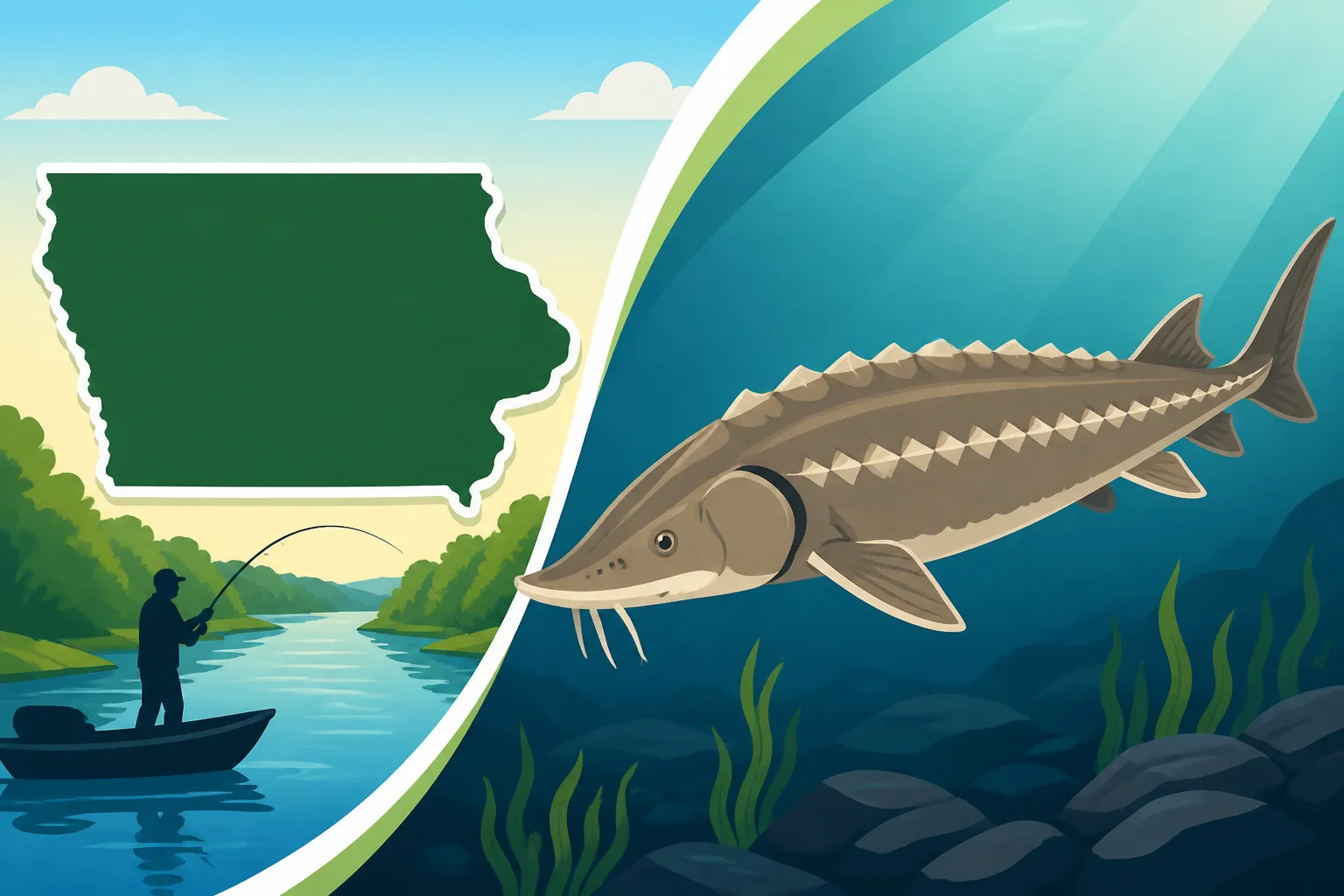
Iowa's waters are home to the Shovelnose Sturgeon and the Lake Sturgeon. While both are members of the sturgeon family, they are quite different in appearance, size, and particularly, their conservation status. The Shovelnose Sturgeon is the smaller, more abundant of the two, typically reaching lengths of 2 to 3 feet and weighing up to 5 pounds. They have a distinctive, shovel-shaped snout (hence the name) and are generally found in the strong currents of larger rivers, bottom-feeding on aquatic insects and small fish. You'll often find them cruising the bottom of the Mississippi and Missouri Rivers.
The Lake Sturgeon, on the other hand, is a much larger and rarer species. These giants can grow over 6 feet long and weigh more than 200 pounds, making them one of North America's largest freshwater fish. Unlike their shovelnose cousins, Lake Sturgeon prefer deeper waters of large rivers and sometimes lakes, though they are quite rare in Iowa's interior lakes. They are easily distinguished by their conical snout, rows of bony plates (scutes), and often a larger overall size. The critical difference from an angler's perspective is their protected status, which we'll dive into next.
Why Sturgeon Are Special and Protected
Both sturgeon species in Iowa are incredibly long-lived, slow-growing, and late to mature, making them particularly vulnerable to overfishing and habitat degradation. Lake Sturgeon, in particular, suffered severe population declines due to historical overharvesting for their meat and roe (caviar), as well as habitat loss and fragmentation from dam construction. Their conservation status is a major reason why the rules are so strict. They are considered an endangered species in many parts of their range and are fully protected in Iowa waters, meaning any encounter is strictly catch and release.
Shovelnose Sturgeon, while more common, also face conservation concerns due to their shared habitat with the more vulnerable Lake Sturgeon and the potential for misidentification. The Iowa DNR actively monitors sturgeon populations and implements specific regulations to ensure their survival and recovery. This isn't just bureaucratic red tape; it's a vital effort to preserve a unique part of Iowa's natural heritage. Understanding these factors helps you appreciate why certain rules exist, like the strict rules regarding Sturgeon Fishing Rules on Iowa Waters, and encourages you to follow them diligently.
General Sturgeon Fishing Regulations
Navigating the regulations for sturgeon fishing can feel like a maze, but it's essential to get it right. Iowa's DNR is very clear about what's permissible and what's not, especially when it comes to these ancient fish. Misunderstanding the rules can lead to serious consequences, so let's break down the general framework.
Season Dates and Bag Limits for Shovelnose Sturgeon
For the more commonly caught Shovelnose Sturgeon, there are specific seasons and limits, but these are primarily restricted to the border rivers. In Iowa, Shovelnose Sturgeon can generally be harvested from March 1 to November 30 on the Mississippi River and its connected backwaters, as well as the Missouri River and the Big Sioux River. This long season offers ample opportunity for those targeting them. However, it's critical to note the daily bag limit is 10, and there is no minimum length limit for Shovelnose Sturgeon. This means if you catch a Shovelnose within the season on these designated waters, and it's a legal species to harvest, you can keep it up to the daily limit.
It's absolutely crucial to double-check the latest Iowa Fishing Regulations Explained booklet or the DNR website before heading out, as these rules can change annually. You don't want to find yourself in a situation where you've misremembered a detail. Remember, possession limits also apply, meaning you can't have more than the daily bag limit in your possession at any time, regardless of how many days you've been fishing. This is especially important for anglers planning multi-day trips.
Lake Sturgeon – Catch and Release Only
Here’s the most important rule for the magnificent Lake Sturgeon: they are strictly catch and release only, statewide, at all times. There is no open season, no bag limit, and absolutely no legal size for keeping a Lake Sturgeon in Iowa. If you accidentally catch one, you must immediately release it unharmed. This isn't just a suggestion; it's a legal mandate reflecting their critical conservation status. The reason for this strict protection is simple: Lake Sturgeon populations are still recovering from historical declines and remain quite fragile. Every individual fish is vital to the species' long-term survival.
When you catch a Lake Sturgeon, the process is straightforward: handle it minimally, try to keep it in the water if possible, quickly remove the hook, and release it. Avoid bringing it into the boat or onto the bank for extended periods, and definitely resist the urge for a photo shoot if it means stressing the fish too much. Identifying the difference between a Shovelnose and a Lake Sturgeon is paramount. Lake Sturgeon typically have a more conical snout, larger size, and scutes that are more prominent, feeling like sandpaper. If you're unsure, treat it as a Lake Sturgeon and release it. Your careful adherence to these rules plays a direct role in the recovery of this iconic species.
Specific Water Body Regulations
Iowa shares some of its most productive sturgeon fishing waters with neighboring states, primarily the Mississippi and Missouri Rivers. This means you often encounter "border water" rules, which can add another layer of complexity to an already intricate set of regulations. It's not enough to know the general Iowa rules; you also need to understand how they interact with those of bordering states.
Mississippi River Border Waters Rules
Fishing the Mississippi River in Iowa means navigating reciprocal agreements with Illinois, Wisconsin, and Minnesota, depending on your specific location. Generally, if you have an Iowa fishing license, you can fish the shared waters of the Mississippi River from either bank, provided you comply with the more restrictive of the two states' regulations for that specific species, or in some cases, with rules agreed upon by both states. For Shovelnose Sturgeon, this often means that the season and bag limits for Iowa and its bordering states are harmonized to avoid confusion.
However, the key difference often lies in the gear and techniques allowed. For instance, some states might have specific rules about trotlines or setlines that differ slightly, even for the same fish species. While Shovelnose Sturgeon are legal to harvest during their season, you'll need to be hyper-vigilant about identifying them correctly to avoid accidentally keeping a protected Lake Sturgeon. Always consult the Iowa Fishing Regulations on the Mississippi River Border section of the DNR guide, or even better, grab the specific border water regulations pamphlet, which often details these nuances with extra clarity. Many anglers even purchase their fishing gear, like sturdy rods and reels capable of handling powerful river fish, from reputable online stores like Amazon to ensure they have the right tools for the job.
Missouri River Border Waters Considerations
The Missouri River, bordering Nebraska and South Dakota, presents a similar scenario to the Mississippi River regarding reciprocal agreements. An Iowa fishing license typically allows you to fish the entire width of the Missouri River where it forms a border with Nebraska, again with the caveat that you must adhere to the more conservative regulations between the two states. South Dakota, however, might have slightly different agreements, so always verify if you're venturing further north.
For Shovelnose Sturgeon, the season and limits are usually consistent with Iowa's regulations on the Missouri River: March 1 to November 30, with a daily bag limit of 10 and no minimum length. But again, the golden rule applies: Lake Sturgeon are strictly catch and release. Because both sturgeon species can inhabit these powerful river systems, angler education on identification is incredibly important. The currents of the Missouri River can be strong, and the fish can be powerful, making proper fish handling techniques even more vital for safe release. Keeping a clear head and knowing your fish is paramount. If you're ever in doubt about the specific border rules for fishing, reaching out to the Iowa DNR directly or checking their official website is always the safest bet.
Gear and Techniques for Sturgeon Fishing
Fishing for sturgeon requires a bit of a specialized approach, primarily because of their size, strength, and bottom-dwelling habits. You're not going to typically catch a sturgeon with light tackle meant for panfish. Plus, with the strict catch-and-release rules for Lake Sturgeon, having the right gear for quick, safe release is just as important as the gear for reeling them in.
Recommended Tackle and Bait
When targeting Shovelnose Sturgeon, you'll want to use robust tackle that can handle strong currents and a powerful fight. Think medium-heavy to heavy action rods, around 7 to 9 feet long, paired with a stout baitcasting or spinning reel spooled with 20-40 pound test monofilament or braided line. Many seasoned anglers opt for braided line due to its strength and sensitivity, especially when fishing deep river channels. A good quality fishing reel ensures you have the cranking power and smooth drag necessary to manage these powerful fish without overtiring them during the fight, which is crucial for their health upon release. You can find a wide array of options for a Best Rod for Catfish Fishing or similar heavy-duty setups on Amazon that will also serve you well for sturgeon.
For terminal tackle, a Carolina rig or a three-way swivel rig is generally effective. You'll want heavy sinkers (2-6 ounces or more, depending on current) to keep your bait on the bottom. Circle hooks, in sizes 3/0 to 6/0, are highly recommended because they significantly reduce gut hooking, making catch and release much safer for the fish. As for bait, Shovelnose Sturgeon are scavengers, so cut bait (like shad, skipjack, or even pieces of common carp), worms (nightcrawlers), or stink baits are often very effective. The key is to present your bait directly on the bottom where they feed.
Best Practices for Catch and Release
Since all Lake Sturgeon are catch and release, and even Shovelnose Sturgeon are often released by choice, practicing proper catch and release techniques is non-negotiable. Firstly, use circle hooks whenever possible; they are designed to hook fish in the corner of the mouth, making removal much easier and less traumatic. When you hook a sturgeon, fight it efficiently. Avoid prolonged fights that exhaust the fish, especially in warmer water when oxygen levels are lower. A good quality rod and reel, like those you might explore in an Iowa Fishing Gear Guide, will help you land the fish more quickly.
Once the fish is at the boat or bank, minimize its time out of water. If you're in a boat, a large, rubberized landing net or a cradle can help you safely secure the fish while keeping it submerged for hook removal. If you're on shore, try to unhook it in shallow water. Use long-nosed pliers or a dehooking tool for quick and easy hook removal. Avoid lifting large sturgeon vertically by their head or tail; support their body horizontally. If you absolutely need a photo, do it quickly with the fish partially submerged. Gently release the fish, allowing it to swim away on its own power. These best practices not only comply with the law but also ensure the long-term health and survival of these magnificent creatures.
Conservation and Reporting
Sturgeon are living fossils, incredibly resilient yet also highly vulnerable. Their long lifespans and slow reproductive rates mean that even small impacts can have significant long-term effects on their populations. As anglers, we have a critical role to play in their protection and recovery.
The Importance of Sturgeon Conservation
The efforts to conserve Lake Sturgeon are a prime example of successful fisheries management and public involvement. Decades ago, these fish were on the brink, but through strict protections, stocking programs, and habitat restoration, their numbers are slowly but steadily rebounding in places like the Mississippi River. The continued "catch and release only" rule for Lake Sturgeon across Iowa and neighboring states is a cornerstone of this recovery. Every time an angler correctly identifies a Lake Sturgeon and releases it unharmed, they are directly contributing to the survival of the species.
Beyond simply releasing fish, conservation also involves being mindful of our impact on their habitat. Sturgeon rely on clean water, healthy river bottom ecosystems, and unobstructed access to spawning grounds. Activities that degrade water quality or block fish passage, such as excessive pollution or poorly designed river structures, can harm their recovery. Supporting organizations and policies that advocate for river health benefits not only sturgeon but all aquatic life in Iowa's rivers. It’s also important to follow all Iowa Fishing Season Dates and Limits, not just for sturgeon, to ensure overall fish health.
What to Do If You Witness a Violation
Unfortunately, not everyone adheres to the rules. If you witness someone violating sturgeon fishing regulations—whether it's keeping a Lake Sturgeon, exceeding the bag limit for Shovelnose Sturgeon, or using illegal fishing methods—it's important to report it. The Iowa DNR relies on the public to be their "eyes and ears" on the water. Reporting violations helps protect these vulnerable fish and ensures fair play for all anglers.
The best way to report a violation is to contact the Iowa DNR Law Enforcement Bureau. You can do this by calling their dedicated "Turn In Poachers" (TIP) hotline at 1-800-TIP-WDNR (1-800-847-9367) or by using their online reporting tool. When reporting, try to gather as much information as possible: the date, time, and specific location of the incident, a description of the individuals involved (clothing, boat type, vehicle, license plates if visible), and the nature of the violation. Do not confront individuals yourself, as this can be dangerous. Let the professionals handle it. Your quick and accurate reporting can make a real difference in protecting Iowa's sturgeon populations for future generations to enjoy.
Sturgeon Identification Guide
Distinguishing between Shovelnose and Lake Sturgeon is perhaps the most critical skill for any angler fishing in Iowa's major rivers. Mistakes can be costly, both for the angler and, more importantly, for the fish. While they share the general sturgeon body plan, there are several key features that set them apart.
| Feature | Shovelnose Sturgeon | Lake Sturgeon |
|---|---|---|
| Size | Smaller, typically 2-3 feet (up to 5 lbs) | Larger, can exceed 6 feet (over 200 lbs) |
| Snout Shape | Distinctive flattened, shovel-like snout | More conical, blunt, or slightly rounded snout |
| Barbels | Four barbels in a straight line, fringed or frayed | Four smooth barbels, not fringed, closer to snout tip |
| Bony Plates (Scutes) | Less prominent, rougher texture, not sandpaper-like | More prominent, very rough, feeling like sandpaper |
| Dorsal Fin | Generally smaller, further back on the body | Larger, more pronounced dorsal fin |
| Coloration | Variable, often brownish-grey to olive-brown | Darker, often grey to black, with lighter belly |
| Habitat | Strong currents, main channels of large rivers | Deeper waters of large rivers and sometimes lakes |
| Tail Fin | Filament extending from upper lobe of caudal (tail) fin | No filament extending from the upper lobe of the tail fin |
| Legal Status | Harvestable on border rivers during season (10 daily) | Strictly Catch and Release Only, Statewide |
Visual Cues and Distinctive Markings
Beyond the table, let's elaborate on those visual cues. The snout is your first and often best indicator. A Shovelnose Sturgeon truly lives up to its name; their snouts are noticeably flattened and broad, resembling a small shovel or paddle. Lake Sturgeon, conversely, have a more rounded, conical, almost bullet-shaped snout. Run your hand along it (carefully!), and you'll feel the difference.
Next, look at the barbels, the whisker-like sensory organs under their snout. Shovelnose Sturgeon have four barbels that are distinctly fringed or frayed, often arranged in a straight line across the underside of the snout. Lake Sturgeon's barbels are smooth, unfrayed, and typically positioned closer to the tip of the snout. Another key, though less talked about, feature of Shovelnose Sturgeon is the filament extending from the upper lobe of their tail fin. It's like a small thread-like extension. Lake Sturgeon do not have this filament.
Finally, while difficult for an untrained eye, the bony plates (scutes) on their bodies feel different. Lake Sturgeon scutes are often described as feeling very rough, almost like coarse sandpaper when you run your hand along them (again, be gentle). Shovelnose scutes are present but generally feel less pronounced and not quite as rough. When in doubt, always err on the side of caution and assume you've caught a Lake Sturgeon, releasing it quickly and unharmed.
Why Correct Identification Matters So Much
The stakes for correct identification are incredibly high. Mistakenly keeping a protected Lake Sturgeon carries significant penalties, including hefty fines and potential loss of fishing privileges. But more importantly, it directly harms conservation efforts. Every Lake Sturgeon that is illegally harvested is a setback for the species' recovery. These fish are slow to grow and reproduce, meaning each individual contributes significantly to the breeding population.
Think of it like this: if you're out fishing and catch what you think might be a Shovelnose, but it's actually a Lake Sturgeon, you're not just breaking a rule; you're taking a vital member out of a critically endangered population. The Iowa DNR has invested countless hours and resources into bringing these ancient fish back. As responsible anglers, it's our duty to honor those efforts by knowing our fish and adhering to the rules. If you're ever uncertain, a quick photo (while the fish is still in the water, if possible) that you can later compare to a reliable guide on the "Iowa Fish Species Guide" or the DNR website can help you learn for next time. But in the moment, when in doubt, release it!
Disclaimer
Please note that fishing regulations, seasons, and limits are subject to change. While this guide provides comprehensive information based on current knowledge, it is the angler's responsibility to verify all rules with the official Iowa Department of Natural Resources (DNR) publications before fishing. Always consult the latest Iowa Fishing Regulations booklet or the DNR website for the most up-to-date and accurate information.