Best Pliers for Removing Hooks
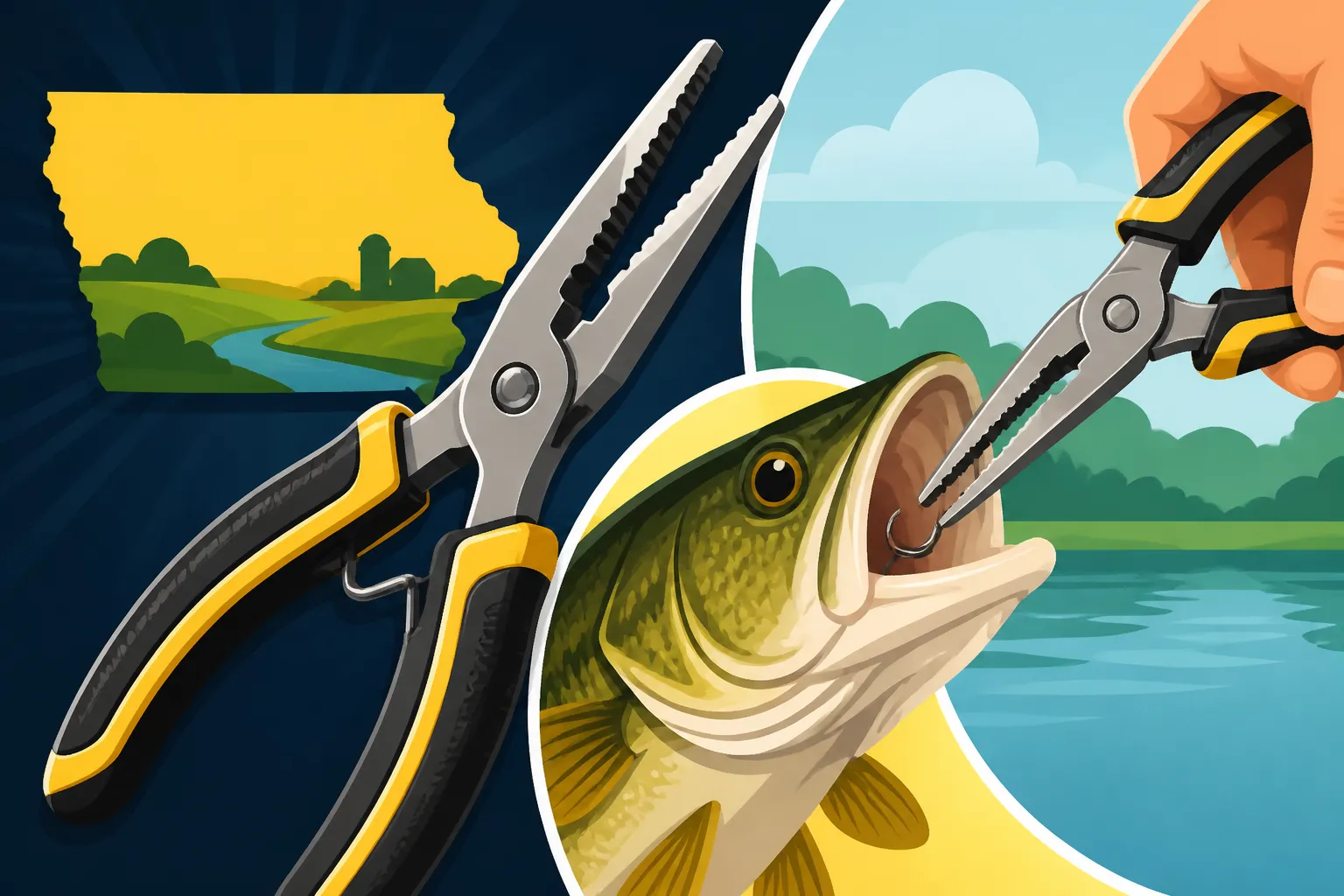
There’s nothing quite as frustrating as finally landing a beautiful fish, only to realize the hook is buried deep, or worse, in a precarious spot. Trying to wrestle it out with your bare hands is a recipe for disaster, risking a painful jab for you and unnecessary stress, or even serious injury, for the fish. This guide is all about equipping you with the knowledge to choose the best pliers for removing hooks, ensuring safer, faster, and more humane releases on your next Iowa fishing adventure.
Why You Need Dedicated Fishing Pliers (It's More Than Just a Pair of Pliers)
You might be thinking, "Can't I just use the pliers from my toolbox?" And while, yes, you could in a pinch, dedicated fishing pliers are designed with a specific purpose in mind: getting hooks out safely and efficiently. They're built differently, and for good reason. Trust me, once you've used a proper pair, you'll never go back to those rusty old general-purpose pliers again.
Safety First: Protecting Yourself and the Fish
When you're out on the water, whether you're trying your luck at Fishing the Iowa Great Lakes or exploring the Des Moines River Catfish Spots, safety should always be a top priority. A fish that's flopping around on the bank or in the boat, with a sharp hook still in its mouth, can quickly turn a fun moment into a trip to the emergency room. Trying to get a deeply embedded hook out with just your fingers is an invitation for a nasty jab from the hook itself, or even a bite or gill plate scratch from a feisty fish. This is especially true for toothy critters like northern pike or even larger walleye.
Dedicated fishing pliers create a crucial buffer. They give you the reach and leverage to grasp the hook securely, keeping your fingers well away from sharp points and thrashing mouths. But it's not just about protecting you. It’s also about protecting the fish. A clean, quick hook removal significantly reduces stress and injury to the fish, which is paramount for catch-and-release success. When a hook is removed improperly or takes too long, it can damage gills, tear mouth tissue, or even dislodge internal organs, greatly diminishing the fish's chances of survival after release. Good pliers allow for a swift, precise action, ensuring that your trophy fish swims away strong to fight another day.
Efficiency and Precision in Hook Removal
Ever tried to pull a tiny panfish hook out of a bluegill's mouth with a bulky pair of hardware store pliers? It's like trying to pick up a dime with oven mitts. Standard pliers often have thick, blunt jaws that struggle to fit into smaller mouths or get a purchase on tiny hooks. They lack the finesse needed for delicate operations. Plus, they might not have the reach required for hooks that are swallowed deeper.
Fishing pliers, on the other hand, are crafted with precision. Their jaws are often thinner, longer, and designed to grip a hook shank, not just mash it. This allows you to slide them into tight spaces, reach those deeply set hooks, and apply pressure exactly where it's needed. This precision means less struggling for both you and the fish, making the entire process quicker and less stressful. The efficiency they offer becomes even more critical when you're dealing with a hot bite and want to get your line back in the water as quickly as possible without harming your catch.
Key Features to Look for in Fishing Pliers for Hook Removal
Choosing the right pair of fishing pliers isn't just about grabbing the first pair you see. There are several key features that can make a huge difference in their effectiveness, durability, and overall user experience, especially when you're fishing Iowa's diverse waters, from the tranquil farm ponds to the mighty Mississippi River.
Material and Corrosion Resistance
This is arguably the most critical feature, particularly for anglers who spend a lot of time on the water. Fishing gear is constantly exposed to moisture, whether it's lake water, river water, or just plain old rain. If your pliers aren't made from the right material, they'll rust and corrode faster than you can say "fish on!"
- Stainless Steel: This is a popular choice for good reason. Stainless steel offers a good balance of strength and corrosion resistance. Look for higher grades, often marked as "marine-grade" or "surgical-grade," which will stand up even better to the elements. While they can still show some surface rust if not cared for, they're generally reliable and a great all-around option.
- Aluminum: Lightweight and highly resistant to corrosion, aluminum pliers are fantastic for those who prioritize portability and don't want heavy tools weighing down their tackle box or vest. They're often anodized for extra protection and come in cool colors. The trade-off is they might not be quite as robust as stainless steel for heavy-duty tasks, but for hook removal, they excel.
- Carbon Steel: While very strong and often more affordable, carbon steel pliers are highly susceptible to rust. If you go this route, you must commit to rigorous cleaning and oiling after every single use. Otherwise, you'll find them seizing up and becoming useless surprisingly fast.
- Tungsten Carbide: You'll often find tungsten carbide used for the cutting jaws on high-end pliers. It's incredibly sharp and durable, perfect for cleanly snipping braided line, wire, or even the occasional hook shank if needed (though you generally want to avoid cutting hooks).
Always consider the kind of water you'll be fishing in. While Iowa fishing is all freshwater, the mineral content can vary, and constant exposure to wet conditions will test any material. A good rinse with fresh water and thorough drying after each trip can significantly extend the life of any pliers, regardless of their material.
Jaw Design and Length
The business end of your pliers – the jaws – is where all the action happens. Their design and length dictate how effective they'll be at getting those hooks out.
- Jaw Length: For hook removal, longer, slender jaws are generally preferred. They allow you to reach deep into a fish's mouth to extract hooks that have been swallowed. Short, stubby jaws might be fine for crimping sleeves, but they'll frustrate you when dealing with a bass that just inhaled your crankbait at Coralville Reservoir.
- Jaw Taper: Look for jaws that taper to a fine point. This allows you to get a firm grip on the smallest hooks, or to maneuver around sharp teeth without causing more damage.
- Jaw Serrations: Serrated jaws provide a much better grip on the hook shank, preventing slippage, especially when the hook is slimed or wet. Without good serrations, the hook can easily slide out of the pliers' grasp, prolonging the removal process and increasing stress on the fish.
- Specialized Tips: Some pliers have bent tips, which can be incredibly useful for getting at hooks from awkward angles, especially if the fish is thrashing. Others might have split-ring openers integrated into the tip, which is a bonus feature if you're frequently changing out hooks or treble hooks on lures.
Consider the primary species you target. If you're often Trout Fishing Streams in Northeast Iowa with small flies or tiny jigs, you'll want very fine, long jaws. If you're after bigger Channel Catfish Fishing in Iowa, you might need something with a bit more robust jaw to handle larger hooks.
Handle Comfort and Grip
You'll be holding these pliers, often with wet hands, possibly in cold weather, and sometimes under pressure. Comfortable, secure handles are a must.
- Ergonomic Design: Handles that are shaped to fit your hand naturally reduce fatigue and improve control. Contoured grips allow for a firmer hold without having to squeeze too hard.
- Non-Slip Material: Rubberized or textured grips are essential. Your hands will get wet, slimy, or cold, and slippery handles are a recipe for dropping your pliers or, worse, losing your grip on the hook at a critical moment.
- Spring-Loaded Handles: This feature makes a world of difference. Spring-loaded pliers automatically open when you release your grip, keeping them ready for action and significantly reducing hand fatigue during a busy bite. It means you don't have to manually pry them open each time, freeing up your focus for the fish.
- Lanyard Attachment Point: A small hole or ring on the handle for a lanyard is a simple but invaluable feature. Attach a coiled lanyard or even just a piece of paracord, and you'll never worry about your expensive pliers taking an unplanned swim in Rathbun Lake if they slip from your grasp. Many anglers opt for brightly colored lanyards, making them easier to spot if they do fall.
Choosing pliers with good handles means you'll have better control, can work faster, and experience less hand strain, making your fishing experience much more enjoyable. When you're browsing options, whether online on Amazon or at your local Bass Pro Shops, pay attention to descriptions of handle materials and features.
Types of Fishing Pliers and When to Use Them
Just like there are different rods for different species, there are various types of fishing pliers, each suited for specific situations. Understanding the nuances of each type will help you build a well-rounded tackle kit, ensuring you always have the right tool for the job.
Standard Fishing Pliers (Multi-Purpose)
These are the workhorses that most anglers start with. Standard fishing pliers usually feature a relatively straight, medium-length jaw and often come equipped with additional functionalities. You'll frequently find them with built-in line cutters, split ring openers, and even crimping capabilities. They are a fantastic all-around tool for tasks beyond just hook removal, like rigging up new lures, fixing tackle on the fly, or snipping a frayed line.
For typical Iowa species like crappie, bluegill, or even smaller bass and walleye where the hook isn't swallowed too deep, standard pliers work great. They provide a solid grip and enough leverage for a quick release. If you're an angler who mostly does bank fishing or keeps your tackle simple, one good pair of multi-purpose pliers might be all you need. However, if you often encounter deeply hooked fish or pursue species with formidable teeth, you might find their reach and precision somewhat limited. Many reputable brands offer excellent standard fishing pliers that combine durability with multiple functions, making them a great value for the average angler.
Long-Nose Pliers (For Deep Hooks)
When a fish has really committed to the bite and swallowed your lure or bait deeply, or when you're dealing with a toothy predator, long-nose pliers become your best friend. Their extended, slender jaws are specifically designed to reach far into a fish's mouth, past teeth and gills, to access those hard-to-reach hooks.
Imagine a feisty northern pike on the Mississippi River, or a decent-sized walleye from Clear Lake, with a treble hook buried in its gullet. Trying to get that out with short pliers is incredibly difficult and risky for both you and the fish. Long-nose pliers allow you to precisely grab the hook shank, often near the bend, and apply controlled pressure to back it out. The extra length keeps your fingers safely away from sharp teeth, reducing the chance of injury. They might not have all the bells and whistles of multi-purpose pliers, but for deep hook removal, they are absolutely indispensable. Just be gentle and deliberate to avoid tearing the fish's delicate internal tissues.
Bent-Nose Pliers (Angle and Visibility)
Bent-nose pliers are a specialized version of long-nose pliers, featuring a tip that's angled, often at 45 or 90 degrees. This seemingly small design change offers a significant advantage in certain hook removal scenarios. The bent tip allows you to approach the hook from an angle that might be impossible with straight jaws, especially if the hook is located in an awkward spot or if the fish is particularly squirmy.
The primary benefit here is improved visibility and access. With a bent nose, you can often see the hook better while still keeping your hands clear of the fish's mouth. This is incredibly helpful when working with a struggling fish or trying to retrieve a hook from a peculiar angle without damaging the gills or jaw structure. They are excellent for larger fish species or when you need to be extra precise. If you find yourself frequently struggling to get a good line of sight on a hook, or if you often end up with hooks in the roof of a fish's mouth or the side of its jaw, a pair of bent-nose pliers can be a game-changer. They're a staple for many professional fishing guides and serious anglers.
Hemostats/Forceps (For Small, Delicate Hooks)
Don't let their surgical appearance fool you; hemostats and forceps are incredibly useful tools for anglers, especially when targeting smaller fish like trout in Iowa's coldwater streams or panfish in a local pond. These tools feature very fine, long, and slender jaws that can lock closed, providing an unparalleled level of precision and grip on tiny hooks.
When you're fly fishing for rainbow trout in one of Iowa's Trout Fishing Streams and a delicate size 16 fly is barely nicked in the lip, hemostats are perfect. They allow you to gently grasp the hook without damaging the fly or the fish's mouth. For bluegill or crappie that often inhale small jigs, the locking mechanism of hemostats means you can clamp down on the hook, providing a firm hold as you back it out. This reduces the risk of the hook slipping and potentially causing more harm. They come in various lengths, but for most fishing applications, a medium to long length will be most versatile. While not robust enough for large, heavy-duty hooks, for finesse fishing and delicate hook removal, hemostats are truly unmatched.
Here's a quick comparison of these different pliers:
| Pliers Type | Key Jaw Features | Best Use Case | Pros | Cons |
|---|---|---|---|---|
| Standard/Multi-Purpose | Medium length, often with cutters/split ring | General hook removal, line cutting, rigging | Versatile, good for most common hooks, often feature rich | Limited reach for deep hooks, less precise than specialized pliers |
| Long-Nose | Long, slender, straight jaws, often serrated | Deeply swallowed hooks, toothy fish | Excellent reach, keeps hands safe from teeth, good leverage | Less versatile for other tasks, may lack cutters |
| Bent-Nose | Long, slender, angled tip, often serrated | Awkwardly placed hooks, improved visibility | Great for unique angles, enhanced visibility, reduces fish stress | More specialized, less useful for basic line cutting |
| Hemostats/Forceps | Very fine, slender, locking jaws | Small hooks, delicate flies, panfish, trout | Unmatched precision, gentle on fish, locking grip prevents slippage | Not suitable for large hooks, limited durability for heavy use |
Tips for Effective Hook Removal with Pliers
Having the right pliers is only half the battle; knowing how to use them effectively is equally important. A smooth, confident removal technique will benefit both you and the fish, ensuring a successful catch-and-release and a more enjoyable day on the water.
The Right Technique for a Clean Release
When you've got a fish on the line and it's time for hook removal, a calm and methodical approach is key. Rushing the process can lead to more harm or even losing your pliers (and maybe the fish too!).
- Secure the Fish: The first step is to safely and gently secure the fish. For smaller fish, a wet hand grasping the body or the base of the tail can work. For larger fish, a landing net or a fish gripper can be invaluable. Always wet your hands before touching a fish to protect its slime coat, which is crucial for its health. Try to keep the fish in the water as much as possible, or at least out of direct sunlight.
- Locate the Hook: Carefully examine the hook's position. Is it in the lip, corner of the mouth, or swallowed deep? Note the direction of the hook point.
- Grasp the Hook Firmly: With your chosen pliers, grasp the bend or shank of the hook, as close to the eye as possible, ensuring a secure grip. Avoid clamping down on the hook point itself.
- Back It Out: Gently but firmly back the hook out the way it went in. If it’s a single hook, a steady pull is usually effective. For treble hooks, you might need to rotate the hook or push one barb out at a time. The goal is to minimize tearing of tissue. A slight twist might sometimes help dislodge a stubborn hook.
- Check for Damage: After removal, briefly inspect the fish for any excessive bleeding or severe damage. If the fish is bleeding from the gills or deeply injured, its chances of survival are unfortunately low. In such cases, humane dispatch and keeping the fish (if within legal limits and not a protected species) might be the most responsible action.
- Release Gently: Once the hook is out and you've assessed the fish, gently return it to the water. If it seems stunned, hold it upright in the water and move it back and forth to force water over its gills until it swims away under its own power. This is especially important for species like walleye or bass caught in warmer water. Knowing Iowa Fishing Season Dates and Limits is crucial here, as some fish may be out of season and must be released.
Practicing this technique, even on empty hooks, can build muscle memory and confidence. The more smoothly you can execute the removal, the better for everyone involved.
Maintenance and Care for Your Pliers
Even the most expensive, corrosion-resistant pliers won't last if they're not properly cared for. A little maintenance goes a long way in preserving your investment and ensuring they're always ready when you need them.
- Rinse After Each Use: This is perhaps the most important step. After every fishing trip, especially if you've used them to remove hooks from slimy fish or if they've been submerged, rinse your pliers thoroughly with fresh, clean water. This removes fish slime, dirt, and any corrosive elements.
- Dry Thoroughly: Once rinsed, dry your pliers completely. A clean cloth is usually sufficient. Pay extra attention to hinges, joints, and any serrations where water can hide and lead to rust. Air drying alone isn't enough; actively wipe them down.
- Lubricate Moving Parts: For stainless steel or carbon steel pliers, apply a light coat of a rust-preventative oil or silicone spray to the pivot points and any moving parts. This keeps them operating smoothly and prevents seizing. For aluminum pliers, occasional lubrication of the pivot points is still a good idea.
- Store Properly: Don't just toss your pliers into a damp tackle box with other wet gear. Store them in a dry, well-ventilated spot. Many pliers come with a sheath or holster; using it can protect them from dings and scratches, and keep them separate from other items that might cause abrasion. You can find various storage options, along with the pliers themselves, on platforms like Amazon or at stores like Bass Pro Shops.
- Inspect Regularly: Before and after each trip, quickly inspect your pliers. Check for any signs of rust, wear on the jaws, or loose screws. Addressing minor issues early can prevent them from becoming major problems. For example, if the line cutters are dull, they might need sharpening or replacing if they're made from a removable insert.
By following these simple care steps, your fishing pliers will remain a reliable tool in your arsenal for many seasons, ready for whatever Iowa Fishing Techniques Guide you're employing.
Disclaimer
This article is for general informational purposes only and does not constitute professional advice. Laws, prices and regulations vary by location and change over time. Consult a qualified professional for guidance on your specific situation.