Best Fishing Spots on the Big Sioux River
It's frustrating when you hear whispers about great fishing on a river, but actually finding those sweet spots feels like a closely guarded secret. So many anglers focus on the well-trodden paths of the larger lakes and rivers in Iowa, often overlooking unique opportunities right under their noses. If you've been curious about the Big Sioux River but aren't sure where to drop a line, you're in the right place. This guide is dedicated to helping you unlock the potential of this impressive border waterway, revealing the best fishing spots along its winding course and giving you the know-how to make your next trip a resounding success.
Understanding the Big Sioux River's Unique Charm for Anglers
The Big Sioux River isn't your typical Iowa fishing hole. As a crucial border river, forming part of Iowa's boundary with South Dakota, it presents a dynamic and varied ecosystem that provides excellent opportunities for a diverse range of fish species. Its character changes significantly from its northern stretches to where it empties into the Missouri River, offering something for every angler, whether you prefer tranquil backwaters or exciting current seams.
A Border River with Diverse Habitats
The Big Sioux River is a truly captivating waterway, known for its distinct blend of habitats that cater to various fish. Upstream, you'll find narrower stretches with more riffles and rock structures, ideal for certain species that thrive in moving water. As it progresses downstream, the river widens, deepening into slower pools and extensive bends, often accompanied by abundant snags from fallen timber and undercut banks. This diversity means that understanding the river's topography is key to finding success. You might find a shallow, gravelly riffle perfect for smallmouth bass just upstream from a deep, slow-moving hole where trophy channel catfish lurk. The varying flow rates and depths create countless micro-habitats that change with the seasons and water levels, making every outing a new adventure. The river's border status means anglers often need to be mindful of Iowa Fishing Regulations Explained, especially concerning reciprocal agreements with South Dakota, but the fishing rewards are well worth the planning.
Key Fish Species You'll Encounter
The Big Sioux River is a multi-species angler's dream, offering a chance to hook into several popular game fish. The stars of the show are undoubtedly the Channel Catfish. These whiskered warriors thrive in the river's slower, deeper sections, particularly around log jams and washout holes. They're abundant and offer a fantastic fight, making them a favorite target for many.
Next up are the feisty Smallmouth Bass. These hard-fighting fish love the Big Sioux's rocky stretches, current breaks, and areas with submerged timber. They're particularly active during the warmer months and provide exhilarating topwater action. Anglers specifically targeting these acrobatic fish will want to seek out areas with good current and structure.
You'll also find a healthy population of Walleye and their close cousins, Sauger, especially in the lower stretches of the river closer to its confluence with the Missouri. These predatory fish often hold in current seams, behind wing dams (though less common directly on the Big Sioux itself, more so the Missouri), and near tributary mouths where baitfish gather. Targeting these requires a bit more finesse and understanding of their preferred ambush points.
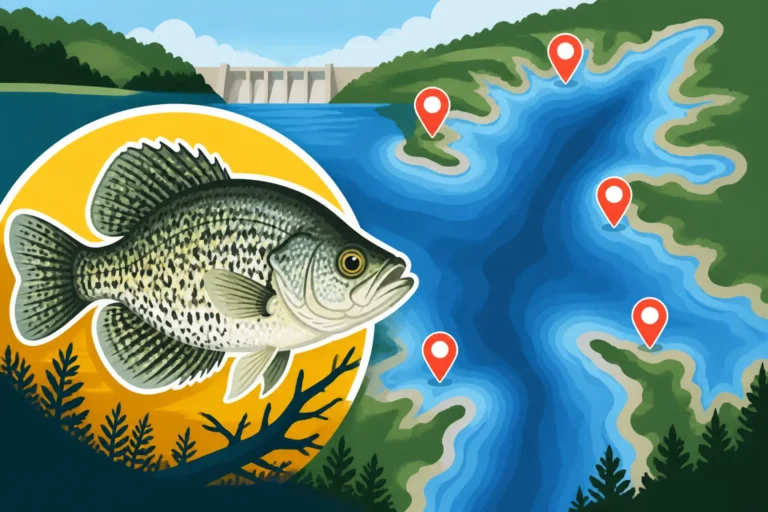
Beyond these mainstays, you can expect to encounter various Panfish like crappie and bluegill in the river's quieter backwaters and oxbows, particularly during spring. There are also opportunities for Northern Pike in some of the slower, weedy sections, especially further north. And, of course, a variety of rough fish like carp and buffalo are always present, offering a strong pull for those who enjoy a heavy bend in their rod.
Prime Fishing Locations Along the Big Sioux River
Knowing what fish are in the river is one thing, but knowing where to find them is the real trick. The Big Sioux River offers several distinct stretches, each with its own character and best-suited species. While the entire river holds potential, certain public access points and river characteristics tend to concentrate fish, making them prime targets for anglers.
The Hawarden Stretch: Smallmouth Bass Paradise
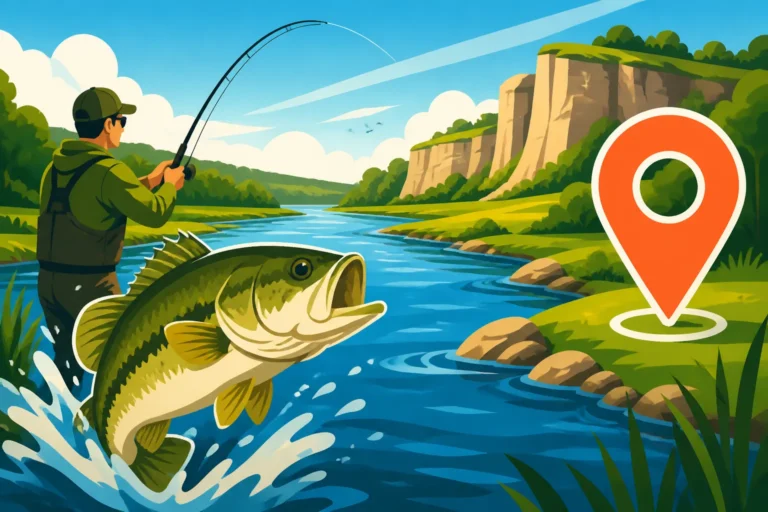
If smallmouth bass are what you're after, the Hawarden area is an excellent place to start your exploration. The river here tends to be shallower and rockier, with a more pronounced current in many places, creating ideal habitat for these bronze bombers. Public access is available at the Big Sioux Recreation Area just north of Hawarden, which offers good bank access and often a less crowded experience. Anglers can wade some of the shallower areas, carefully navigating the slippery rocks, to cast into current breaks and eddies behind larger boulders. Look for areas where the main current washes over gravel beds or where submerged logs create ambush points.
This stretch is particularly good for throwing smaller crankbaits, spinnerbaits, and soft plastics rigged on jigs. Topwater lures can be incredibly effective during low-light conditions in summer mornings and evenings. A common scenario here involves casting upstream and retrieving through a seam of calmer water adjacent to the main current, waiting for that tell-tale aggressive strike. Remember, river smallmouth are powerful fighters, so ensure your drag is set properly! This section of the river, while sometimes challenging to navigate due to current and rocky bottoms, truly offers some of the best Smallmouth Bass Fishing in Iowa.
Akron Area: Catfish and Walleye Havens
Moving downstream to the vicinity of Akron, the Big Sioux River begins to show a different personality, offering prime opportunities for both channel catfish and walleye. Around Akron, the river generally widens and deepens, providing those slower, more profound holes that catfish adore. There are often more significant stretches of timber along the banks and submerged brush, creating excellent cover for both baitfish and the larger predators that hunt them.
Public access can be found at various bridge crossings and smaller municipal parks in the Akron area, though specific boat ramp access directly on the Big Sioux can be limited, often requiring smaller craft or careful planning. Many local anglers find success by targeting deeper bends and the mouths of smaller creeks that feed into the Big Sioux. For channel catfish, cut bait (like shad or skipjack), prepared stink baits, or even a good old nightcrawler fished on the bottom with a slip sinker rig are highly effective. For walleye, vertical jigging with minnows or plastics, or slowly dragging a crawler harness along deeper contours, can produce results, especially during the spring and fall runs. Understanding the subtle current changes and finding those deeper scour holes is crucial here for both species.
Lower Big Sioux Near Sioux City: Diverse Opportunities
As the Big Sioux River approaches its confluence with the mighty Missouri River near Sioux City, its character transforms once more. This lower stretch, particularly within a few miles of its mouth, becomes a melting pot of species, offering some of the most diverse fishing opportunities on the river. The influence of the Missouri River brings in a wider array of fish and creates more substantial current dynamics. While direct Big Sioux River access in Sioux City can be limited to bank fishing in certain park areas, the proximity to the Missouri opens up additional avenues.
Anglers here can still find excellent channel catfish and flathead catfish in the deeper holes and around heavy cover. The confluence itself can be a hotspot for walleye and sauger, especially during their migratory periods. White bass and even some freshwater drum are also commonly caught in this section. For those unfamiliar with the area, checking a service like FishingBooker might help connect you with local guides who specialize in these border waters, as they can provide invaluable insights into current conditions and honey holes. Access points for the Missouri River near Sioux City, such as those within Bacon Creek Park or the extensive riverfront, can also provide jumping-off points to explore the lower Big Sioux by boat. This dynamic environment truly offers a chance to catch a variety of species on a single outing.
Essential Techniques and Tips for Big Sioux River Success
Fishing a river like the Big Sioux requires a slightly different approach than fishing a lake. The constant flow, ever-changing structure, and unique feeding patterns of river fish mean that adapting your techniques is key to consistently putting fish in the net. Don't worry, it's not overly complicated, but a few core principles will give you a significant advantage.
Bait and Lure Choices for River Conditions
When you're out on the Big Sioux, selecting the right bait or lure can make all the difference. For Channel Catfish, you simply can't go wrong with classic offerings. Cut bait, particularly from oily species like shad or even smaller sunfish, is often irresistible. Many anglers also swear by prepared stink baits or dough baits, especially when fished in deeper holes or near current breaks. A simple bottom rig with an egg sinker above a swivel and an 18-24 inch leader to a wide gap hook (size 2/0 to 5/0) is typically all you need.
For Smallmouth Bass, a more active approach is usually best. In the rocky, current-rich areas, small to medium-sized crankbaits that mimic crawfish or baitfish are highly effective. Spinnerbaits, especially those with willow leaf blades for cutting through current, can also trigger aggressive strikes. Soft plastic baits, such as tube jigs or creature baits, rigged on a jig head and dragged or hopped along the bottom, are excellent for probing deeper pockets. During warmer months, topwater lures like poppers or walking baits can create explosive surface strikes, particularly in the early morning or late evening.
When targeting Walleye and Sauger, a versatile approach works best. Jigs tipped with live minnows or soft plastic paddletails are a go-to. Fishing them vertically or casting them upstream and slowly dragging them back through current seams can be deadly. Small to medium-sized crankbaits, especially those designed to dive to relevant depths, can be trolled or cast effectively. Color choices often lean towards natural hues like perch, silver, or firetiger, but it's always good to experiment based on water clarity. Don't forget to check the specific Iowa Fishing Season Dates and Limits for these species, as they can have specific regulations.
Understanding River Current and Structure
Learning to "read the water" is perhaps the most valuable skill an Iowa river angler can develop, especially on a river with varied flow like the Big Sioux. Fish are inherently lazy; they want to find places where they can ambush prey without expending too much energy fighting the current. These places are called current breaks or structure.
Look for areas where the main current flow is interrupted. This could be a large submerged rock, a log jam, an undercut bank, or even a subtle change in depth. Fish will often hold just out of the direct current, either behind the obstruction or in the slower water adjacent to it, waiting for food to be swept by. Pay close attention to eddies – areas where the water swirls back upstream – as these are often prime holding spots for predatory fish.
Log jams and fallen trees are catfish magnets. The complexity of these areas provides shade, cover, and a buffet of insects and baitfish. Fishing around these areas requires patience and often a heavier setup to avoid snags, but the rewards can be substantial. Undercut banks also provide excellent cover, especially for smallmouth bass and catfish, offering a dark, protected hideaway from both predators and strong currents.
Using your fishing gear to "feel" the bottom can also reveal hidden structure like rock piles, gravel beds, or subtle depth changes that aren't visible from the surface. This intimate connection with the riverbed allows you to present your bait precisely where fish are likely holding, significantly increasing your chances of a bite.
Seasonal Fishing Strategies
The Big Sioux River offers year-round fishing opportunities, but success often hinges on adapting your strategies to the seasons.
In spring, as water temperatures rise, fish become more active. This is a prime time for the walleye and sauger run, as they move upstream to spawn. Targeting them near the mouths of tributaries or in main river channels with jigs and minnows can be highly productive. Catfish also start to feed aggressively as the water warms, making this a great time to hit deeper holes with cut bait. Spring also sees crappie and bluegill moving into shallower backwaters for their spawn, becoming easier targets.
Summer brings consistent action, especially for smallmouth bass and channel catfish. Smallmouth will be active throughout the river's rocky stretches, hitting topwater lures in low light and crankbaits during the day. Catfish will be spread out, but still concentrate in deeper holes and around heavy cover. Night fishing can be incredibly effective for catfish during the summer heat, as they become more active after dark. Early mornings and late evenings are best for other species as they seek refuge from the midday sun.
Fall is a fantastic time for trophy fish on the Big Sioux. As water temperatures cool, many species go on a feeding frenzy to prepare for winter. Walleye and sauger become very active again, often found in deeper pools and current breaks. Smallmouth bass will be gorging on baitfish, and larger specimens are often caught. Catfish remain active until water temperatures drop significantly. This is a great time to cover a lot of water with crankbaits and spinnerbaits, looking for aggressive feeders.
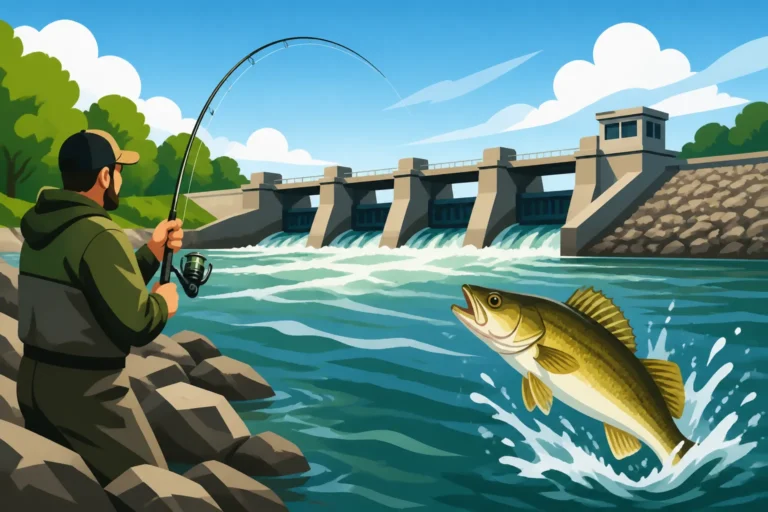
While winter fishing on the Big Sioux is less common due to ice conditions and difficult access, open water areas, especially below dams (if present and safely accessible), can still hold fish like walleye and sauger. Ice fishing is generally not recommended on river systems like the Big Sioux due to unpredictable ice thickness and dangerous currents, so focus on open water opportunities when available and always prioritize safety.
Navigating Access and Regulations for the Big Sioux River
Part of being a responsible and successful angler on the Big Sioux River is knowing where you can legally access the water and understanding the rules that govern fishing in this unique border region. Don't let confusing regulations deter you; with a little preparation, you'll be ready to cast your line with confidence.
Public Access Points and Boat Launches
Finding reliable public access points on a river can sometimes feel like a treasure hunt, but thankfully, the Big Sioux River offers several options for both bank anglers and those with smaller boats.
In the upper stretches, particularly near Larchwood and Hawarden, public access often comes in the form of county parks or wildlife management areas. Klondike Park, managed by Lyon County Conservation, near Larchwood, is a great example. It offers scenic views, camping, and generally good bank access to the river. Further south, the aforementioned Big Sioux Recreation Area near Hawarden provides more opportunities, often with designated parking and areas suitable for wading or launching a kayak or canoe.
As you move towards Akron, access primarily relies on bridges and informal pull-offs, though it's always crucial to respect private property. Look for opportunities where public roads cross the river, and always check for "No Trespassing" signs. For those with boats, dedicated ramps directly on the Big Sioux can be sparse. Many anglers opt to launch smaller craft like jon boats or kayaks from more accessible spots, or utilize ramps on the nearby Missouri River and navigate upstream into the lower Big Sioux.
Closer to Sioux City, accessing the very lower Big Sioux might involve seeking out city parks or wildlife areas along the riverfront, though again, boat ramps are more common on the main stem of the Missouri River. Exploring the Iowa Fishing Atlas Access Points online can be an invaluable tool for pinpointing official public access sites along the entire river. Remember to always leave these areas cleaner than you found them, ensuring continued access for everyone.
Iowa Fishing Regulations and Border Water Rules
Fishing on the Big Sioux River isn't just about knowing where the fish are; it's also about knowing the rules, especially given its status as a border water with South Dakota. This means that while you'll primarily be adhering to Iowa's fishing regulations, there are specific Reciprocal Fishing Rules on the Missouri River Border (which the Big Sioux eventually joins) that can sometimes apply to the lower sections.
Generally, if you're fishing from the Iowa bank or in Iowa waters, you need an Iowa fishing license. This is a non-negotiable part of enjoying our state's waterways. You can find detailed information on getting your license in our comprehensive Iowa Fishing License Guide. However, on the Big Sioux, due to its shared border, there are often reciprocal agreements in place. This means that sometimes, an Iowa license may be valid when fishing from a boat on certain border stretches if the other state also recognizes Iowa licenses, and vice-versa. Always consult the latest Iowa Fishing Regulations Explained booklet or the Iowa Department of Natural Resources (DNR) website for the most current and specific rules regarding border waters. They explicitly outline what licenses are valid where and for what species. Don't assume; check beforehand to avoid any legal issues.
Beyond licensing, be diligent about understanding daily bag limits and length restrictions for specific species. Walleye, sauger, and bass often have specific regulations that can vary by water body. For instance, the Iowa Fishing Daily Bag Limits Guide will specify how many of each fish you can keep per day. It's not uncommon for officers to patrol these border rivers, and ignorance of the law is not an excuse. Keep a copy of the regulations, either physically or digitally on your phone, and always measure your fish if there's any doubt. Being prepared ensures a stress-free and enjoyable fishing trip on the Big Sioux.
| Species | Preferred Habitat | Recommended Bait/Lure | Best Time of Year |
|---|---|---|---|
| Channel Catfish | Deep holes, log jams, slow eddies | Cut bait, stink bait, nightcrawlers | Spring, Summer, Fall |
| Smallmouth Bass | Rocky riffles, current breaks, submerged timber | Crankbaits, jigs, plastic worms, spinnerbaits | Spring, Summer, Fall |
| Walleye/Sauger | Current seams, tributary mouths, deeper pools | Jigs, minnows, crankbaits, crawler harnesses | Spring, Fall |
| Panfish (Crappie, Bluegill) | Slack water, brush piles, backwaters | Small jigs, worms, minnows | Spring, Summer |
| Northern Pike | Weedy backwaters, slower river bends | Spoons, spinnerbaits, larger minnows | Spring, Fall |
Conclusion
The Big Sioux River truly is an untapped treasure for many Iowa anglers, offering a diverse and exciting fishing experience that can be incredibly rewarding. From the feisty smallmouth bass in its rocky upper stretches to the abundant channel catfish in its deeper pools and the walleye and sauger found near its confluence with the Missouri, there's a fish out there for everyone. By understanding the river's unique habitats, adapting your techniques to its flow and structure, and knowing the essential access points and regulations, you're well on your way to discovering your own hidden honey holes. So grab your gear, check your Iowa fishing license, and get ready to experience the quiet beauty and thrilling catches of the Big Sioux River.
Disclaimer
Please remember that fishing conditions, regulations, and fish populations can change frequently. Always consult the latest Iowa Department of Natural Resources (DNR) fishing regulations before heading out. Safety on and around the water is paramount; be aware of currents, weather conditions, and wear appropriate personal flotation devices, especially when fishing from a boat or wading.