Reciprocal Fishing Rules on the Missouri River Border
It’s incredibly frustrating to plan a fishing trip to the mighty Missouri River, only to get bogged down in bureaucratic questions about which state's license you need. You're standing on the bank, or maybe drifting in your boat, looking at that broad expanse of water, and wondering if your Iowa fishing license is valid if you cast just a little too far toward the Nebraska or South Dakota bank. This guide is here to untangle those confusing reciprocal fishing rules specifically for the Iowa and Missouri River border waters, helping you fish confidently and legally.
Deciphering Reciprocal Fishing Agreements on the Missouri River
The Missouri River isn't just a physical boundary; it's a living ecosystem that often requires a different set of rules for anglers. Unlike fishing an inland lake completely within Iowa's borders, when you're on the "Big Muddy," you're often dealing with shared resources and, consequently, shared regulations. The idea of "reciprocal agreements" comes into play here, which can either simplify or complicate your fishing plans, depending on how well you understand them.
What Reciprocity Means for Border Water Anglers
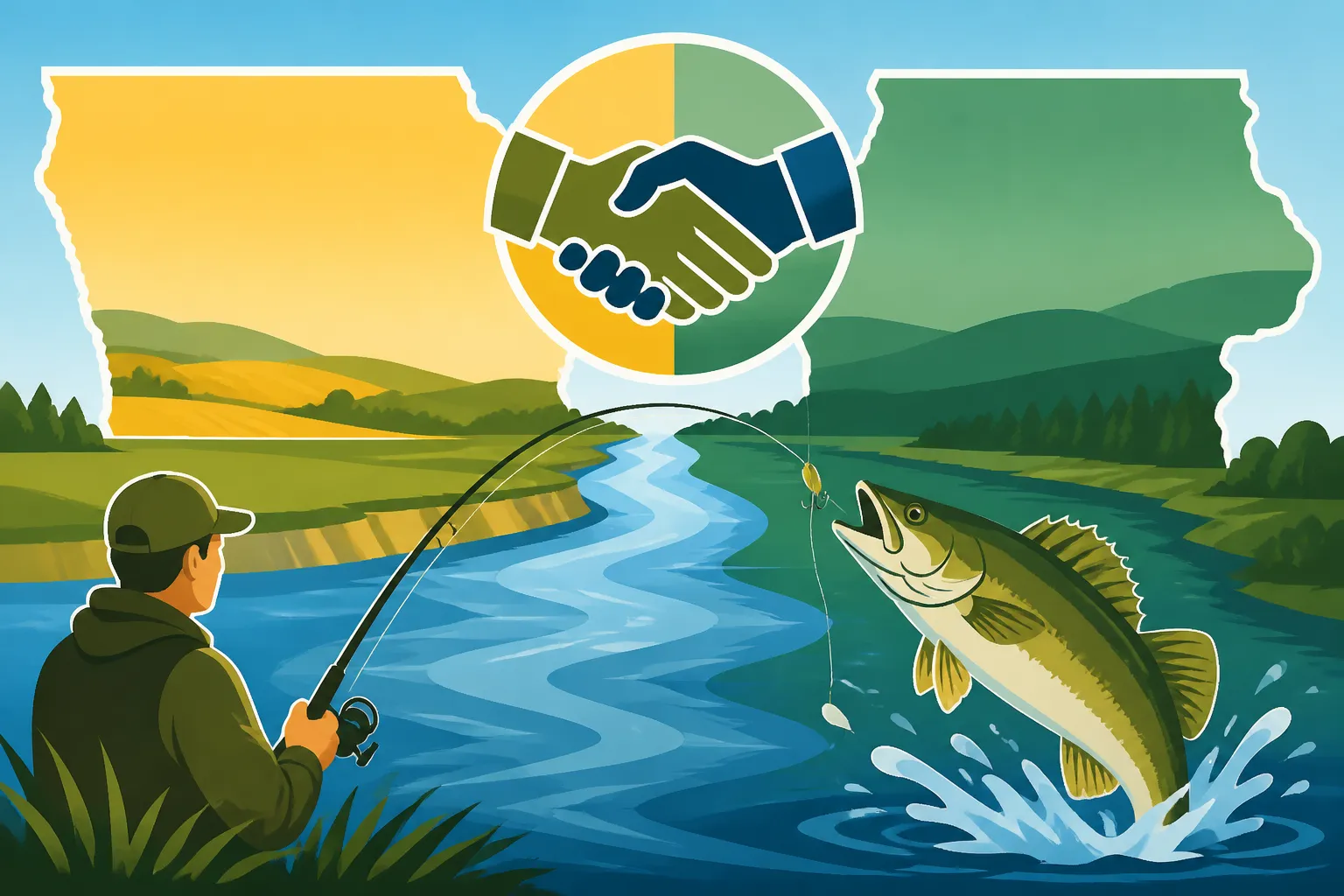
At its heart, reciprocity in fishing regulations means that a valid fishing license issued by one state is recognized as valid by a neighboring state when fishing specifically designated border waters. This is a huge benefit for anglers because it saves you the hassle and expense of buying multiple licenses just to fish a single river that acts as a border. Imagine being out on your boat, having a fantastic day, only to realize you’ve drifted across an invisible line and are technically violating a different state's licensing laws. Reciprocal agreements are designed to prevent such headaches, allowing you to focus on landing that trophy walleye or catfish.
However, it's crucial to understand that reciprocity isn't a blanket rule covering all waters or all situations. It almost always applies only to the mainstem of the river itself, and often to specific backwaters directly connected to the river. It rarely extends to tributaries that flow into the river or to oxbow lakes that are entirely within one state's boundary, even if they're just a stone's throw from the main channel. Always double-check the specific agreement, because ignorance of the law is never a valid excuse, especially when a conservation officer is checking licenses.
Why Border Water Rules Are Different
The Missouri River, as it carves its path along Iowa's western edge, creates a unique scenario. It's not just Iowa's river; it's also Nebraska's and South Dakota's. Each state has its own Department of Natural Resources (DNR) or equivalent agency, tasked with managing fish populations, setting bag limits, and ensuring sustainable angling practices within their jurisdiction. If there weren't agreements in place, every time you cast from one bank to the other, or drifted your boat even a few feet, you'd technically be subject to a different set of laws.
These differences are sometimes rooted in unique ecological considerations or management strategies tailored to each state's specific needs. For instance, one state might have more liberal catfish limits due to healthy populations, while another might impose stricter rules on walleye to protect spawning stocks. Reciprocal agreements often aim to harmonize these differences as much as possible for the shared border waters, or at least clarify which state's regulations take precedence for licensed anglers. Without these agreements, fishing the Missouri River would be a logistical nightmare, requiring anglers to have licenses from multiple states and constantly monitor their position relative to state lines, which can be nearly impossible on a dynamic river.
Iowa's Reciprocal Agreements with Nebraska and South Dakota
When it comes to the Missouri River, Iowa primarily shares its border with Nebraska and South Dakota. Therefore, understanding the specific agreements with these two states is paramount for anyone planning to fish these storied waters. These agreements are generally quite friendly to anglers, but they come with specific conditions you absolutely need to be aware of.
Where Your Iowa License Is Valid on the Missouri River
If you possess a valid Iowa fishing license, you are typically covered to fish the mainstem of the Missouri River where it forms the border with Nebraska and South Dakota. This means if you're an Iowa resident with an Iowa Resident Annual Fishing License or a non-resident with an Iowa Nonresident Annual Fishing License, you can fish from the Iowa bank, from a boat anywhere in the main channel, or even from the Nebraska or South Dakota banks of the Missouri River, provided you stay within the agreed-upon reciprocal waters.
For instance, an Iowa fishing license lets you fish the Missouri River all the way from Sioux City down to the Iowa-Missouri state line near Council Bluffs/Omaha, crossing into what would otherwise be Nebraska waters. The key here is "mainstem." This generally includes the river's main channel, as well as any backwaters, sloughs, and chutes that are directly connected to the main channel without obstruction and are traditionally considered part of the river proper. It explicitly does not include tributaries that flow into the Missouri River, or oxbow lakes and ponds that are no longer directly connected to the main flow of the river, even if they were historically part of it. For these isolated waters, you must have the license of the state in which that water body lies. For a deeper dive into general requirements, check out our Iowa Fishing License Guide.
Daily Limits and Species Regulations on Border Waters
This is where things can sometimes get a little more nuanced. While your Iowa license is generally valid on the reciprocal waters, whose regulations do you follow? The common practice for the Iowa-Nebraska and Iowa-South Dakota Missouri River border waters is that you, as the angler, must adhere to the fishing regulations (like daily bag limits, size limits, and species restrictions) of the state from which you purchased your valid resident or nonresident fishing license.
For example, if you're an Iowa resident fishing the Missouri River with your Iowa license, you'll follow the Iowa Fishing Daily Bag Limits Guide, regardless of whether you're casting towards the Nebraska bank or the South Dakota bank. Similarly, a Nebraska resident with a Nebraska license would follow Nebraska's specific rules. This means it's entirely possible for two anglers fishing side-by-side in the same boat on the Missouri River to be subject to different sets of regulations if they hold licenses from different states. This is a critical point to remember, especially if you're fishing with friends or family who are licensed in a different state. Always be aware of your own state's rules, and for comprehensive details, our guide on Iowa Fishing Regulations Explained, is a great resource.
It's also worth noting that non-resident anglers still need to purchase a non-resident license from one of the border states (Iowa, Nebraska, or South Dakota) to fish the reciprocal waters. For example, a non-resident from Minnesota would need to buy either an Iowa Nonresident Annual Fishing License, a Nebraska non-resident license, or a South Dakota non-resident license. Once they have one, they follow that state's regulations on the reciprocal waters. This can sometimes lead to choosing a license based on the regulations you prefer, or simply which state you plan to spend more time in, even on the border river.
| Scenario | Angler's License | Valid on Missouri River (IA-NE/SD Border)? | Regulations to Follow |
|---|---|---|---|
| Iowa Resident | Valid Iowa License | Yes | Iowa Fishing Regulations |
| Nebraska Resident | Valid Nebraska License | Yes (IA-NE Border only) | Nebraska Fishing Regulations |
| South Dakota Resident | Valid South Dakota License | Yes (IA-SD Border only) | South Dakota Fishing Regulations |
| Non-Resident (e.g., from Illinois) | Iowa Nonresident License | Yes | Iowa Fishing Regulations |
| Non-Resident (e.g., from Illinois) | Nebraska Nonresident License | Yes (IA-NE Border only) | Nebraska Fishing Regulations |
| Non-Resident (e.g., from Illinois) | South Dakota Nonresident License | Yes (IA-SD Border only) | South Dakota Fishing Regulations |
| Fishing Iowa Inland Lake/Tributary | Valid Iowa License (Res/Non-Res) | Yes | Iowa Fishing Regulations |
| Fishing Iowa Inland Lake/Tributary | Valid NE or SD License (Res/Non-Res) | No (Needs separate IA license) | Must obtain Iowa License & follow IA Regs |
Practical Considerations for Fishing the Missouri River Border
Fishing border waters like the Missouri River isn't just about understanding the rules; it's also about practical execution. From carrying the right documentation to knowing how to adapt to the river's ever-changing nature, a little forethought can save you a lot of trouble and ensure your focus remains squarely on the fishing.
Carrying Your License and Identification
It might sound obvious, but always have your valid fishing license and a form of identification on your person while fishing. Even with reciprocal agreements in place, conservation officers from either state have the authority to check your license and ensure you're compliant with the rules of the state under which you are licensed. A physical license is still preferred by many, but electronic versions displayed on a smartphone are also accepted in Iowa and generally across these border states. However, what if your phone battery dies, or you drop it in the drink? It happens more often than you think!
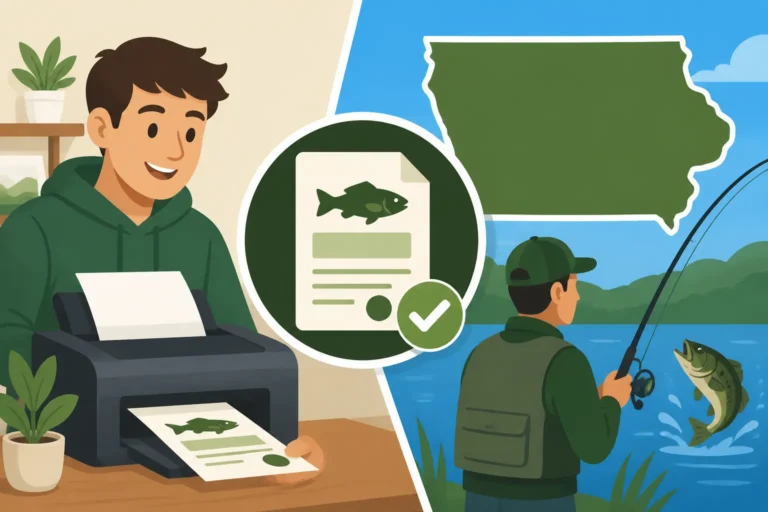
Having a printed copy, perhaps laminated or kept in a waterproof pouch, is a reliable backup. You can often print your license at home after purchasing it online, or pick up a durable waterproof case on Amazon to keep your paper copy safe from the elements. This small effort can prevent a lot of headaches if technology fails you when a game warden pulls up. Remember, you're responsible for proving you're legally licensed. Losing service or having a dead battery isn't a valid excuse for not being able to present your credentials.
Staying Aware of Shifting Boundaries and Specific Exclusions
The Missouri River is a dynamic force; its channels can shift, sandbars can appear and disappear, and what was once a backwater connected to the main channel might become isolated over time. This dynamic nature can blur the lines of where reciprocal agreements apply. As mentioned, these agreements generally cover the "mainstem" of the river. This usually includes the primary channel and directly connected backwaters. However, oxbow lakes or old river channels that have become completely cut off from the main flow of the river are typically not covered by reciprocity.
For example, an old oxbow lake that now sits entirely within Iowa's geographical boundaries, even if it was once part of the Missouri River's main channel, would require an Iowa license for all anglers, regardless of where they are licensed. Similarly, a small stream or tributary that feeds into the Missouri River is generally considered part of the inland waters of the state it flows through. If you decide to explore a small tributary for panfish or bass, you would need the license for the state that tributary is in, even if you are only a few feet from the main river. Always err on the side of caution. If you're unsure if a specific water body is covered by reciprocity, assume it's not and check local regulations, or contact the Iowa DNR (or Nebraska/South Dakota equivalent) for clarification.
Essential Tips for a Smooth Missouri River Fishing Experience
Fishing the Missouri River can be an incredibly rewarding experience, offering diverse species and breathtaking scenery. However, navigating the border rules requires a proactive approach to ensure you have a legal and enjoyable outing. By staying informed and prepared, you can avoid common frustrations and make the most of your time on the water.
Double-Checking Regulations Annually
Fishing regulations are not set in stone; they can and do change from year to year. What was true last season might not be true this season, especially concerning bag limits, size restrictions, or even specific reciprocal agreements. It's not uncommon for states to adjust these rules based on fish population surveys, environmental factors, or changes in management strategies. Our guide to Iowa Fishing Season Dates and Limits, provides valuable annual updates, but a quick check of the official Iowa DNR website or the Go Outdoors Iowa app before your first trip of the season is always a good idea.
This annual review is particularly important for border waters, as changes by Nebraska or South Dakota could indirectly impact the practical application of reciprocal rules. Don't rely on outdated information or anecdotes from fellow anglers. Take five minutes to confirm the current year's regulations. Many anglers, myself included, will download the digital regulation booklet or print out key pages, which can be easily carried in a tackle box or on your phone (again, a waterproof case from Amazon can be a lifesaver for your phone!). Being prepared not only keeps you legal but also shows respect for the resource and the conservation officers working to protect it.
Understanding Gear Restrictions and Other Rules
Beyond just licenses and bag limits, reciprocal agreements might also touch upon specific gear restrictions or fishing methods. For example, How Many Fishing Poles You Can Use in Iowa, is a specific regulation that might differ from a neighboring state's rule. If you're an Iowa-licensed angler, you must follow Iowa's regulations regarding the number of lines, types of bait, or use of certain gear (like trotlines or spearing) even if you're technically fishing in Nebraska waters under a reciprocal agreement.
Always make sure your gear and methods align with the regulations of the state whose license you hold. This also extends to boat registration and safety equipment. If you're launching your boat from an Iowa ramp, your boat needs to be registered in Iowa and meet Iowa's safety requirements, regardless of where on the Missouri River you plan to fish. You can find more information about this in our Iowa Boat Registration Requirements. Similarly, rules regarding night fishing or specific lure restrictions might apply. These aren't just minor details; they can lead to citations and fines if overlooked. A general rule of thumb: when in doubt about a specific rule for border waters, refer to the regulations of the state that issued your license.
What Happens If You Fish Without a License in Iowa
Fishing without a valid license, or violating other regulations, is no small matter. If you are caught fishing without a proper Iowa license where one is required, or if you violate specific bag or size limits on the reciprocal waters while operating under an Iowa license, you could face significant penalties. Typically, this involves a monetary fine, and possibly court costs. In some cases, especially for repeat offenses or egregious violations like exceeding daily limits, you could even have your fishing privileges suspended.
Conservation officers have the authority to issue citations on the spot. While reciprocal agreements aim to make things smoother, they do not grant immunity from enforcement. If you're an Iowa-licensed angler following Iowa rules, but you find yourself fishing in an area not covered by reciprocity and requiring a Nebraska or South Dakota license, you could be cited by officers from those states. Our guide, What Happens If You Fish Without a License in Iowa, explains this in more detail. It's a risk simply not worth taking. Always be sure of your license validity and adhere to the regulations of the state whose license you carry to avoid any unpleasant surprises on your fishing trip. If you ever witness someone violating fishing rules, you can also find out Where to Report a Fishing Violation in Iowa.
Disclaimer
The information provided in this guide is for general informational purposes only and does not constitute legal advice. Fishing regulations can change frequently, and while we strive to keep our content up-to-date, it's essential always to consult the official Iowa Department of Natural Resources (DNR) publications and websites for the most current and specific regulations before fishing. Additionally, anglers are responsible for understanding and adhering to the specific reciprocal agreements and regulations of any bordering state when fishing shared waters.