Best Reel Size for Walleye Fishing
Choosing the right reel size for walleye fishing in Iowa can feel like a guessing game with all the numbers and specifications thrown around. It's truly frustrating when you're just trying to enjoy a peaceful morning on the lake, only to realize your gear isn't quite cutting it, or you're left wondering if you're handicapping yourself before you even cast. This comprehensive guide is here to untangle the confusion, helping you understand what reel sizes truly mean and how to select the perfect one to give you an edge when targeting those elusive Iowa walleye.
Decoding Fishing Reel Sizes: What Do the Numbers Mean?
Before we dive into specific recommendations for walleye, it's really important to understand the language of fishing reels. Manufacturers use different numbering systems for spinning and baitcasting reels, and knowing what those numbers represent is the first step to making an informed decision. You don't want to show up on the Iowa Walleye Season Opening Day with a reel meant for panfish!
Spinning Reel Sizing Convention
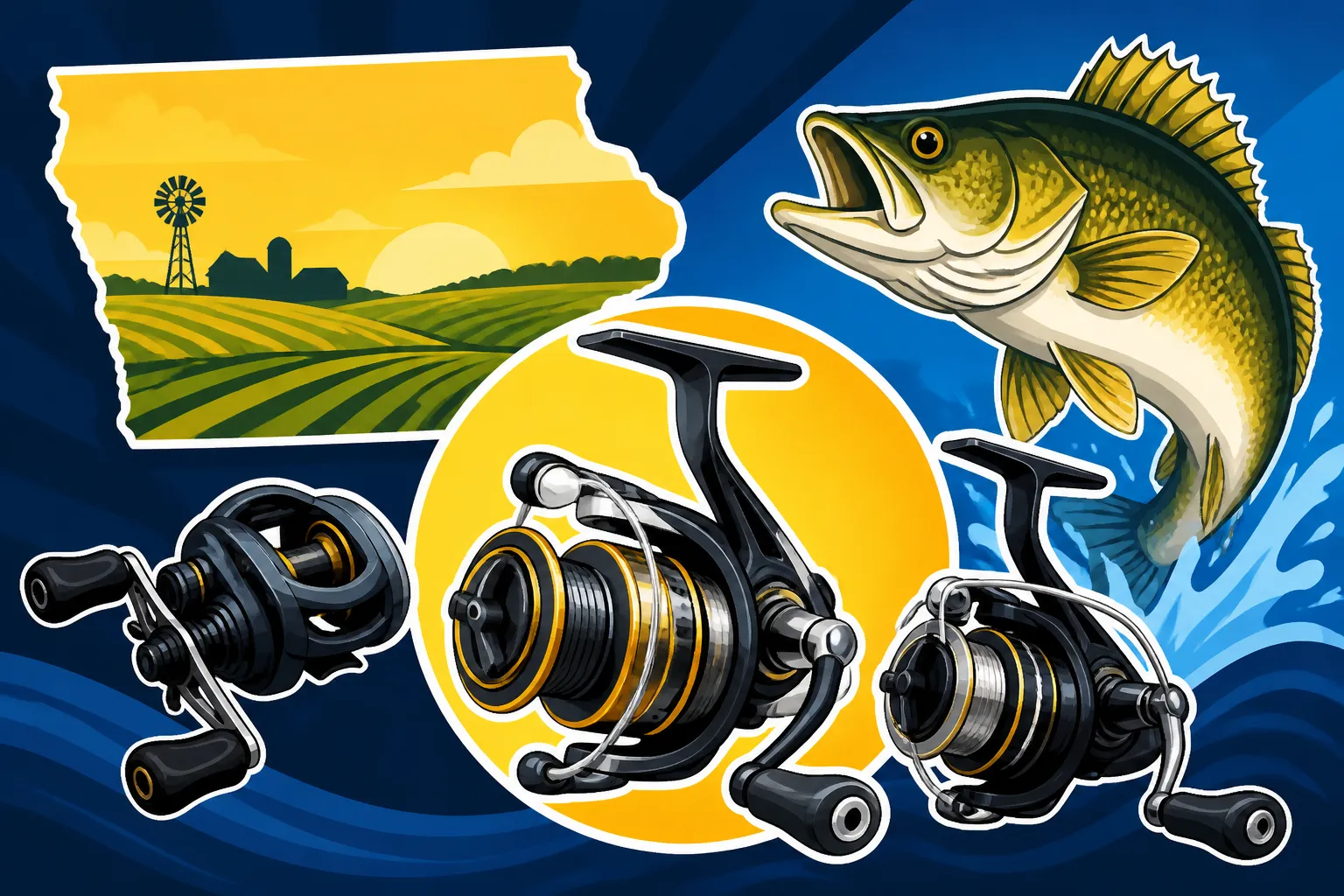
Spinning reels, the kind where the spool doesn't rotate during the cast, typically use a numeric system that can range from 1000 up to 10000 or even higher. Generally, the lower the number, the smaller and lighter the reel.
- 1000-2000 Series: These are your ultralight and light reels, often reserved for panfish like bluegill and crappie, or trout in smaller streams. They're great for delicate presentations and lighter lines, but wouldn't offer enough backbone for a decent walleye, especially in current.
- 2500-3000 Series: This is where we start getting into the sweet spot for many freshwater species, including walleye. Reels in this range offer a good balance of line capacity, retrieve speed, and drag power without being overly bulky. A 2500 might be perfect for finesse jigging, while a 3000 offers a bit more versatility for casting crankbaits or fishing slightly heavier current.
- 4000 Series and Up: These reels are typically for heavier freshwater applications, like targeting larger northern pike, muskie, or for light saltwater fishing. While a 4000 series reel could certainly handle a walleye, it might feel a bit heavy and less sensitive for most dedicated walleye techniques. The key is finding that balance where you have enough power without sacrificing feel.
Baitcasting Reel Sizing Convention
Baitcasting reels, where the spool spins during the cast and retrieve, are a different beast entirely. Their sizing convention isn't as universally standardized as spinning reels, often relating more to line capacity and sometimes by a specific model number within a brand's lineup. You might see numbers like 100, 200, 300, or 400.
- 100-200 Series (Low Profile): These are the most common baitcasters for general freshwater use. A 100 or 150 series might be excellent for casting lighter jigs or medium crankbaits for walleye. A 200 series provides more line capacity and often a bit more robust gearing, making it suitable for heavier applications or when you need to cast larger, heavier lures. Their ergonomic, low-profile design makes them comfortable for repetitive casting.
- 200-300 Series (Round or Low Profile): When you move into the 200-300 series, you're looking at reels with significantly more line capacity and often more powerful drag systems. Round baitcasters, while less common for typical walleye casting, are often favored for trolling or specific heavy-duty techniques because of their immense line capacity and brute strength. A low-profile 300-series reel would offer similar advantages in a more compact form, ideal for bigger baits or deep-water jigging.
- 400 Series and Up: These are heavy-duty reels, typically for large catfish, muskie, or saltwater fishing. They're generally too big and heavy for most dedicated walleye techniques, unless you're specifically targeting monstrous fish in extreme conditions, which isn't the everyday Iowa walleye scenario.
Walleye Fishing Demands: Matching Your Reel to the Fight
Walleye are fantastic sport fish, known for their delicious fillets and their often subtle, yet powerful, fight. They might not jump like a bass or scream drag like a salmon, but they can put up a surprisingly strong resistance, especially larger fish in river currents or when they make deep dives. Your reel needs to be ready for whatever they throw at you. If you're wondering How to Catch Walleye in Iowa, understanding the demands of the fish and the techniques you'll use is paramount.
Common Walleye Techniques in Iowa
The techniques you prefer will heavily influence your reel choice. Different approaches demand different characteristics from your gear.
- Jigging (Vertical and Pitching): Whether you're vertically jigging over structure in lakes like Clear Lake or pitching jigs to river eddies on the Mississippi, sensitivity and quick line pickup are crucial. You need to feel those subtle "thunks" or "light bites" that walleye are famous for. A smaller, lighter reel balances better with sensitive rods, reducing arm fatigue during a long day of twitching and hopping.
- Trolling (Crankbaits, Crawler Harnesses): For anglers who spend hours covering water, pulling crankbaits or Best Crawler Harness Colors for Iowa Walleye behind the boat, line capacity and a smooth, consistent drag are king. You're not casting, so accuracy isn't a primary concern. Instead, you need a reel that can hold plenty of line for long leads and handle the sustained pressure of a fighting walleye on a long retrieve.
- Casting (Crankbaits, Swimbaits, Blades): When casting lures from shore or boat, especially when covering broader flats or targeting aggressive fish, casting distance and a smooth retrieve are important. You'll want a reel that spools line cleanly and doesn't create excessive line twist, allowing your lure to run true.
- Slip Bobber Fishing: This technique requires a smooth casting reel for delivering your bait to the strike zone, often requiring a good cast. Sensitivity isn't as critical in the reel itself, but a reliable drag system is still important once a walleye takes the bait and runs. This method is especially popular in calmer lake conditions or for working specific depths.
The Walleye Fight and Your Gear
Walleye typically range from 1 to 5 pounds, but a 10-pounder isn't out of the question in some of Iowa's premier fisheries. When you hook into one of these larger fish, especially in a strong current, they will absolutely test your drag. They'll bulldog to the bottom, shake their heads, and make sudden, powerful dives. Your reel needs:
- Sufficient Line Capacity: Even if walleye don't typically make super long runs, having enough line (100-150 yards minimum of your chosen line weight) ensures you're prepared for unexpected surges or if you happen to hook a bonus northern pike.
- Smooth, Reliable Drag: A jerky or sticky drag system is a recipe for heartbreak. A good walleye reel will have a drag that pays out line smoothly under pressure, preventing line breaks and protecting your rod. You might be interested in reading about Walleye Fishing Techniques for Iowa Rivers for more on how current affects the fight.
- Durability: Walleye fishing often means fishing around rocks, submerged timber, and in various weather conditions. A reel built with quality materials that can withstand some abuse is a worthwhile investment.
Choosing the Right Reel Size for Your Walleye Adventures
Now that we understand the sizing conventions and the demands of walleye fishing, let's get down to the brass tacks: what reel size should you actually choose? The choice between spinning and baitcasting reels often comes down to personal preference, the specific technique, and your level of experience.
Spinning Reels: The Versatile Walleye Choice
Spinning reels are often the go-to for walleye anglers, especially for those who appreciate versatility and ease of use. They're fantastic for casting lighter jigs, live bait rigs, and small to medium crankbaits.
-
The 2500 Series: Finesse and Feel
- For light jigging, slip bobber setups, or fishing with smaller lures and lighter lines (6-8 lb monofilament or fluorocarbon, 10-15 lb braid), a 2500 series spinning reel is often ideal. It's lightweight, balances beautifully with a medium-light or medium power rod, and provides excellent sensitivity. You'll feel every subtle bite. If you're buying your first dedicated walleye reel and plan on a lot of finesse jigging in lakes or calmer rivers, this size is a fantastic starting point. You can find many excellent options from brands available at Bass Pro Shops or even a wide selection on Amazon.
- Real-World Scenario: Imagine you're on West Okoboji Lake, vertically jigging a 1/8 oz jig for walleye suspended over deep structure. A 2500 reel with a sensitive rod allows you to detect those faint taps, giving you the edge on finicky fish.
-
The 3000 Series: The Workhorse for Most Applications
- This is arguably the most popular and versatile spinning reel size for walleye fishing across Iowa. A 3000 series reel offers slightly more line capacity, a bit more stopping power, and often a more robust build than its 2500 counterpart, without feeling overly heavy. It's perfect for casting medium crankbaits, trolling with lighter setups, and handling bigger walleye in stronger currents, like those found on the Mississippi or Des Moines rivers. It's still sensitive enough for jigging but has the muscle to handle a surprise northern pike if one decides to crash your walleye party. This size is a true all-rounder for Iowa Fishing Techniques Guide.
- Real-World Scenario: You're casting crankbaits along a breakline on Rathbun Lake, covering water. A 3000 series reel gives you enough line for long casts and the confidence to wrestle a chunky walleye away from potential snags.
-
The 4000 Series: Power and Capacity for Specific Needs
- While often considered a bit large for general walleye fishing, a 4000 series reel has its place. If you're regularly fishing large rivers with heavy currents, deep reservoirs with large baits, or if you're concerned about hooking into larger bycatch like muskie or heavier northern pike, this size provides excellent power and ample line capacity. It can be a good choice for heavier trolling setups where you might be running longer lines or larger diving lures. Just be aware that the increased weight might reduce overall sensitivity, making it less ideal for subtle jigging.
- Real-World Scenario: You're fishing the wing dams on the Mississippi River near Dubuque, where currents are strong and big fish lurk. A 4000 series reel with heavy braided line gives you the leverage and capacity to manage a strong walleye fighting the current, or an incidental hookup with a larger species.
Baitcasting Reels: Precision and Power for Specific Techniques
Baitcasting reels, while having a steeper learning curve than spinning reels, offer unparalleled casting accuracy and power for certain walleye techniques. They're particularly favored by experienced anglers for specific presentations.
-
100-200 Series (Low Profile): Accuracy and Control
- For casting medium to heavy jigs (1/4 oz and up), larger crankbaits, or swimbaits with precision, a low-profile baitcaster in the 100 or 200 series is an excellent choice. These reels excel at placing a lure exactly where you want it – near a log, along a weed line, or into a specific eddy. They also provide more direct feel and leverage when setting the hook on a hard-mouthed walleye. Paired with a medium power, fast action rod, this setup offers exceptional control. Many anglers will find their ideal Fishing Rod and Reel Guide for Iowa Anglers starts with this pairing.
- Real-World Scenario: You're picking apart a rocky point on Saylorville Reservoir, pitching a jigging raps into tight spots. A 150-series baitcaster allows you to hit your targets consistently and provides the power for quick, assertive hooksets.
-
200-300 Series (Round or Low Profile): Trolling and Heavy Duty
- When trolling is your primary walleye strategy, especially on larger bodies of water like Lake Rathbun or the Iowa Great Lakes, a round baitcaster or a larger low-profile model in the 200-300 series is often preferred. These reels offer superior line capacity, which is essential for running long lines, using planer boards, or deep-diving crankbaits. Their robust gear systems can handle the sustained strain of trolling and fighting larger fish without fatigue. Some anglers might use them for heavy vertical jigging in extremely deep water or strong current, but for most casting applications, the smaller low-profile models are more common.
- Real-World Scenario: You're spending a full day trolling deep-diving crankbaits on Spirit Lake, covering vast areas. A 200-series round baitcaster spooled with ample Best Pound Test Line for Catfish Fishing on Iowa Rivers (or walleye in this case) ensures you have enough line out to hit the desired depth and the power to reel in multiple fish throughout the day.
Factors Beyond Size: What Else Matters?
While reel size is crucial, it's just one piece of the puzzle. Several other features contribute significantly to a reel's effectiveness for walleye fishing.
- Gear Ratio: This number tells you how many times the spool turns with one full rotation of the handle.
- High Gear Ratio (6.0:1 or higher): Great for jigging, taking up slack quickly, or burning baits back to the boat. You retrieve more line per crank.
- Medium Gear Ratio (5.0:1 – 5.9:1): A versatile choice for many techniques, offering a good balance of speed and power.
- Low Gear Ratio (under 5.0:1): Provides more cranking power for fighting big fish or reeling in large, resistant lures, but less common for typical walleye applications unless you're focused on big, deep-diving crankbaits or heavy trolling.
- Drag System: The drag allows line to be pulled from the spool when a fish pulls hard, preventing line breaks. A smooth, consistent drag is paramount. Whether it's a front drag on a spinning reel or a star drag on a baitcaster, ensure it adjusts easily and doesn't "stick" under pressure.
- Line Capacity: Always check the reel's advertised line capacity for the type and weight of line you plan to use. You want enough line to handle long casts or trolling runs, plus a safety margin. For most walleye scenarios, 100-150 yards of your preferred line is a good baseline.
- Weight and Balance: The reel should feel balanced with your chosen rod. A mismatched reel and rod can lead to fatigue and reduced sensitivity. When you pick up a rod and reel combo, it should feel natural and comfortable in your hand.
- Material and Durability: Look for reels constructed with corrosion-resistant materials, especially if you plan to fish frequently in rivers or less-than-pristine conditions. Aluminum, graphite, and quality stainless steel components will stand the test of time. A reel might look great, but if it corrodes after a season, it's not a good investment.
| Reel Type | Recommended Size | Primary Techniques | Key Advantages | Considerations |
|---|---|---|---|---|
| Spinning | 2500 | Finesse Jigging, Slip Bobber, Light Lures | Sensitivity, Lightweight, Easy to Use | Less power for heavy applications, lower line capacity |
| Spinning | 3000 | All-Around Walleye, Casting, Medium Trolling | Versatile, Good Balance of Power/Sensitivity | Can feel bulky for ultralight presentations |
| Spinning | 4000 | Heavy Trolling, Large Rivers, Potential Bycatch | Power, High Line Capacity | Less sensitive, heavier overall |
| Baitcasting | 100-200 (LP) | Casting Jigs/Crankbaits, Pitching, Accuracy | Accuracy, Direct Feel, Stronger Hooksets | Learning curve, less ideal for light baits |
| Baitcasting | 200-300 (Round/LP) | Trolling, Deep Water, Large Baits, Heavy Current | High Line Capacity, Brute Power, Robust Drag | Can be heavy/bulky, less ideal for finesse |
Pairing Your Reel with the Right Rod and Line
Choosing the right reel is only half the battle; it needs to synergize with your rod and line choices to create a truly effective walleye fishing setup. Without proper pairing, even the best reel can feel out of place. This entire setup becomes critical, especially when fishing specific areas, such as when you need to know How Deep to Fish for Walleye in Spring.
Rod Action and Power Synergy
The rod's power (how much force it takes to bend the rod) and action (where the rod bends) are critical considerations when matching it with a reel.
- Medium-Light to Medium Power Rods: These are the most common choices for walleye. A medium-light rod pairs well with 2500 series spinning reels for finesse presentations, offering excellent sensitivity. A medium power rod is a versatile choice for 3000 series spinning reels or 100-200 series baitcasters, providing the backbone to handle larger fish and heavier lures.
- Fast or Extra-Fast Action: Most walleye anglers prefer fast or extra-fast action rods because they bend mostly in the tip section. This provides superb sensitivity for detecting subtle bites and allows for quick, powerful hooksets. A balanced reel ensures that the combo feels like an extension of your arm, making it easier to hold for long periods and react instantly to a bite.
- An Example: Pairing a 2500 spinning reel with a 6'6" medium-light, fast-action rod creates a wonderfully sensitive setup for vertical jigging. For casting larger crankbaits, a 3000 spinning reel or a 150-series baitcaster might go on a 7' medium power, fast-action rod, giving you more casting distance and power.
Line Selection and Capacity Considerations
The line you choose directly impacts your reel's performance and dictates how much line you can actually spool.
- Braided Line: Extremely popular for walleye due to its low stretch, offering incredible sensitivity and strength in a small diameter. Many anglers spool 10-20 lb braided line, often with a fluorocarbon leader (6-10 lb test). Because braid is so thin, you'll get more line on your reel, making those 2500-3000 series spinning reels feel even more capable.
- Monofilament Line: A traditional choice, monofilament offers more stretch, which can act as a shock absorber. It's often cheaper and easier to manage on a reel, but its thicker diameter means less line capacity compared to braid. Good for slip bobber fishing or when you want a little more give.
- Fluorocarbon Line: Nearly invisible underwater and very sensitive, fluorocarbon is a great main line for some applications, though it can be stiffer and have more memory than mono. Many anglers use it primarily as a leader material.
- Capacity Check: Always match your line weight to the reel's recommended specifications. Overfilling or underfilling can lead to casting issues and tangles. A 3000 series spinning reel might hold 150 yards of 8 lb mono, but the same reel could easily hold 200+ yards of 15 lb braid. Understanding these differences is key for success, whether you're fishing Walleye Fishing Techniques for Iowa Lakes or rivers.
Maintenance and Longevity for Your Walleye Reel
A quality walleye reel is an investment, and like any good tool, it needs proper care to perform its best and last for years. Neglecting maintenance can quickly turn a smooth, reliable reel into a frustrating, grinding mess. This is true for reels bought from any retailer, whether it's Bass Pro Shops or Amazon – they all need some love!
Cleaning and Lubrication
Routine cleaning and lubrication are surprisingly simple steps that make a huge difference.
- After Each Trip (or Dirty Conditions): A quick rinse with fresh water is often all that's needed. If you've been fishing in muddy water, rain, or if your reel has been splashed with lake water, gently rinse the entire reel under a faucet (do not use a high-pressure hose) and let it air dry. Pay special attention to the line roller on spinning reels and the level wind mechanism on baitcasters.
- Seasonal or Monthly Maintenance: Depending on how often you fish, you'll want to do a more thorough clean every few months or before and after the main fishing season.
- Wipe Down: Use a soft cloth to wipe down the exterior of the reel, removing any dirt, grim, or dried bait.
- Lubricate: Apply a small drop of reel oil to moving parts, such as the handle knob bearings, line roller (spinning reels), and the worm gear (baitcasters). Use specialized reel grease for the main gears if you're comfortable opening your reel. A little goes a long way – don't overdo it.
- Check Drag: Ensure your drag washers are clean and functioning smoothly. If they're gritty or sticking, they might need to be cleaned or replaced.
- Why it matters: A well-maintained reel will cast farther, retrieve smoother, and its drag system will perform consistently, which is exactly what you need when a big walleye makes a sudden run.
Storage Tips for Off-Season
When the walleye season winds down or you're simply putting your gear away for a bit, proper storage can prevent issues down the line.
- Clean Before Storage: Always give your reel a good clean before storing it for an extended period. Remove any old, worn line if it's due for replacement next season.
- Loosen Drag: This is a crucial step! Back off the drag entirely to relieve pressure on the drag washers. Leaving the drag tightened can compress the washers over time, leading to a sticky or inconsistent drag when you retrieve it next season.
- Store in a Dry Place: Keep your reels in a cool, dry environment, away from extreme temperature fluctuations or direct sunlight. A tackle bag, a dedicated reel case, or even a drawer in your home works perfectly. Avoid storing them in damp garages or sheds where moisture can lead to corrosion.
- Long-Term Benefit: Taking these simple steps ensures that when the urge to hit the water for walleye strikes again, your reel will be ready to go, performing just as well as it did the last time you used it. It helps you avoid the frustrating discovery of a seized-up reel right when the bite is hot.
Disclaimer
This article is for general informational purposes only and does not constitute professional advice. Laws, prices and regulations vary by location and change over time. Consult a qualified professional for guidance on your specific situation.