Brown Trout in Iowa Streams
Oh, Iowa! When most folks think of fishing in our beautiful state, their minds often drift to the mighty Mississippi, our sprawling reservoirs, or the legendary Great Lakes, picturing trophy walleye, monster catfish, or feisty bass. And while those opportunities are absolutely fantastic and central to our angling identity, there's a quieter, often overlooked magic happening in the cold, clear waters of our northeast streams: brown trout fishing. It's a completely different rhythm, a different challenge, and for those who discover it, a truly captivating experience. This isn't your typical bobber-and-worm affair; it's an immersive dance with a wild, wary fish in some of Iowa's most breathtaking landscapes. If you've ever wondered about the elusive brown trout in our seemingly prairie-locked state, this guide is for you. We're going to dive deep into where they live, what makes them tick, how to catch them, and most importantly, how to cherish and protect them.
The Allure of Brown Trout in Iowa's Driftless Region
There's something incredibly special about finding cold-water trout in a state largely known for its agricultural plains and warm-water fisheries. It's like discovering a secret garden, and for many Iowans, the presence of brown trout in our streams is just that – a treasured secret. The unique geology of Northeast Iowa provides a perfect, if somewhat unexpected, sanctuary for these beautiful fish.
Why Brown Trout Thrive Here
The reason brown trout can call Iowa home boils down to a truly unique geological phenomenon: the Driftless Region. Picture this: during the last Ice Age, massive glaciers scoured much of North America, flattening landscapes and leaving behind layers of glacial till, or "drift." But a specific pocket, stretching across parts of Iowa, Wisconsin, Minnesota, and Illinois, was missed by these glaciers. Instead of flattened plains, this area is characterized by steep bluffs, deep valleys, and exposed limestone bedrock.
This limestone geology is a game-changer for trout. Rain and snowmelt filter down through the rock layers, emerging as countless cold, pure springs. These springs maintain a consistent, chilly water temperature year-round, even in the heat of summer or the depths of winter. This constant cold-water infusion is absolutely critical because brown trout, like all trout species, are highly sensitive to water temperature and oxygen levels. Warm water holds less oxygen, which can stress and even kill trout. The spring-fed streams of the Driftless Region offer a stable, oxygen-rich environment that simply doesn't exist in most other parts of Iowa. These waters mimic the mountain streams found in other trout havens, providing a sliver of prime habitat right here in the Hawkeye State.
A Challenging and Rewarding Catch
Brown trout are not like some of their more aggressive, less wary cousins. They are notoriously cautious, intelligent, and often prefer to hide in the shadows, making them a true challenge for even seasoned anglers. This isn't a fish that will just blindly smash any lure thrown its way. Their wary nature means you need to be stealthy, observant, and precise with your presentations. It requires patience, a keen eye for reading the water, and often, a willingness to adapt your techniques.
But oh, the reward! When you finally fool a beautiful Iowa brown trout, the sense of accomplishment is immense. They are stunning fish, often adorned with brilliant golden flanks and distinctive spots. And when hooked, they can put up a surprisingly strong fight, darting, diving, and sometimes even leaping out of the water. Many anglers find the intellectual chess match of outsmarting a brown trout to be the most satisfying aspect of the experience. It pulls you into the present moment, forcing you to think like the fish, making every successful catch feel earned and truly memorable. It’s a journey, not just a fishing trip.
Identifying Iowa's Brown Trout: What to Look For
Before you can effectively target brown trout, it helps to know exactly what you're looking for. While they share some similarities with other trout species, brown trout have distinct characteristics that set them apart. Being able to identify them correctly is part of the fun and crucial for understanding their behavior in the stream.
Distinctive Markings and Coloration
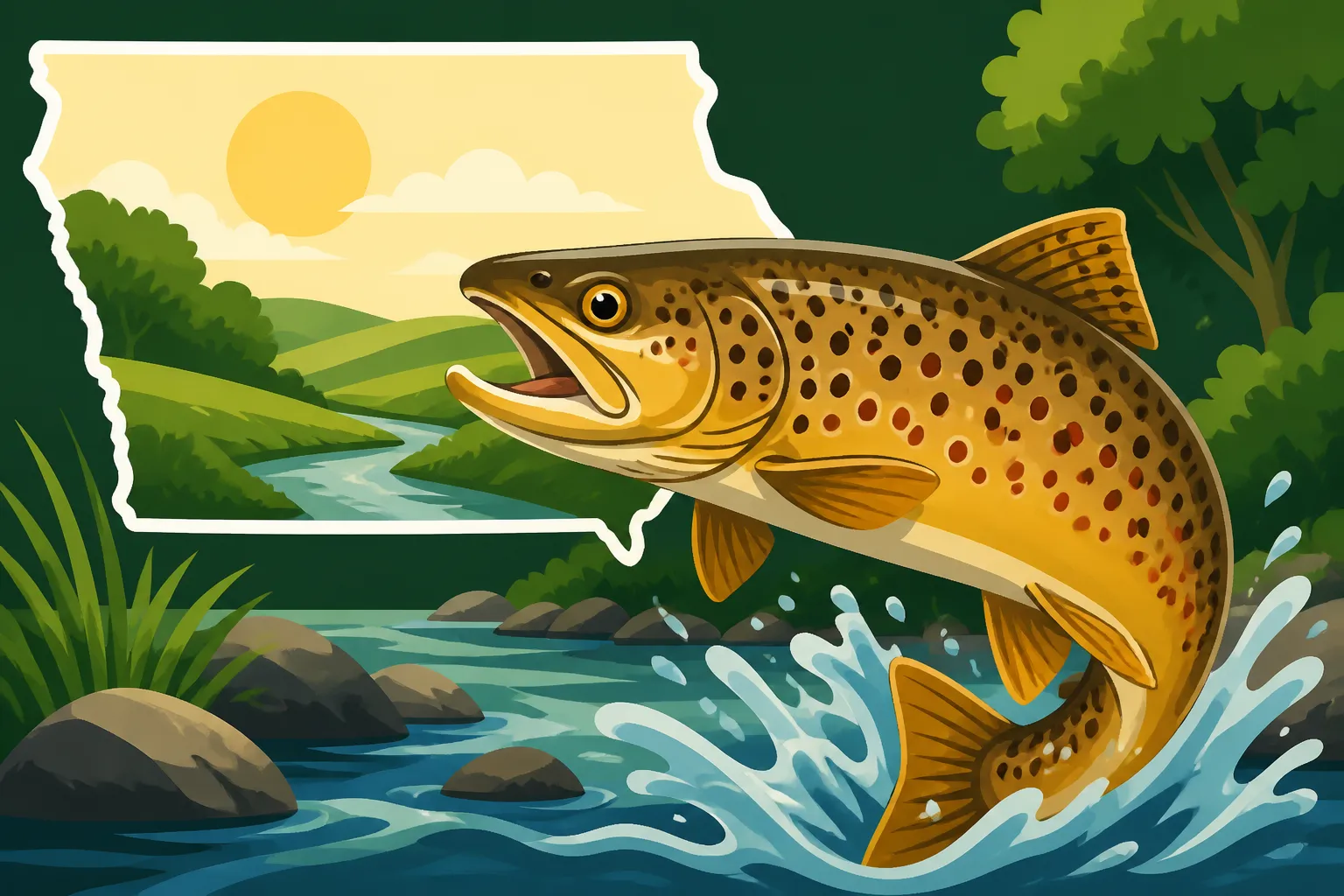
Brown trout (scientific name Salmo trutta) are truly a sight to behold. Their coloration can vary quite a bit depending on the specific stream, water clarity, and even their diet, but there are some consistent features to look for. Generally, they have a brownish to golden-brown back that fades into silvery or yellowish flanks, with a lighter, often cream-colored belly. The most striking feature is their spotting pattern. They typically have prominent dark spots on their back, sides, and dorsal fin. Crucially, many of these dark spots will be surrounded by a lighter, almost halo-like ring, especially on the sides. You'll also often see some reddish or orange spots, sometimes with light halos, scattered along their sides.
Their body shape is generally streamlined, designed for navigating currents, with a relatively large mouth extending back under or even beyond the eye. Compared to a rainbow trout, which often has a pinkish-red stripe along its side and smaller, more numerous black spots, or a brook trout with its wavy "worm-like" patterns on its back and leading white edges on its fins, the brown trout's distinct spots and overall earthy tones make it relatively easy to distinguish once you know what to look for. Observing these subtle differences as you fish becomes an enjoyable part of the angling experience.
Size and Age in Iowa Streams
When it comes to size, Iowa's brown trout can range quite a bit. In smaller, less productive streams, you might primarily encounter fish in the 8 to 12-inch range, which are still fantastic catches on light tackle. These are often younger, wild-spawned fish that are perfectly adapted to their environment. However, don't let that fool you into thinking Iowa doesn't hold bigger browns! In streams with more abundant food sources, deeper pools, and less angling pressure, brown trout can grow much larger, with fish regularly caught in the 16 to 20-inch class, and occasionally, true trophy fish exceeding that.
The growth rate and ultimate size of a brown trout are heavily influenced by factors like water temperature stability, food availability (aquatic insects, minnows, crayfish), and the overall health of their habitat. A 16-inch brown trout in an Iowa stream might be several years old, having learned to survive and grow through multiple seasons. Catching one of these larger, more mature browns is often the pinnacle of a trout angler's quest, representing a fish that has beaten the odds. They are a testament to the quality of our Iowa trout streams and the resilience of these incredible fish.
To help you distinguish between the common trout species you might encounter in Iowa, here's a quick comparison:
| Feature | Brown Trout | Rainbow Trout | Brook Trout |
|---|---|---|---|
| Color | Brownish/golden back, silvery/yellowish sides | Silvery, often with a pink/red lateral stripe | Dark green/brown back, red/orange belly |
| Spotting | Dark spots with light halos; some red/orange spots | Small, numerous black spots (no halos) | Light, wavy "worm tracks" on back; red spots with blue halos |
| Tail Fin | Usually squared, minimal or no spots | Moderately forked, numerous small spots | Squared, no spots |
| Mouth | Large, extends beyond eye (especially older fish) | Smaller, typically does not extend beyond eye | Moderate, does not extend beyond eye |
| Leading Fin Edges | No distinct white leading edges on fins | No distinct white leading edges on fins | White leading edges on pectoral, pelvic, anal fins |
Prime Brown Trout Habitats in Iowa
Understanding where brown trout live is fundamental to finding and catching them. They are creatures of specific environments, and knowing their preferences will guide your efforts on the water.
Cold, Clear, and Oxygen-Rich Waters
We've already touched on the importance of the Driftless Region's spring-fed streams, but let's dive a little deeper into why these conditions are so vital. Brown trout thrive in water temperatures generally between 50 and 65 degrees Fahrenheit. When water temperatures climb above this, they become stressed, their metabolism increases, and they struggle to find enough oxygen. The steady influx of cold groundwater from limestone springs acts like a natural air conditioner, keeping these streams within the brown trout's comfort zone year-round. This is especially critical during Iowa's hot summer months when other streams might become too warm for trout to survive.
Beyond temperature, brown trout also demand clean and clear water. Silt and sediment can clog their gills, suffocate aquatic insect larvae (their primary food source), and make it difficult for them to see prey. Healthy trout streams are vibrant ecosystems with a diverse array of macroinvertebrates, which are the insects and crustaceans that form the base of the trout food chain. The clear water also allows for visual hunting, which brown trout excel at. Look for streams that have a good flow, with sections of riffles (shallow, fast-moving water over rocks that oxygenates the water) and deeper runs or pools. These variations in current and depth provide a range of microhabitats that trout utilize for feeding, resting, and spawning.
The Importance of Stream Structure and Cover
Brown trout are not just looking for cold, clear water; they're also looking for safety, comfort, and ambush points. This is where stream structure and cover become absolutely critical. Imagine you're a wary fish in a stream – you need places to hide from predators (like eagles, herons, and even otters), places to escape strong currents, and spots where you can wait for food to drift by undetected.
Undercut banks are gold mines for brown trout. These are sections of the bank where the current has eroded the soil and rock underneath, creating a hidden pocket or overhang. Trout can sit in these shaded, protected areas, out of the main current, and dart out to intercept insects or small fish. Fallen trees, known as "logjams" or "snags," provide similar benefits. The complex network of branches offers immediate cover and creates eddies where food accumulates. Large boulders and rock piles also break up the current, creating calm "holding water" behind them, or forming deep pockets where trout can take refuge. Any feature that provides shade, a current break, or a hiding spot is likely to hold a brown trout. When you're fishing, focus your efforts on these areas – they are the living rooms, dining rooms, and bedrooms of a brown trout's world. Pay attention to how the current flows around these structures, as trout will position themselves in the most advantageous spots.
Northeast Iowa's Trout Zones
While the term "Driftless Region" covers a broad area, for Iowa anglers, it specifically refers to the collection of counties in the northeastern corner of the state where these spring-fed trout streams are concentrated. Think about areas around Decorah, Manchester, Elkader, and Guttenberg. Counties like Winneshiek, Allamakee, Clayton, Fayette, and Delaware are particularly well-known for their excellent trout fishing opportunities.
The Iowa Department of Natural Resources (DNR) actively manages and stocks many of these streams with brown trout, alongside rainbow and brook trout, to enhance fishing opportunities. However, many streams also boast naturally reproducing populations of brown trout, which is a testament to the health and quality of these unique habitats. When planning a trip, looking for maps or guides specifically highlighting Trout Streams Near Decorah or general information on Trout Fishing Streams in Northeast Iowa will be your best bet. These streams truly are Iowa's hidden gems, offering a completely different angling experience than the warm-water lakes and rivers found elsewhere in the state. Each stream has its own personality, its own challenges, and its own rewards, waiting to be discovered.
Angling Techniques for Iowa Brown Trout
Catching brown trout, especially the wilder specimens in Iowa's streams, often requires a nuanced approach. They can be incredibly smart and spooky, meaning your presentation and technique are paramount.
Fly Fishing for Wary Browns
For many, fly fishing is the quintessential method for targeting brown trout, and for good reason. The delicate presentation of a fly often proves irresistible to these wary fish. You'll want to use a lighter outfit, typically a 3 to 5-weight fly rod, paired with a matching reel and floating fly line. The key to success often lies in stealth and reading the water effectively.
When fly fishing, you'll be presenting artificial flies that imitate the natural insects (or occasionally small fish) that brown trout feed on. This can involve:
- Dry Flies: These imitate adult insects that have landed on the water's surface. Presentation needs to be gentle, allowing the fly to drift naturally with the current, as if it were a real insect. Trout feeding on the surface often create tell-tale rises.
- Nymphs: These imitate immature aquatic insects that live on the stream bottom. Nymphs are fished subsurface, often with a strike indicator to detect subtle bites. This is a highly effective method, as trout spend most of their time feeding below the surface. Nymphing Techniques for Iowa Trout Streams can be incredibly effective, especially in colder water.
- Streamers: These flies imitate baitfish, leeches, or other larger prey. They are typically fished with an aggressive retrieve, mimicking a fleeing meal. Streamers are excellent for targeting larger, more predatory brown trout.
Regardless of the fly type, the approach is key. Wading quietly, keeping a low profile, and making accurate casts that land softly upstream of your target area are crucial. You're trying to fool a fish that is constantly on alert. Remember, it's not just about what fly you use, but how you present it. For more detailed insights, check out Fly Fishing for Trout in Iowa Streams.
Spin Fishing Strategies for Accessibility
While fly fishing gets a lot of romantic attention, spin fishing is an equally effective and often more accessible method for catching brown trout, especially for beginners or those who prefer a different style. The goal remains the same: present a small, natural-looking offering that doesn't spook the fish.
For spin fishing, you'll want light tackle – a sensitive, ultralight spinning rod (around 5-6 feet in length) paired with a small spinning reel spooled with light monofilament or fluorocarbon line (2-4 pound test). The lightness of the line and rod allows for delicate presentations and maximizes the fighting fun of even smaller trout.
Effective lures include:
- Small Spinners: Classic Mepps, Panther Martin, or Rooster Tail spinners in sizes #0 to #2 are deadly. Their flashing blades and vibrating action mimic small baitfish. Cast them upstream or across current and retrieve just fast enough to get the blade spinning.
- Small Spoons: Tiny Kastmaster or Little Cleo spoons, weighing 1/16 to 1/8 ounce, can also be very effective, especially in deeper pools.
- Soft Plastics: Micro jigs tipped with small plastic grubs or trout worms can be incredibly versatile, especially when drifted naturally.
Natural baits, where legal (always check Iowa Fishing Regulations Explained), can also be highly successful. Small worms, corn, or even salmon eggs can entice bites, particularly in areas where trout are more accustomed to such offerings. The key to spin fishing for brown trout is often a slow, controlled retrieve and a light touch. Avoid heavy hardware that can create too much splash or drag. You're trying to mimic something small and edible drifting or swimming naturally.
Reading the Water and Approaching the Stream
No matter your chosen technique, success in brown trout fishing hinges heavily on your ability to "read the water" and approach the stream correctly. Brown trout are incredibly attuned to their surroundings, and a clumsy approach can send them scurrying for cover long before you even cast.
Start by observing the stream from a distance. Look for prime holding spots like undercut banks, fallen trees, large boulders, and areas where faster currents transition into slower, deeper water. These are called "seams" and are often where trout will wait for food to be delivered. Also, observe any rising fish, indicating they're feeding on surface insects.
When approaching, be as stealthy as possible. Think like a hunter.
- Keep a low profile: Crouch or kneel, especially when approaching open banks.
- Minimize noise: Avoid heavy footsteps or clanking gear. Sound travels surprisingly well through water.
- Watch your shadow: Don't cast your shadow over the water you intend to fish. Trout will see it as a predator.
- Fish upstream: Whenever possible, wade and cast upstream. This keeps you behind the fish's natural line of sight (trout typically face upstream, waiting for food) and prevents you from kicking up sediment that could alarm them.
By taking a few extra moments to observe and plan your approach, you dramatically increase your chances of fooling a wary Iowa brown trout. It's a skill that develops with practice, but it's one of the most rewarding aspects of trout fishing.
Conservation and Ethical Angling for Brown Trout
The existence of brown trout in Iowa streams is a precious resource, and as anglers, we have a responsibility to protect them. Ethical angling and conservation practices are not just good ideas; they are essential for ensuring these beautiful fish thrive for generations to come.
Catch and Release Practices
While it's perfectly legal and acceptable to keep a brown trout within the regulated limits (always check the current Iowa Fishing Daily Bag Limits Guide), many anglers who target brown trout, especially larger ones, practice catch and release. This is particularly important for wild-spawned brown trout and larger broodstock fish, as they contribute significantly to the stream's natural reproductive potential. Releasing these fish helps maintain healthy, self-sustaining populations.
If you choose to practice catch and release, here are some critical guidelines:
- Handle fish minimally: Reduce the time the fish is out of water to an absolute minimum. Even a few seconds too long can be detrimental.
- Wet your hands: Always wet your hands before touching a fish. Dry hands can remove the fish's protective slime coat, leaving it vulnerable to disease.
- Support the fish: Support the fish horizontally, especially larger ones, to avoid damaging its internal organs or spine. Never hold a fish vertically by the jaw.
- Use barbless hooks: Or mash down the barbs on your hooks with pliers. This makes unhooking much easier and less traumatic for the fish.
- Unhook gently: Use forceps or needle-nose pliers to quickly and gently remove the hook.
- Revive the fish: If the fish seems sluggish, hold it gently in the water, facing upstream, allowing water to flow over its gills. Don't force it to swim until it revives naturally and swims away on its own power.
Responsible catch and release ensures that these fish can continue to grow, spawn, and provide exciting angling opportunities for others.
Understanding Iowa's Trout Regulations
Iowa has specific regulations for trout fishing, and it's imperative that every angler understands and adheres to them. These rules are in place to manage fish populations, protect fragile ecosystems, and ensure sustainable fishing for everyone. Regulations can include:
- License Requirements: You will need a valid Iowa Fishing License Guide to fish for trout. Additionally, if you plan to fish in designated trout streams, you will likely need to purchase an Iowa Trout Fishing Fee and Stamp Guide.
- Season Dates: While many Iowa waters are open year-round, some trout streams may have specific season dates or special restrictions.
- Daily Bag Limits: There are limits on the number of trout you can keep per day.
- Size Limits: Some streams or specific species might have minimum or maximum length limits to protect spawning fish or encourage the growth of larger individuals.
- Gear Restrictions: Certain methods or bait types might be prohibited on specific trout streams.
These regulations can change, so it's vital to check the latest Iowa DNR Fishing Regulations booklet or their website before each season or trip. Ignorance of the law is not an excuse, and violations can result in fines and loss of fishing privileges. Taking a few minutes to review the rules protects both you and the resource.
Protecting Their Fragile Ecosystems
Beyond handling the fish themselves, responsible angling extends to protecting the entire stream ecosystem. Iowa's trout streams are delicate environments that can be easily impacted by human activity.
- Leave No Trace: Pack out everything you pack in. This includes old fishing line, bait containers, and any other trash. Litter detracts from the beauty of the stream and can be harmful to wildlife.
- Respect Private Property: Many trout streams flow through private land. Always respect landowners' rights and access rules. Seek permission if you're unsure, and stick to public access points where designated.
- Wade Responsibly: Avoid unnecessary trampling of stream banks or disturbance of the streambed. Excessive wading can damage aquatic insect habitat and cause erosion. Use existing paths whenever possible.
- Prevent Invasive Species: Clean your waders, boots, and gear thoroughly between different streams or bodies of water. This prevents the spread of invasive species like rusty crayfish or zebra mussels, which can devastate local ecosystems.
- Report Violations: If you witness someone violating fishing regulations or harming the environment, report it to the Iowa DNR. They rely on the public's help to protect our natural resources.
By practicing these ethical and conservation-minded approaches, we can all contribute to ensuring that Iowa's brown trout streams remain vibrant, healthy, and full of beautiful fish for generations of anglers to enjoy.
Essential Gear for Iowa Brown Trout Fishing
Outfitting yourself correctly for brown trout fishing in Iowa can significantly enhance your comfort, safety, and success on the stream. It doesn't require a fortune, but a few key pieces of gear will make all the difference.
Rods, Reels, and Line Choices
Whether you prefer fly fishing or spin fishing, choosing the right tackle is crucial for a delicate presentation and a rewarding fight.
- Fly Fishing Setup:
- Rod: A 3-weight to 5-weight fly rod, typically 7'6" to 9' long, is ideal. The lighter weight allows for delicate presentations of small flies, and the length provides good line control on varied stream sizes.
- Reel: A matching fly reel that balances your rod and holds your fly line and backing is all you need. It's primarily a line storage device for trout; drag isn't as critical as it is for larger, harder-fighting fish.
- Line: A weight-forward floating fly line matching your rod weight (e.g., WF4F for a 4-weight rod) is standard. You'll also need a tapered leader and tippet, which connect your fly line to your fly and are designed for stealthy presentation. Look for leaders in 4x to 6x (thinner) and tippet in 5x to 7x for smaller flies and wary fish. Check out Best Fly Rod Setup for Trout for more details.
- Spin Fishing Setup:
- Rod: An ultralight or light action spinning rod, 5 to 6.5 feet in length, is perfect. The sensitive tip allows you to feel subtle bites, and the light action provides excellent feel and play with smaller fish.
- Reel: A small spinning reel (size 1000 to 2000) that balances well with your ultralight rod. Smooth drag is more important here as the reel is integral to fighting the fish.
- Line: Spool your reel with 2 to 4-pound test monofilament or fluorocarbon line. Light line is crucial for casting small lures and baits and remaining undetected by the trout. Fluorocarbon offers excellent abrasion resistance and is nearly invisible underwater.
Regardless of your setup, it's worth investing in quality, reputable brands. You can find excellent options on platforms like Amazon that offer a good balance of performance and value.
Waders, Boots, and Streamside Comfort
Wading in Iowa's cold trout streams isn't just about getting to the fish; it's about being comfortable and safe. Proper footwear and attire are essential.
- Waders: Breathable chest waders are often preferred. They allow moisture to escape, keeping you comfortable even on warmer days, and provide insulation for cold water. Neoprene waders are an option for colder conditions but can be hot in warmer weather. Ensure they fit well to prevent chafing and allow for layering underneath. For more on this, see Best Waders for Iowa Trout Stream Fishing.
- Wading Boots: Pair your waders with sturdy wading boots. Look for boots with good ankle support and sticky rubber soles, or even felt soles (check local regulations as felt can be restricted in some areas due to invasive species concerns). These provide crucial grip on slippery, rock-strewn stream bottoms.
- Layered Clothing: Dress in layers! Even on a mild day, cold water can quickly chill you. Start with a moisture-wicking base layer, add insulating layers (fleece or wool), and finish with a waterproof and windproof outer shell.
- Wading Staff: A collapsible wading staff is highly recommended, especially for beginners or when fishing unfamiliar streams. It provides an extra point of contact and stability, helping you navigate slippery rocks and uneven bottoms, preventing falls and ensuring your safety. Some fantastic options are available on Amazon.
Tackle and Accessories
Beyond your rod and reel, a few key accessories will complete your brown trout fishing kit.
- Tackle Bag or Vest: A small backpack, sling pack, or fishing vest is essential for carrying your gear. You'll want something that keeps your essentials organized and easily accessible while you're in the water.
- Fly Box/Lure Box: A small, waterproof box to hold your selection of flies or small lures. Don't overpack; a dozen well-chosen flies or a handful of spinners are usually plenty.
- Forceps/Pliers: Essential for safely and quickly removing hooks, especially when practicing catch and release.
- Landing Net: A net with a rubberized, knotless mesh is ideal. This type of mesh is much gentler on fish, reducing stress and damage to their slime coat when you land them.
- Clippers/Scissors: For trimming excess line or tippet.
- Polarized Sunglasses: These are a game-changer! They cut glare from the water, allowing you to see deeper into the stream, spot fish, and identify structure.
- Hat: For sun protection and to help spot fish by reducing glare.
- Sunscreen and Insect Repellent: Protect yourself from the elements.
- Water and Snacks: Stay hydrated and energized, especially during longer outings.
You can assemble a fantastic and effective brown trout fishing kit by sourcing many of these items from retailers like Amazon, ensuring you have everything you need for a successful and enjoyable day on Iowa's beautiful trout streams. Remember, well-chosen gear can make your time on the water more comfortable and productive, allowing you to focus on the joy of the catch.
Disclaimer
This article is for general informational purposes only and does not constitute professional advice. Laws, prices and regulations vary by location and change over time. Consult a qualified professional for guidance on your specific situation.