Difference Between a Bullhead and a Catfish
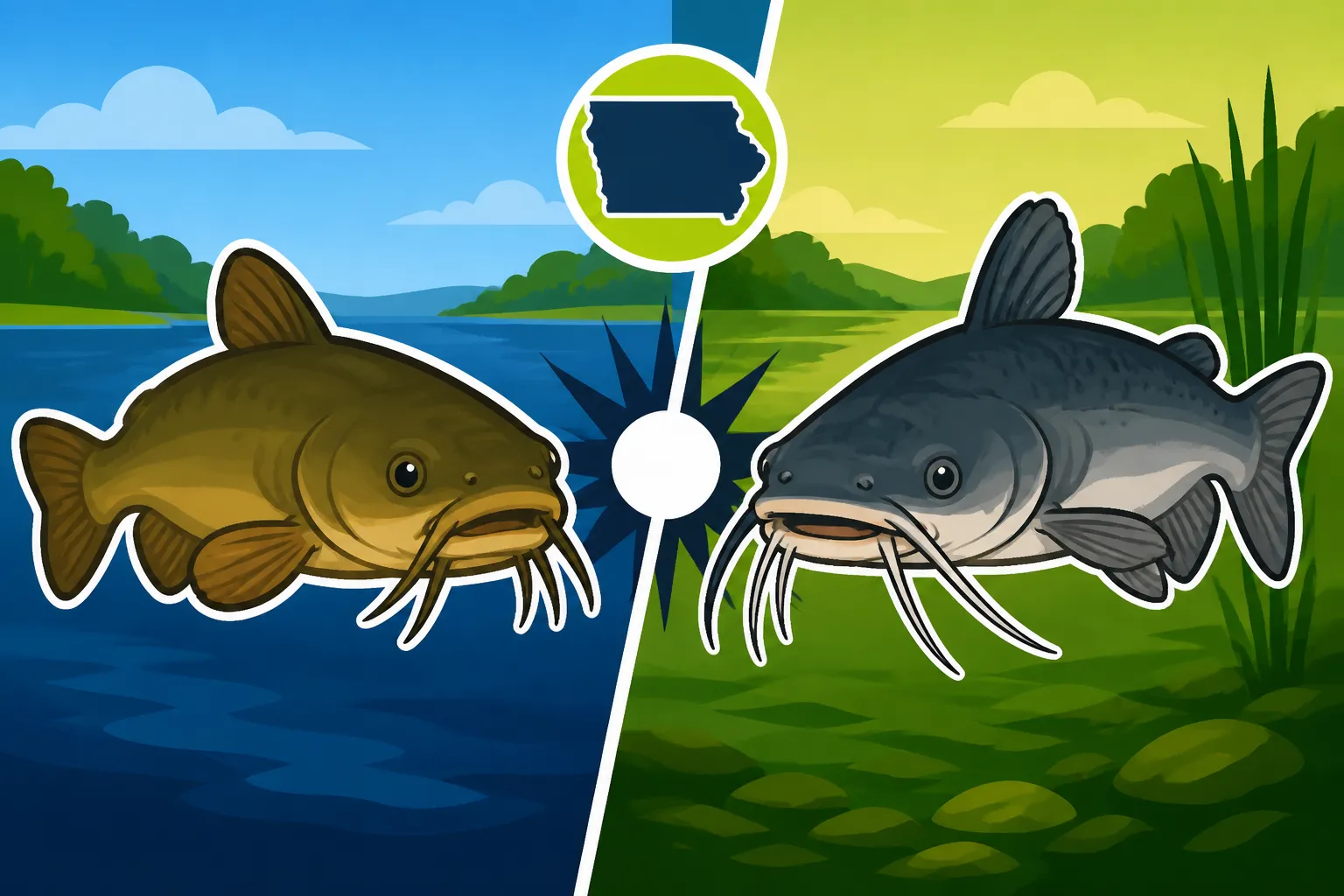
Many Iowa anglers, especially those new to our beautiful waters, sometimes think all whiskered fish are simply "catfish." While it's true that bullheads are indeed a type of catfish, there are some pretty significant differences between bullheads and their larger cousins, like channel cats and flatheads, that can completely change how you approach fishing for them. Understanding these distinctions isn't just about trivia; it's about being a more successful and knowledgeable angler, and this guide is here to help you sort out one from the other.
Getting to Know Iowa's Bullheads
Let's start with the bullhead, often the first whiskered fish many of us catch in Iowa. They're incredibly common and resilient, making them a favorite target for kids and experienced anglers alike. But what exactly is a bullhead, beyond just being a smaller catfish?
Identifying the Common Bullhead Species in Iowa
In Iowa, you're primarily going to encounter three species of bullhead: the brown bullhead, the black bullhead, and occasionally the yellow bullhead. The black bullhead is by far the most widespread and numerous across the state, thriving in just about any water body, from small farm ponds to large rivers. Brown bullheads are also common, particularly in clearer waters with more vegetation, while yellow bullheads prefer similar habitats but are generally less frequently encountered. Knowing which one you've got on the line often comes down to fin color and barbels (those whiskers!). For example, black bullheads typically have dark barbels, while yellow bullheads have — you guessed it — yellowish or white barbels on their chin. If you're looking for a good field guide to help you identify fish on the water, you can often find excellent resources on Amazon.
Key Physical Traits of Bullheads
Bullheads are generally characterized by their relatively small size compared to other catfish species, though a big bullhead can still be a respectable catch! Their bodies are stout, almost chunky, and they have a smooth, scaleless skin. One of the most defining features of a bullhead, aside from their prominent barbels around the mouth (which they use to taste and feel in murky water), is their tail fin. Unlike the deeply forked tail of a channel catfish, bullheads have a square or slightly rounded tail fin. Their head is also quite broad and somewhat flattened, giving them that classic "bullhead" look. They usually have small, sharp spines on the leading edge of their dorsal (top) and pectoral (side) fins, which can give you a nasty poke if you're not careful when handling them!
Where Bullheads Prefer to Live
Bullheads are the ultimate survivors, tolerating a wide range of water conditions that many other fish can't handle. They thrive in murky, warm, and often oxygen-depleted waters. This means you'll find them in abundance in shallow ponds, slow-moving streams, ditches, and the backwaters of larger rivers and lakes. They love soft, muddy bottoms where they can root around for food. If you're fishing a small, somewhat neglected farm pond, chances are good you're going to pull out a bullhead or several! This adaptability is why they're so prevalent across Iowa and such a common catch for anglers of all skill levels. They're not particularly picky about habitat, which is part of their charm and why they're so accessible. When considering Best Boat for Iowa Farm Ponds, a small john boat or even bank fishing is usually more than enough for these feisty fish.
Understanding Iowa's Larger Catfish
When most Iowans talk about "catfish" for sport or a fish fry, they're usually referring to either the channel catfish or the flathead catfish. These are the heavyweights, offering different challenges and rewards than their bullhead cousins.
The Iconic Channel Catfish
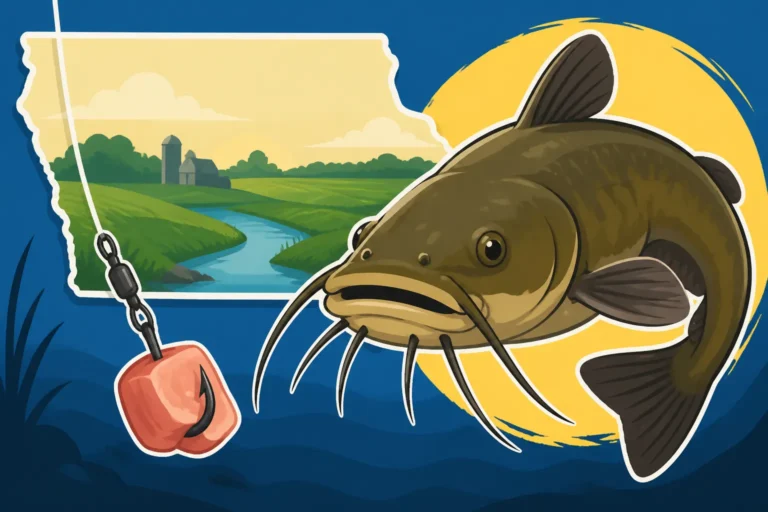
The channel catfish is Iowa's state fish, and for good reason! They are incredibly popular and widely distributed throughout our rivers, lakes, and reservoirs. Known for their distinctive, deeply forked tail, channels are sleek, powerful swimmers that can grow to impressive sizes. Their skin color can vary, from an olive-brown to a bluish-gray on their back, fading to white on their belly. Younger channel cats often have dark spots on their sides, which tend to fade as they get older. They also possess barbels, similar to bullheads, but their overall body shape is much more streamlined and torpedo-like, built for speed and fighting current. Anglers specifically targeting these fish will find a lot of useful information in our guide on Channel Catfish Fishing in Iowa.
The Mighty Flathead Catfish
If the channel catfish is the iconic sport fish, the flathead catfish is the undisputed heavyweight champion of Iowa's whisker-fish. These are truly massive fish that can grow well over 50 pounds, making them a bucket-list catch for many dedicated anglers. Flatheads are easily distinguishable by their, you guessed it, flat and broad head, and a very prominent, often protruding lower jaw. Their tail is square or only very slightly notched, much like a bullhead's, but their sheer size and head shape set them apart immediately. Their coloration is usually mottled brown or yellow-brown, allowing them to blend in perfectly with rocky or woody river bottoms. Flatheads are ambush predators, preferring live bait and often lurking in deep holes or around submerged timber and logjams. Understanding their behavior is key, and our article on Flathead Catfish Habitat and Behavior dives deeper into where to find these giants.
Distinguishing Features of Channel and Flathead Catfish
Beyond their general shape, there are critical differences between channels and flatheads. The tail is a dead giveaway: channels have that deep, V-shaped fork, while flatheads have a square or very slightly emarginate (notched) tail. Another key identifier is their jawline. Channel cats have an upper jaw that extends slightly beyond the lower jaw, giving them an "overbite." Flatheads, on the other hand, have a distinctive "underbite," with their lower jaw extending past the upper. Their eyes are also different; flatheads have smaller eyes relative to their head size, set further back, which makes sense for a nocturnal, ambush predator. We have a dedicated resource on Channel Catfish vs Flathead Catfish Differences if you want an even deeper dive into distinguishing these two magnificent species.
Side-by-Side Comparison: Bullheads vs. Catfish
Now that we've introduced them individually, let's put them head-to-head to really highlight the differences. This is where you'll get the quick visual and behavioral cues that will help you identify your catch on the water.
Size and Shape: The Most Obvious Differences
This is often the first thing an angler notices. Bullheads are generally small, rarely exceeding a few pounds, with a maximum length of perhaps 12-15 inches in Iowa. They have a short, stout, and stocky body. Channel catfish, while starting small, can easily reach 10-20 pounds and 2-3 feet in length in Iowa's productive waters, with a much more elongated, sleek body. Flathead catfish are the true monsters, routinely reaching 20-50 pounds and lengths of 3-4 feet or more, with an incredibly broad, flattened head and a powerful, thick body.
Tail Shape and Jawline: Subtle but Important Clues
These are the absolute best identifying features once you get past the obvious size difference.
- Bullhead Tail: Square or slightly rounded. No distinct fork.
- Channel Catfish Tail: Deeply forked, like a swallow's tail. This is their hallmark.
- Flathead Catfish Tail: Square or very slightly notched, similar to a bullhead but on a much larger, broader fish.
For the jawline:
- Bullhead Jaw: Upper and lower jaws are usually even, or the upper jaw may protrude slightly.
- Channel Catfish Jaw: Upper jaw protrudes slightly beyond the lower jaw (an overbite).
- Flathead Catfish Jaw: Lower jaw protrudes beyond the upper jaw (an underbite).
It's amazing how these seemingly minor details make all the difference!
Habitat and Behavior: How They Differ in the Water
Their physical differences dictate where and how they live:
- Bullheads: They are the ultimate bottom dwellers, content in muddy, slow-moving, or stagnant waters. They're opportunistic feeders, rooting around for anything edible—insects, worms, small fish, plant matter. They are very tolerant of poor water quality and often schooling.
- Channel Catfish: While also bottom feeders, channels prefer cleaner, more oxygenated waters than bullheads. You'll find them in rivers, large lakes, and reservoirs, often in moderate currents or along channels and drop-offs. They're more active predators than bullheads, feeding on smaller fish, crayfish, mussels, and insects, but are also notorious scavengers for prepared baits.
- Flathead Catfish: These are solitary, powerful predators that gravitate towards deep holes, logjams, undercut banks, and rocky structures in large rivers and deep reservoirs. They prefer current and clear water within their preferred haunts. Unlike channels and bullheads, flatheads have a strong preference for live bait, and while they will scavenge, live fish is their meal of choice.
Here's a handy table to summarize the key differences:
| Feature | Bullhead | Channel Catfish | Flathead Catfish |
|---|---|---|---|
| Average Size | Small (under 2 lbs, 12-15 inches) | Medium (5-20 lbs, 2-3 feet) | Large (20-50+ lbs, 3-4+ feet) |
| Tail Fin | Square or slightly rounded | Deeply forked (V-shaped) | Square or very slightly notched |
| Head Shape | Broad, somewhat flattened | Streamlined, moderately rounded | Very broad, extremely flat, often "duck-billed" |
| Jaw Protrusion | Even or slight overbite | Upper jaw protrudes (overbite) | Lower jaw protrudes (underbite) |
| Body Shape | Stout, chunky, stocky | Sleek, torpedo-shaped | Robust, powerful, thick |
| Coloration | Dark brown, black, olive, yellowish | Olive-brown to bluish-gray, often spotted | Mottled brown/yellowish |
| Preferred Habitat | Muddy, shallow, slow-moving, stagnant waters | Rivers, large lakes, reservoirs, channels | Deep holes, logjams, heavy cover in rivers/lakes |
| Diet Preference | Omnivorous scavenger | Omnivorous scavenger, some predation | Primarily live fish (ambush predator) |
Why the Distinction Matters for Anglers
Knowing the difference between these whiskered wonders isn't just for showing off your fish ID skills; it profoundly impacts your fishing success.
Gear and Techniques for Each Species
If you're targeting bullheads, you can get away with lighter gear—a simple spinning rod, basic monofilament line, a bobber, and some worms or corn will often do the trick. They're not known for their powerful fights, making them perfect for beginners.
For channel catfish, you'll want to step up your game. A medium to medium-heavy rod, stronger line (braided or heavy mono), and a variety of baits are in order. Channels fight hard, especially in current. You might use stink baits, cut bait, chicken livers, or even larger worms. Our guide on Best Bait for Channel Catfish has some fantastic ideas. Techniques like drift fishing, bottom rigging, or even Night Fishing Techniques for Catfish can be very effective.
Flathead catfish require serious dedication and heavy-duty gear. Think robust rods, heavy braided line, big hooks, and, most importantly, live bait like sunfish or suckers. You'll typically be fishing them at night, in heavy cover, and patience is key. The fight from a large flathead is legendary, so your Catfish Gear Guide for Iowa Rivers should be fully prepared. For specialized tackle, like specific smaller hooks for bullheads or heavy-duty gear for flatheads, Amazon can be a convenient place to explore options.
Culinary Considerations and Taste
This is where personal preference really comes into play, but there are some general trends.
- Bullheads: Many anglers find bullheads to be quite tasty, especially the smaller ones caught from clean water. Their meat is white, mild, and flaky. However, they can be a bit challenging to clean due to their tough skin and spines.
- Channel Catfish: Widely regarded as excellent table fare. Their meat is firm, white, and has a mild, sweet flavor, especially from cleaner waters. They are also relatively easier to clean than bullheads. Is Catfish Good to Eat? is a popular question, and for channels, the answer is often a resounding yes!
- Flathead Catfish: Often considered by many to be the finest eating of all catfish species. Their meat is very firm, white, and has a rich, delicate flavor that's less "fishy" than some other species. Cleaning a large flathead is a big job, but the reward is worth it.
Regardless of which whisker-fish you're after, knowing your target will make your time on the water more productive and enjoyable. Happy fishing, Iowa!
Disclaimer
This article is for general informational purposes only and does not constitute professional advice. Laws, prices and regulations vary by location and change over time. Consult a qualified professional for guidance on your specific situation.