Channel Catfish Habitat in Iowa
It can be incredibly frustrating to head out to your favorite Iowa fishing spot, armed with what you think is the perfect bait, only to come up empty-handed. Often, the missing piece of the puzzle isn't your technique or your lure, but a fundamental understanding of where the fish actually live – their habitat. For channel catfish, one of Iowa's most popular and widespread species, knowing their preferred haunts is the difference between a quiet afternoon and a bent rod. This guide is all about peeling back the layers to reveal the secret lives of channel cats and help you pinpoint exactly where they like to hang out in Iowa's diverse waters.
Understanding the Channel Catfish Preference for Structure and Cover
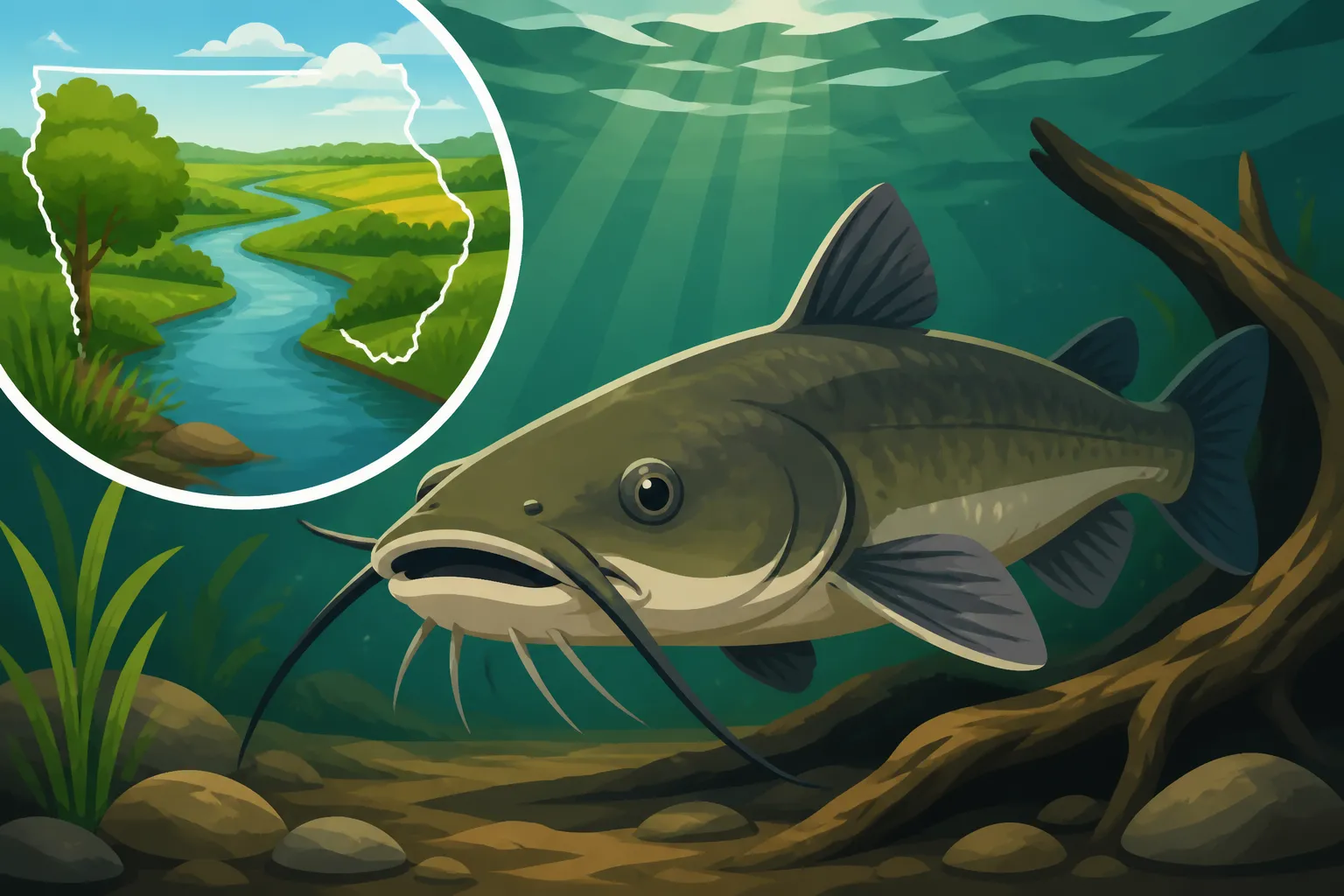
Channel catfish are not just randomly swimming around our Iowa lakes and rivers. They are creatures of habit, driven by instinct to seek out places that offer safety, food, and comfort from strong currents or harsh sunlight. Think about what makes a good home for you – protection, easy access to food, and a comfortable environment. Catfish look for very similar things, just in their aquatic world.
River Systems and Current Breaks: Nature's Superhighways
When we talk about river systems, we're discussing the arteries of Iowa that provide incredible habitat for channel catfish. These fish thrive in moving water, but they aren't necessarily battling the strongest currents all the time. Instead, they are masters of finding current breaks – those subtle or obvious spots where the water flow slows down, creating a comfortable resting or ambush point.
Imagine a swift-moving river. A catfish isn't going to expend all its energy fighting the main current for hours on end. Instead, it will tuck itself behind a large rock, a log, or even in the eddy formed by a point of land. These current breaks act like little havens where they can sit comfortably, waiting for food to drift by with minimal effort. Look for areas downstream of wing dams on the Mississippi River, behind bridge pilings, or in the calmer water on the inside bend of a river. These are all prime examples of natural or man-made structures that create those crucial current breaks. Knowing this helps you predict where they'll be, especially when the river is up and the current is strong.
Lake and Reservoir Deep Water Retreats: When Rivers Aren't an Option
While rivers are often synonymous with channel catfish, our many lakes and reservoirs in Iowa are also fantastic spots to find them. Here, the habitat preferences shift slightly, as strong currents aren't typically a factor. Instead, channel cats in lakes look for depth, cover, and access to food sources, often in areas that might seem a little spooky or unappealing to us.
Think about submerged timber – old trees that fell into the water years ago and now lie on the bottom. These snags provide excellent cover, shielding catfish from predators and offering shade from the sun. Rock piles, ledges, and deep holes also become key areas. These spots offer cooler water during hot summer months and provide ambush points for unsuspecting baitfish or invertebrates. It's less about current breaks here and more about vertical and horizontal structure that breaks up the flat lake bottom, creating nooks and crannies where a catfish can feel secure. Getting familiar with a topographic map of your favorite lake, perhaps even one you can find on Amazon, can reveal these underwater secrets.
Prime Riverine Habitats for Channel Catfish
Iowa is blessed with an extensive network of rivers and streams, from the colossal Mississippi to countless smaller tributaries. Each offers unique opportunities for channel catfish, provided you know where to look.
The Mighty Mississippi River and Its Tributaries: A Catfish Paradise
The Mississippi River is a truly iconic waterway, and for channel catfish, it's a superhighway of prime habitat. The sheer size and complexity of the river system mean there's an incredible variety of places for catfish to call home. On the Mississippi, catfish are often found in deep holes, particularly those scoured out on the outside bends of the river. The main channel itself holds a lot of fish, but they'll often relate to structure within it.
Wing dams, for example, are artificial rock structures built out from the bank to direct current. The calmer water downstream of these dams is absolutely legendary for holding catfish. The eddies and slack water created by the wing dams concentrate baitfish and provide perfect ambush points. Side channels and backwaters also offer excellent opportunities, especially during periods of high water when catfish might move into these calmer areas to feed. Remember, the Mississippi is a dynamic system, and catfish will shift their locations based on water levels and current, so understanding the river's unique features, which are detailed further in Mississippi River Pool 9 Fishing, Mississippi River Pool 10 Fishing, and Mississippi River Pool 12 Fishing, is key.
Smaller Rivers and Creek Confluences: Hidden Gems
Don't underestimate the smaller rivers and creeks that crisscross Iowa. While they might not have the grandeur of the Mississippi, these waterways are often overlooked gems for channel catfish, especially for those who prefer a more intimate fishing experience. In these smaller systems, the habitat is often easier to read. Look for the deepest holes you can find, often associated with bends in the river or washout areas beneath logjams.
Creek mouths and confluences (where a smaller creek meets a larger river) are particularly hot spots. These areas often bring in fresh nutrients and food sources, attracting baitfish and, consequently, hungry catfish. The mixing currents can also create subtle current breaks that catfish will exploit. Overhanging trees, undercut banks, and large boulders that create shade and cover are also magnets for channel cats in these more modest waterways. Exploring these smaller rivers can sometimes lead to incredible catches, as these fish often see less pressure than those in the larger systems.
Lake and Reservoir Catfish Sanctuaries
While river fishing for catfish gets a lot of attention, Iowa's lakes and reservoirs are equally fantastic, offering different habitat types and fishing strategies. Understanding these environments is crucial for consistent success.
Identifying Key Features in Larger Lakes: Beyond the Surface
In large Iowa lakes and reservoirs like Rathbun Lake or Saylorville Reservoir, channel catfish will gravitate towards specific underwater features that provide food and protection. Points that extend out into the main lake often have submerged humps, drops, or rock piles near them. These act as highway ramps for fish moving from deeper to shallower water to feed, or vice versa, making them excellent places to set up.
Humps, which are raised areas on the lake bottom, are like underwater islands that attract baitfish and therefore catfish. Look for sharp drop-offs or ledges where the bottom depth changes quickly. These vertical structures provide a quick escape to deeper water and can hold a lot of fish. Think about areas where an old creek channel might run through the lakebed – these subtle depressions often become pathways for migrating fish. Knowing the contours of the lake bottom, often best found on a detailed lake map, will point you toward these high-percentage spots.
Man-Made Structures and Their Appeal: Human-Built Catfish Condos
Humans, often unintentionally, create fantastic catfish habitat in lakes and reservoirs. Docks, especially those with deep water nearby, offer shade and structure that catfish love. The pilings themselves can attract algae and invertebrates, which in turn attract baitfish, creating a ready food source.
Rip-rap, which is the rock armoring found along shorelines, dam faces, or bridge approaches, is another prime example. The gaps and crevices between these rocks provide excellent hiding spots for catfish and their prey. Underwater culverts, old roadbeds, and even bridge pilings offer vertical structure and current breaks (even subtle ones from wind-driven currents) that appeal to channel cats. These are often easy-to-find spots that can hold a surprising number of fish, especially if they’re near a deeper channel or an area with good current. Finding these "man-made catfish condos" can significantly increase your chances of success. A sturdy fishing rod and reel combo, often available on Amazon, is crucial when fishing around snags and heavy structure like this.
| Habitat Type | Key Features for Channel Catfish | Ideal Fishing Conditions |
|---|---|---|
| Rivers | Current breaks (wing dams, logjams, bridge pilings, eddies) | Moderate to high current, after rain, dawn/dusk |
| Deep holes, outside bends, creek confluences, undercut banks | Stable water levels, warmer months | |
| Lakes/Reservoirs | Submerged timber, rock piles, humps, ledges, creek channels | Hot summer days (deeper), calm evenings, overcast days |
| Man-made structures (docks, rip-rap, culverts, bridge pilings) | Stable weather, periods of low light | |
| Seasonal | Shallow flats (spring spawn), deepest basins (winter) | Varies by season, often dictated by water temperature |
Seasonal Movements and Habitat Shifts
Channel catfish aren't static residents; their habitat preferences change with the seasons, driven largely by water temperature and their biological needs like spawning and feeding. Ignoring these seasonal shifts is a common mistake that can lead to disappointing trips.
Spring Spawning and Shallow Water Forays: Reproduction Rushes
As spring gives way to summer and water temperatures begin to climb, channel catfish instincts turn to reproduction. This means they'll leave their deeper wintering grounds and move into shallower, warmer waters to spawn. Typically, they look for dark, secluded areas to lay their eggs, often in hollow logs, undercut banks, rock crevices, or even muskrat holes. These are places where the eggs will be protected from predators and current.
During this pre-spawn and spawning period, which often coincides with late spring and early summer in Iowa, catfish can be found relatively shallow, sometimes only a few feet deep, especially in protected coves or backwaters. This makes them more accessible to shore anglers. After spawning, the males will guard the nest, and both sexes will be looking to aggressively feed to regain energy. Understanding these movements is critical, as detailed in Catfish Bait Guide for Iowa Anglers, because a bait presented in the wrong depth or area will likely go unnoticed.
Summer Feeding Grounds and Deeper Comfort Zones: Beating the Heat
When the Iowa summer really heats up, water temperatures rise, and the catfish's habitat choices adjust accordingly. While they are warm-water fish, extreme heat can drive them to seek out cooler, more oxygenated water. This often means a shift to deeper parts of lakes and rivers, especially during the brightest parts of the day.
In rivers, they might move into the main channel, seeking the slightly cooler, more oxygenated flow, still relating to those current breaks behind structure. In lakes, they'll often be found near the thermocline (the layer where water temperature changes rapidly), or in the deepest available holes, especially those with some kind of cover. Early mornings, late evenings, and nighttime become prime feeding windows when catfish might venture into shallower waters to forage more actively. Knowing this can help you pick the right time of day to target them effectively, especially when they're hiding out, as discussed in How to Find Deep Holes for Catfish.
Fall and Winter Migration to Overwintering Spots: Preparing for the Chill
As autumn arrives and water temperatures begin to drop, channel catfish will once again shift their habitat. Their focus turns to feeding heavily to build up fat reserves for the lean winter months, and then migrating to deeper, more stable environments where they can overwinter.
In rivers, they'll often move to the deepest pools, especially those with reduced current, where they can conserve energy. Sometimes these are scour holes below dams or particularly deep stretches of a river. In lakes, they'll congregate in the deepest basins, often schooling up in large numbers. While their metabolism slows down significantly, they can still be caught by anglers who understand these winter patterns. They'll be much less active, but a well-placed bait can still entice a bite. Understanding this cycle of movement is fundamental to consistent success throughout the year.
Water Quality and Food Availability in Catfish Habitat
It's not just about structure and depth; the quality of the water and the abundance of food are enormous drivers in where channel catfish choose to live. They are resilient fish, but even they have limits and preferences.
The Role of Turbidity and Oxygen Levels: Clear vs. Murky
Channel catfish are renowned for their ability to thrive in waters that many other game fish avoid – specifically, waters with a good deal of turbidity or murkiness. This isn't just a tolerance; it's often a preference. Turbid water provides them with a sense of security, masking their presence from predators and making it easier for them to ambush prey using their keen sense of smell and touch (their barbels).
However, excessive turbidity from heavy rains and runoff can sometimes reduce oxygen levels, which can temporarily push fish out of an area. Similarly, while they like some murkiness, they still need adequate dissolved oxygen to survive. Stagnant, heavily polluted waters with very low oxygen levels will not hold healthy populations of channel catfish. They prefer a balance: enough murkiness for comfort and hunting, but still enough oxygen to breathe easily. Understanding this balance helps you avoid spots that might look "catfishy" but are actually oxygen-depleted.
Abundant Forage: What Keeps Them Coming Back
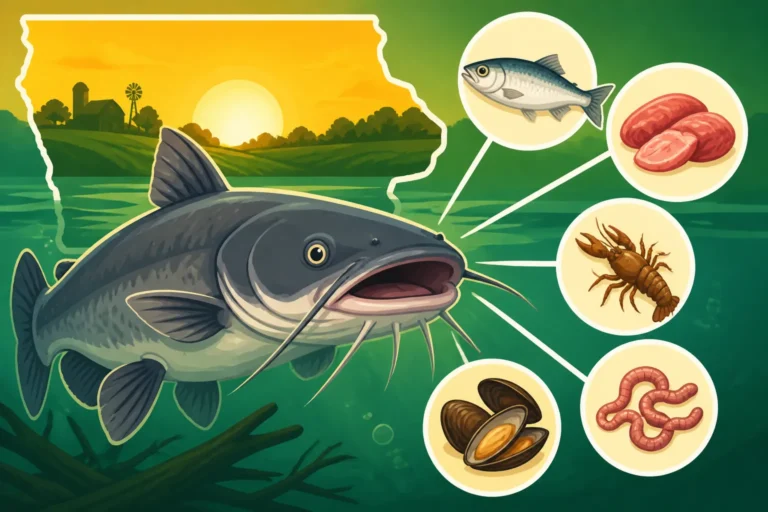
Ultimately, a fish will stay where the food is. Channel catfish are opportunistic omnivores, meaning they'll eat just about anything they can get their mouths on. Their diet is incredibly varied and includes insects, crustaceans, small fish, decaying organic matter, and even fruits or berries that fall into the water. If a habitat doesn't consistently provide a good food supply, catfish won't stay there.
Prime catfish habitats are often teeming with the small organisms and baitfish that make up their diet. This is why areas like creek mouths, which flush nutrients and small creatures into a larger body of water, are so productive. It's also why you'll often find them near submerged timber, which harbors insects and provides cover for baitfish. When thinking about where to find channel catfish, consider not just where they can hide, but where their next meal is likely to be found. A good supply of baitfish, or even just a healthy population of aquatic invertebrates, signals a promising spot.
Protecting Iowa's Channel Catfish Habitat
As anglers, we all have a role to play in ensuring the health and sustainability of Iowa's channel catfish populations and their habitats. These fish are a fantastic resource, providing countless hours of enjoyment and delicious meals, and we want to keep it that way for generations to come.
Best Practices for Anglers: Doing Our Part on the Water
Conservation starts with individual responsibility. When you're out Channel Catfish Fishing in Iowa, practice responsible angling. This includes understanding and adhering to Catfish Possession Limits and Channel Catfish Daily Limit in Iowa. If you're planning to keep fish for a meal, only take what you need and what is legally allowed. For those larger, trophy-sized catfish, consider catch and release. These bigger fish are often crucial spawners, and returning them to the water helps ensure a healthy future population. You might find quality catch-and-release tools, like large nets or de-hookers, by searching for "fishing conservation gear" on Amazon.
Beyond limits, minimizing your impact on the habitat itself is important. Avoid leaving trash, tangled lines, or discarded bait containers along the shore or in the water. Be mindful of fragile vegetation along riverbanks. If you're fishing from a boat, operate it responsibly, avoiding excessive wake in shallow areas that could disturb spawning beds or erode banks. Every small act of stewardship adds up to a healthier environment for all fish, including our beloved channel cats.
Broader Conservation Efforts: The Bigger Picture
Beyond individual actions, supporting broader conservation efforts is vital. This includes advocating for clean water initiatives, which directly impact the quality of channel catfish habitat. Runoff from agricultural areas and urban development can introduce pollutants and excessive nutrients into our waterways, degrading water quality and impacting the entire ecosystem.
Supporting organizations that work to protect and restore aquatic habitats, improve water quality, and manage fish populations is another powerful way to contribute. These efforts might involve stream bank stabilization projects, wetland restoration, or initiatives to reduce pollution. Healthy habitats are the foundation of healthy fish populations. By being aware, responsible, and supportive of conservation, we ensure that the challenge and joy of finding channel catfish in Iowa's diverse waters will continue for years to come.
Disclaimer
This article is for general informational purposes only and does not constitute professional advice. Laws, prices and regulations vary by location and change over time. Consult a qualified professional for guidance on your specific situation.