Best Way to Fish a Slip Bobber
Have you ever been out on the water, trying to hit that sweet spot where the fish are hiding, only to find your traditional bobber isn't letting your bait get deep enough? Or maybe you're trying to cast to a distant weed line, and your fixed bobber just creates a tangled mess, sending your carefully presented lure splashing clumsily? It's a frustrating scenario many anglers face, but there's a simple, elegant solution that can transform your fishing experience: the slip bobber. This guide will walk you through everything you need to know about using a slip bobber to achieve perfect depth control and make casting a breeze, helping you land more fish across Iowa's diverse waters.
Understanding the Magic of a Slip Bobber
For so many years, I stuck to those classic red and white clip-on bobbers, and while they have their place, they often left me scratching my head when the fish were holding deeper than my arm could reach or when I needed to make a long cast. That's where the slip bobber truly shines. It's a game-changer for versatility and precision, allowing your bait to freefall to any depth you desire, then signalling those subtle bites.
Fixed vs. Slip: Why it Matters
Let's be honest, those traditional clip-on bobbers are fantastic for certain situations – think shallow water bluegill fishing with the grandkids right off a dock. But when you need to fish deeper than your rod length, or when you're trying to cast any real distance, they become a real headache. They limit your bait's depth, often getting stuck at the tip of your rod on a cast, causing your line to snap or creating epic tangles. It's enough to make you want to throw your rod in the lake!
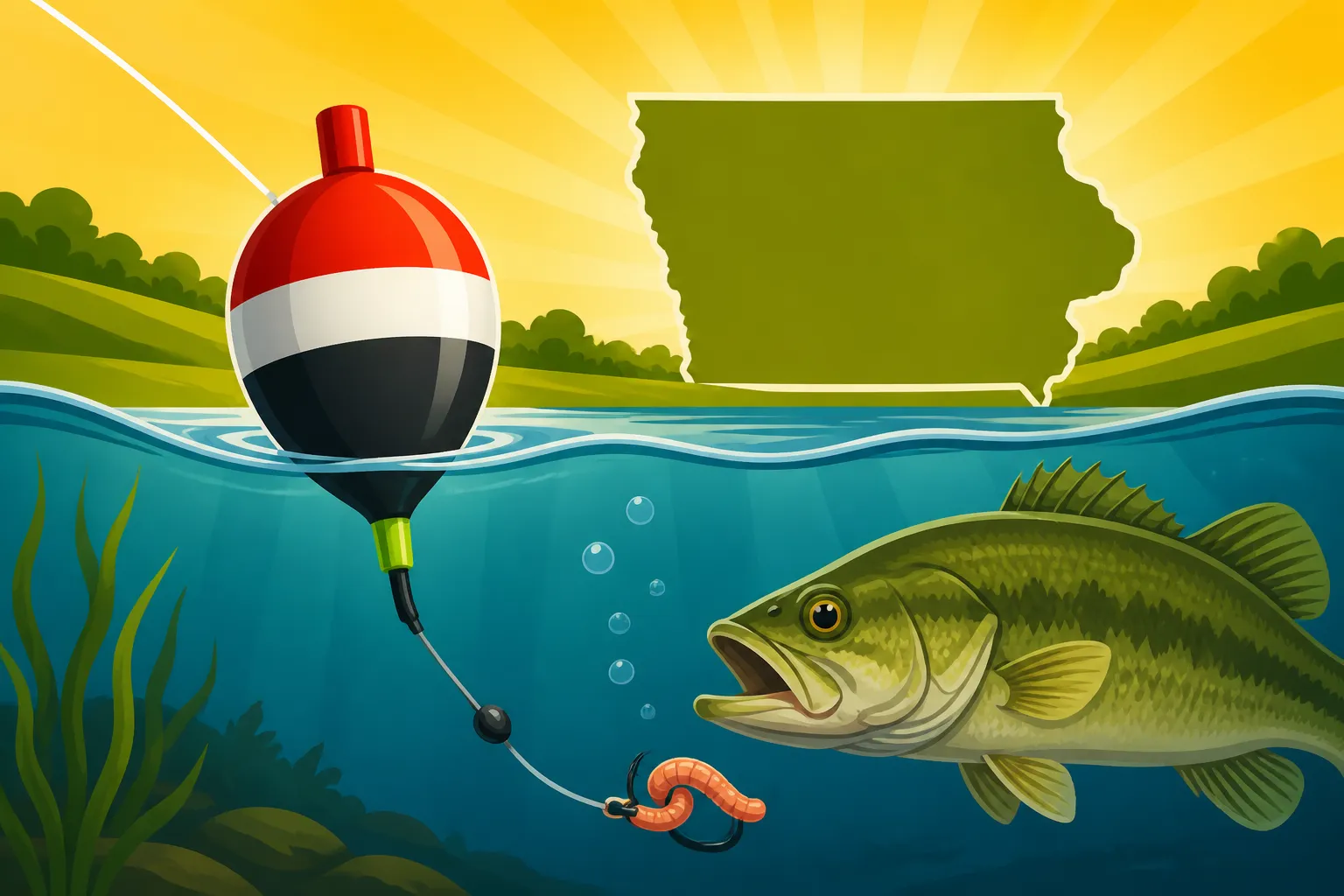
A slip bobber, on the other hand, slips freely up and down your fishing line. This means you can cast it out as far as you want, and your bait will sink to the pre-set depth you've chosen, regardless of how deep the water is or how long your rod is. Once your bait reaches that depth, the bobber stop catches on your line, and the bobber sits perfectly, ready to indicate a bite. It opens up a whole new world of possibilities, from targeting suspended walleye in Saylorville Reservoir to fishing crappie deep in the brush piles of Rathbun Lake.
Key Components of a Slip Bobber Rig
Before we dive into rigging, it’s helpful to understand the individual pieces that make a slip bobber rig work its magic. Each component plays a crucial role in delivering your bait effectively and indicating those all-important bites. You'll find most of these components easily at your local tackle shop or through online retailers like Amazon, often sold in convenient multi-packs.
Here’s a breakdown of the essential parts:
| Component | Function | Why it's Important |
|---|---|---|
| Bobber Stop | A small knot or bead that cinches down on your main line. | Sets your desired fishing depth. Without it, your bobber would slide all the way to your hook. |
| Bead | A small plastic or glass bead that sits between the bobber stop and the slip bobber. | Prevents the bobber stop from sliding into the bobber's eyelet, allowing the bobber to move freely. |
| Slip Bobber | The floating indicator that slides freely on your line. | Signals bites and suspends your bait at the set depth. Comes in various shapes and sizes. |
| Weight | Split shot, bell sinker, or jig head placed on the line above the hook/lure. | Carries your bait down to the desired depth and helps balance the bobber. |
| Hook/Lure | The business end where your bait is attached. | Catches the fish! Can be a bare hook for live bait or a jig for plastics. |
Knowing what each part does makes the rigging process much clearer and helps you troubleshoot if something isn't working quite right.
Rigging Up Your Slip Bobber for Success
Alright, let's get down to business! Rigging a slip bobber might seem a little more involved than just clipping on a standard bobber, but I promise it's straightforward once you do it a couple of times. The precision and versatility you gain are absolutely worth the extra minute or two of setup. Plus, once you're rigged, you're set for the day, or even several trips if you're careful.
Step-by-Step Rigging Guide
Here’s how to put together a bulletproof slip bobber rig that will serve you well on any Iowa lake or river:
- Start with the Bobber Stop: Take your bobber stop (which usually comes on a small plastic sleeve) and thread your main fishing line through the wire loop. Gently slide the knot off the sleeve and onto your main line. Pull both ends of the main line to snug the knot down, but don't overtighten it just yet. You'll want to be able to slide it later to adjust your depth. Many anglers pick up a multi-pack of bobber stops on Amazon, as they are a small but crucial piece of gear that can sometimes get lost or worn out.
- Add the Bead: Immediately after your bobber stop, slide on a small plastic or glass bead. This bead is vital because it acts as a buffer. Without it, the bobber stop might slip right through the small eyelet on top of your slip bobber, defeating its purpose.
- Thread Your Slip Bobber: Now, thread your main line through the top eyelet of your slip bobber and out through the bottom eyelet. Make sure it slides freely. If it's sticky, check your line for twists or nicks, or ensure the bead isn't too large for the bobber's opening.
- Attach Your Weight: Next, you'll want to add your weight. For most slip bobber applications, a few split shot weights crimped onto the line about 6-12 inches above your hook or jig is perfect. You can also use a small bell sinker if you prefer. The key is to add enough weight so that your bobber stands up straight in the water, with just the brightly colored tip visible, but not so much that it pulls the bobber completely under.
- Tie on Your Hook or Jig: Finally, tie your preferred hook or jig to the end of your line. For live bait, a simple Aberdeen or octopus hook often works best. If you're using soft plastics or small crankbaits, a jig head is the way to go. Make sure your knot is strong and secure. I often find a trusty Palomar knot or improved clinch knot does the trick. Remember, a strong connection here is crucial, especially when you hook into a feisty Walleye Fishing in Iowa or a chunky Channel Catfish Fishing in Iowa.
Choosing the Right Bobber and Weight
The world of slip bobbers is surprisingly diverse! You'll find them in all shapes and sizes, each with subtle advantages. For general fishing, a slender cigar-shaped bobber is often a great choice as it offers minimal resistance to a biting fish, making it easier to detect light bites. For windier conditions or when you need more visibility, a slightly larger, rounder bobber might be better. There are even lighted slip bobbers available for those awesome night fishing excursions for catfish or walleye.
Matching your weight to your bobber is critical for proper presentation. The goal is to "balance" the bobber so that it floats upright with just the top portion showing, making it sensitive to bites. Too little weight, and your bobber will lay flat on the water, providing poor bite detection. Too much weight, and your bobber will pull under, or your bait will sink too fast, taking away that natural, enticing fall. Experiment with different split shot sizes – starting with a few small ones and adding more until your bobber sits just right is a good strategy.
Selecting Your Bait and Presentation
The beauty of the slip bobber is its versatility with bait. For many Iowa anglers, live bait is king under a slip bobber. Minnows, worms, and leeches are fantastic choices for panfish like crappie and bluegill, as well as walleye. The slip bobber allows these baits to swim naturally at a specific depth, which can be incredibly enticing to fish that are suspended or holding just off the bottom. Check out Best Live Bait for Iowa Walleye for more ideas on what to thread on your hook.
But don't limit yourself to live bait! Small jigs tipped with soft plastics, a piece of corn, or even just a bare jig can be deadly under a slip bobber, especially for Crappie Fishing in Iowa or bluegill. The slow, controlled fall that the slip bobber allows mimics injured baitfish or insects, which can trigger a strike. Experiment with jig colors and sizes – sometimes a subtle change can make all the difference, especially when you're targeting finicky fish.
Mastering Slip Bobber Techniques on Iowa Waters
Now that you're all rigged up, let's talk about how to effectively use your slip bobber rig. This isn't just about throwing it out there; it's about making precise adjustments and understanding fish behavior in Iowa's diverse fishing environments. Getting these techniques dialed in can significantly increase your catch rate, whether you're on a tranquil farm pond or the bustling Mississippi River.
Finding the Right Depth
This is where the slip bobber truly shines and sets itself apart from fixed bobbers. Being able to present your bait at the exact depth where fish are holding is absolutely paramount. Fish often relate to specific depths based on water temperature, light penetration, and the presence of baitfish or structure. For example, How Deep to Fish for Walleye in Spring can be a critical piece of information.
The simplest way to find the right depth is to use a "depth finder" – not an electronic device, but a small clip-on weight. Clip it onto your hook and cast out. Adjust your bobber stop up or down your line until your bobber stands up or just barely disappears. This tells you the depth. Then, you can make an educated guess or rely on your electronics to determine if you need to go a foot shallower or deeper to put your bait right in front of the fish. If you're fishing for crappie in a brush pile, you might want your bait suspended just above the branches. If you're targeting walleye over a subtle break line, you'll want to place your bait right at that transition zone. How to Read Water for Structure Fishing can really help here.
Casting and Retrieving with Finesse
Casting a slip bobber rig is typically much smoother than casting a fixed bobber, but there are still a few tips to ensure a clean delivery and prevent tangles. Because the bobber slides down to your weight when you reel in, your overall length of line out of the rod tip is shorter, making casting easier. When you cast, use a smooth, deliberate motion. Avoid jerky movements that can cause your line to backlash or your weights and hook to tangle around your main line.
Once your rig is out there, let it sink naturally. The weight will pull your bait down, and the bobber will stop once it hits your bobber stop. Now, the retrieve. Often, the best retrieve with a slip bobber is no retrieve at all! Let the current drift your bait naturally. If there's no current, a very slow retrieve with occasional twitches can impart some lifelike action to your bait. Pay close attention to how the bobber sits; any dip, twitch, or slow drift can signal a bite. Don't be afraid to leave it still for several minutes before reeling in and re-casting to a new spot.
Targeting Specific Iowa Species
The slip bobber is incredibly effective for a wide range of species across Iowa. Here are a few examples:
- Crappie: When crappie are suspended in brush piles or around submerged timber, a slip bobber is your best friend. You can precisely set your bait to hang just above the cover, where crappie often lurk. Try small jigs or minnows. Knowing How to Find Crappie Brush Piles is key.
- Bluegill & Panfish: For these smaller, yet feisty, fish, a slip bobber allows you to present a small worm, piece of corn, or tiny jig right in their feeding zone, especially if they're holding over submerged vegetation. It's often the Best Bobber Style for Panfish because it lets them take the bait with very little resistance, leading to more hooked fish.
- Walleye: While often associated with trolling or jigging, walleye can be effectively caught with a slip bobber, particularly during low light conditions or when they're cruising specific depth contours. A lively minnow or leech under a slip bobber presented along a drop-off or weed edge can be deadly, especially in places like Clear Lake or West Okoboji Lake. Walleye Fishing in Iowa can be greatly enhanced with this technique.
- Catfish: Smaller channel cats, especially in lakes and calmer river sections, will readily take a piece of cut bait or a nightcrawler suspended under a slip bobber. This keeps your bait off the bottom, out of the muck, and often more visible to cruising cats.
The beauty is that once you master the basics, you can adapt this technique for nearly any species and fishing situation in Iowa.
Advanced Tips and Troubleshooting Your Slip Bobber
Even the most seasoned anglers run into challenges on the water. While slip bobbers are fantastic tools, they aren't without their quirks. Knowing how to anticipate and address common issues can save you a lot of frustration and keep your lines in the water where they belong – catching fish!
Dealing with Wind and Current
Iowa's weather can be notoriously unpredictable, and a breezy day can quickly turn a peaceful fishing trip into a battle against the elements. Wind and current are perhaps the biggest challenges when fishing with a slip bobber. Strong winds can blow your bobber all over the place, making bite detection nearly impossible and pulling your bait out of the strike zone. Strong currents, especially in our larger rivers like the Mississippi or Des Moines, can drag your rig downstream too quickly.
Here are a few strategies to combat these forces:
- Heavier Weights: The most direct approach is to use more weight. This will help your bait sink faster and hold its position better against current or wind drift. Just make sure you still have enough buoyancy in your bobber to show a bite.
- Different Bobber Styles: If the wind is really pushing a light bobber, consider switching to a more compact, rounder slip bobber or one with a flatter top. These offer less surface area for the wind to catch. Some anglers even prefer a "pencil" style bobber in light currents for its sensitivity.
- Anchoring or Drifting: If you're in a boat, anchoring upwind or upstream of your target area can allow your bait to drift naturally into the strike zone. If you're fishing from shore, casting slightly up-current or up-wind and letting your rig drift into position is often effective. For kayak anglers, a Best Kayak Anchor System is a fantastic investment for holding your position against the elements.
- Line Control: Keep your rod tip low to the water to minimize the amount of line exposed to the wind. This reduces "bow" in your line, which makes bite detection much clearer.
Common Snags and How to Prevent Them
It's frustrating when you spend time rigging up, only to have your line tangle or your knot fail. While some snags are unavoidable, many common slip bobber issues can be prevented with a little care.
- Tangles during Casting: This often happens if you try to cast too forcefully or with too much line out. Ensure your bobber is slid down close to your weight before casting. Use a smooth, controlled cast, and if you're using monofilament line, consider wetting your line before cinching down knots to prevent friction heat from weakening the line.
- Bobber Stop Slippage: If your bobber stop keeps moving, it might not be tight enough, or your line might be too slick (especially with some fluorocarbon lines). You can try a heavier bobber stop, or in a pinch, tie a small surgeon's knot a few inches above your existing stop to create a secondary backup, though this can make depth adjustments a bit trickier.
- Knot Failure: Always double-check your knots! A poorly tied knot can snap under the pressure of a fish or even a snag. Learn a couple of reliable knots, like the Palomar or improved clinch, and practice them. Over time, line can also weaken from UV exposure or abrasion, so it's a good idea to periodically re-tie your terminal tackle. For more on ensuring your gear is up to snuff, check out Best Tackle for Iowa Fishing.
Maintenance and Storage
Taking a little time for maintenance goes a long way in ensuring your slip bobbers and rigging components last for many fishing seasons. After each trip, especially if you've been in murky or silty water, give your bobbers a quick rinse with fresh water. This prevents grit from building up in the eyelets, which can hinder the "slip" action.
Store your slip bobbers in a tackle box compartment where they won't get crushed or scratched. Keep your bobber stops in their original packaging or a small, sealed container so they don't unravel or get lost. If you use a lot of pre-tied snelled hooks or jigs, consider a small leader wallet to keep them organized and tangle-free. A well-organized tackle box, where you can easily grab a new slip bobber or a fresh bobber stop, means more time fishing and less time fumbling.
Disclaimer
This article is for general informational purposes only and does not constitute professional advice. Laws, prices and regulations vary by location and change over time. Consult a qualified professional for guidance on your specific situation.