How to Rig a Live Minnow for Walleye
There's nothing quite like the thrill of feeling that distinct "thump" of a walleye taking a live minnow, but getting that minnow to present just right can feel like a secret handshake sometimes. If you've ever found yourself wondering how to keep your bait lively and irresistible, or why your minnow keeps falling off, you're in the right place. This guide is dedicated to walking you through the ins and outs of rigging a live minnow specifically for Iowa's walleye, ensuring you're setting yourself up for success on the water.
Why Live Minnows for Walleye in Iowa?
When it comes to tempting a finicky walleye, sometimes there's no substitute for the real thing. Live minnows bring an unparalleled natural appeal that artificial lures, no matter how realistic, simply can't always replicate.
The Irresistible Appeal of Natural Bait
Walleye are opportunistic predators, but they also have a keen sense of what looks and feels natural in their environment. A lively minnow, struggling just enough to appear vulnerable but not so much that it looks unnatural, sends out vibrations and scents that scream "easy meal" to a lurking walleye. The subtle flashes of its scales, the darting movements, and the natural smell can trigger a strike when other baits might get ignored. Especially in clear water or during slower bites, this natural presentation can be the key to turning a slow day into a memorable one. It taps into the walleye's primal instinct, making it incredibly effective.
When and Where Live Minnows Shine
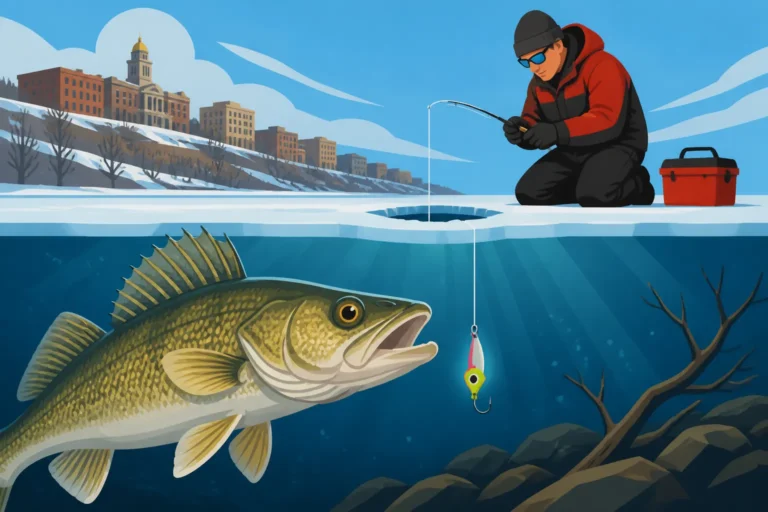
Live minnows are versatile and can be highly effective across various Iowa fishing scenarios, from the vast expanses of the Great Lakes to the winding currents of our rivers. They truly excel when walleye are lethargic, perhaps due to cold fronts, post-spawn sluggishness, or during the deep winter months under the ice. For instance, when fishing lakes like Clear Lake or West Okoboji Lake, a carefully presented live minnow can often outperform jigs or crankbaits, particularly when the fish are holding tight to structure or aren't aggressively feeding. Similarly, during the spring walleye run on rivers like the Des Moines River or the Mississippi, a subtle live minnow rig can be deadly in areas where walleye are staging before or after the spawn. Walleye Fishing Techniques for Iowa Rivers often emphasize the importance of presenting bait naturally in current, and live minnows are perfect for this.
Essential Gear for Rigging Live Minnows
Having the right tackle isn't just about having any gear; it's about having the right gear that complements the subtle art of live minnow fishing. The difference between a lost minnow and a hooked walleye often comes down to these details.
Rods, Reels, and Line Considerations
For live minnow fishing, you'll generally want a sensitive setup that allows you to feel those delicate bites. A medium-light to medium power spinning rod, typically 6'6" to 7' long, with a fast action tip, is ideal. This combination offers enough backbone to fight a good walleye but retains the sensitivity needed to detect subtle takes and allow the walleye to fully mouth the bait. For a reel, a 2000 or 2500 series spinning reel is a common choice, offering a good balance of line capacity and comfortable handling. Best Reel Size for Walleye Fishing often points to these smaller, sensitive reels.
When it comes to line, a 6 to 8 lb monofilament or fluorocarbon line is usually perfect. Monofilament has some stretch, which can be forgiving when a walleye strikes, and it floats, which is good for bobber fishing. Fluorocarbon, on the other hand, is nearly invisible underwater and has less stretch, offering increased sensitivity. Many anglers opt for a braided main line (8-10 lb test) for its incredible sensitivity and lack of stretch, then add a 4-6 foot fluorocarbon leader (6-8 lb test) to provide invisibility and abrasion resistance. This hybrid approach gives you the best of both worlds. Best Line Weight for River Walleye can depend on the specific river and current, but generally, lighter lines are preferred for live bait presentations.
Hook, Sinker, and Swivel Choices
The right hook is paramount for live minnow fishing. You want a hook that's sharp, strong, and sized appropriately for your minnows and the target walleye. Aberdeen hooks (long shank, fine wire) are popular because their fine wire is less likely to kill the minnow and they have a wide gap for good hooksets. Sizes #4 to #8 are common. Kahle hooks or Octopus hooks (often offset) are also excellent choices, known for their wide gap and ability to consistently hook fish in the corner of the mouth, making for easier release if you're practicing catch and release. You can find a wide variety of these specific hooks on Amazon, making it easy to stock up before your next trip.
Sinkers need to be chosen to match the conditions. For still water or very slow current, a small split shot or a bullet weight (1/8 to 1/4 oz) placed a foot or two above the hook might be all you need. For stronger currents or deeper water, walking sinkers (e.g., Lindy Walking Sinkers) or bell sinkers work well, allowing your bait to roll or slide along the bottom without snagging excessively. A good rule of thumb is to use the lightest weight possible that still allows your minnow to reach and maintain the desired depth. Finally, a small barrel swivel or a three-way swivel can be crucial. A barrel swivel helps prevent line twist, especially when casting or retrieving. A three-way swivel is excellent for bottom bouncing or creating a dropper rig, allowing your minnow to swim freely on a short leader while the weight remains on the main line.
Keeping Your Minnows Alive and Kicking
A dead minnow is rarely as effective as a live one. Keeping your bait lively is critical. Start with a good quality bait bucket. Insulated buckets or those with aeration systems are a game-changer, especially on hot days or long trips. Look for insulated bait buckets, readily available on platforms like Amazon, to keep your minnows lively. A battery-powered aerator can circulate air and keep oxygen levels high, significantly prolonging your minnows' life.
Beyond the bucket, consider water temperature. Sudden changes in water temperature can shock and kill minnows. Try to keep the water in your bait bucket as close as possible to the water temperature of where you're fishing. If you're transporting minnows a long distance, a cooler with ice (separated from the water, or using frozen water bottles) can help maintain a stable, cool temperature. Also, don't overcrowd your minnows. Too many in one bucket will quickly deplete oxygen and foul the water. Change the water regularly if you notice it becoming cloudy or filled with scales.
Step-by-Step Guide to Rigging Live Minnows for Walleye
There are a few tried-and-true methods for rigging live minnows, each suited to different presentations and conditions. Mastering these will give you a significant edge.
The Classic Lip-Hook Rig
This is probably the most common and versatile way to rig a minnow, especially when fishing under a bobber or lightly jigging. It allows the minnow to swim naturally and present a tempting profile to the walleye.
- Select Your Minnow: Choose a healthy, active minnow that's not too big or too small for your target walleye. A 2-4 inch minnow is often a good starting point for most Iowa walleye.
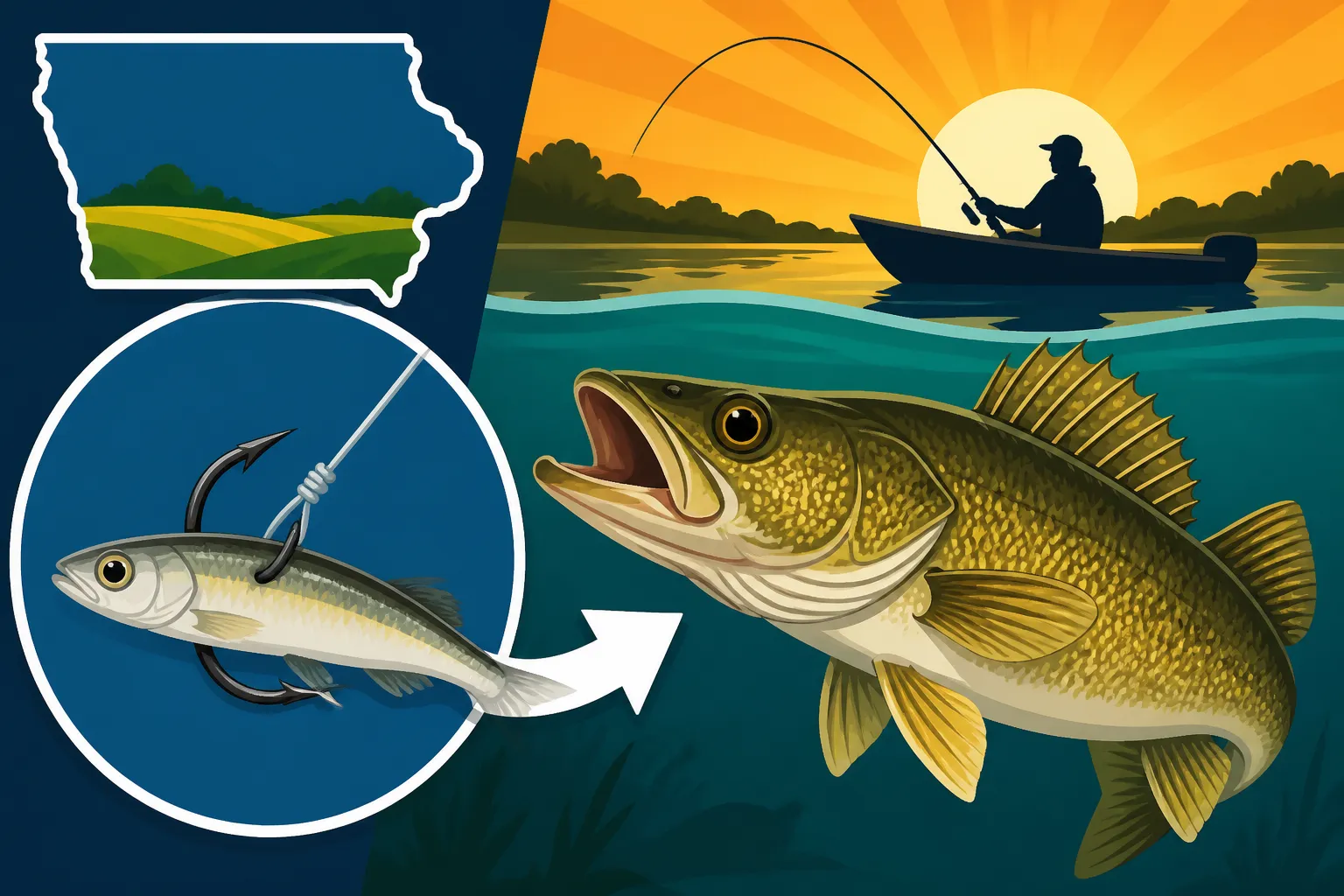
- Hooking Through the Lips: Gently grasp the minnow, being careful not to squeeze too hard. Insert your hook (e.g., a #6 Aberdeen or Octopus hook) through the bottom lip and then out through the top lip. Ensure the hook point is exposed and not obstructed by the minnow's mouth.
- Check the Minnow's Movement: Once hooked, gently place the minnow back in your bait bucket or a separate container of water. It should be able to swim freely without the hook impeding its movement too much. A properly lip-hooked minnow will look like it's trying to swim forward.
- Application: This rig is excellent for fishing under a slip bobber. How to Fish a Slip Bobber can offer more guidance here. The minnow can swim naturally, attracting walleye. It's also great for slow retrieves or gentle jigging, allowing the minnow to flutter and entice bites.
The Dorsal Fin Rig for Slow Trolling or Drifting
When you're covering water, such as slow trolling from a boat or drifting with the current, rigging through the dorsal fin is an effective way to present your minnow horizontally and keep it alive longer. This method often works wonders when Walleye Fishing Techniques for Iowa Lakes involve covering broad areas.
- Positioning the Hook: Carefully hold the minnow. Locate the small fleshy area just behind the dorsal fin, being very careful to avoid the minnow's spine or internal organs.
- Threading the Hook: Insert your hook (a #4 or #6 Kahle or Octopus hook works well) through this fleshy part, making sure it passes completely through and the hook point is exposed upwards. The hook should sit snugly against the minnow's back.
- Minnow Orientation: When rigged this way, the minnow will typically swim with its head pointed down, or horizontally as it's pulled through the water. This presents a natural struggling appearance.
- Application: Ideal for slow trolling with a bottom bouncer or a small weight, or for drifting rigs. The minnow stays alive for an extended period and swims naturally, often appearing injured and vulnerable. It's particularly effective when walleye are hugging the bottom.
The Tail-Hook Rig for Finesse Bites
Sometimes walleye are extremely finicky, and they might just nip at the tail of a minnow. In these situations, hooking the minnow through the tail can lead to more hookups, especially if you suspect the fish are short-striking.
- Locate the Tail Fleshy Part: Hold the minnow gently and identify the thick, muscular part of its tail just before the caudal fin (the main tail fin).
- Insert the Hook: Carefully pass a small hook (like a #8 or #10 Octopus hook) through this fleshy part, ensuring the hook point is exposed and facing forward, towards the minnow's head.
- Minnow Movement: This rigging allows the minnow to swim freely with its head, but a walleye coming up from behind to snatch the tail will often find the hook waiting.
- Application: Best for very slow presentations, still-fishing, or ice fishing. It's a fantastic tactic when walleye are barely mouthing the bait, giving them less "free tail" to nip off without getting hooked. However, minnows hooked this way tend to die quicker than lip-hooked or dorsal-hooked minnows, so you'll need to check your bait frequently.
Table: Live Minnow Rigging Methods at a Glance
| Rigging Method | Pros | Cons | Ideal Scenario | Key Hook Type |
|---|---|---|---|---|
| Lip-Hook | Natural swimming action, good durability | Can mask hook, sometimes swallowed deep | Bobber fishing, light jigging, slow retrieves | Aberdeen, Octopus (#6-8) |
| Dorsal Fin-Hook | Horizontal presentation, long minnow life | Can be less natural for stationary fishing | Slow trolling, drifting with bottom bouncer | Kahle, Octopus (#4-6) |
| Tail-Hook | Higher hookup rate on finicky bites, exposed hook | Minnow dies faster, less natural movement | Still fishing, ice fishing, when walleye are short-striking | Octopus (#8-10) |
Presenting Your Live Minnow for Maximum Walleye Attraction
Rigging is only half the battle; how you present that perfectly rigged minnow can make all the difference. Walleye are often particular about presentation, and subtle adjustments can change your luck.
Jigging with Live Minnows
Jigging a live minnow is a highly effective technique, especially when walleye are concentrated in specific areas or holding tight to structure. The key is to impart just enough action to the minnow without overdoing it. A small, lightweight jig head (1/8 to 1/4 ounce) is often paired with a lip-hooked minnow.
To jig effectively, drop your minnow to the bottom, then lift your rod tip a foot or two, letting the minnow settle back down. The lift creates an enticing flutter, and the pause allows the walleye to strike. Experiment with the height and speed of your lifts. Sometimes a sharp snap is best, other times a slow, gentle lift is more productive. Pay close attention to your line as the minnow falls; many strikes occur on the drop. You'll often find this technique useful when targeting walleye around brush piles, rocky points, or other underwater features in lakes like Rathbun Lake. How Deep to Fish for Walleye in Spring will often involve jigging these types of structures.
Slip Bobber Fishing with Live Minnows
Slip bobbers are phenomenal for presenting live minnows at a precise depth, suspending them right in the walleye's strike zone. This method is particularly effective when walleye are suspended off the bottom or holding tight to cover at a specific depth.
Set your bobber stop to the desired depth, allowing your minnow to swim naturally at that level. Cast your rig out, and let the minnow do the work. The beauty of a slip bobber is that it lets you fish a variety of depths without constantly re-tying. It's a relatively passive technique, but don't let that fool you – it's incredibly effective, especially for wary walleye. Watch the bobber carefully; a walleye strike can be a subtle dip or a complete disappearance. This technique is often a go-to for many anglers fishing the Iowa Great Lakes.
Slow Trolling or Drifting Techniques
Covering water efficiently while presenting a live minnow is achieved through slow trolling or drifting. These techniques are excellent for locating scattered walleye or covering large flats and break lines.
- Bottom Bouncers: A popular choice for drifting or slow trolling, a bottom bouncer keeps your minnow near the bottom while minimizing snags. Attach your main line to one arm of the bottom bouncer, and a 2-4 foot leader (with your dorsal-fin rigged minnow) to the other arm. The weight of the bouncer keeps it ticking along the bottom, allowing the minnow to trail enticingly behind. This setup is fantastic for fishing river channels or the deeper areas of reservoirs like Saylorville Reservoir.
- Controlled Drifting: If you're on a windy day or a river with current, simply letting the boat drift with the current or wind, while dragging a live minnow rig, can be incredibly productive. Use a weight heavy enough to keep your minnow near the bottom but light enough to let it move naturally. Keep a close eye on your rod tip for any bumps or subtle changes in line tension.
- Trolling with Planer Boards: For covering even wider swaths of water, especially in large lakes, planer boards can be used to spread out multiple lines, each with a live minnow. This allows you to present baits at different depths and distances from the boat, increasing your chances of intercepting cruising walleye.
Common Mistakes and Troubleshooting
Even with the best rigging, walleye fishing can throw curveballs. Knowing how to troubleshoot common issues can save your day on the water.
Dealing with Finicky Walleye
We've all been there: the fish are there, you see them on your electronics, but they just won't bite. Finicky walleye require a change in tactics.
- Slow Down: Often, the problem is that you're presenting too fast. Slow down your retrieve, your jigging motion, or your trolling speed. Let the minnow spend more time in the strike zone.
- Go Smaller and Lighter: If your minnows seem too big, try smaller ones. Reduce your sinker weight to allow for a more natural, uninhibited swim. Consider downsizing your hook as well.
- Change Presentation: If jigging isn't working, try a slip bobber. If drifting isn't producing, try still-fishing in a likely spot. Don't be afraid to switch between the lip-hook and tail-hook rigs to see what the walleye prefer that day.
- Stealth: Sometimes, it's about being less intrusive. Use a longer leader of lighter fluorocarbon line. Minimize boat noise and sudden movements. Walleye can be incredibly wary, especially in clear water. For specific tips on how to target this elusive fish, check out How to Catch Walleye in Iowa.
Preventing Minnow Loss and Snags
Losing minnows to light strikes or snags can be frustrating and costly. A few proactive steps can help.
- Feel the Bite: When a walleye takes a minnow, it's often a subtle "tick" or a feeling of added weight, not a violent yank. Avoid the urge to set the hook immediately. Let the walleye take the minnow for a few seconds (often referred to as "feeding line") to ensure they've fully committed to it and the hook is in their mouth. Then, make a smooth, firm hookset.
- Hook Size and Placement: Ensure your hook size matches your minnow. Too small, and the minnow might tear off; too big, and it looks unnatural. Proper hook placement (as described in the rigging methods above) is key to keeping the minnow secure and lively.
- Understand Bottom Structure: Use your fish finder or simply feel the bottom with your weight to understand the terrain. If you're constantly snagging, try lifting your weight slightly higher off the bottom, or switch to a walking sinker that's designed to roll over obstacles. For specific fishing challenges and solutions, Iowa Fishing Techniques Guide provides a wealth of information.
- Leader Material: Using a slightly heavier fluorocarbon leader can offer better abrasion resistance against rocks and sharp objects, reducing line breaks and lost rigs. Keep an eye on your leader for nicks or abrasions and re-tie as needed. Regularly inspect your knots too; a strong knot is critical to not losing your catch or your rig.
Disclaimer
This article is for general informational purposes only and does not constitute professional advice. Laws, prices and regulations vary by location and change over time. Consult a qualified professional for guidance on your specific situation.