Best Time of Day to Catch Bass in Summer
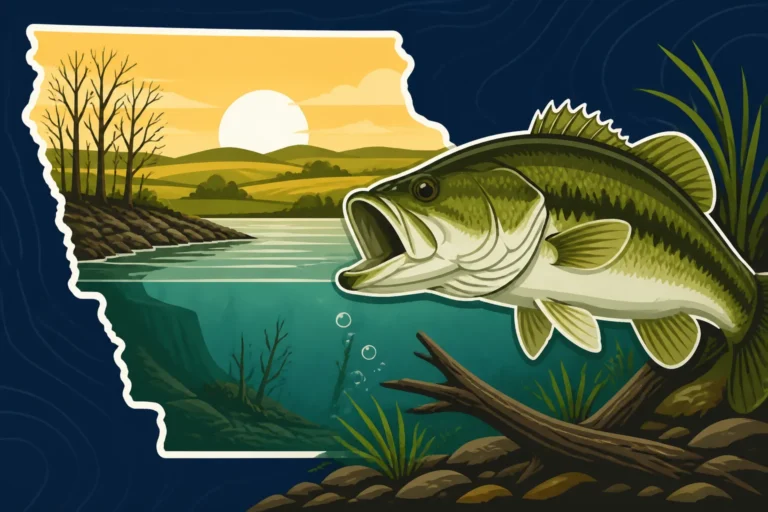
Oh, the joys and frustrations of summer bass fishing in Iowa! You launch your boat or hit the bank, the sun's high, the air is thick with humidity, and it feels like every bass in the lake has simply vanished. It’s incredibly frustrating when you know those hard-fighting fish are down there, but getting them to commit to a bite feels like a cosmic mystery. This guide is all about unraveling that mystery, digging deep into the daily patterns of Iowa's summer bass to help you pinpoint the absolute best times to cast your line and turn those slow days into memorable ones.
The Summer Struggle: Why Iowa Bass Get Finicky
Summer in Iowa brings beautiful long days, but for bass anglers, it often means tough fishing. The scorching sun, high water temperatures, and increased boat traffic can make our beloved largemouth and smallmouth bass change their habits dramatically. They're not gone, they're just smarter and more selective about when and where they feed. Understanding why they behave this way is the first step to figuring out when and how to catch them.
Battling the Heat: Bass Seeking Cooler Comfort
During the peak summer months, especially from late June through August, water temperatures in Iowa lakes and rivers can soar. Bass are cold-blooded creatures, and while they can tolerate a wide range of temperatures, they become sluggish and uncomfortable in overly warm water. This drives them to seek out cooler, more oxygenated areas. Think about how you feel on a sweltering Iowa afternoon – you want shade and a cool drink, right? Bass are no different. They'll actively move to deeper water where temperatures are more stable, or they'll tuck themselves into dense cover that provides shade. This thermocline, a distinct layer of water where temperature changes rapidly with depth, becomes a crucial zone for them. In shallower ponds and rivers, they might just hug the bottom in deeper pockets or bury themselves in thick vegetation.
The Impact of Bright Sunlight and Pressure
Another huge factor in summer is the relentless bright sunlight. Bass, particularly largemouth, generally prefer lower light conditions for feeding. Bright sun penetrates the water deeply, making them feel exposed and vulnerable to predators (like us!). This is why you often find them tucked under docks, lily pads, fallen trees, or heavy grass mats. It’s a defensive mechanism, but also an ambush point. On top of that, summer often means more anglers on the water, increasing fishing pressure. Bass in heavily fished areas like Big Creek Lake or Lake Macbride become even warier, further reinforcing their preference for low-light feeding windows or ultra-dense cover during the day. This combination of heat, light, and pressure often makes daytime fishing a real grind.
Cracking the Code: Prime Time Windows for Iowa Summer Bass
While summer days can be a challenge, there are definite windows of opportunity when Iowa bass are most active and willing to bite. These are the times when you want to be on the water, focused and ready, because these can be incredibly productive periods.
The Magical Morning Bite
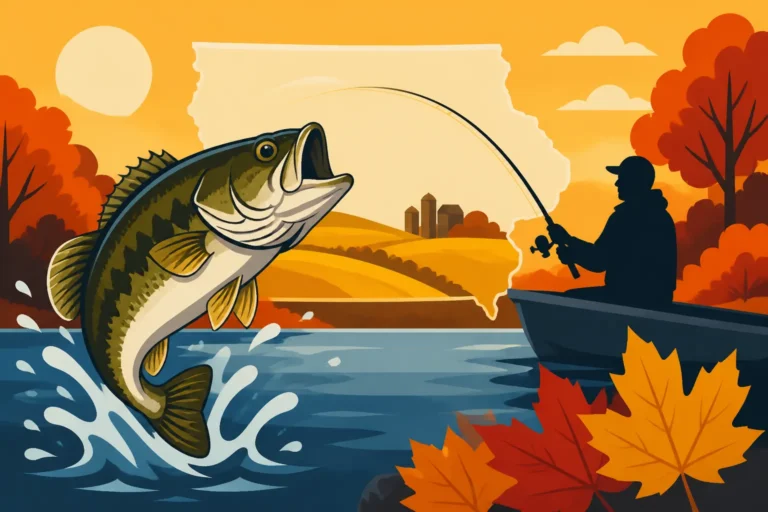
Without a doubt, the early morning is arguably the best time of day to catch bass in Iowa during the summer. As the sun begins to peek over the horizon, the water temperature is at its coolest after the overnight hours. This slight drop in temperature re-energizes the bass, and the low light conditions give them a sense of security to move out from their deep-water or heavy cover hideouts. They're often hungry after a night of less-active feeding and are looking for an easy meal before the heat kicks in.
Think about it: the first hour or two after sunrise, from roughly 5:30 AM to 8:00 AM, can be absolutely golden. This is when topwater lures truly shine. Poppers, walk-the-dogs, and frog imitations danced over lily pads or along weed lines can draw explosive strikes. As the sun climbs a bit higher, but before it gets too intense, moving baits like spinnerbaits and crankbaits can be very effective as bass are still actively foraging. Focus on points, submerged humps, weed edges, and even shallow flats adjacent to deeper water. Getting out early not only increases your chances but also offers a peaceful start to your day, often with less boat traffic. If you're serious about How to Catch Bass in Iowa, don't hit the snooze button!
The Twilight Feeding Frenzy: Late Evening and Dusk
Just like the early morning, the late evening hours offer another fantastic opportunity for summer bass. As the sun begins its descent, typically from about 6:00 PM until dark, the light levels drop, and the air (and water) slowly starts to cool. This again signals to the bass that it's safer to come out and feed. They're usually making one last push to fill their bellies before settling down for the night.
This period often mirrors the morning bite, with bass moving shallower and becoming more aggressive. Topwater action can pick up again, sometimes even more ferociously than in the morning. Spinnerbaits, chatterbaits, and shallow crankbaits are excellent choices for covering water and triggering strikes. Pay close attention to transition areas – where deep water meets shallow flats, or where sparse cover gives way to thick vegetation. This is a great time to be casting near docks, fallen trees, and rock piles. The bass are actively looking for food, and if you present something appealing in their strike zone, you're in for some fun. Many anglers find the magic hour just before sunset to be one of the most exciting times for Largemouth Bass Fishing in Iowa.
The Cover of Darkness: Night Fishing for Bass
While not for everyone, night fishing can be incredibly productive for summer bass, especially in heavily pressured lakes or during extreme heat waves. Under the cloak of darkness, bass lose much of their caution. The water is at its coolest point, and the complete lack of light allows them to roam and feed much more freely, often moving into very shallow water they wouldn't dare visit during the day.
Night fishing requires some adjustments to your approach and gear. Darker lures, often black or blue, are popular choices as they create a strong silhouette against the moonlit sky or water surface. Large worms, jigs with bulky trailers, big spinnerbaits, and even noisy topwater lures (like Jitterbugs or Whopper Ploppers) can be deadly. Fish slowly, relying on feel rather than sight. A good quality Best Headlamp for Night Fishing is absolutely essential, but use it sparingly to avoid spooking fish. Focus on areas where bass hold during the day – docks, riprap, brush piles, and weed lines – but now cast to the shallower edges of these structures. This technique can be particularly effective for bigger, more elusive bass that are often too wary to bite during daylight hours.
Beyond Prime Time: Midday Tactics and Adaptations
What if your schedule only allows you to hit the water during those scorching midday hours? Don't despair! While it's certainly tougher, you can still catch bass if you understand where they're hiding and how to tempt them. It requires a shift in strategy and a whole lot of patience, but success in the midday heat is incredibly rewarding.
Deep Water and Submerged Structure
When the sun is high and the water is hot, bass retreat to the coolest, most comfortable spots they can find. This almost always means deeper water and tight to substantial cover. Look for drop-offs, submerged humps, creek channels, and standing timber in deeper sections of the lake. These areas offer both cooler temperatures and structure to ambush prey. For example, on larger reservoirs like Saylorville or Coralville, bass might suspend over creek channels or relate tightly to brush piles in 15-25 feet of water.
This is where your electronics come into play. A good fish finder can help you locate these deep-water structures and even mark suspended fish. If you're wondering Do You Need a Fish Finder to Catch Walleye?, the answer is often "yes" for bass too, especially when they go deep. Vertical jigging with heavy spoons or dropping weighted plastics (like a Texas-rigged worm or a jig) directly into cover can be effective. Slow and deliberate presentations are key here; bass aren't going to chase much in the heat. They’re looking for an easy meal presented right in front of their noses.
Heavy Cover and Extreme Shade
If deep water isn't available, or in shallower lakes and farm ponds, bass will seek the densest, shadiest cover imaginable. Think thick mats of lily pads, dense hydrilla beds, overhanging trees, and the darkest recesses under docks. These spots provide crucial shade, keeping the water underneath slightly cooler and providing a dark ambush point. Targeting these spots is often referred to as "flipping and pitching."
You'll need heavy gear to get your bait into and, more importantly, out of this thick stuff. Stout rods, braided line (many anglers find good options on Amazon), and heavy tungsten weights are your best friends. Punch jigs, creature baits, or heavily weighted worms are ideal for penetrating these mats. The bite might feel like just a slight "thump" or the line moving sideways, so pay close attention. Often, you're looking for a reaction strike from a bass that's just hanging out, not actively feeding. It's a challenging but highly rewarding technique, especially on Bass Fishing Tips for Iowa Farm Ponds.
Midday Table of Summer Bass Tactics
To help you visualize the different approaches for summer bass, here's a quick reference table:
| Time Window | Bass Behavior | Ideal Locations | Recommended Lures & Techniques | Key Considerations |
|---|---|---|---|---|
| Early Morning | Actively feeding, less wary, shallower | Points, weed edges, shallow flats, docks | Topwater (poppers, frogs), spinnerbaits, shallow crankbaits | Be stealthy, cover water, focus on low light |
| Late Evening | Re-energized, feeding before night, shallower | Transition areas, riprap, docks, brush piles | Topwater, chatterbaits, crankbaits, jigs | Mimic prey, adjust to fading light, experiment |
| Nighttime | Least wary, roam shallow, ambush feeding | Shallow cover, dock lights, rock piles | Large dark worms, jigs, noisy topwater | Use dark lures, slow retrieve, minimal light, safety |
| Midday (Hot) | Seeking comfort, deep, tight to cover, sluggish | Deep structure (humps, channels), heavy mats, thick docks | Heavy jigs, Texas-rigged worms, deep crankbaits, spoons | Vertical presentations, heavy gear, patience, electronics |
Reading the Conditions: How Weather and Water Shape the Bite
Beyond the time of day, various environmental factors play a massive role in how active summer bass will be. A smart angler pays attention to these details, as they can significantly impact even the "prime" fishing windows.
Fronts, Storms, and Barometric Pressure
Weather changes, particularly cold fronts or approaching thunderstorms, can dramatically affect bass behavior. Before a storm rolls in, when the barometric pressure is falling, bass often go on a feeding frenzy. This is a fantastic time to be on the water, as they become incredibly active and aggressive. As the storm hits or immediately after a cold front passes, when the pressure is high and stable, the bite can shut down almost completely. Bass will often move deeper and become much harder to catch. Understanding How Weather Affects Bass Fishing is crucial for planning your trips. A sudden drop in air temperature, even if temporary, can also be a positive trigger.
Keep an eye on the forecast, and if you see a warm front approaching or a low-pressure system moving in, clear your schedule! These pre-front conditions often lead to some of the best fishing of the summer. Conversely, if a strong cold front just pushed through, be prepared for a tough bite and consider focusing on deeper, more isolated cover with slower presentations.
Water Temperature and Oxygen Levels
We've already touched on it, but water temperature is the overriding factor in summer. Bass have an optimal temperature range where they are most active (typically 65-75°F for largemouth). When water temperatures climb above this, they start to slow down. Oxygen levels also play a role, especially in deeper, stratified lakes. The thermocline not only provides cooler water but also often concentrates the highest levels of dissolved oxygen. Fish below this layer, where oxygen is scarce, are often lethargic or even absent.
Monitoring water temperature, if you have a thermometer or a fish finder that reads surface temps, can provide valuable clues. In exceptionally hot periods, even the early morning bite might be muted if the water never had a chance to cool down sufficiently overnight. During these times, targeting springs, inflowing creeks, or areas with slight current can offer small pockets of cooler, more oxygenated water that might hold active bass. Think about where cooler water might seep in, even subtle changes can make a difference.
Forage Base and Feeding Opportunities
Finally, understanding what the bass are eating and where that food source is located is always a key piece of the puzzle. In summer, the forage base in Iowa waters like Clear Lake or West Okoboji Lake is abundant – shad, bluegill, crayfish, and various minnow species are all on the menu. Bass will often position themselves to ambush these baitfish. If you see schools of baitfish flickering on the surface in the morning or evening, chances are the bass are nearby, ready to capitalize on the easy meal.
Matching the hatch, so to speak, is important. If bass are feeding on small shad, a shad-colored crankbait or a soft plastic swimbait can be very effective. If they're crushing frogs over lily pads, a hollow-bodied frog lure is your go-to. Don't be afraid to try a variety of lures from your Best Lures for a Starter Tackle Box until you find what they're keying in on. Sometimes, bass are incredibly finicky about specific colors or sizes. Having a good selection, perhaps stocked up from Amazon, allows you to adapt on the fly. Pay attention to what's in the water, even if it's just grasshoppers or cicadas falling in, as bass are opportunistic feeders.
By paying attention to these daily windows, adapting your techniques to the conditions, and understanding the "why" behind bass behavior, your summer fishing trips in Iowa can go from frustrating to fantastic. Remember, even during the toughest times, there's always a window, a pattern, or a piece of cover that holds a hungry bass waiting for your lure. Keep honing your Iowa Fishing Techniques Guide and happy fishing!
Disclaimer
Fishing regulations and conditions in Iowa can change. Always consult the latest Iowa Department of Natural Resources (DNR) fishing regulations booklet or website before heading out on the water. This information is for general guidance only and should not replace official sources.