When Iowa Walleye Season Opens
It can be incredibly frustrating to plan a fishing trip, only to realize you’re unsure about the specific dates and regulations for your target species. For many anglers, the walleye is the ultimate prize in Iowa, but knowing exactly when and where you can pursue them can feel like navigating a complex maze of rules. This comprehensive guide will clear up all the confusion surrounding when Iowa walleye season opens, focusing on both the statewide norms and those critical exceptions that could make or break your trip.
Understanding Iowa's Walleye Season Structure
Many states have a very rigid "opening day" for walleye, almost like a holiday. But Iowa operates a little differently, which can sometimes throw people off. Instead of a single, definitive opening day across the entire state, Iowa's walleye season generally remains open year-round on most waters, with specific, important exceptions that every angler needs to be aware of. It's not so much about an "opening" as it is about when it might be temporarily closed in certain prime spawning areas.
General Statewide Regulations
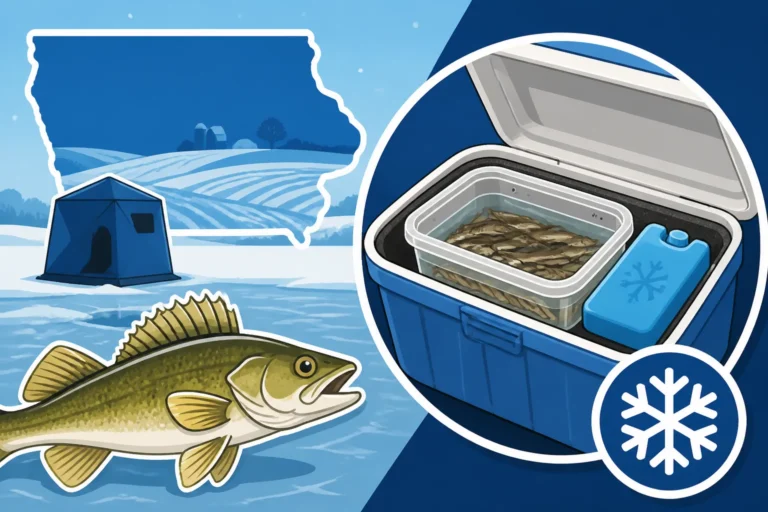
For the vast majority of Iowa's rivers, impoundments, and smaller lakes, you'll be pleased to know that walleye fishing is permitted year-round. This means there's no set "opening day" that you have to wait for, nor is there a specific closed season where you absolutely cannot target walleye. You can head out any day of the year, provided you have your valid Iowa Fishing License Guide and adhere to the daily bag and possession limits for walleye. This continuous open season is a huge benefit for those who love to chase these elusive fish, allowing for ice fishing pursuits in winter, casting from shore in spring, or hitting the boat in summer and fall. However, even with year-round access, there are still crucial details like length limits and daily creel limits that dictate how many and what size walleye you can keep. Always double-check the current Iowa Fishing Regulations Explained booklet or the Iowa DNR website for the most up-to-date information before you head out.
The logic behind this year-round open season on most waters is to provide maximum recreational opportunity while still managing the fish populations effectively through bag and size limits. Iowa's river systems, like the Mississippi, Des Moines, and Cedar Rivers, often have strong, naturally reproducing walleye populations that can sustain continuous fishing pressure. Similarly, many of the state's larger reservoirs, such as Saylorville, Rathbun, and Coralville, are managed with these continuous seasons, providing ample opportunities for anglers throughout all four seasons.
Special Rules for Border Waters and Great Lakes
Now, here's where things get a bit more nuanced and where the concept of an "opening day" truly comes into play. Iowa has specific regulations for its border waters and, most notably, the beloved Iowa Great Lakes. These areas are vital spawning grounds, and temporary closures are put in place to protect the walleye population during their crucial reproductive period.
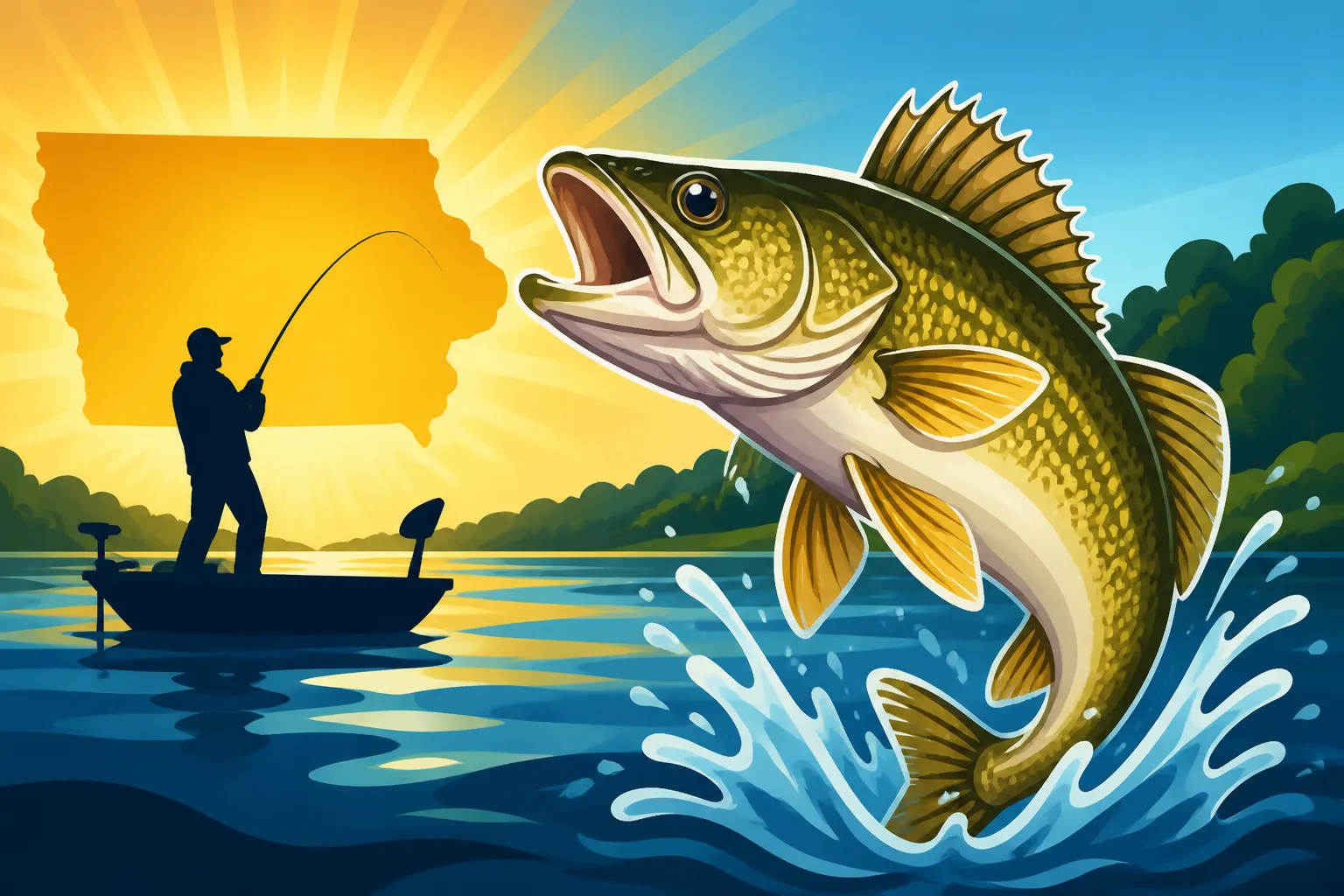
For the Iowa Great Lakes – specifically West Okoboji, East Okoboji, and Spirit Lake – there is a closed season for walleye. Typically, this closure runs from mid-February through the first Saturday in May. This means you cannot intentionally target or possess walleye during this period. The Iowa Walleye Season Opening Day on these particular lakes is a much-anticipated event, often marked by eager anglers lining the shores and launching boats at dawn. This specific "opening day" aims to ensure the walleye have a chance to complete their spawning activities largely undisturbed, contributing to the long-term health and abundance of the fishery. If you're planning a trip to these iconic lakes, it's absolutely essential to be aware of the Walleye Closed Season Dates at the Iowa Great Lakes.
Border waters, such as the Mississippi River, often operate under reciprocal agreements with neighboring states like Wisconsin, Illinois, and Missouri. While generally open year-round for walleye, specific pools or areas might have slightly different size or bag limits that align with those states. For example, Fishing Regulations at the Iowa Great Lakes often have unique quirks that differ from a smaller pond in central Iowa. It's always a good idea to consult the Iowa DNR regulations specific to these border waters, or even the regulations of the bordering state, to ensure you're compliant, especially if you plan on crossing state lines during your fishing excursion.
The Anticipated Walleye Season Opening Dates
Given the nuance of Iowa's walleye regulations, understanding "when it opens" really boils down to knowing the general patterns and how to confirm the precise dates for the specific body of water you intend to fish. Most of the time, the season is already open, but for those special places, like the Iowa Great Lakes, that early May opening is a big deal.
What to Expect Annually
If you're fishing most of Iowa's lakes and rivers outside of the Iowa Great Lakes, you can confidently expect the walleye season to be open all year, every year. This consistent "open" status is a blessing for year-round anglers. However, when it comes to the Iowa Great Lakes, the pattern is very reliable: the walleye season typically reopens on the first Saturday of May. This date has become a tradition, marking the unofficial start of serious open-water walleye fishing for many Iowans. While it’s highly consistent, a slight shift in the calendar year might occasionally nudge the exact date by a day or two, so confirming is key.
The period leading up to this opening on the Great Lakes is often filled with anticipation, as anglers prepare their boats and tackle. This brief closed period allows walleye to spawn, which generally happens as water temperatures rise in late April and early May. By the first Saturday of May, many of these fish have completed their spawning rituals and are starting to feed aggressively, making for exciting fishing opportunities right out of the gate. If you're looking for the Best Month to Catch Walleye in Iowa, many would argue that May, especially on the Great Lakes, offers some fantastic action post-spawn.
The consistency of these dates helps anglers plan far in advance, whether they're booking cabin rentals or coordinating with fishing buddies. This predictability is a cornerstone of fisheries management, balancing the need for conservation with the desire for recreational access.
How to Stay Updated on Specific Dates
Even with consistent patterns, smart anglers always verify the current year's regulations. The Iowa Department of Natural Resources (DNR) is your official source for all fishing regulations. They publish a comprehensive fishing regulations booklet annually, usually available online and at local license vendors around January 1st of each year. This booklet details all open and closed seasons, bag limits, size limits, and any special regulations for specific water bodies.
Here are the best ways to stay updated:
- Iowa DNR Website: The official Iowa DNR website is continuously updated with the latest regulations. You can usually find a PDF version of the current year's fishing regulations booklet. This is the most reliable and convenient way to check specific dates, especially for the Iowa Great Lakes' walleye opener.
- Go Outdoors Iowa App: The Go Outdoors Iowa mobile app, available for both iOS and Android devices, is an excellent tool. Not only can you purchase and display your Buying an Iowa Fishing License on the GoOutdoors App, but it often has quick links or downloadable PDFs to the current regulations. It's like having the rulebook right in your pocket.
- Local Bait Shops and Sporting Goods Stores: These places are goldmines of information. Owners and employees are often avid anglers themselves and are usually well-versed in the local regulations. They'll almost certainly have physical copies of the Iowa DNR fishing regulations booklet for free distribution. Stores like Scheels, Cabela's, or local mom-and-pop bait shops often have signs posted with critical dates too.
- DNR News Releases: Keep an eye on the Iowa DNR's news releases or social media channels. They often announce significant regulation changes or provide reminders about popular season openers, including the walleye opener for the Great Lakes.
Always make it a habit to check the regulations before your first fishing trip of the season, and certainly before any trip to unfamiliar waters. The small effort can save you from potential fines or unknowingly harming fish populations.
Preparing for the Walleye Opener
Whether you're hitting the Great Lakes on that highly anticipated first Saturday in May or simply taking advantage of the year-round open season on other waters, preparation is key to a successful walleye outing. Walleye are notoriously finicky, so having your ducks (or your lures, rather) in a row can make all the difference.
Gear Checks and Tackle Prep
The months leading up to the walleye opener (for the Great Lakes) or simply the transition into a new season, are the perfect time to give your gear a thorough once-over. Don't wait until the night before to realize your reel is seized or your line is brittle.
Start with your rods and reels. Check your fishing rods for any cracks, especially near the ferrules or guides. Ensure all guides are secure and free of ceramic inserts. Your fishing reels should be cleaned and lubricated. This isn't just about smooth operation; it's about extending the life of your equipment. Spooling fresh fishing line is a non-negotiable step for serious walleye anglers. Whether you prefer monofilament, fluorocarbon, or braided line, fresh line ensures maximum knot strength and sensitivity, which is crucial for detecting subtle walleye bites. If you're wondering Best Rod Length for Iowa River Walleye Fishing or which line to choose, consider that clear water often calls for fluorocarbon leaders, while braided line excels in sensitivity and hook-setting power in deeper or stained waters.
Next, dive into your tackle box. Walleye are attracted to a variety of lures, but jig heads, crankbaits, and spinner rigs are staples. Check your hooks for sharpness; dull hooks miss fish. Consider replacing any rusty or bent hooks. Organize your tackle into categories – jigs, crankbaits, soft plastics – so you can quickly find what you need on the water. Make sure you have a good selection of Best Live Bait for Iowa Walleye, such as minnows or nightcrawlers, if that's your preferred method. If you're venturing out on a boat, ensure all your Boat Safety Equipment for Iowa Waters is present and in good working order, including life jackets, fire extinguishers, and throwable devices. Even if you're not on the Great Lakes, knowing How to Catch Walleye in Iowa often means having the right setup.
Scout Your Fishing Spots
Even the best gear won't help if you're fishing in the wrong spot. Pre-season or pre-trip scouting can significantly increase your chances of success. If you're fishing the Iowa Great Lakes, popular spots immediately after the opener include the rock reefs, breaks, and weed lines where walleye might congregate after spawning. Areas like The Grade between West and East Okoboji, or the numerous bays and points on Spirit Lake, can be hotspots.
For rivers and reservoirs, walleye often relate to current breaks, submerged structure, deep holes, and transitions in bottom content. Use resources like the Iowa DNR's fishing atlas or online mapping tools to identify potential areas. Look for humps, drop-offs, points, and channel edges. If you have a boat with a fish finder, now is the time to review your sonar recordings from previous trips or even make a quick pre-fishing run to map out contours and locate baitfish schools. Understanding How to Read a Fish Finder for Walleye can give you a significant edge.
Weather patterns leading up to the opener are also critical. A sudden cold front can push fish deeper or make them less active, while stable weather often means more predictable bites. Talk to local bait shop owners – they are often a treasure trove of current information on water temperatures, clarity, and where the fish are biting. Checking online fishing forums or local Facebook groups for recent reports can also give you insights into the Best Fishing Spots in Iowa for walleye. Remember, walleye are often most active during low-light conditions, so plan your trips around dawn and dusk for the best chances.
Common Misconceptions About Walleye Season
When it comes to fishing regulations, especially something as anticipated as a "season opener," there are always a few myths and misunderstandings floating around. It's important to clear these up so you can approach your walleye fishing with realistic expectations and maximum enjoyment.
"Open Season" Doesn't Always Mean Best Fishing
One common misconception, especially for those new to Iowa fishing, is that just because a season is "open" doesn't automatically mean the fishing is fantastic. While the thrill of the chase is always there, walleye activity is heavily influenced by factors like water temperature, spawning cycles, and weather patterns. For instance, in rivers and reservoirs where the season is open year-round, you might find walleye fishing particularly challenging during the dog days of summer when water temperatures are high, and fish are lethargic or scattered in deep, cool pockets. Conversely, the early spring bite, even before the Great Lakes opener, can be phenomenal on rivers as walleye move upstream to spawn.
Likewise, even on the highly anticipated Iowa Great Lakes opener, while there's often a flurry of activity, the fish aren't always jumping into the boat. Post-spawn walleye can be hungry, but they might also be recovering and scattered. Success depends on adapting your Walleye Fishing Techniques for Iowa Lakes to their current behavior. Sometimes, a week or two after the initial "opener" can actually yield more consistent and predictable fishing as the fish settle into their post-spawn patterns and forage aggressively.
The point is, don't let the calendar dictate your expectations entirely. Be informed about the biological cycles of walleye and adjust your strategies accordingly. The "opening" of a season is a signal of legality, not necessarily a guarantee of a limit-out day. Many experienced anglers find that some of the best fishing occurs during quieter periods, away from the opening day crowds.
The Myth of a Single, Fixed Date Everywhere
As we've thoroughly discussed, the biggest myth surrounding Iowa walleye season is the idea of a single, fixed opening date for the entire state. This simply isn't how Iowa manages its diverse fisheries. The state takes a tailored approach, recognizing that a small stream in southeast Iowa operates under different ecological pressures than the vast, deep waters of West Okoboji Lake.
Imagine if the Iowa DNR imposed a blanket "walleye opener" on January 1st. While some hardy ice anglers might appreciate it, it would be largely irrelevant for open water fishing and might not adequately protect spawning populations in warmer-water rivers during their earlier spawn. Conversely, waiting until May to open river fishing would unnecessarily restrict opportunities in areas where walleye reproduce robustly and are abundant year-round.
This nuanced approach allows for greater flexibility and better conservation outcomes. The specific closed season on the Iowa Great Lakes, for instance, is a critical management tool to ensure that future generations of walleye thrive in those particular systems. For the majority of the state, however, anglers benefit from continuous access, enabling them to enjoy walleye fishing whenever conditions are favorable.
Understanding this distinction is not just about following rules; it's about appreciating the biology of the fish and the science behind fisheries management. So, when someone asks you "When Iowa Walleye Season Opens," your best answer should always include the caveat about checking the specific body of water, especially if it's one of the iconic Great Lakes.
Here’s a quick overview of what to remember about walleye season:
| Water Body Type | Typical Walleye Season Status | Special Considerations |
|---|---|---|
| Most Iowa Rivers & Reservoirs | Open Year-Round | Always check daily bag and length limits. |
| Iowa Great Lakes (West Okoboji, East Okoboji, Spirit Lake) | Closed from mid-February to first Saturday in May | Highly anticipated "opener" on first Saturday in May. |
| Border Waters (e.g., Mississippi River) | Generally Open Year-Round | Reciprocal agreements may affect bag/size limits. Always verify current Iowa Fishing Daily Bag Limits Guide. |
| Stocked Community Ponds | Often Open Year-Round | Check for any specific local rules or youth-only areas. |
Ultimately, knowing when and where to fish for walleye in Iowa boils down to being informed and adaptable. Don't be caught off guard by the diverse regulations across the state. With a little preparation and respect for the rules, you'll be well on your way to a memorable walleye fishing adventure.
Disclaimer
Please note that fishing regulations are subject to change. While this article strives to provide accurate and up-to-date information, it is your responsibility to consult the official Iowa Department of Natural Resources (DNR) regulations before engaging in any fishing activities. Always adhere to local, state, and federal laws.