Post-Spawn Crappie Patterns in Iowa
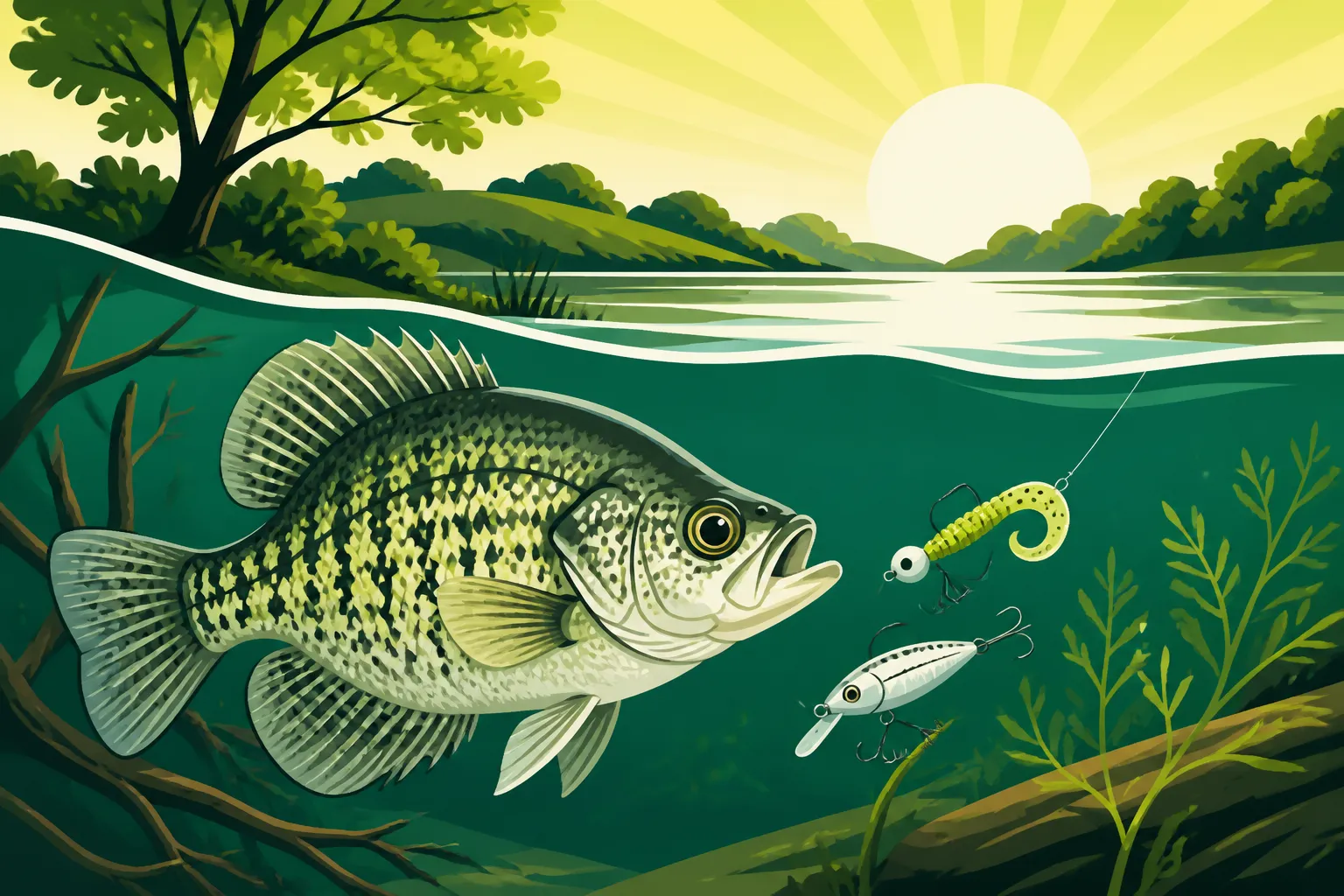
It's incredibly frustrating when those easy-to-find crappie that were just feasting in the shallow coves suddenly vanish after the spawn. One day they're everywhere, and the next, your usual spots are barren, leaving you scratching your head about where they've gone. This guide is all about unraveling the mystery of post-spawn crappie patterns in Iowa, helping you understand their movements and the best techniques to keep catching them throughout the transition to summer.
Understanding the Crappie Spawn Cycle in Iowa
To truly grasp what happens after the spawn, we first need to understand the spawn itself. Crappie, both black and white, are predictable creatures for a good chunk of the spring, making them a popular target. But once their biological imperative to reproduce is fulfilled, their behavior shifts dramatically, and if you're not clued in, you'll be left wondering what happened to all the fish.
Pre-Spawn Movements and Habits
Before the spawn kicks into high gear, typically in early to mid-spring when water temperatures nudge into the upper 40s to low 50s, crappie start to stage. This "pre-spawn" period is all about fattening up and getting ready for the arduous process of laying eggs. You'll find them congregating in areas adjacent to their eventual spawning grounds, often in slightly deeper water near creek channels, main lake points, or deeper brush piles just outside of bays. They're actively feeding, and it's an excellent time to catch large numbers of healthy fish as they prepare for their big move. They're often grouped up, making them easier to locate with electronics.
During this time, their diet is heavy on minnows and small shad, building up energy reserves. Anglers often find success by vertical jigging or slow trolling small jigs and minnows through these staging areas. Knowing these staging spots before the actual spawn is critical because, oftentimes, these are the very same areas they'll retreat to immediately after the spawn, albeit at slightly different depths. Think of them like waiting rooms outside the maternity ward; they're close by, but not quite in the thick of it yet.
The Peak Spawning Period and Locations
When Iowa's waters consistently hit the mid-50s to low 60s Fahrenheit, that's when the crappie spawn really takes off. This is the period everyone looks forward to because crappie move into incredibly shallow water, making them accessible to just about any angler. They seek out protected, shallow areas with some form of cover – think submerged brush, weed beds, lily pads, or even flooded timber. Male crappie will fan out nests, often near hard bottom or gravel, and guard them aggressively.
Common spawning grounds in Iowa include the shallow bays of big reservoirs like Rathbun Lake or Saylorville Reservoir, the protected coves of the Iowa Great Lakes, and the backwaters of the Mississippi River. During this peak, they become highly visible and aggressive, striking at nearly anything that comes near their nests. It's often when anglers can fill a livewell in short order, using simple tactics like a slip bobber with a minnow or a tiny jig suspended beneath. However, this intense, shallow-water activity is fleeting, and once the eggs are laid and fertilized, the fish begin to disperse. Understanding Crappie Fishing in Iowa can give you a broader perspective on these seasonal changes.
The Transition: From Beds to Post-Spawn
The post-spawn transition is arguably the trickiest period for crappie anglers, and it's where many get frustrated. After the exhaustive process of spawning, crappie are tired, often beat up, and their primary focus shifts from reproduction back to recovery and feeding. The first few days immediately following the spawn, they might hang out listlessly near the shallow spawning areas, almost in a daze. They're not actively feeding much, if at all, and their bites can be incredibly subtle.
As the shallows continue to warm rapidly, crappie begin a slow migration out to deeper, more stable water where oxygen levels are often better, and abundant food sources are easier to ambush. This migration isn't a sudden dash but a gradual pull, often following creek channels, old river beds, or contour lines that lead from the shallow spawning flats to more open water. They might pause on secondary points, brush piles, or other structure along these routes. This is the stage where crappie can seem to "disappear" because they're spread out and moving, making them harder to pinpoint. The key is to understand they haven't vanished; they've simply changed their zip code and daily routine.
Key Environmental Factors Influencing Post-Spawn Crappie
Crappie, like all fish, are incredibly sensitive to their environment. Post-spawn, their behavior is largely dictated by water conditions, food availability, and the types of cover and structure that offer comfort and ambush points. Ignoring these factors is like trying to find a needle in a haystack – you might get lucky, but you'll mostly come up empty.
Water Temperature and Depth Preferences
As spring officially gives way to summer in Iowa, water temperatures become the dominant driver for crappie movement. The shallow spawning flats that were once perfect in the 55-65 degree range quickly heat up, often exceeding 70 degrees Fahrenheit. This warmer water holds less oxygen and can be uncomfortable for crappie, prompting them to seek cooler, deeper retreats.
Immediately after the spawn, you might find crappie lingering in depths of 5-10 feet, especially if there's good submerged cover nearby. As summer progresses and surface temps climb, they'll often move to depths of 10-25 feet, or even deeper in larger reservoirs. The specific depth will depend heavily on the lake's thermocline (the layer where water temperature changes rapidly), which often forms in deeper Iowa lakes during summer. Crappie will typically suspend just above, within, or just below this thermocline, as this zone often offers the ideal combination of temperature and oxygen. Learning about Iowa Fishing Seasons Explained can help you anticipate these changes throughout the year.
Food Source Availability and Movement
Post-spawn crappie are focused on recovering lost energy, and that means one thing: eating. Their primary diet consists of minnows, young-of-the-year shad, and small invertebrates. These baitfish, especially shad, will often school up in open water or along main lake humps and channels. Crappie will follow these baitfish movements. If the baitfish are schooling near a particular depth or structure, you can bet the crappie won't be far behind.
The key here is pattern recognition. If you're finding crappie gorging on shad in 15 feet of water over a creek channel one day, chances are good you'll find similar results in similar areas across the lake. This also means adapting your presentation. If baitfish are small, you'll want to downsize your jigs or use smaller minnows. If they're feeding on larger shad, a slightly bigger profile lure might be more effective. Keeping an eye on what baitfish are doing on your electronics or seeing them jump on the surface can be a huge clue.
Cover and Structure Choices in Summer
Crappie, even after the spawn, are still very much a cover-oriented fish. They love to relate to structure, whether it's natural or man-made. In the post-spawn period, this typically translates to deeper forms of cover compared to their shallow spring haunts.
Look for:
- Deep brush piles and submerged timber: These are perennial crappie magnets. Often, anglers and the Iowa Department of Natural Resources (DNR) place brush piles in various lakes. Crappie will suspend in and around these structures.
- Creek channels and old riverbeds: These underwater highways are prime travel routes for crappie moving between shallow and deep water, and often hold key ambush points along their edges.
- Main lake points and humps: Points that drop off steeply into deeper water provide excellent access to both shallow and deep feeding grounds. Humps (underwater islands) offer similar benefits.
- Bridge pilings and docks: Especially those with considerable depth underneath. The shade and vertical structure can be irresistible to crappie.
- Riprap: Rock banks that extend into deeper water can hold crappie, especially if there are submerged rocks or crevices for them to hide in.
Knowing How to Find Crappie Brush Piles can be a game-changer when targeting these fish in the deeper summer months. Often, you can find coordinates for these public brush piles through local DNR resources or fishing forums.
Locating Post-Spawn Crappie in Iowa's Diverse Waters
Iowa offers a fantastic variety of fishing environments, from sprawling reservoirs to tranquil natural lakes and winding rivers. Each type of water body presents unique challenges and opportunities for finding post-spawn crappie. Adapting your search strategy to the specific characteristics of the water you're fishing is paramount.
Finding Crappie in Iowa's Natural Lakes and Reservoirs
Iowa's larger natural lakes and man-made reservoirs are often the go-to destinations for crappie anglers, and for good reason—they can hold impressive numbers of fish. In places like Clear Lake, Rathbun Lake, or even the vast waters of the Iowa Great Lakes (West Okoboji, East Okoboji, Spirit Lake), post-spawn crappie will usually migrate to the main lake basin.
On Rathbun Lake, known for its excellent crappie population, after the spawn, you'll often find them suspending over the deeper creek channels, particularly where they merge with the main lake. Look for brush piles along these channels or near main lake points. Similarly, Saylorville Reservoir Crappie Spots often include the old Des Moines River channel, especially where it snakes through the reservoir's deeper sections. Crappie will congregate on humps or the edges of this channel, relating to any submerged timber or rock piles available.
At Clear Lake, famous for its panfish, post-spawn crappie often relate to the deeper edges of weed beds that extend out into the main lake, or they'll suspend over the open water near the basin. They might also seek out rock reefs or deep-water docks. The key is to cover water, using your electronics to spot schools of baitfish or actual crappie suspended at specific depths. Don't be afraid to fish offshore; the majority of crappie fishing after the spawn happens away from the bank.
Targeting Crappie in Iowa's Rivers and Flowing Waters
Rivers, like the Mississippi River or the Des Moines River, present a different set of challenges due to current. Crappie in rivers are often found in areas with reduced current, where they can conserve energy and ambush baitfish.
On the Mississippi River, post-spawn crappie retreat to backwaters, sloughs, and protected areas behind wing dams or islands. They'll also hold in marina basins or deeper cuts where current is minimal. Look for them suspending around submerged timber, laydowns, or weed beds in these calm areas. The river's natural structure, like scour holes and deeper bends in old channels, also provides excellent post-spawn habitat. Understanding Mississippi River Pool 9 Fishing and other specific pools can give you insights into these unique riverine environments, as crappie movements can be very localized.
Smaller rivers, such as sections of the Des Moines River, may see crappie moving to deeper holes, bridge pilings, or larger submerged log jams that break the current. They might not move as far offshore as in lakes but will still seek out the deepest, most sheltered spots available. Always pay attention to current breaks and eddies; these are prime ambush points in flowing water.
Crappie in Smaller Ponds and Community Lakes
Even smaller ponds and community lakes in Iowa can hold fantastic crappie populations. After the spawn, these fish generally move to the deepest available water in the pond. This could be a depression in the center, an old creek bed, or simply the deepest end of the pond.
They will still relate heavily to cover, so focus on any submerged brush, standing timber, or even the vertical structure of a deep fishing pier or dock. In very shallow ponds, they might just spread out more and suspend in the middle, still following baitfish schools. The lack of extensive deep-water options often means they're more spread out or just slightly deeper than their spawning locations, but rarely will they vanish entirely. Anglers often have good luck with a simple cast-and-retrieve method using a small jig or minnow, covering different depths until a pattern emerges.
Effective Techniques and Baits for Post-Spawn Crappie
Once you've zeroed in on the general whereabouts of post-spawn crappie, the next step is to present them with an irresistible offering. This period often requires a more refined approach than the aggressive bites of the spawn. Precision, patience, and adapting to their mood are key.
Jigging and Pitching Strategies
Jigging is perhaps the most versatile and effective technique for post-spawn crappie. Whether you're fishing vertical directly over a school you've marked on your electronics or pitching to submerged cover, having a variety of jigs and knowing how to work them makes all the difference.
- Vertical Jigging: This is incredibly effective when crappie are tightly schooled over brush piles or suspended in open water. Use a small jig (1/16 to 1/8 ounce is common, sometimes lighter in very clear or calm conditions) with a soft plastic body or a live minnow. Drop the jig directly down to the depth where you're seeing fish. Experiment with subtle lifts and drops, holding it perfectly still, or even a slow quiver. Sometimes the slightest movement is what triggers a bite from a lethargic post-spawn crappie. Fishfinders like those from Lowrance or Garmin are indispensable here for pinpoint accuracy.
- Pitching to Cover: When crappie are holding tight to brush piles, laydowns, or dock pilings, pitching a jig accurately is crucial. Use a slightly heavier jig (1/8 to 1/4 ounce) to get it down quickly and penetrate the cover. Skip jigs under docks, or cast them precisely to the edges of submerged brush. Let it sink, feel for any taps on the fall, and then work it slowly around the cover. The "one-two punch" of letting it fall, then a slight lift, can often provoke a strike. Many anglers find a good selection of specialized crappie jigs available on Amazon, covering various weights and colors.
For more detailed strategies, consult a guide on Crappie Jig Fishing Techniques.
Trolling with Crankbaits and Jigs
Trolling is an excellent search technique for covering large areas, especially in big reservoirs or natural lakes where crappie might be spread out in open water or along channel edges. This method allows you to present multiple baits at different depths simultaneously, helping you find the crappie's preferred zone.
- Trolling Jigs: Use several rods with different colored jigs (1/16 to 1/4 ounce) tipped with minnows or soft plastics. Vary your trolling speed (typically 0.5 to 1.5 mph) until you find what the fish are reacting to. Consider using a spider rigging setup, which employs multiple rods fanned out from the boat, to maximize your coverage. This is particularly effective on lakes like Rathbun, where crappie often suspend over deep water.
- Trolling Small Crankbaits: Crankbaits designed for crappie, usually shallow-diving models that reach 5-15 feet, can be very effective, especially if crappie are actively chasing baitfish. Brands like Berkley or Strike King offer excellent crappie-sized crankbaits. The wobbling action of a crankbait can be highly enticing to post-spawn fish looking for an easy meal. Experiment with colors, matching them to local baitfish if possible. For comprehensive tips on this method, check out Trolling for Crappie in Iowa.
Live Bait Rigs for Finicky Biters
When crappie are particularly finicky or in a more neutral mood, live bait often outperforms artificial lures. A lively minnow is hard for any hungry crappie to resist, especially when they're trying to regain energy.
- Slip Bobber Rigs: A classic for a reason. This rig allows you to suspend a minnow or small jig at a precise depth without having to constantly readjust your bobber stop. It's ideal for fishing around brush piles, vertical cover, or over fish suspended in open water. The gentle movement of a struggling minnow under a slip bobber is a natural trigger.
- Carolina Rigs (Modified): While typically a bass rig, a scaled-down version can be effective for crappie. Use a small walking sinker, a swivel, and a light fluorocarbon leader (6-12 inches) with a small hook (#4 to #8) tipped with a minnow. This allows the minnow to swim naturally off the bottom or just above cover. It's great for fishing deeper humps or along channel edges where crappie might be hugging the bottom.
- Drop Shot Rigs: Another technique borrowed from bass fishing, the drop shot positions your bait (a minnow or small soft plastic) a set distance above a weight, keeping it right in the fish's strike zone. This is fantastic for targeting suspended crappie that are holding tight to a specific depth. The natural presentation and ability to keep the bait still while moving the weight can trigger bites from even the most hesitant fish.
Gear and Electronics to Master Post-Spawn Crappie Fishing
Having the right tools for the job can elevate your crappie fishing from hit-or-miss to consistently productive, especially when the fish are in their more elusive post-spawn phase. From specialized rods to advanced electronics, strategic gear choices make a real difference.
Rod, Reel, and Line Setups
Choosing the right rod, reel, and line for post-spawn crappie fishing is about balancing sensitivity with the ability to handle a spirited fight.
- Rods: A light to medium-light action spinning rod, typically 6 to 7.5 feet long, is ideal. The longer rods provide better casting distance for pitching and more leverage for fighting fish, especially when using lighter lines. A sensitive tip is crucial for detecting those subtle post-spawn bites that feel more like a "tick" than a hard strike. For spider rigging or trolling, specialized long jigging rods (8-14 feet) can be employed, allowing for multiple lines to be spread out. Many anglers find great options for these rods on Amazon.
- Reels: A small, lightweight spinning reel (sizes 1000-2500) that balances well with your rod is perfect. Smooth drag is essential, especially when fishing with light line.
- Line: For mainline, 4-6 pound monofilament or fluorocarbon is a popular choice for its stealth and forgiveness. However, many experienced anglers prefer 6-10 pound braided line with a 2-4 foot fluorocarbon leader. The braid offers superior sensitivity for detecting light bites and minimal stretch for better hooksets, while the fluorocarbon leader provides invisibility in clear water. Understanding the nuances of line choice can significantly impact your success, and checking out a guide on Best Pound Test Line for Catfish Fishing on Iowa Rivers might provide some cross-species insights into line strength.
Essential Lures and Baits
While we touched on specific techniques, let's dive a bit deeper into the general types of lures and baits that consistently perform during the post-spawn.
- Soft Plastic Jigs: These are the bread and butter for crappie fishing. Think tube jigs, grub tails, and tiny minnow imitations. Colors like chartreuse, white, black/chartreuse, and electric chicken are perennial favorites. Experiment with different tail actions – some days a subtle paddle tail works, other days a more aggressive curly tail is key. Keep a variety of sizes (1-3 inches) and weights (1/32 to 1/8 ounce) to match conditions and baitfish. For more ideas, check out Best Lures for Panfish.
- Live Minnows: Always keep a dozen or two minnows handy. Sometimes, nothing beats the real thing. Hook them lightly through the lips or just behind the dorsal fin for the most natural presentation.
- Small Crankbaits: As mentioned, crappie-sized crankbaits (1.5-2.5 inches) are fantastic for trolling and covering water. Look for models with a tight wobble and a diving depth appropriate for where the crappie are holding.
- Blade Baits and Spoons: In deeper water, small blade baits or spoons can trigger aggressive bites, especially from suspended crappie. Their flash and vibration can mimic a dying baitfish, making them irresistible.
Using Fish Finders and Mapping for Success
Modern electronics are no longer a luxury but a necessity for consistently finding post-spawn crappie, especially in larger Iowa waters.
- Sonar (2D and Down/Side Imaging): Your fish finder is your underwater eyes. Use 2D sonar to mark schools of fish and bait, and to identify the thermocline. Down Imaging provides a more photographic view directly beneath your boat, helping you distinguish brush piles from rock piles. Side Imaging is a game-changer for scanning wide swaths of water, allowing you to quickly locate submerged brush piles, timber, and schools of crappie holding off to the sides of your boat without driving directly over them. Brands like Humminbird, Lowrance, and Garmin offer excellent units with these capabilities.
- GPS and Mapping: Integrated GPS with detailed lake maps is invaluable. Use it to mark waypoints for brush piles, creek channel edges, humps, and successful fishing spots. Mapping allows you to navigate confidently, stay on contour lines, and return to productive areas with precision. Pre-loading high-definition maps from companies like Navionics or Lakemaster onto your unit can give you an edge by revealing subtle contours and structural elements you might otherwise miss. Many public fishing access points also provide excellent shore fishing opportunities, and knowing their locations can save you time.
Mastering your electronics takes practice, but the payoff in finding and catching more crappie is immense. Learning How to Read a Fish Finder for Walleye can even cross over, as the principles of identifying structure and fish schools apply across species.
Adapting to Challenging Post-Spawn Conditions
Even with the best understanding of crappie patterns and top-notch gear, Iowa weather can throw a wrench into your plans. Post-spawn crappie, still recovering from their reproductive duties, can be particularly sensitive to changes in pressure, temperature, and overall conditions. Being able to adapt on the fly is a hallmark of a successful angler.
Dealing with Post-Front Blues
One of the most frustrating scenarios for any angler is fishing after a strong cold front has blown through. Iowa is no stranger to these sudden weather shifts. A bright, sunny day with stable temperatures can quickly turn into a cool, windy, and overcast day with a significant drop in barometric pressure. This can make crappie incredibly lethargic and tight-lipped, often referred to as "post-front blues."
When faced with post-front conditions:
- Slow Down: Crappie will be less aggressive, so slow your presentation to a crawl. Vertical jigging with minimal action or a perfectly still live minnow under a slip bobber might be the only way to entice a bite.
- Go Finer: Use lighter line (4-pound test fluorocarbon is excellent here) and smaller jigs (1/32 or even 1/64 ounce). The less resistance and more natural presentation, the better.
- Seek Deeper Cover: Crappie often retreat to the thickest, deepest cover available to them when a front moves in. They might bury themselves in dense brush piles or hold tight to the bottom of creek channels.
- Adjust Your Time: Sometimes, waiting for the warmest part of the day (mid-afternoon) can make a difference, as the fish might become slightly more active as the water warms just a fraction.
Patience is your biggest virtue during these challenging times. Don't be afraid to try different depths and presentations until you find something that clicks.
Fishing During Hot Summer Days
As summer progresses, especially in late June and July, Iowa's hot temperatures can make crappie fishing feel like a grind. The surface water warms significantly, pushing crappie to deeper, cooler, and more oxygenated waters.
- Focus on Depth: This is when your fish finder becomes your best friend. Crappie will often be suspended over creek channels, riverbeds, or deep humps at specific depths, usually just above or within the thermocline. Pay close attention to what depth your electronics are telling you the fish are at.
- Early Morning/Late Evening Bites: While crappie can be caught during the day, the coolest parts of the day, dawn and dusk, often offer the most active feeding periods in summer. The lower light conditions also make them less skittish.
- Shade is Key: If you're fishing during the heat of the day, focus on areas that provide shade – overhanging trees, deep docks, or bridge pilings. The cooler water under these shaded spots can hold crappie.
- Hydrate and Protect: Remember to take care of yourself too! Hot summer days require plenty of water, sunscreen, and appropriate clothing to prevent heat exhaustion.
Understanding the "Summer Slump" and How to Overcome It
Sometimes, even after you've mastered the initial post-spawn movements, crappie can seem to enter a "summer slump" where they become less predictable and harder to catch. This isn't necessarily a permanent disappearance but more of a spreading out and adapting to consistent summer patterns.
The slump can be caused by several factors:
- Abundant Forage: With lots of new baitfish born, crappie might not need to actively hunt as much, making them less prone to striking lures.
- Stable Depths: Once they've settled into their preferred summer depths, they may not move much, making them harder to locate if you're not pinpointing their specific depth and cover.
- Fishing Pressure: Popular spots can get hammered, making fish wary.
To overcome the summer slump:
- Go Finer, Go Slower: This is always a good fallback. Downsize your tackle, slow down your retrieve, and be incredibly patient.
- Search for Unpressured Spots: Use your mapping to find lesser-known brush piles, humps, or creek channel bends that might not see as much traffic.
- Experiment with Time of Day: While early morning and late evening are usually best, some days a mid-day bite can unexpectedly turn on, especially if there's cloud cover or a light rain.
- Consider Night Fishing: Crappie are often active at night, especially in summer. Setting up lights to attract baitfish can draw crappie in for fantastic night fishing action. Check out Night Fishing Rules for Anglers to ensure you're compliant with local regulations.
Remember, crappie fishing is a journey of continuous learning. Each trip offers new insights into their behavior. By understanding these post-spawn patterns and being ready to adapt, you'll greatly increase your chances of finding those elusive Iowa crappie all summer long.
| Location Type | Typical Post-Spawn Depths (feet) | Preferred Cover/Structure | Key Techniques |
|---|---|---|---|
| Natural Lakes/Reservoirs | 10-25 (often suspended) | Creek channels, main lake points, brush piles, humps, thermocline | Vertical jigging, slow trolling (jigs/crankbaits) |
| Rivers (Mississippi, Des Moines) | 5-20 (current breaks) | Backwaters, sloughs, wing dams, bridge pilings, log jams | Vertical jigging, pitching to cover, slip bobbers |
| Smaller Ponds/Community Lakes | 5-15 (deepest available) | Submerged brush, standing timber, deep docks, center depressions | Slip bobbers, cast-and-retrieve jigs |
Disclaimer
Fishing regulations can change, and it's always your responsibility to check the latest Iowa Department of Natural Resources (DNR) rules and regulations before heading out. This guide provides general information and best practices, but specific limits and regulations for species, seasons, and locations may vary.