Walleye Fishing Techniques for Iowa Rivers
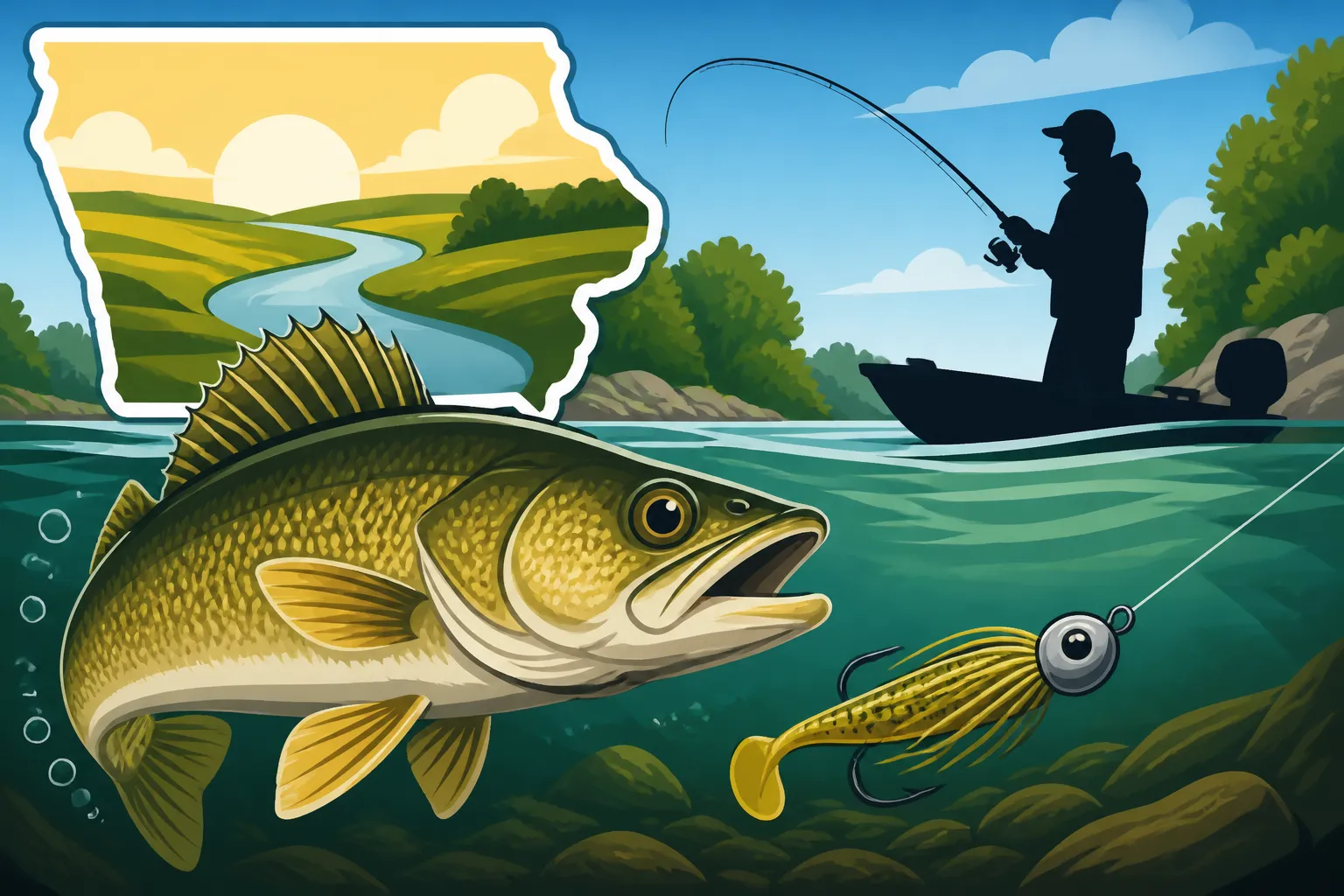
Getting walleye to bite in Iowa's rivers can feel like cracking a secret code. Unlike their lake-dwelling cousins, river walleye are constantly on the move, influenced by current, fluctuating water levels, and an ever-changing buffet of forage. If you've ever felt frustrated chasing these elusive fish in flowing water, you're not alone. This comprehensive guide will break down the specific behaviors, essential gear, and proven techniques to help you consistently put Iowa river walleye in your net.
Understanding Iowa River Walleye Behavior
River walleye are a breed apart, constantly adapting to the dynamic environment of flowing water. Their behavior is intrinsically linked to the current, structure, and available food sources that define their riverine homes. To consistently catch them, you first need to think like them.
Current and Habitat Preferences
Iowa's rivers, from the mighty Mississippi to smaller tributaries like the Des Moines and Cedar, offer a diverse range of currents and habitats. Walleye in rivers are masters of energy conservation. They won't expend unnecessary energy fighting strong currents if they don't have to. Instead, they seek out "current breaks" – areas where the water flow is significantly reduced or even reversed. This could be behind a large boulder, along the edge of a wing dam, in an eddy created by a point, or in the calmer waters of a back eddy. These current breaks provide them with a resting area while still allowing them easy access to food that drifts by in the main current.
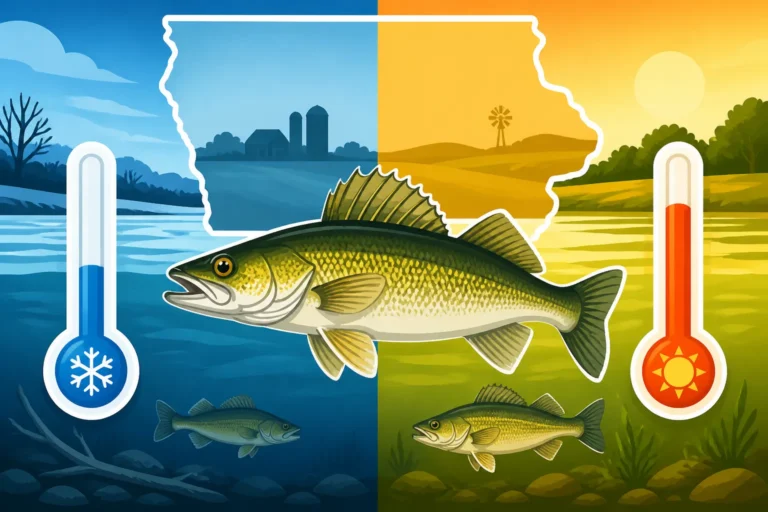
Understanding this preference is key. Imagine a walleye positioned just out of the main flow, hidden from predators and waiting for an easy meal. They prefer hard bottom, like rock, gravel, or sand, often found in these current-buffered zones. Silt and soft mud generally don't appeal to them, though they might move into softer bottom areas if forage is abundant there, especially in deeper holes. Water temperature also dictates their depth. In colder months, they'll gravitate towards deeper pools and slack water, while in warmer periods, they might hold in shallower, oxygenated riffles or near cooler inflowing creeks.
Foraging Habits and Prime Feeding Times
River walleye are opportunistic predators, and their diet largely consists of whatever baitfish are abundant in their specific stretch of river. This can include shiners, shad, smaller suckers, or even juvenile panfish. They also aren't shy about eating crayfish, leeches, and aquatic insects. Their feeding behavior is often tied to low-light conditions, making dawn, dusk, and cloudy days prime times to target them. Many experienced anglers also swear by night fishing for river walleye, especially during the warmer months when they feel more secure moving into shallower areas to hunt.
The river's flow can also dictate feeding activity. After a rain, when water levels rise and become turbid, walleye might move closer to shore or into shallower flats to ambush disoriented baitfish. Conversely, during periods of stable, clear water, they might hold tighter to deeper structure. Keeping an eye on local conditions, river gauges, and water clarity will give you a significant advantage. Remember, walleye have excellent low-light vision, which gives them an edge over their prey, particularly when the river is stained. This means they can hunt effectively even when you can barely see your lure.
Essential Gear for River Walleye Success
You wouldn't bring a butter knife to a sword fight, and the same goes for river walleye fishing. The unique challenges of current, snags, and potentially larger, stronger fish demand a specific setup. Having the right rods, reels, line, and terminal tackle is non-negotiable for success and minimizing frustration.
Rods, Reels, and Line Choices
For river walleye, versatility is often your best friend. A medium-light to medium power spinning rod, typically in the 6'6" to 7'6" range, is a popular choice. This length provides good casting distance for shore anglers and allows for precise jigging control from a boat. The action should lean towards fast or extra-fast, which means the rod bends mostly at the tip. This sensitivity is crucial for detecting subtle walleye bites in current, which often feel less like a thump and more like a slight pressure or weight. For specific situations, like heavy current or casting larger baits, a medium-heavy rod might be necessary. If you're looking to upgrade, you can find a Best Rod Length for Iowa River Walleye Fishing for various techniques on Amazon, offering a wide selection of brands and price points.
Matching your reel to your rod is important for balance. A 2000 or 2500 series spinning reel is generally perfect, offering a smooth drag and enough line capacity. When it comes to line, many river anglers swear by braided line for its incredible sensitivity and strength-to-diameter ratio. A 10-20 lb test braided main line is common, often paired with a 6-10 lb fluorocarbon leader. The braid lets you feel every tick and bump on the bottom, while the nearly invisible fluorocarbon leader is less detectable to wary walleye and offers abrasion resistance against rocks and logs. Others prefer a good monofilament line, especially for trolling, citing its stretch as a benefit when a fish strikes aggressively.
Must-Have Lures and Baits
The tackle box of a successful Iowa river walleye angler often resembles a mini-arsenal. Jigs are foundational, coming in various weights (1/8 oz to 1 oz, depending on current) and colors. Think about the Best Lure Color for Muddy Water – often chartreuse, orange, or bright greens – and more natural tones for clear water. Pairing jigs with soft plastic trailers like twister tails, paddle tails, or minnow imitators is a classic combo. Live bait, especially minnows, shiners, or nightcrawlers, can be deadly when presented on a jig or a live bait rig. Speaking of live bait, you can find more specific recommendations in our guide on the Best Live Bait for Iowa Walleye.
Crankbaits are another essential, particularly for trolling or casting in shallower runs. Shad-imitating crankbaits like those from Rapala, Berkley, or Strike King that dive to appropriate depths for the water you're fishing are effective. Experiment with colors, from natural baitfish patterns to brighter firetiger or clown patterns for stained water. Blade baits and jigging spoons also have their place, especially in deeper holes or when walleye are suspended. Don't forget spinner rigs or crawler harnesses, especially for drifting or slow trolling. These rigs, often adorned with beads and blades, create flash and vibration that can trigger bites.
Essential Accessories for River Anglers
Beyond your primary rod and reel, a few key accessories will make your river walleye trips safer and more productive. First, a good quality landing net with a rubberized mesh is crucial. This helps protect the fish if you plan to release them and prevents treble hooks from getting tangled, which can be a real headache. Next, a pair of fishing pliers (preferably multi-tool style with cutters) is invaluable for removing hooks, cutting line, and general rigging. A sturdy tackle bag or box that can withstand some splashing and keep your gear organized is also a must.
If you're fishing from a boat, a reliable anchor system is non-negotiable to hold your position in current, especially when jigging specific spots like a wing dam. A boat-mounted fish finder, even a basic one, can help you locate structure, baitfish, and potentially walleye in deeper sections of the river. For shore anglers, a portable depth finder or even just a good map of the river bottom can give you an edge. And of course, don't forget essentials like polarized sunglasses to reduce glare and spot subtle changes in water color or submerged structure, sunscreen, insect repellent, and plenty of water.
Top Techniques for River Walleye Fishing
Fishing for walleye in rivers requires a blend of finesse and brute force. The current plays a constant role, demanding specific techniques to present your bait effectively and feel those often-subtle bites. Forget just casting and reeling; river walleye fishing is an art form.
Jigging the Current Seams
Jigging is arguably the most iconic and effective technique for river walleye, and for good reason. Walleye often position themselves in current seams, which are the boundaries between faster and slower water. These are prime ambush points. The goal of jigging is to present your lure naturally, mimicking a wounded baitfish or crawfish drifting along the bottom. Use a jig heavy enough to maintain bottom contact without being swept away too quickly, but light enough to feel sensitive. This often means using 1/4 to 1/2 ounce jigs in moderate current, potentially heavier in stronger flows.
Cast your jig upstream and slightly quartering across the current. Allow it to sink to the bottom, then lift your rod tip a foot or two, letting the jig hop or "drift" downstream with the current. This is where the sensitivity of braided line and a fast-action rod really shines. You're not just lifting and dropping; you're trying to maintain a controlled drift, feeling for every bump, rock, and most importantly, the soft "thump" or added weight that signals a walleye bite. Many successful anglers use soft plastics, often a paddle tail or twister tail, on their jigs. For those looking to refine this technique, our guide on Jigging Techniques for River Walleye offers even deeper insights.
Trolling and Drifting Strategies
While jigging is precise, trolling and drifting allow you to cover more water, which can be essential when trying to locate scattered schools of walleye. Trolling involves using your boat's motor (or a quiet trolling motor) to pull lures, typically crankbaits or spinner rigs, at a slow, controlled speed. The key here is to match your lure's diving depth to the depth where you expect walleye to be holding. For instance, if walleye are in 8-10 feet of water near a channel edge, you'll want a crankbait that consistently runs in that range.
Drifting involves letting the river's current do the work. You might use a controlled drift with a drift sock or by intermittently using your trolling motor to slow your progress. This is particularly effective with live bait rigs, such as a three-way rig with a bottom-bouncing weight and a minnow, or a simple Lindy Rig with a walking sinker and a crawler. You're essentially letting your bait follow the contours of the river bottom, presenting a natural offering to walleye waiting in ambush. Pay close attention to your rod tip; a walleye bite while drifting live bait is often a subtle "tick" or a gradual loading of the rod, rather than an aggressive strike.
Casting to Structure and Shorelines
River walleye often relate to visible and invisible structure. Casting techniques allow you to precisely target these areas from a stationary boat or from shore. Look for obvious current breaks like submerged rock piles, bridge pilings, log jams (exercising caution to avoid snags), and eddies behind points of land. For bank anglers, deep holes close to shore, current seams along riprap, or the downstream side of any obstruction can be highly productive.
Using crankbaits, swimbaits, or even heavy jigs, cast beyond the target structure and retrieve it to interact with the fish's holding zone. When casting crankbaits, vary your retrieve speed and incorporate pauses to entice strikes. For jigs, a cast-and-retrieve method with a short hop or drag along the bottom can be effective. Remember, walleye are often tucked right into or behind these structures, waiting for food to wash by. The goal is to put your lure right in their face. This also ties into mastering the current, which we'll discuss next.
Mastering River Structure and Current
The heart of river walleye fishing lies in understanding the complex interplay of structure and current. Iowa's rivers are dynamic, constantly shaping and reshaping their beds. Learning to "read the water" and identify key holding areas is a skill that takes time but pays off immensely.
Identifying Prime Walleye Holding Areas
Walleye in rivers don't just hang out anywhere; they have very specific preferences for where they position themselves. Beyond current breaks, they seek out variations in bottom contour and composition. Deep holes and river bends are classic walleye haunts. As the river carves its path, it often creates deeper pools on the outside bends. Walleye will stack up in these depressions, especially in colder water, where they can escape strong current and find stable temperatures. Submerged humps, islands, or even small rock piles on a flat bottom can also be walleye magnets, as they provide an ambush point and a current break.
Another key area is the river channel itself, particularly its edges. Walleye will often hug the seam where the main channel drops off into deeper water. They can sit just over the lip, darting out to grab prey, or patrol along the drop-off. Any significant change in bottom type, from sand to rock or gravel, can also hold fish. Think of bridge pilings, old submerged roadbeds, or even subtle depressions created by years of current flow. Using a good mapping application or a fish finder can help pinpoint these subtleties.
Reading the Water and Current Breaks
You don't always need electronics to find walleye; your eyes can be powerful tools. Learning to "read the water" is an invaluable skill for any river angler. Look for visual cues that indicate changes in current: foam lines, eddies, slack water behind obstructions, or even subtle ripples on the surface that suggest a change in depth or bottom structure. Foam lines, in particular, often mark the boundary between fast and slow water – a prime current seam where walleye might be resting and feeding.
Current breaks are your primary target. These are areas where the water flow is significantly reduced, offering relief to walleye. This includes the downstream side of islands, large boulders, bridge pilings, or fallen trees. The deeper the current break, often the more fish it will hold, as it provides both shelter and an ambush point. Eddies, where the water swirls back upstream, are also excellent spots, as they trap baitfish and provide a comfortable zone for walleye. Paying attention to these visual clues will allow you to quickly assess a stretch of river and identify high-percentage spots before you even make a cast.
Fishing Wing Dams and River Bends
Wing dams are artificial structures found in many larger Iowa rivers, especially the Mississippi River, designed to constrict the flow and maintain a deeper channel. They are absolute walleye magnets. Walleye will congregate on the upstream side, near the current wash-over, and especially on the downstream side in the eddy created by the dam. The deeper the water adjacent to the wing dam, and the more pronounced the eddy, the better. Our guide on How to Fish a Wing Dam for Walleye dives deeper into effective strategies for these structures.
River bends, as mentioned, are also prime real estate. The outside bends typically feature deeper water and stronger currents, often eroding a deeper channel, while inside bends tend to be shallower with slower currents. Walleye will often hold on the outside bend, particularly along the deeper edge where the current is just a bit less aggressive, or in the very deepest part of the scour hole. During periods of high flow, they might retreat to the slacker water of the inside bends if there's enough depth. Pay attention to how the current flows around these bends; it creates seams and eddies that are irresistible to walleye.
| Technique | Description | Optimal Conditions | Common Lures/Baits | Typical Locations |
|---|---|---|---|---|
| Jigging | Hopping/dragging a weighted lure along the bottom, mimicking baitfish. | Moderate to strong current, clear to stained water. | Jigs (1/8-1 oz) with soft plastics, live minnows, crawlers. | Current seams, behind wing dams, deep holes, bridge pilings. |
| Trolling | Pulling lures behind a boat at slow speeds to cover water. | Open water, channel edges, flats. | Deep-diving crankbaits, spinner rigs, stickbaits. | Main channel, large flats, downstream from major structures. |
| Drifting | Letting current move boat/bait naturally, often with weights. | Varying current, target scattered fish. | Live bait rigs (Lindy, three-way), jigs with live bait. | Long stretches of river, subtle depth changes, current seams. |
| Casting | Targeted casts to specific structure from stationary position. | Visible/known structure, calmer areas, shore access. | Crankbaits, jigs, swimbaits, blade baits. | Log jams, riprap, submerged boulders, bridge pilings, eddies. |
Seasonal Considerations for Iowa River Walleye
Just like us, walleye's behavior changes with the seasons. The biting cold of winter, the burgeoning life of spring, the heat of summer, and the cool crispness of fall all dictate where walleye will be and what they're willing to eat. Adapting your approach to the time of year is critical.
Spring Run and Pre-Spawn Tactics
Spring is often the most anticipated time for river walleye anglers, primarily because of the famous "walleye run." As ice recedes and river temperatures begin to climb into the low 40s (Fahrenheit), walleye migrate upstream to spawn. They'll stage in deeper holes and current breaks just downstream from spawning grounds like rocky reefs, riprap, or gravel flats. This is a period of intense feeding as they bulk up for the spawn. During the actual spawn, which typically occurs when water temperatures reach 42-48°F, fishing can be tough as their focus shifts entirely to reproduction. However, the pre-spawn staging can offer incredible action.
Popular techniques during the spring run include jigging with live minnows or large soft plastics, often in vibrant colors. Blade baits and jigging spoons can also be effective when fish are concentrated in deeper pools. Focusing on areas like the mouths of tributaries, dam tailwaters, and the first major current breaks downstream from known spawning areas can be highly productive. Keep a close eye on the Iowa Walleye Season Opening Day and local regulations, as these can vary by river section. Remember that fish are often stressed during this time, so handle them carefully, especially the larger females, if you plan to release them.
Summer Patterns and Low Water
Summer can be a challenging but rewarding time for river walleye. As water temperatures rise, walleye often become less active during the day, retreating to deeper, cooler water, or finding refuge in shade. Early mornings, late evenings, and night fishing become prime opportunities. During the day, look for them in the deepest holes, beneath strong current breaks, or around submerged structure that offers shade and cooler temperatures. This might include large log jams or the deep scour holes below dams.
Low water conditions, which are common in many Iowa rivers during summer, can concentrate fish but also make them warier. When water levels drop, walleye often pull into the main river channel, seeking the deepest available water or areas with the strongest remaining current. Trolling crankbaits along channel edges, particularly at night, can be very effective. Drifting live bait, like nightcrawlers or large leeches, through deep current seams is another proven summer tactic. Pay attention to how the current dictates their location, and don't be afraid to fish smaller pockets of deeper water that might hold fish during these leaner times.
Fall Feeding Frenzy
Just like in spring, fall sees a resurgence in walleye activity as water temperatures begin to drop and fish start to feed aggressively in preparation for winter. This "fall feeding frenzy" can offer some of the year's best fishing. Walleye will move into shallower areas to chase baitfish, which are also very active at this time. Look for them on flats adjacent to deeper water, along rocky points, or in current seams where baitfish are abundant.
Techniques often mirror those of spring, with an emphasis on covering water and presenting larger baits. Trolling larger crankbaits that imitate shad or suckers can be highly effective, especially in the main channel or along prominent current breaks. Jigging with larger soft plastics or live minnows also shines, particularly in areas where walleye are congregating. As autumn progresses and water temperatures dip into the 40s, walleye will start to move into their wintering holes, often the same deep pools they'll use during the coldest months. Understanding How Deep to Fish for Walleye in Spring can also give you clues about their fall staging depth.
Important Considerations and Regulations
Before you hit the water, it's always smart to brush up on the rules. Iowa has specific regulations designed to protect our precious fisheries and ensure everyone has a fair shot at a great day on the water.
License Requirements and Daily Limits
Every angler 16 years and older needs a valid Iowa fishing license to fish in public waters. Non-residents also need a license, and while they pay a bit more, the access to Iowa's diverse fisheries is well worth it. You can easily purchase your license online through the Go Outdoors Iowa system or from authorized vendors across the state. It's always a good idea to check the current Iowa Fishing Regulations Explained booklet or the Iowa DNR website for the most up-to-date information.
When it comes to walleye, pay close attention to the Walleye Season and Size Limits as well as daily bag limits. These regulations are in place to ensure sustainable populations for future generations. For instance, there might be minimum length limits for walleye, meaning any fish shorter than that must be immediately released. Exceeding the daily bag limit or keeping undersized fish can result in hefty fines, so always err on the side of caution. If you're fishing border rivers like the Mississippi, there might be reciprocal agreements with neighboring states, but it's crucial to understand those specific rules too. Also, be aware of how to correctly How to Tell a Walleye From a Sauger, as these two species can look similar but often have different regulations.
River Safety and Etiquette
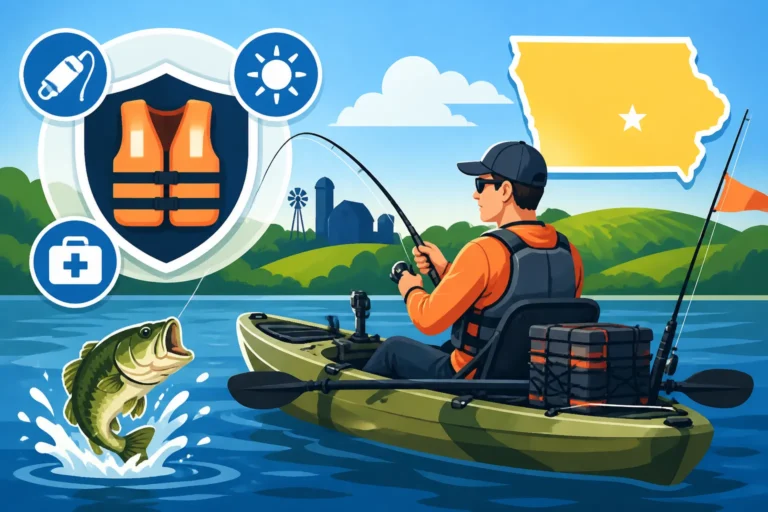
Fishing on a river presents unique challenges and safety considerations that aren't always present on lakes. Current can be powerful and unpredictable, especially after heavy rains. Always wear a life jacket, even if you're an experienced boater or swimmer. Be aware of submerged hazards like log jams, rock piles, and wing dams that can damage your boat or cause an accident. If you're wading, always use a wading staff and be aware of how quickly the bottom can drop off or the current can sweep you.
Respect for other anglers and the environment is paramount. Maintain a respectful distance from other boats or shore anglers, especially if they've found a productive spot. Never litter; pack out everything you pack in, and perhaps even a little extra. Proper fish handling is also part of good etiquette. If you plan to release a fish, do so quickly and gently, minimizing its time out of water. These small acts contribute to a positive experience for everyone on the water. For those who want to explore more about specific river fishing, our guide on Fishing the Mississippi River in Iowa covers additional considerations for that significant waterway.
Disclaimer
Please note that fishing regulations, conditions, and fish populations can change. Always consult the official Iowa Department of Natural Resources (DNR) website or their current fishing regulations booklet for the most up-to-date and accurate information before planning your fishing trip. This guide is for informational purposes only and should not replace official sources.