Do You Need a Fish Finder for River Fishing?
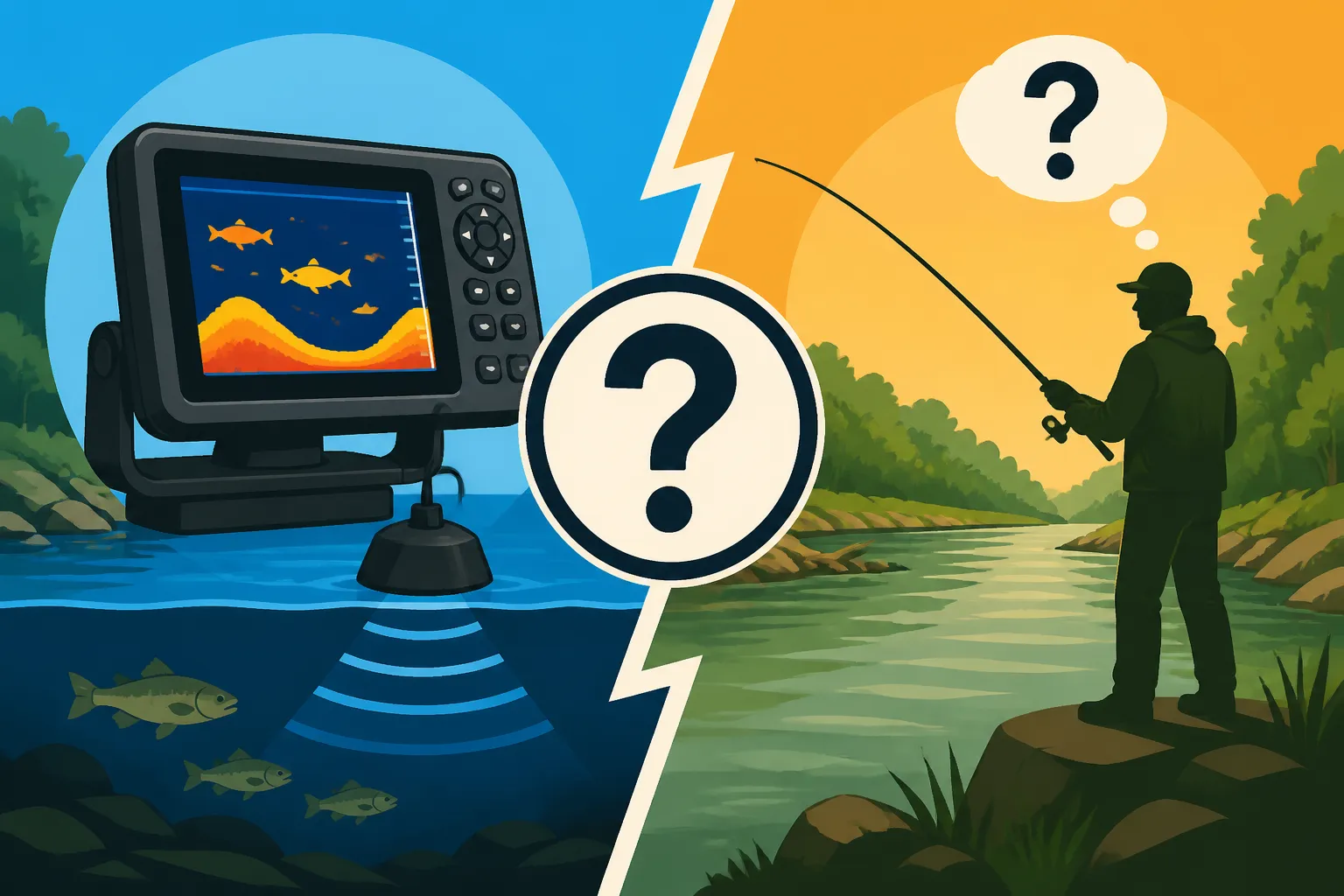
It's a common dilemma for Iowa anglers venturing out onto our winding rivers: do I really need a fish finder, or is it just another expensive gadget? Many seasoned river rats swear by their ability to "read the water," while newcomers feel overwhelmed by the sheer volume of choices. This guide will help you understand whether a fish finder is a necessary tool for your river fishing adventures in Iowa, exploring its benefits, alternatives, and when it truly shines.
The Core Question: Is a Fish Finder Necessary for Iowa River Fishing?
Let's cut right to it: no, a fish finder isn't strictly necessary for river fishing in Iowa. Anglers have been successfully catching fish in the Des Moines River, the Cedar River, and even the mighty Mississippi for generations without any electronic assistance. However, while not essential, a fish finder can absolutely revolutionize your approach, especially if you're looking to consistently find and catch more fish in complex river environments. It's about efficiency, understanding, and frankly, a bit of an unfair advantage in certain situations.
Understanding "Necessary" vs. "Advantageous"
The word "necessary" implies you can't do something without it. And that's just not true for fishing. You can grab a rod, some bait, and head to your favorite stretch of the Iowa River and have a perfectly lovely and productive day. For many, that's the pure joy of it. But "advantageous" means it gives you a significant edge, helping you achieve better results or understand the environment more deeply. This is where a fish finder comes in. It provides real-time, subsurface intelligence that your eyes alone can't gather. Think of it like trying to navigate a dark room versus turning on a flashlight. You can navigate in the dark, but the flashlight makes it a whole lot easier and safer.
The Old School Approach: How Anglers Found Fish Before Electronics
Before the advent of sophisticated sonar, river anglers relied heavily on observation, experience, and tactile feedback. They'd learn to "read the water" by looking for current breaks, eddies, snags, and changes in water color. They'd use heavy jigs or bottom-bouncing rigs to feel the riverbed, mapping out gravel bars, rock piles, and submerged timber with their rod tip. Local knowledge, shared through generations or passed down at bait shops, was invaluable. A lifetime of casting and exploring a particular stretch of the Mississippi River Pool 9 Fishing or other Iowa rivers would build an internal mental map, pointing to where the Walleye Fishing in Iowa or Channel Catfish Fishing in Iowa were likely to be holding. This traditional approach is still incredibly effective and forms the foundation of all good angling, even with electronics.
When a Fish Finder Becomes a Game Changer on Iowa Rivers
While you can fish without one, a fish finder truly shines on Iowa rivers, offering insights that are almost impossible to gain otherwise. The dynamic nature of rivers – fluctuating water levels, shifting bottoms, and strong currents – makes subsurface reconnaissance incredibly valuable.
Unveiling Hidden Structure
Rivers are full of secrets beneath the surface. What looks like a calm stretch of water from your boat or the bank could actually be hiding a maze of submerged logs, massive rock piles, or drastic depth changes that fish absolutely love. These are prime ambush points and current breaks that offer fish respite from the flow. A fish finder, especially one with side-imaging capabilities, literally paints a picture of these hidden structures. You can spot that perfect log jam where big Flathead Catfish Habitat and Behavior might be lurking, or a subtle change in bottom composition that indicates a prime feeding flat for Walleye Identification and Habitat in Iowa. Without a fish finder, finding these spots often involves blindly casting, snagging, and potentially losing valuable tackle, or simply passing them by unknowingly.
Targeting Specific Depths and Currents
River fish are highly attuned to current and depth. Different species prefer different speeds of water flow and specific depths depending on the season, time of day, and feeding patterns. For example, during high water, Smallmouth Bass Habitat on the Mississippi River might move into shallower, slacker water to avoid the main current, while during low water, they might tuck into deeper holes. A fish finder allows you to instantly see the depth beneath your boat and, with a little experience, gauge how fish are positioned relative to the current. You can pinpoint a specific depth where you're seeing baitfish and target that exact zone with your lure, rather than guessing. This precision can be the difference between a slow day and a banner day, especially when you're trying to figure out How Deep to Fish for Walleye in Spring.
Identifying Baitfish and Predator Presence
One of the most immediate benefits of a fish finder is its ability to show you baitfish schools and larger predator fish. If you mark a massive ball of shad or minnows on your screen, you can bet that bigger fish aren't far behind. Conversely, if you're fishing a seemingly ideal spot but see no baitfish or fish arches, you might be wasting your time. A fish finder helps you confirm that life is present in an area, saving you valuable casting time on barren water. It’s like having an x-ray vision into the river, showing you the underwater food chain in action. Recognizing these patterns across different locations helps you build a mental library for future trips to diverse locations like Fishing the Des Moines River in Iowa or Fishing the Mississippi River in Iowa.
Types of Fish Finders Suited for Iowa River Anglers
The market for fish finders is vast, but several types are particularly well-suited for the varied conditions of Iowa's rivers, catering to different fishing styles and budgets. You don't always need the most expensive unit to get the job done.
Portable and Castable Units
For the bank angler, kayaker, or small boat owner who doesn't want to permanently mount electronics, portable and castable fish finders are a fantastic solution. These compact devices often sync with your smartphone or tablet, displaying sonar readings on a familiar screen. Castable units, like some from popular brands found on Amazon, can be literally cast out with your rod and reel, giving you a quick snapshot of the bottom structure and fish presence in a specific area. This is great for scouting new spots or when you're Shore Fishing Access Near Des Moines. Portable units usually clamp onto the transom of a small boat or a kayak, offering continuous readings. They're generally more affordable and don't require any complex installation, making them perfect for those just dipping their toes into the world of electronic fishing aids.
Mounted Units for Larger Boats
If you're operating a larger jon boat, bass boat, or even a pontoon on a wider river like the Mississippi, a permanently mounted fish finder system is often the way to go. These units typically feature larger, more detailed screens and often come with advanced capabilities like Down Imaging, Side Imaging, and integrated GPS with mapping. Brands like Humminbird, Lowrance, and Garmin are popular choices, offering models that can map the river bottom in incredible detail, allowing you to mark waypoints for hidden structure or track your drifts. These systems offer superior processing power and transducer performance, providing clearer, more accurate readings in deeper or faster-moving water. They're an investment, but for serious river anglers, they pay dividends in increased efficiency and success.
Key Features to Look For
When considering a fish finder for river use, keep these features in mind:
- 2D Sonar: This is the traditional "fish arch" view, showing depth and what's directly beneath your transducer. Essential for basic fish detection.
- Down Imaging/DownScan: Provides photo-like images of what's directly below, making it much easier to distinguish submerged timber from rock piles or schools of bait.
- Side Imaging/SideScan: This is arguably the most powerful tool for river fishing. It shoots sonar beams out to the sides of your boat, allowing you to scan vast areas of the riverbed for structure and fish without having to drive directly over them. This is invaluable for finding hidden channels, wing dams, or brush piles along banks.
- GPS and Mapping: Integrated GPS allows you to mark waypoints on productive spots, navigate safely, and follow contour lines if available. Preloaded maps or the ability to create your own custom maps (like those often used when Fishing the Iowa Great Lakes) are incredibly useful for complex river systems.
- CHIRP Sonar: This advanced technology sends a range of frequencies, offering better target separation and clearer images, especially in deeper water or strong currents.
Fishing Iowa Rivers Without a Fish Finder: Skills and Strategies
Just because fish finders are powerful doesn't mean you can't be incredibly successful without one. Many highly skilled Iowa anglers rely solely on their knowledge, observation, and intuition. Developing these "analog" skills will make you a better angler, even if you eventually decide to use electronics.
Reading the River
Learning to "read the river" is an art form. It involves observing surface clues that betray what's happening underneath. Look for:
- Current Seams: Where fast-moving water meets slower water. Fish often hold in the slower water, waiting for food to be swept by in the faster current. These are often visible as subtle lines or ripples on the surface.
- Eddies: Swirling pockets of slack water behind obstacles like bridge pilings, fallen trees, or bends in the river. Fish use these as resting areas and ambush points.
- Foam Lines and Debris: Accumulations of foam or floating debris can indicate current breaks and often mark deeper channels or underwater structures.
- Water Color Changes: A sudden change from murky to clearer water can signify a different current flow or depth.
- Submerged Cover: Look for signs of fallen trees, log jams, or rock outcroppings along the bank that likely extend into the water, providing fish habitat.
Mastering this skill is fundamental whether you're targeting Smallmouth Bass Fishing in Iowa or looking for Catfish Limit on the Mississippi River.
Using Topographical Maps and Local Knowledge
Before GPS units and sophisticated fish finders, anglers poured over paper topographical maps (often called "topo maps" or "navigational charts"). These maps show depth contours, channels, sandbars, and prominent structures. Even today, they remain incredibly useful. Pair this with local knowledge – talking to bait shop owners, other anglers, or joining online fishing forums. These resources can provide invaluable insights into productive areas, recent catches, and specific patterns for different times of the year, like during the Spring Walleye Run Techniques in Iowa. Don't underestimate the power of a friendly chat at the local bait shop; that old-timer might just tell you exactly where the Best Fishing Spots on the Des Moines River Downtown are.
The Art of Fan Casting and Probing
Without a fish finder to tell you where the fish are, you have to find them yourself, often through systematic exploration. "Fan casting" involves casting your lure in a fan-like pattern, covering a wide area from a single spot. This increases your chances of hitting an active fish or a hidden piece of structure. "Probing" the bottom with a jig or a heavy weight is another classic technique. By slowly dragging or hopping your lure, you can feel changes in bottom composition – soft mud, gravel, rock, or wood. This tactile feedback helps you build that mental map of the riverbed, informing where you should focus your efforts and giving you a better idea of How Deep to Fish for Walleye in Spring.
Weighing the Pros and Cons of River Fish Finders
Deciding whether to invest in a fish finder for your Iowa river fishing adventures comes down to a personal balance of cost, convenience, and fishing style. Let's break down the advantages and disadvantages.
Advantages: Efficiency, Precision, Learning Curve Reduction
The primary advantage of a fish finder is the incredible boost in efficiency. Instead of blindly searching, you can quickly scan an area, locate promising structure, identify baitfish, and even mark individual fish. This saves precious time and greatly reduces frustration, especially on large, complex rivers. The precision it offers is unmatched; you can drop a lure directly onto a specific brush pile or target a fish you see holding near a channel edge. For beginners, a fish finder can significantly reduce the learning curve. It helps you understand what's happening beneath the surface, connecting what you see on the screen to your catches. This visual feedback accelerates your understanding of fish behavior and habitat, making you a more skilled angler faster. It can also enhance safety by helping you navigate shallow areas or avoid submerged hazards, particularly useful when How to Register a Boat in Iowa is on your mind.
Disadvantages: Cost, Distraction, Reliance Over Skill
Of course, there are downsides. The most obvious is cost. A decent fish finder, especially one with advanced features like side imaging, can be a significant investment, ranging from a couple of hundred dollars to well over a thousand. For casual anglers, this might be hard to justify. Another potential issue is distraction. It's easy to get caught up staring at the screen, looking for "the perfect arch," and forgetting to actually fish. Fishing should be an immersive experience, and constantly monitoring electronics can detract from simply enjoying the river. Finally, there's the risk of reliance over skill. While a fish finder is a tool, it's not a substitute for developing fundamental angling skills like reading the water, understanding fish behavior, and knowing how to present your bait effectively. Over-reliance can stunt your growth as an angler, making you less adaptable when electronics aren't available or malfunction.
Comparing River Fishing With and Without a Fish Finder
Here's a quick comparison to help you visualize the differences in your approach:
| Feature/Aspect | Fishing WITHOUT a Fish Finder | Fishing WITH a Fish Finder |
|---|---|---|
| Primary Method | Reading surface clues, local knowledge, tactile probing. | Sonar interpretation, GPS waypoints, real-time depth and structure. |
| Finding Structure | Visual observation (surface boils, current breaks), feeling bottom with lure. | Detailed display of submerged logs, rock piles, contour lines, channels. |
| Locating Fish | Guessing based on habitat, fan casting, experience. | Direct detection of fish arches, bait balls, and specific depths. |
| Efficiency | Slower, more exploratory; requires patience and persistence. | Faster, more targeted; reduces time on unproductive water. |
| Learning Curve | Steeper; builds intuition over time through trial and error. | Faster visual feedback; helps connect actions to results. |
| Cost | Minimal initial investment beyond basic gear. | Significant initial investment for unit and installation. |
| Adaptability | Highly adaptable; works in any condition, no power needed. | Relies on power and working electronics; potential for distraction. |
| Satisfaction | Deep satisfaction from mastering natural cues. | Satisfaction from strategic, precise targeting and higher catch rates. |
Ultimately, the choice of whether to use a fish finder for river fishing in Iowa comes down to your personal goals and fishing style. For some, the traditional approach is part of the charm, and the challenge of "outsmarting" the fish with wits alone is paramount. For others, the efficiency and insight offered by a fish finder are too valuable to pass up, transforming their experience and boosting their success on the water. Many anglers find a balance, using the electronics as a powerful aid to complement their hard-earned knowledge of Iowa's beautiful rivers.
Disclaimer
This article is for general informational purposes only and does not constitute professional advice. Laws, prices and regulations vary by location and change over time. Consult a qualified professional for guidance on your specific situation.