Ice Fishing in Iowa
For many of us, the sight of a frozen lake means packing away the fishing rods and dreaming of warmer weather. But if you’re an Iowa angler, freezing temperatures open up a whole new world of adventure: ice fishing. The idea of battling the elements can feel overwhelming, especially when you're unsure about safety, specialized gear, or where the best spots are. This comprehensive guide is designed to cut through the ice of confusion, equipping you with all the knowledge to safely and successfully enjoy ice fishing across Iowa.
The Allure of Ice Fishing in Iowa
There’s something truly magical about stepping onto a frozen expanse, drill in hand, knowing that a vibrant world of fish lies just beneath your feet. While it might seem daunting from the comfort of a warm home, ice fishing offers a unique angling experience that’s distinct from open-water fishing, providing both tranquility and exhilarating moments. It's an activity that truly embraces the spirit of winter, allowing anglers to extend their passion for fishing well beyond the typical warm-weather seasons.
The Thrill of Hardwater Angling
The quiet solitude of a snow-covered lake, broken only by the crunch of your boots or the whir of an auger, is a profound experience that draws many to the hardwater. Unlike the often busy boat ramps and bustling shorelines of summer, ice fishing offers a sense of peace and intimacy with nature. You’re often closer to the fish, too, as they tend to congregate in predictable patterns under the ice, making for focused and intense fishing.
Imagine drilling a hole, dropping your line, and watching your sonar screen come alive as fish approach your bait. The anticipation of a subtle bite, a faint twitch of the rod tip, or the sudden snap of a tip-up flag against the crisp winter air, creates an adrenaline rush unlike any other. When you finally reel in a hefty walleye or a stringer full of plump crappie, the reward feels even greater, knowing you outwitted them in their winter domain. For many, it's also a deeply social activity, with families and friends gathering in warm shelters, sharing stories, laughter, and the warmth of a portable heater while they wait for the next bite.
Overcoming Winter's Challenges
Let's be real: the cold is a major concern for anyone considering ice fishing. The biting wind, the numb fingers and toes, and the sheer effort of staying warm can deter even the most enthusiastic angler. It's a valid worry, and nobody wants to be miserable on the ice. However, the good news is that modern ice fishing gear has revolutionized the experience, making it far more comfortable and accessible than you might imagine.
Gone are the days when ice fishing meant huddling over a small hole in the open air, constantly battling frostbite. Today, insulated portable shelters, efficient heaters, and advanced cold-weather clothing turn what was once an endurance test into a cozy pursuit. While you'll still need to dress appropriately and respect Mother Nature, the right preparation and equipment can transform a potentially brutal outing into a genuinely enjoyable winter adventure. It's all about having the right knowledge and tools, ensuring that your focus remains on the fish, not on shivering uncontrollably.
Essential Ice Fishing Gear for Iowa Winters
Stepping onto the ice without the right equipment is like trying to hike a mountain in flip-flops – it's just not going to work, and it's dangerous. Ice fishing demands specialized gear designed to withstand the cold, cut through thick ice, and detect subtle bites in frigid waters. Investing in the right tools not only ensures your comfort and safety but also significantly increases your chances of success. From the rod in your hand to the shelter over your head, every piece plays a crucial role in a successful Iowa ice fishing trip.
Rods, Reels, and Line Choices
When it comes to ice fishing, your standard open-water rod and reel simply won't cut it. Ice rods are typically much shorter, ranging from 24 to 36 inches, allowing you to fish comfortably inside a small shelter or close to the hole. They feature highly sensitive tips that can detect the subtlest of bites, which are common when fish are lethargic in cold water. You’ll find different actions, from ultra-light for panfish like bluegill and crappie to medium-heavy for larger walleye or northern pike.
Pairing your ice rod with a small, lightweight spinning reel is ideal. Look for reels designed to perform well in freezing temperatures, with smooth drag systems that won't freeze up. The drag is especially important when battling a strong fish on light line. As for line, many ice anglers opt for fluorocarbon or monofilament for their low visibility and stretch, which can be beneficial in cold water. Braided line, while sensitive, can absorb water and freeze on the spool, though some anglers use it with a fluorocarbon leader. Generally, a thin diameter line (2-6 lb test for panfish, 6-10 lb for walleye) is preferred to minimize line visibility and improve lure action. Mastering these choices is an important aspect of Ice Fishing Gear Basics for Beginners.
Powering Through the Ice: Augers
To get to the fish, you first need to get through the ice, and that’s where an auger comes in. These essential tools come in various forms, each with its own advantages. For beginners or those fishing thinner ice (under 10 inches), a manual hand auger is a cost-effective and portable option. They require a bit of elbow grease but are great for quiet trips.
As the ice thickens or for anglers who prefer less effort, propane or gas-powered augers are excellent choices. They quickly cut through thick ice, often with interchangeable blades for different conditions. Electric augers, however, have gained immense popularity in recent years. They are incredibly quiet, environmentally friendly, and powerful, running on rechargeable batteries. Brands like ION and Eskimo offer robust electric models that make quick work of even the thickest Iowa ice. When considering an auger, checking out the best options can be done easily on sites like Amazon, which offers a wide range of models for different ice conditions. Understanding the nuances between them is crucial, and our guide on Best Ice Fishing Auger Types offers a deep dive into your choices.
Staying Warm and Comfortable: Shelters and Clothing
Iowa winters can be brutal, with wind chills plummeting well below zero. Without proper protection, your ice fishing trip will be short-lived and miserable. This is why a good ice fishing shelter is practically non-negotiable for comfort and extending your time on the ice. Portable shelters come in two main styles: flip-over shelters and hub-style shelters. Flip-overs are mounted on a sled, offering quick setup and portability, while hub shelters provide more interior space for multiple anglers. Many of these shelters are insulated, providing significant protection from the wind and cold.
Inside your shelter, a portable propane heater, like those from Mr. Heater, can transform a chilly day into a comfortable, shirt-sleeve experience. Always ensure proper ventilation when using a heater to prevent carbon monoxide buildup. Beyond the shelter, proper clothing is paramount. Layering is key: start with a moisture-wicking base layer, add insulating mid-layers (fleece or down), and top it off with a waterproof and windproof outer shell, ideally an ice fishing suit designed for flotation and warmth. Don't forget insulated boots (rated for extreme cold), warm gloves or mittens, and a good hat to minimize heat loss. Our guide on Best Cold Weather Clothing for Ice Fishing provides detailed recommendations to keep you toasty even on the coldest days. You can often find great deals on specialized winter gear, from portable heaters to insulated footwear, on platforms like Amazon, making preparation for your trip more convenient.
Prioritizing Ice Safety on Iowa Lakes
Ice fishing is undeniably fun and rewarding, but it comes with a serious caveat: safety. The frozen surface of a lake can be unpredictable, and understanding its characteristics, along with carrying essential safety gear, is not just recommended—it's absolutely critical. Never take ice conditions for granted, as what might seem solid can hide dangerous weak spots, especially in Iowa's diverse waterways where currents and springs can affect ice formation.
Understanding Ice Thickness and Conditions
The golden rule of ice safety is simple: no ice is 100% safe. Period. Conditions can change rapidly due to factors like fluctuating temperatures, snow cover, currents, underwater springs, and even recent snowfall which insulates the ice and can slow freezing. Always be skeptical and cautious. General guidelines for safe ice thickness exist, but they are just that—guidelines, not guarantees.
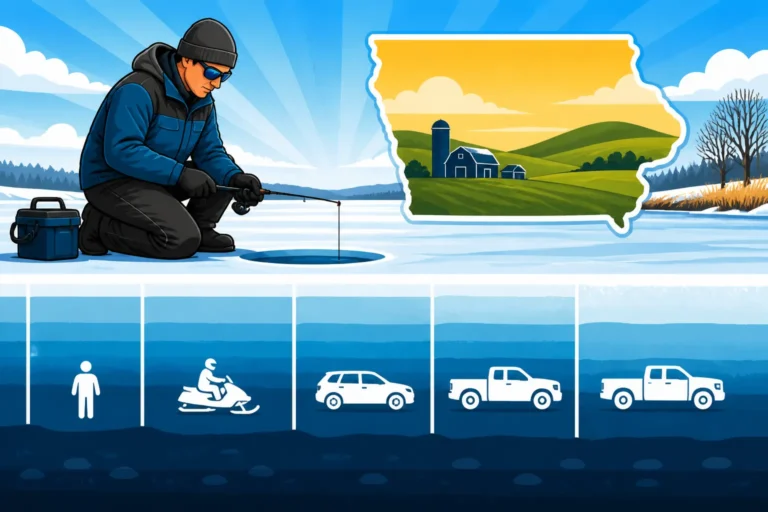
For a single person ice fishing on foot, a minimum of 4 inches of clear, solid ice is typically recommended. For groups of anglers or snowmobiles, 5-7 inches is a safer bet, while larger vehicles like cars or small trucks require 8-12 inches or more. Remember, these are for clear, solid ice. Slushy ice, ice that has refrozen after a thaw, or ice with a honeycomb structure is significantly weaker. Always err on the side of caution. It's vital to remember that no ice is truly safe, and conditions can change rapidly. Always consult local reports and practice extreme caution. Our article on Best Ice Thickness for Safe Ice Fishing delves deeper into these crucial measurements.
Essential Safety Equipment and Practices
Being prepared for the worst-case scenario is the best way to prevent it from happening, or at least to survive if it does. There are several pieces of safety equipment that every ice angler should carry, no matter how confident they are in the ice conditions. First and foremost, a spud bar or an ice chisel is your best friend. Use it to test the ice ahead of you as you walk, tapping firmly to gauge its strength. If it punches through easily, turn back.
Secondly, ice picks are absolutely critical and should be worn around your neck or in an easily accessible pocket. If you do break through, these picks can provide the grip needed to pull yourself back onto the ice. A 50-foot length of strong rope with a throw bag is also vital for rescuing others or being rescued yourself. Finally, consider wearing a flotation suit; these insulated suits are designed to keep you warm and provide buoyancy in case of an accidental plunge. Never fish alone, and always inform someone of your fishing plans – where you're going and when you expect to return. Many of these crucial safety items, like ice picks and specialized rescue ropes, are readily available on Amazon, ensuring you're prepared before you hit the ice. For a more comprehensive overview of staying safe, consult our guide on Ice Fishing Safety on Iowa Lakes.
Top Fish Species to Target Through the Ice in Iowa
Iowa's diverse waterways offer a fantastic array of species that remain active under the ice, providing exciting opportunities for anglers throughout the winter months. While some fish become quite sluggish, others will actively feed, making them prime targets for hardwater enthusiasts. Knowing which species to pursue and understanding their winter habits is key to a successful ice fishing trip.
Walleye: The Elusive Winter Prize
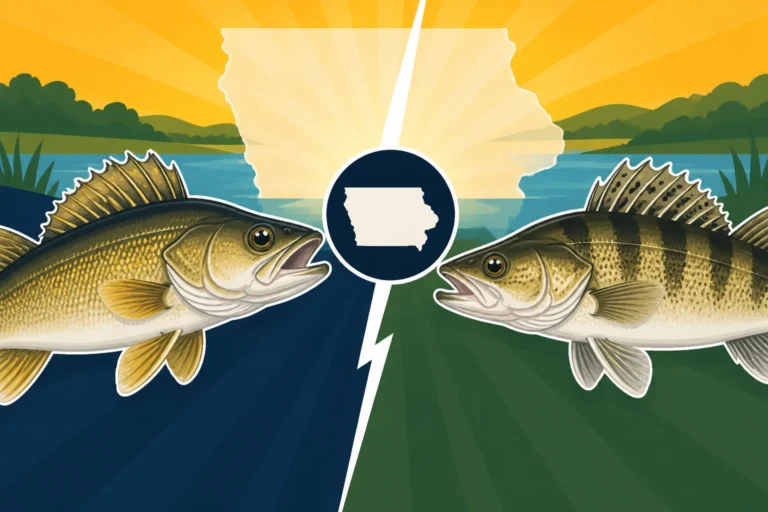
Walleye are often considered the ultimate prize for Iowa ice anglers. These elusive predators tend to become more active during low-light conditions, making dawn, dusk, and cloudy days prime times to target them through the ice. In winter, walleye often migrate to deeper main lake basins, around submerged humps, points, and structural elements where they can ambush baitfish. They also frequent river bends and deeper holes in river systems.
Successful walleye ice fishing often involves a combination of patience and technique. Jigging spoons, rattle baits, and lipless crankbaits, often tipped with a piece of a minnow head or a full live minnow, are popular choices. The presentation is crucial: a slow, subtle jigging action is often more effective than aggressive movements when fish are less active. Using electronics, like a Vexilar or Humminbird flasher, is incredibly helpful for identifying fish and presenting your bait at the correct depth. While they can be challenging, catching a beautiful Iowa walleye through the ice is an immensely satisfying experience. If you're looking for specific tactics, our article on How to Jig for Walleye Through the Ice offers valuable insights. Always be mindful of the current Iowa Fishing Daily Bag Limits Guide to ensure you're fishing legally.
Panfish Bonanza: Crappie, Bluegill, and Perch
For many ice anglers, especially beginners and families, panfish offer consistent action and delicious table fare. Crappie, bluegill, and yellow perch are abundant in many Iowa lakes and ponds and often remain quite active throughout the winter. They tend to school up in predictable areas, making them easier to locate once you find a hot spot.
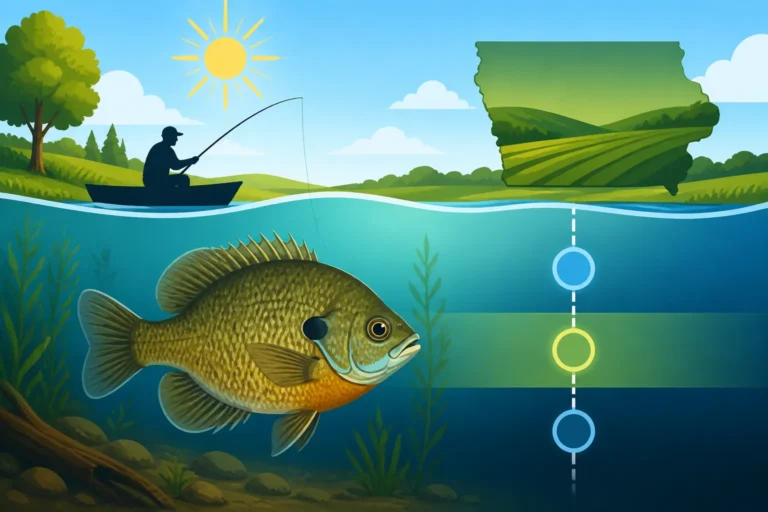
Crappie are known for suspending in the water column, often relating to submerged brush piles, timber, or weed lines in deeper water. Small jigs tipped with minnows, wax worms, or soft plastic tails fished subtly are highly effective. Bluegill, on the other hand, often hug the bottom, preferring areas with weeds or soft mud flats. Tiny tungsten jigs or teardrop jigs tipped with wax worms, spikes, or even a small piece of corn, are irresistible to them. Yellow perch are often found roaming in schools, frequently over mud flats or along the edges of weed beds in lakes like the Iowa Great Lakes. They readily strike small spoons, jigs, or live bait like minnows. These species offer consistent action and are perfect for a relaxing day on the ice. If you're looking for guidance on catching these smaller but feisty fish, our article on How to Ice Fish for Panfish provides excellent tips.
Effective Ice Fishing Techniques and Baits
Ice fishing isn't just about dropping a line down a hole; it's a nuanced art with various techniques and bait choices designed to entice even the most sluggish winter fish. Understanding these methods and knowing when to apply them can drastically improve your success rate and turn a slow day into a productive one. The key is often adaptability, as fish preferences can change throughout the day and with varying weather conditions.
Active Jigging Strategies
Active jigging is perhaps the most common and engaging ice fishing technique, especially when targeting walleye, crappie, or perch. It involves repeatedly raising and lowering your rod tip to impart action to your lure, mimicking a struggling baitfish or insect. The goal is to find the right cadence and retrieve that triggers a strike. Sometimes a gentle flutter is all it takes, while other times, a more aggressive rip-and-fall motion is necessary to draw attention.
Lure selection for jigging is vast, including small spoons, tungsten jigs, soft plastic baits, and specialized rattle baits. These are often tipped with live bait such as a minnow head, a wax worm, or a cluster of spikes to add scent and extra appeal. The sensitivity of your ice rod allows you to feel even the slightest "tick" of a bite, which might just feel like added weight on your line. A common scenario is to actively jig for 30-60 seconds, then pause for several seconds, watching your line or flasher for any sign of interest. This demonstrates how a simple up-and-down motion with a slight pause can entice a bite when fish are sluggish. The sensitivity of the rod and the weight of the lure work together to present the bait naturally.
Setting Up Tip-Ups for Passive Success
While jigging keeps you actively engaged, tip-ups offer a more passive approach, allowing you to cover a larger area and target bigger, more wary fish. A tip-up consists of a spool of line submerged beneath the ice, connected to a flag that "tips up" when a fish takes the bait and pulls line off the spool. This allows you to set multiple lines (within legal limits) across a spread of holes, increasing your chances of intercepting cruising fish.
Setting up a tip-up typically involves baiting a hook with a live minnow (shiners, fatheads, suckers, depending on the target species), setting the depth to just above known structure or where baitfish are present, and then carefully lowering it into the hole. The live bait then swims freely, enticing predatory fish. When the flag goes up, it signals a bite, and you can rush to the hole, grab the line by hand, and fight the fish. This method is particularly effective for larger walleye, northern pike, and even trophy crappie. A common scenario is setting tip-ups with large shiner minnows for pike or walleye while actively jigging for panfish nearby. This dual approach maximizes your chances, especially on days when fish are spread out.
Live Bait vs. Artificial Lures
The age-old debate between live bait and artificial lures continues on the ice, and both have their merits. Live bait, such as minnows, wax worms, spikes, and wigglers, offers natural scent, action, and appearance that can be irresistible to fish, especially when they are lethargic or picky. Many anglers swear by tipping artificial jigs with a piece of live bait to combine the best of both worlds. The downside is the need to keep live bait alive and fresh in freezing conditions.
Artificial lures, on the other hand, offer versatility, durability, and convenience. You don't have to worry about bait dying or running out. Modern artificials come in an incredible array of shapes, sizes, colors, and actions, designed to mimic every type of forage. From tiny tungsten jigs that sink quickly to larger spoons with flashy finishes and rattle baits that call fish in from a distance, there's an artificial lure for every situation. Many anglers prefer the convenience of artificial lures, and a quick browse on Amazon will show you an incredible array of options, from tiny tungsten jigs to larger lipless crankbaits, all designed to mimic natural forage. The choice often depends on the species, water clarity, and fish activity. On slow days, live bait often has an edge, while active fish might strike aggressively at a properly presented artificial.
Best Ice Fishing Spots in Iowa
Iowa might be known for its cornfields, but beneath its frozen surfaces lies a surprising abundance of prime ice fishing locations. From the renowned glacial lakes of the north to the sprawling reservoirs and quiet farm ponds of central and southern Iowa, there's a hardwater hotspot for every angler. Knowing where to go can make all the difference in finding success, whether you're chasing trophy walleye or filling a bucket with panfish.
The Iowa Great Lakes Region
When it comes to ice fishing in Iowa, the conversation almost always starts with the Iowa Great Lakes region in the northwest part of the state. This chain of interconnected lakes – Spirit Lake, West Okoboji Lake, and East Okoboji Lake – are jewels of the state and legendary for their diverse fishing opportunities year-round, especially in winter.
Spirit Lake, the largest natural lake in Iowa, offers fantastic fishing for walleye, yellow perch, and northern pike. Anglers often target its extensive weed beds and rock piles. West Okoboji Lake, known for its incredible depth, is a prime spot for deep-water perch and elusive trophy walleye that hug the contours of its structure. East Okoboji Lake, generally shallower, provides excellent action for bluegill and crappie in its bays and along its weed lines. The area buzzes with activity in winter, with numerous bait shops, guides, and a lively ice fishing community. These lakes offer diverse opportunities; for example, you might find deep-water perch schools on West Okoboji while bluegill hug the weed edges of East Okoboji. Always consult local bait shops for the latest ice conditions and bite reports and check out our guide to Fishing the Iowa Great Lakes.
Central and Southern Iowa Hotspots
While the Great Lakes get a lot of attention, central and southern Iowa also boast fantastic ice fishing destinations. These lakes often freeze earlier and offer accessible options for anglers closer to major population centers.
Saylorville Reservoir, just north of Des Moines, is a popular choice for crappie, bluegill, and even some walleye, particularly in its shallower bays and creek arms once they freeze solid. Rathbun Lake in south-central Iowa is renowned for its crappie fishery, with anglers often finding large schools around its abundant timber and submerged brush piles. It also holds good populations of catfish, which can be surprisingly active through the ice. Clear Lake in north-central Iowa is another perennial favorite, especially for walleye and yellow bass, with a strong ice fishing tradition. Additionally, don't overlook the numerous smaller community ponds and county lakes scattered throughout the state; many are regularly stocked and provide excellent action for panfish, making them perfect for a quick trip or for introducing kids to ice fishing. The Mississippi River backwaters near cities like Dubuque also offer unique hardwater opportunities for walleye, crappie, and pike, as highlighted in our guide on Winter Walleye Fishing Near Dubuque. Always check specific lake regulations as they can vary.
Preparing for Your Iowa Ice Fishing Adventure
The success and enjoyment of any ice fishing trip often hinge on proper preparation. This goes beyond just having the right gear; it includes understanding the rules, packing smart, and having a plan for whatever the day might throw at you. A well-prepared angler is a safe and successful angler, maximizing their time on the ice and minimizing potential headaches.
Checking Regulations and Licenses
Before you even think about drilling your first hole, it's absolutely crucial to ensure you're compliant with all of Iowa's fishing regulations. The Iowa Department of Natural Resources (DNR) sets specific rules regarding fishing licenses, daily bag limits, size limits for certain species, and allowed gear (e.g., number of lines you can fish). These regulations are in place to manage fish populations and ensure sustainable angling for everyone.
You'll need a valid Iowa fishing license, which can be purchased online through the Iowa DNR website, at bait shops, or at many sporting goods stores. Our comprehensive Iowa Fishing License Guide is an excellent resource for understanding all the ins and outs of getting your permit. It's also vital to review the current Iowa Fishing Regulations Explained booklet, available online or in print, as rules can change annually. Pay close attention to species-specific limits and any special regulations for particular lakes or rivers. For those wondering if they qualify for any special considerations, our guide on Iowa Fishing License Exemptions provides valuable information. Ignoring regulations can lead to hefty fines and confiscation of gear, so always fish responsibly.
Packing Smart for a Day on the Ice
Beyond your primary fishing gear and safety equipment, smart packing can make a world of difference in your comfort and enjoyment. The elements can be harsh, and being stuck on the ice without essential supplies is no fun. Always bring plenty of food and water, along with a thermos filled with hot coffee, tea, or soup – these warm beverages are incredibly comforting and help maintain core body temperature.
A well-stocked first-aid kit is a must for minor cuts, scrapes, or other emergencies. Extra layers of clothing, especially dry gloves and socks, are invaluable if your existing ones get wet. For navigation and communication, always have a fully charged cell phone, ideally with a portable power bank, and consider a GPS device or map of the lake, especially on larger bodies of water or unfamiliar terrain. A comfortable folding chair or bucket to sit on, a sled for easily hauling your gear, and a headlamp for early mornings or late evenings are also highly recommended. A seasoned angler always brings a thermos of hot coffee or soup, plenty of snacks, and a spare pair of gloves. Packing a small first-aid kit is also a wise decision for minor scrapes or cuts. Being over-prepared is always better than being under-prepared when facing Iowa's winter elements.
| Gear Type | Description | Key Considerations | Typical Price Range (approx.) |
|---|---|---|---|
| Ice Rod | Shorter, sensitive tip rods designed for precise presentations | Length (24-36 in), action (light to medium-heavy), handle | $20 – $100+ |
| Ice Reel | Small spinning reels with cold-weather lubricants and smooth drag | Smoothness, cold resistance, gear ratio | $30 – $150+ |
| Auger | Manual, propane, or electric drills for creating ice fishing holes | Ice thickness, power source, portability, blade type | $50 (manual) – $600+ (electric) |
| Ice Shelter | Portable shanties (flip-over or hub-style) for protection from elements | Size, insulation, portability, setup time, window options | $100 (basic hub) – $800+ (insulated flip-over) |
| Flotation Suit | Insulated, waterproof suit designed to provide warmth and emergency buoyancy | Buoyancy rating, warmth, durability, fit | $200 – $600+ |
| Ice Picks | Essential safety tool for self-rescue if you fall through the ice | Easy access, sharp points, comfortable grip | $15 – $30 |
Common Ice Fishing Challenges and Solutions
Even with the best gear and knowledge, ice fishing can present its fair share of challenges. The fish might not be biting, the weather can turn unexpectedly harsh, or you might encounter unforeseen issues on the ice. Experienced anglers know that adapting to these situations is part of the game. Learning to troubleshoot problems can salvage a slow day and ensure your safety and enjoyment.
Battling the Slow Bite
It's an inevitable part of fishing, especially in winter: some days, the fish just aren't biting. This can be incredibly frustrating, especially after you've invested time and effort into setting up. Don't get discouraged; instead, view it as an opportunity to experiment and learn. The first step is to avoid being complacent. If you've been in one spot for an hour without a bite, it's time for a change.
Start by changing your depth. Fish might be suspended higher or hugging the bottom more closely than you anticipate. Next, experiment with your lure. Try different sizes, colors, or styles. Sometimes, downsizing to a tiny jig is the key, while other times a flashier, more aggressive spoon is needed to grab attention. Switch up your bait as well: if wax worms aren't working, try a minnow head or a different soft plastic. Your presentation also matters – try varying your jigging cadence from aggressive rips to subtle quivers, followed by long pauses. Don't be afraid to move, even just 10-20 feet away, as a slight change in structure or depth can make all the difference. Sometimes, less is more: a tiny jig with a single spike fished almost motionless can be the ticket when fish are lethargic. Other times, an aggressive rattle bait is needed to call them in. Electronics, like a good fish finder, can be your best friend here, helping you identify if fish are even present and at what depth they're holding.
Dealing with Harsh Winter Weather
Iowa winters are notorious for their unpredictable and often severe weather. Extreme cold, biting winds, heavy snow, or freezing rain can quickly turn an enjoyable outing into a miserable, even dangerous, situation. Your comfort and safety should always be the top priority, and knowing how to deal with harsh conditions is crucial.
The best defense against the elements is proactive preparation. Always check the detailed weather forecast before heading out, paying attention to temperature, wind chill, and precipitation. Dress in appropriate layers, as mentioned earlier, with high-quality insulated outer wear. Heated shelters provide an excellent refuge from wind and cold, allowing you to warm up periodically. Hand warmers and foot warmers, easily found and purchased from brands like HotHands or on Amazon, are often lifesavers for keeping extremities comfortable. Bring a portable charger for your phone, as cold weather can rapidly drain batteries. If the weather takes a sudden turn for the worse—if a blizzard rolls in, temperatures plummet unexpectedly, or ice conditions become questionable—don't hesitate to pack up and head home. There's no shame in cutting a trip short if the weather turns nasty; your safety and health are far more important than one more bite. Staying on top of weather reports for your specific fishing location, easily accessible via smartphone apps, is crucial for planning a successful and safe trip.
Disclaimer
The information provided in this guide is for informational purposes only and should not be considered a substitute for professional advice. Ice fishing carries inherent risks, and conditions can change rapidly. Always exercise extreme caution, prioritize safety, and adhere to all local and state regulations. The author and publisher assume no responsibility for any accidents, injuries, or damages that may occur as a result of using this information. Always check current ice conditions and weather forecasts before venturing onto the ice.