Iowa Fishing Seasons Explained
Many anglers, from the seasoned veterans who've cast a line in every Iowa waterway to those just starting their fishing journey, often find themselves scratching their heads when it comes to understanding the state's diverse fishing seasons. Knowing when specific species are most active, when regulations shift, and how to best approach each period can feel like trying to solve a complex puzzle. This comprehensive guide is designed to clarify the nuances of Iowa's fishing calendar, offering practical insights and detailed explanations to help you plan your trips for maximum success and enjoyment, regardless of the time of year.
Understanding Iowa's Fishing Seasons: Why Timing is Everything
Navigating the world of Iowa fishing isn't just about having the right tackle or knowing a secret spot; it's fundamentally about understanding the seasons. Fish, like all wildlife, operate on an intricate calendar dictated by environmental cues. Ignoring these natural rhythms means missing out on prime opportunities or, worse, running afoul of regulations.
The Dynamic Nature of Fish Behavior
Fish behavior is intrinsically linked to the changing seasons, a dance choreographed by factors like water temperature, available daylight, and the abundance of food. As the year progresses, fish metabolisms speed up or slow down, their diets shift, and their movements become predictable—if you know what to look for. For instance, cold water in winter forces fish into lethargy, concentrating them in deeper, more stable environments. Come spring, rising temperatures trigger spawning urges, leading species like walleye and northern pike to move into shallower, warmer waters to reproduce. This metabolic boost often results in a "pre-spawn" feeding frenzy as they stock up energy.
Throughout the summer, fish adapt to warmer surface temperatures by seeking cooler, deeper water or retreating into dense cover, sometimes becoming more active under the cloak of darkness. Then, as fall arrives, cooling waters ignite another period of intense feeding as fish prepare for the long winter ahead. Understanding these fundamental shifts isn't just a strategy for catching more fish; it's a deep dive into the very ecosystem you're a part of, allowing you to connect with nature's ancient calendar in a truly meaningful way. It transforms a simple outing into an insightful experience, making you a more knowledgeable and successful angler.
Navigating Regulations and Harvest Limits
Beyond the natural behavior of fish, the Iowa Department of Natural Resources (DNR) sets specific regulations that often align with these seasonal patterns. These rules are crucial, serving not only for the conservation of fish populations but also to ensure fairness and sustainable angling for everyone. For example, some regulations might impose a closed season on certain species during their spawning period in specific lakes to protect them, or establish length limits to allow fish to reach reproductive maturity before being harvested. This is why familiarizing yourself with the current Iowa Fishing Regulations Explained is paramount before you ever cast a line.
It's important to remember that these rules aren't static; they can vary significantly by species, water body, and even change from year to year. What's permissible on the Mississippi River might be different from an inland lake, and the daily bag limit for crappie could be different from that of walleye. Staying informed about Iowa Fishing Season Dates and Limits is your responsibility as an angler. Ignorance of the law is never an excuse, and violating regulations can lead to hefty fines and loss of fishing privileges.
To avoid any unwelcome surprises, always consult the official Iowa DNR website, download their mobile app, or pick up a printed copy of the current fishing regulations guide. Make it a routine to check for any updates, especially before planning a trip to a new area or targeting a specific species. This diligence ensures you're fishing legally, ethically, and responsibly, contributing to the health of Iowa's cherished fisheries for generations to come.
Spring Fishing in Iowa: The Awakening Bite
As the last vestiges of winter ice melt away, Iowa's waterways begin to stir, signaling the eagerly anticipated arrival of spring fishing. This transitional season is often hailed by anglers as one of the most exciting times to be on the water, offering a fresh start and renewed opportunities to catch a wide variety of species.
Early Spring: Ice-Out and Pre-Spawn Frenzy
The period immediately following ice-out, typically from late March through early April, is a time of immense anticipation for Iowa anglers. While the water remains frigid and the weather can be unpredictable, the disappearance of ice triggers the first significant movements of many fish species. Walleye and northern pike, hardy cold-water inhabitants, are often the first to shake off their winter lethargy. They begin to stage in shallower waters adjacent to their traditional spawning grounds, driven by rising temperatures and the primal urge to reproduce.
During this pre-spawn phase, these fish are often incredibly hungry, aggressively feeding to build up energy for the upcoming spawn. They'll frequent shallow bays, rocky points, and current seams, making them accessible targets for anglers. Slow-moving presentations are key in these cold waters; jigs tipped with live minnows, small crankbaits, or even blade baits retrieved slowly can be highly effective. Understanding where walleye hold before they move to spawn is crucial, and a deeper dive into Spring Walleye Run Techniques in Iowa can provide invaluable insights.
The challenges of early spring fishing include variable water clarity due to snowmelt and spring rains, which can impact bait choices and presentation. However, the reward of hooking into a powerful walleye or a toothy pike after a long winter often outweighs these difficulties. Anglers should prioritize safety, dressing in layers, and being mindful of cold water immersion risks.
Mid-Spring: Spawning Activity and Prime Bites
Mid-spring, generally from late April through May, sees a significant increase in water temperatures and the peak of spawning activity for many of Iowa's popular game fish. While walleye and northern pike might be finishing their reproductive cycles, species like largemouth bass, smallmouth bass, and crappie are just beginning theirs. Bass, for instance, will move to shallow, protected bays and flats to build nests, and understanding their movements during this time is crucial for ethical angling. You can learn more about these behaviors in our guide on Pre-Spawn Bass Patterns in Iowa.
For species that have just completed spawning, such as walleye, this post-spawn period sees them recuperating and then beginning an aggressive feeding pattern to regain lost energy. They often relate to deeper structure near their spawning areas before spreading out. Crappie and bluegill, on the other hand, become incredibly active as they move shallow to spawn. They'll concentrate around submerged brush piles, docks, and weed lines, making for exciting light-tackle action.
Anglers targeting these post-spawn fish or actively spawning panfish should be mindful of conservation. While catching spawning fish isn't always illegal, it's often discouraged as it can disrupt their reproductive success. Instead, focus on adjacent areas where fish might be staging or recuperating. This period offers some of the best opportunities for numbers of fish, making it a fantastic time for both experienced anglers and those looking to introduce newcomers to the sport.
Late Spring: Post-Spawn Recovery and Warm-Up
By late May and early June, the waters of Iowa are truly warming up, and most fish species have completed their spawning rituals. This late spring period transitions into early summer, characterized by consistent rises in water temperature and a full-blown post-spawn feeding frenzy across the board. Fish are actively dispersing from their spawning grounds and seeking out their summer territories, but they are driven by a powerful hunger to rebuild their reserves.
This is the time when fish become incredibly receptive to more active presentations. Topwater lures for bass, vibrant spinnerbaits, and aggressive crankbaits become highly effective as fish are willing to chase a meal. Largemouth bass might be found around lily pads and submerged timber, while smallmouth bass relate to rocky points and current. Panfish continue to provide excellent action, often schooling up in predictable locations as they feed heavily. The warmer, more stable weather also makes for more comfortable and enjoyable days on the water, drawing out more anglers and boaters.
As the season progresses, expect to see fish spreading out more, utilizing a wider range of habitats from shallow cover to transitional depths. It's a fantastic time to experiment with different techniques and cover plenty of water. Just remember to grab a good wide-brimmed hat and polarized sunglasses from Amazon to cut through the glare and protect yourself from the stronger sun.
Summer Fishing in Iowa: Sustained Action and Warm Water Tactics
Summer in Iowa brings long, sunny days and warm waters, offering anglers extended hours of fishing and diverse opportunities. While the peak heat can sometimes make fish lethargic, understanding their summer patterns can lead to incredibly rewarding catches.
Early Summer: Post-Spawn Feeding and Shallow Water Action
As June settles in, early summer marks a continuation of the post-spawn feeding frenzy for many Iowa fish species. Water temperatures are ideal—warm enough to keep fish metabolisms high, but not yet so hot that fish seek the deepest, coolest retreats. This means that many species, including bass, crappie, and bluegill, can still be found actively feeding in relatively shallow water. They'll relate to emergent weed lines, submerged grass beds, lily pads, and shaded areas around docks and fallen trees.
Anglers can continue to employ active presentations during this period. Spinnerbaits, swim jigs, and Texas-rigged soft plastics are excellent choices for bass cruising shallow cover. For panfish, small jigs under bobbers, tiny crankbaits, or even fly-fishing can be incredibly productive. Walleye, while moving towards deeper main lake structure, can still be intercepted on transitional points and humps during low-light conditions. The key is to target areas with good cover or access to slightly deeper water, where fish can quickly retreat if necessary.
The long daylight hours of early summer allow for flexible fishing schedules, whether you prefer dawn patrols or evening casts. However, with the pleasant weather comes increased recreational boat traffic on many popular lakes, so consider early morning or late evening trips to avoid the crowds and potentially more active fish.
Mid-Summer: Deep Water Retreat and Night Fishing
Mid-summer, spanning July and much of August, often presents a significant challenge for anglers due to consistently high surface water temperatures. As the mercury rises, many sought-after game fish, including walleye, bass, and crappie, retreat from the shallow, sun-baked waters to the cooler, more stable environments found in deeper parts of lakes and reservoirs. They’ll congregate on main lake points, humps, ledges, and along the edges of deep channels, often relating to the thermocline where cooler water meets oxygenated water.
To successfully target these deep-dwelling fish, anglers need to shift their tactics. Vertical jigging with spoons or heavy jigs, slowly dragging Carolina-rigged plastics, or employing deep-diving crankbaits become highly effective. A quality fish finder or sonar unit is absolutely crucial during this time to locate deep structure and identify schools of fish or baitfish. Without electronics, finding these fish can feel like searching for a needle in a haystack.
This is also the prime time for night fishing, a strategy that many Iowa anglers embrace to beat the heat and capitalize on cooler temperatures. Species like catfish and walleye often move into shallower feeding areas under the cover of darkness, becoming much more active than they would be during the day. For catfish, the Mississippi River becomes a prime location, and you can explore effective methods in our Summer Catfish Techniques on the Mississippi River guide. For night fishing, a reliable headlamp is a must-have piece of gear, and you can find many durable, bright options on Amazon.
Late Summer: Transitioning to Fall Patterns
As August draws to a close and early September begins, a subtle but significant shift occurs in Iowa's fishing landscape. The intense heat of mid-summer begins to wane, with shorter days and cooler nights gradually bringing down water temperatures. This period of late summer is a transition, as fish begin to sense the impending change of seasons and react accordingly.
While still warm, the slightly cooling water can re-energize fish that have been in their deep summer haunts, prompting them to move into intermediate depths and feed more actively. Baitfish, too, start to school up in larger concentrations, making them easier targets for predatory species. Anglers might notice fish starting to use areas they abandoned during the hottest part of summer, such as shallower flats adjacent to deep water or the edges of main lake weed beds.
This can be an unpredictable yet highly rewarding time to fish. The bite might be inconsistent from day to day, but when conditions are right, fishing can be phenomenal. Species that were lethargic in mid-summer might suddenly become more aggressive, chasing baits with renewed vigor. Pay close attention to water temperature changes and baitfish presence, as these are strong indicators of where the fish will be. It's a period of anticipation, as anglers prepare for the celebrated fall bite.
Fall Fishing in Iowa: The Pre-Winter Feast
Many Iowa anglers consider the autumn months to be the absolute pinnacle of the fishing year. As the humidity of summer gives way to crisp, cool air and vibrant foliage, a renewed sense of urgency descends upon the waterways. Fish are driven by an instinct to gorge themselves, storing energy for the coming winter.
Early Fall: Cooling Waters and Renewed Aggression
The arrival of early fall, typically in September, breathes new life into Iowa's lakes and rivers. Water temperatures, which peaked in summer, begin a slow, steady decline into their optimal range for many fish species. This cooling process acts as a trigger, signaling to fish that it's time to put on the "feed bag" in preparation for winter. Fish that might have been sluggish or hard to find in the summer heat suddenly become incredibly active and aggressive. This makes early fall an exceptional time to target nearly all of Iowa's popular game fish, from bass and crappie to walleye and northern pike.
Anglers will find fish spreading out, actively hunting baitfish, which are often schooling up in larger concentrations. Covering water with moving baits like crankbaits, spinnerbaits, and jerkbaits can be incredibly effective, allowing you to locate active schools quickly. Look for fish relating to main lake points, humps, and the edges of weed lines where baitfish congregate. The comfortable weather, vibrant autumn colors, and increased fish activity make this a truly enjoyable season. For a deeper dive into what makes this season so special, check out our guide on Fall Fishing in Iowa.
It's a season of abundance where both numbers and trophy-sized fish are within reach. Whether you're casting from shore, wading a stream, or trolling from a boat, the renewed aggression of fish in early fall provides some of the most consistent and exciting action of the entire year.
Mid-Fall: Shad Runs and Predator Feasting
As mid-fall progresses into October, a critical event often unfolds in many Iowa reservoirs and larger river systems: the shad run. Gizzard shad, a primary forage species, begin to school up in massive numbers and move into shallower bays and coves, often in response to dropping water temperatures. This migration creates an irresistible feast for predatory fish, leading to some of the most explosive fishing action of the year. Larger walleye, bass, and especially muskie will key in on these baitfish concentrations, actively pursuing and ambushing them.
Anglers can capitalize on these movements by paying close attention to their surroundings. Look for diving birds, which often signal baitfish near the surface, or use your sonar to identify dense schools of baitfish in the water column. Fishing areas where shad are concentrated can lead to incredible bites. Using lures that mimic shad in size, shape, and color—such as large crankbaits, swimbaits, and even topwater lures during low-light conditions—can be highly effective. This is also a prime time to target trophy-sized fish, as they are actively seeking large meals. For those pursuing the elusive muskie, understanding the Muskie Season and Bag Limit is vital, as they are often at their most aggressive during this period.
Mid-fall offers the potential for true trophy catches as fish gorge themselves, packing on weight before winter. These aggressive feeding patterns are a window of opportunity for anglers seeking to land their personal best, making careful observation and strategic bait selection crucial for success.
Late Fall: Preparing for Winter and Last Bites
By late fall, as November arrives and often extends into early December, water temperatures drop significantly, and the threat of ice formation looms. While the intense feeding frenzy of earlier fall might subside, this period still offers excellent fishing opportunities for those willing to brave the colder conditions. Fish activity slows down, but they haven't stopped eating; instead, they become more concentrated and focused on deeper, more stable environments.
During this time, fish begin to move towards their traditional wintering holes, gathering in predictable locations such as deep channels, sharp breaks, and submerged structure. Anglers will find success by slowing down their presentations considerably. Vertical jigging with spoons or blade baits, slowly dragging jigs tipped with live bait (like minnows or shiners), or patiently fishing with slip bobbers can be highly effective. Electronics become invaluable for locating these deeper concentrations of fish.
Late fall offers a final push before the hard water season, providing a last chance to catch a good meal or a trophy fish. Many anglers enjoy the quiet solitude of the late fall waterways, often finding themselves alone on the lake. Just be sure to dress warmly in layers and be prepared for rapidly changing weather conditions. It’s an ideal time to savor the last open-water bites of the year, knowing that the ice fishing season is just around the corner.
Winter Fishing in Iowa: The Ice Fishing Frontier
When Iowa's lakes and ponds finally freeze over, a new world of angling possibilities opens up: ice fishing. This unique discipline offers a serene yet often action-packed way to pursue fish throughout the colder months.
Early Ice: First Opportunities and Caution
The onset of "first ice," typically from late November to early December, sparks immense excitement among ice anglers. This initial period, when lakes first develop a safe layer of ice, can offer some of the most phenomenal fishing of the entire winter. Fish are often still relatively active from their fall feeding spree and haven't yet experienced the intense fishing pressure that comes with thicker ice. They also tend to be found in shallower water than they will be later in the season, making them more accessible. Panfish (crappie, bluegill), walleye, and northern pike are prime targets during this window.
Anglers targeting early ice fish will find success with small jigs tipped with wax worms, spikes, or minnows, fished subtly. The key is to be mobile, drilling multiple holes to locate active schools. However, the excitement of early ice must always be tempered with extreme caution. Ice conditions can be highly variable and dangerously thin, especially around current areas, inlets, and outlets. Safety equipment, such as a spud bar to check ice thickness, ice picks worn around the neck, and always fishing with a buddy, is absolutely non-negotiable. Learn more about staying safe and successful in our comprehensive guide to Ice Fishing in Iowa.
Never venture out alone on early ice, and always be skeptical of claims of safe ice until you've verified it yourself. The thrill of early ice fishing is undeniable, but your safety should always be the absolute top priority.
Mid-Winter: Stable Conditions and Strategic Drills
Mid-winter, typically spanning January and February, usually brings the most stable and thickest ice conditions to Iowa's frozen waterways. While extreme cold can be a factor, the solid ice allows for safer access to a wider range of fishing spots, often far from shore. However, fish activity tends to slow down significantly during this period. The frigid water temperatures make fish more lethargic, and they often hold tight to specific structures or gather in deep wintering holes.
Successful mid-winter ice fishing requires patience, precision, and the smart use of technology. Anglers often spend more time drilling holes to find active fish rather than waiting for them to come to a single spot. Portable fish finders or flashers are invaluable tools, allowing you to instantly see fish below your hole, assess their activity, and monitor your bait's presentation. Baits typically need to be fished slowly and subtly, though an occasional aggressive jigging motion can sometimes trigger a reluctant bite.
To combat the cold, proper gear is essential. Layered clothing, insulated boots, and a portable ice shelter can make long days on the ice much more comfortable. When you're bundling up for a mid-winter excursion, remember that Amazon offers a wide selection of insulated ice fishing bibs, jackets, and reliable shelters to keep you warm and protected from the elements. Staying warm and comfortable allows you to focus on the fishing and enjoy the unique tranquility that only mid-winter ice fishing can offer.
Late Ice: Final Fling and Safety First
As late February transitions into March, Iowa's ice fishing season enters its final, often productive, phase. Known as "late ice," this period can deliver some of the most exciting action of the winter, as increasing daylight hours and gradually warming temperatures beneath the ice trigger a final burst of fish activity. Meltwater seeping through the ice can introduce oxygen, stimulating fish, especially panfish, to become more active and move into shallower water, staging for the upcoming open-water spawn. Walleye can also experience a significant late-ice bite.
Anglers targeting late ice can often find aggressive panfish and walleye in similar areas where they'd be found during early ice or early spring, such as shallow bays, weed edges, and points. Presentations can often become more aggressive than in mid-winter, with fish more willing to chase lures. It's a fantastic time for numbers of fish, and often an opportunity to land some of the larger specimens before the ice breaks up entirely.
However, just like early ice, late ice demands extreme vigilance regarding safety. As the ice begins to break down, it becomes incredibly unpredictable and dangerous. Areas near shore, inlets, outlets, and dark spots indicating thin ice should be strictly avoided. Always check ice conditions thoroughly, fish with a partner, and have all your safety gear handy. The allure of the late-ice bite is strong, but knowing when to pack it in for the season is a critical decision that could save your life. Never push your luck; there's always next season.
Key Species Seasons and Specific Regulations
Iowa's diverse waters host a variety of popular fish species, each with its own preferred seasonal patterns and specific regulations that anglers must understand to fish successfully and responsibly.
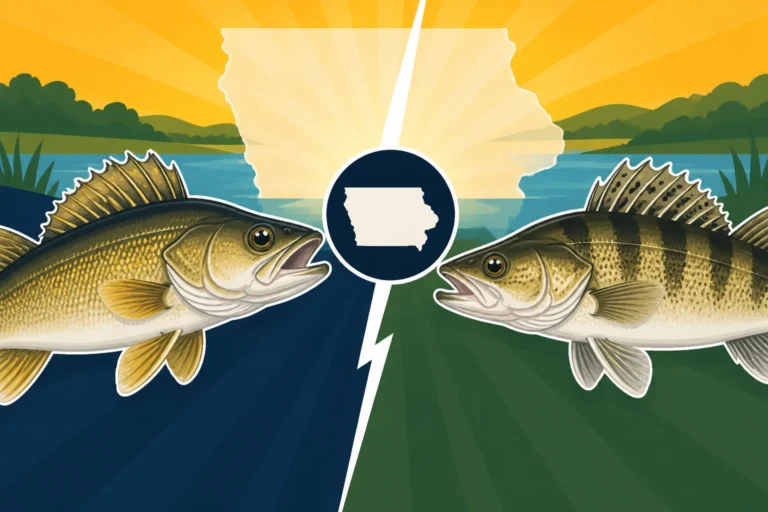
Walleye and Sauger: Spring Spawns and Fall Feeds
Walleye and sauger are two of Iowa's most prized sport fish, often grouped together due to their similar habitats and seasonal behaviors, especially in river systems. Their spring spawn is a critical biological event, typically occurring in April when water temperatures reach the mid-40s to low 50s Fahrenheit. During this sensitive period, regulations often protect them; for example, many of Iowa's natural lakes, like the Iowa Great Lakes, implement a closed season for walleye during their primary spawning window to ensure successful reproduction and population health. River systems, however, often remain open year-round for walleye and sauger, due to their different migratory patterns and spawning habits. Always refer to the Walleye Season and Size Limits for precise details.
The best times to target walleye and sauger are often during their pre-spawn in early spring, when they are actively feeding and staging near spawning grounds, and during the post-spawn recovery phase when they regain energy. However, the most aggressive and consistent bite for these species typically occurs in the fall. As water temperatures cool, walleye and sauger go on a powerful feeding spree, gorging on baitfish in preparation for winter. They can be found relating to rocky reefs, current breaks in rivers, and deeper channels, often providing excellent opportunities for trophy fish.
Anglers should always verify the specific regulations for the water body they intend to fish, as length limits, daily bag limits, and closed seasons can vary significantly. For instance, the Mississippi River border waters have unique reciprocal agreements that might affect walleye regulations compared to inland lakes. Being informed about these nuances is key to a legal and productive walleye and sauger season.
Bass Species: Year-Round Opportunity with Seasonal Nuances
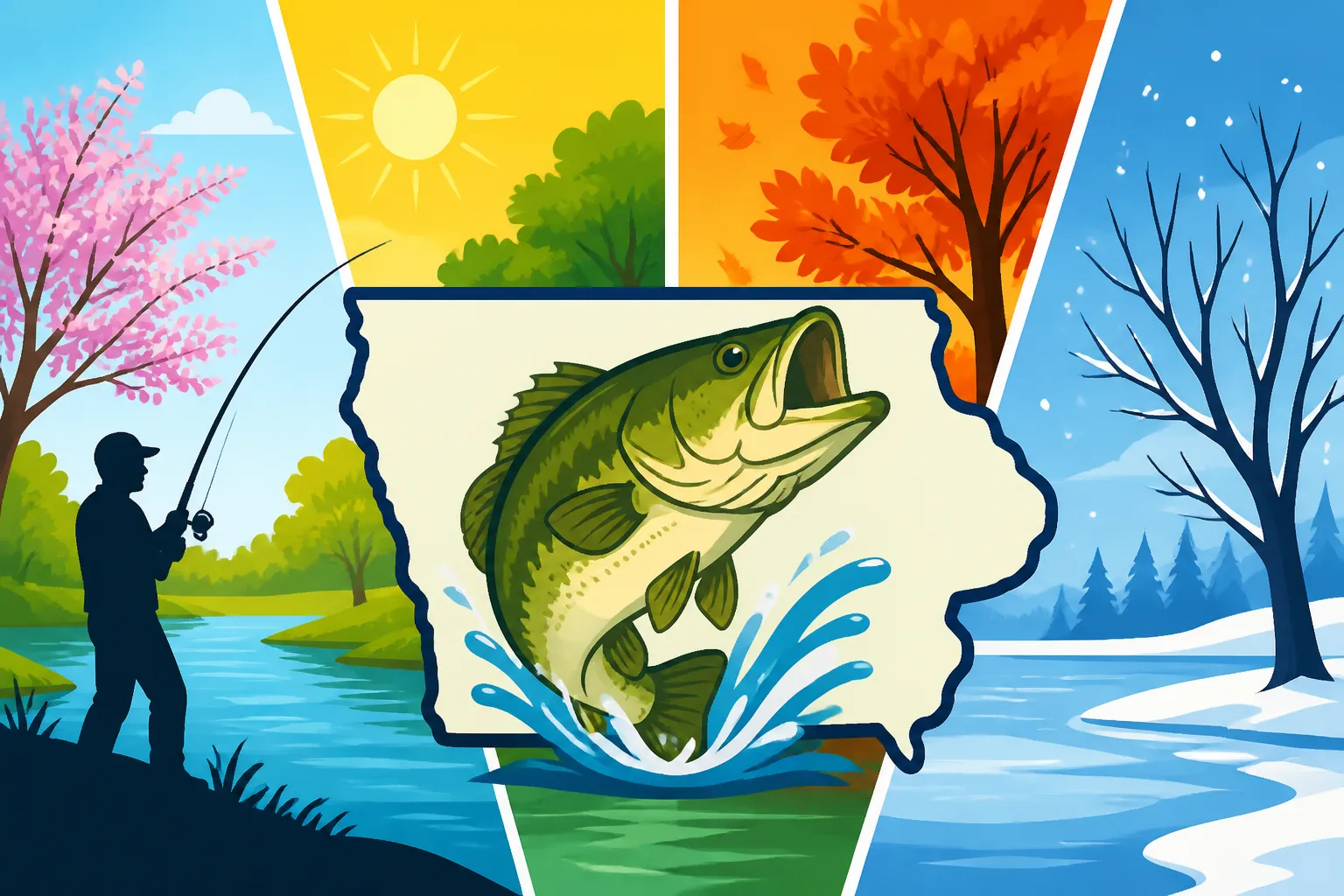
Iowa is home to both largemouth and smallmouth bass, offering thrilling angling opportunities. While their fishing season is generally open year-round across the state, their catchability and behavior change dramatically with the seasons, requiring anglers to adapt their tactics. Bass Season and Size Limits outline the general framework for these popular fish.
In spring, both largemouth and smallmouth bass move shallow for their pre-spawn and spawning rituals. Largemouth prefer vegetated cover and shallow flats, while smallmouth gravitate towards rocky banks and current breaks in rivers. Post-spawn, they become aggressive feeders. During the peak of summer, bass will often retreat to deeper, cooler waters, thick overhead cover, or become most active during low-light periods. Fall brings a renewed feeding frenzy, as both species aggressively pursue baitfish, making it one of the best times to catch trophy bass.
Despite being open year-round, specific length limits and daily bag limits are in place to promote healthy bass populations. Some areas might have catch-and-release only regulations during the spring spawn, further emphasizing conservation. Anglers can find success by matching their techniques to the seasonal behavior: finesse presentations in cold water, power fishing in warmer water, and targeting specific structures where bass seek refuge or ambush prey. Understanding these seasonal nuances is far more important than a simple calendar date when it comes to bass fishing in Iowa.
Panfish and Catfish: Consistent Action Through the Warm Months
For sheer numbers, accessibility, and consistent action, it's hard to beat Iowa's panfish (crappie, bluegill, yellow perch, sunfish) and catfish (channel, flathead) populations. While there isn't a strict "season" for these species in the way there is for others, their peak activity aligns beautifully with the warmer months from late spring through early fall, making them favorites for anglers of all skill levels. To understand the specifics, check out the Crappie and Sunfish Limits in Iowa and Catfish Possession Limits.
Crappie and bluegill are particularly active during their shallow-water spawning periods in mid-spring, where they can be found concentrated in brush piles, around docks, and in emergent vegetation. Post-spawn and throughout summer, they relate to submerged structure, brush, and weed edges, often schooling in impressive numbers. These fish provide excellent opportunities for light tackle and are superb table fare. Catfish, especially channel cats, thrive in warmer water and are notoriously active throughout the summer, often feeding aggressively both day and night. Flathead catfish, the ambush predators, prefer live bait in strong current or around heavy cover in rivers.
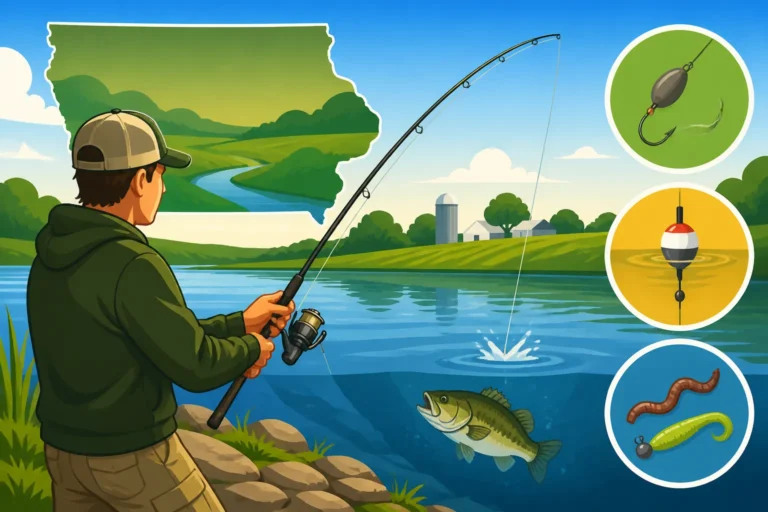
These species are incredibly resilient and widespread, inhabiting nearly every body of water in Iowa, from small farm ponds to the mighty Mississippi River. Their consistent presence makes them excellent targets for beginners, families with children, or anyone simply looking for a relaxing day of fishing with a high likelihood of success. Basic tactics like bobber fishing with worms for panfish or bottom fishing with stink bait or cut bait for channel cats are effective across various seasons and locations, promising enjoyable and productive outings.
Trout and Muskie: Specialized Seasonal Windows
Iowa offers a unique and specialized fishery for both trout and muskie, each with its own distinct seasonal windows and demanding particular approaches. For those venturing into the scenic coldwater streams of Northeast Iowa, trout fishing is primarily dependent on the stocking schedules of the Iowa DNR. While a general open season exists, the best times to pursue rainbow trout, and occasionally brown trout, are immediately following stocking events in spring and fall, when freshly stocked fish are abundant and actively feeding. Understanding the Iowa Trout Fishing Streams in Northeast Iowa is essential for targeting these beautiful fish. A special trout fee, in addition to a standard fishing license, is required for anglers wanting to fish these designated streams and community trout ponds.
Muskie fishing, on the other hand, is a pursuit for the patient and persistent, focused on catching large, predatory trophy fish. Their season is typically open during the warmer months, often with specific start and end dates to protect these slow-growing giants. The prime time for muskie often falls in late summer and throughout the fall, as these fish become incredibly aggressive, feeding heavily in preparation for winter. Targeting muskie requires specialized heavy tackle, large baits, and a commitment to understanding their elusive behavior. Many muskie anglers practice catch and release to preserve these magnificent fish, given their scarcity and long growth periods.
Both trout and muskie often come with highly restrictive size and bag limits, reinforcing the conservation-oriented nature of these fisheries. Always check the Iowa DNR regulations for the most up-to-date rules on these species, including stocking schedules for trout, to maximize your chances of success while adhering to legal guidelines. A quick stop at your local tackle shop or checking online resources will ensure you have the right gear for these specialized pursuits; many of the larger muskie lures and trout flies can be found conveniently on Amazon.
Year-Round Fishing Opportunities and Planning Your Trips
While specific species might have their seasonal peaks, Iowa truly offers year-round fishing opportunities. However, maximizing success and ensuring compliance requires careful planning, adaptability, and leveraging available resources.
Understanding Closed Seasons and Exemptions
Even with the promise of year-round angling, it's absolutely vital to understand that certain species or specific water bodies in Iowa do have closed seasons. These regulations are primarily put in place to protect fish during critical life stages, most commonly during their spawning periods, allowing populations to reproduce successfully and recover. For instance, specific lakes might have a "no harvest" or "closed" season for walleye during their spring spawn. Ignoring these can result in serious penalties, not to mention impacting the future of the fishery.
Beyond species-specific closures, regional variations are also common. Fishing regulations on border rivers like the Mississippi River, Missouri River, and Big Sioux River often involve reciprocal agreements with neighboring states (e.g., Illinois, Wisconsin, Nebraska). This means that a valid Iowa license might be recognized in certain waters of a bordering state, but the specific rules regarding length limits, bag limits, and seasons can differ based on which state's regulations apply to a particular area. It can get confusing, which is why cross-referencing is key.
Therefore, before every fishing trip, especially to a new location or when targeting a different species, make it a non-negotiable habit to consult the most current Iowa fishing regulations. The Iowa DNR's official website or the annual regulations booklet provides the definitive word on what's permissible. Rules can change annually, and sometimes even within a season, so staying informed about Iowa Fishing Regulations Explained is your ultimate responsibility as an angler.
Planning for Weather and Water Conditions
While understanding Iowa's general fishing seasons provides a crucial framework, real-world fishing success hinges significantly on daily weather and specific water conditions. A perfect calendar day for walleye can be a bust if a cold front rolls through, or if heavy rains turn the river into chocolate milk. Factors like air temperature, wind direction, barometric pressure, water temperature, clarity, and flow rate can drastically influence fish behavior and bite activity.
Smart anglers always check the detailed weather forecast before heading out, not just for precipitation but also for temperature swings and wind. For river fishing, monitoring stream gauges to understand current flow and water levels is critical, as high or low water can completely alter fish locations and feeding patterns. Lake anglers might pay closer attention to water temperature readings, especially in spring and fall, to pinpoint where fish are staging or feeding. Local fishing reports can provide invaluable real-time insights into current conditions and how fish are reacting.
Being adaptable is the hallmark of a successful angler. If the conditions are tough, don't be afraid to change your approach. This might mean switching to a slower, more subtle presentation, trying different bait colors to match water clarity, or even relocating to a more sheltered or less affected area. Flexibility in your plan, combined with keen observation of the conditions, will significantly increase your chances of finding active fish, even when the elements aren't perfectly aligned with the calendar.
Leveraging Resources for Current Conditions
In today's interconnected world, Iowa anglers have a wealth of resources at their fingertips to stay informed about current fishing conditions and plan their trips effectively. The Iowa Department of Natural Resources (DNR) website is an invaluable starting point, offering weekly fishing reports for major lakes and rivers, detailed stocking schedules for trout streams, and an interactive fishing atlas that highlights public access points, fishing piers, and boat ramps across the state. These official resources are your most reliable source for up-to-date information.
Beyond official channels, local bait and tackle shops are absolute goldmines of hyper-local, real-time intelligence. The owners and staff live and breathe fishing in their specific regions; they often know exactly what's biting, where the hot spots are, and what baits are working best. Don't hesitate to stop in, buy some bait, and chat with them – their advice can be the difference between a slow day and a banner day. Many of these shops also carry a wide array of tackle and gear, from specific local favorites to general essentials that you might also find on Amazon if planning ahead.
Online fishing forums and social media groups dedicated to Iowa fishing also provide platforms for anglers to share real-time reports, photos, and tips. While these can be great for general intel and camaraderie, always cross-reference any information regarding regulations with official DNR sources. Staying connected with the angling community and utilizing these resources allows you to make informed decisions, ensuring your time on the water is as productive and enjoyable as possible. And remember, having a well-stocked tackle box, with versatile lures and dependable line, is key, no matter what information you gather.
Iowa Fishing Season Overview
Here’s a quick summary of the prime times for Iowa’s most popular fish species, keeping in mind that specific regulations, weather, and water conditions will always influence actual success.
| Species | Peak Spring | Peak Summer | Peak Fall | Peak Winter | Common Season/Regulation Notes |
|---|---|---|---|---|---|
| Walleye | Pre/Post-Spawn | Early/Night | Aggressive Feed | Ice Fishing | Spring closed seasons on some lakes (e.g., Iowa Great Lakes) for spawning. Open year-round on rivers. Fall bite is often the strongest for trophy fish. |
| Largemouth Bass | Pre/Post-Spawn | Early Summer/Cover | Post-Turnover | Deep Structure | Open year-round with length limits. Spring spawn is protected by catch-and-release rules in some areas. Summer fishing often means targeting deep cover or early/late day topwater. |
| Smallmouth Bass | Pre/Post-Spawn | Current/Rocks | Aggressive Feed | Deep Structure | Open year-round with length limits. Thrives in clear, rocky rivers. Fall is excellent as they school and feed heavily. Often catch-and-release focused due to slower growth. |
| Channel Catfish | Warming Waters | Peak Activity | Strong Bite | Wintering Holes | Open year-round, very tolerant of warm water. Night fishing is phenomenal in summer. Can be caught through the ice in deeper spots. |
| Flathead Catfish | Warming Waters | Peak Activity | Strong Bite | Wintering Holes | Open year-round. Prefer live bait and current. Best in summer, especially at night near snags and log jams. |
| Crappie | Shallow Spawn | Deep/Structure | Schooling Feed | Ice Fishing | Open year-round. Incredible spring spawn in brush piles. Post-spawn and fall schooling offer great numbers. Excellent ice fishing target. |
| Bluegill/Sunfish | Shallow Spawn | Weedlines | Schooling Feed | Ice Fishing | Open year-round. Easy to catch, great for kids. Spring spawn is very shallow. Summer often finds them in weed edges. Fantastic ice fishing. |
| Northern Pike | Early Spawn | Weedlines | Strong Bite | Ice Fishing | Open year-round. Early spring in shallow weeds. Mid-summer can be slow, but fall and ice fishing can produce large fish. |
| Rainbow Trout | Stocking Events | Cooler Streams | Stocking Events | Stocking/Ice (ponds) | Season generally open year-round for catching, but success depends heavily on stocking schedules in NE Iowa streams and community ponds. Special trout fee required in addition to license. |
| Muskie | Post-Spawn | Summer Hunt | Peak Aggression | – | Highly specialized fishery, generally open with specific seasons and very strict length limits (often 40-50 inches). Best targeted in late summer and fall with large baits. Primarily catch and release. |
Disclaimer
Please be aware that fishing regulations in Iowa can change. While every effort has been made to provide accurate and up-to-date information, it is always the angler's responsibility to check the most current Iowa Department of Natural Resources (DNR) fishing regulations before engaging in any fishing activity. This guide is for informational purposes only and should not be considered a substitute for official legal documents or direct consultation with the Iowa DNR.