Are the Iowa Great Lakes Good for Ice Fishing?
When the chill hits Iowa and lakes start to harden, many of us start dreaming of solid ice and hot bites. But if you've ever wondered if the famous Iowa Great Lakes – places like West Okoboji, East Okoboji, and Spirit Lake – truly deliver on their ice fishing potential, you're not alone. It can feel daunting to tackle such large, complex systems, especially when you're looking for that perfect winter escape. This comprehensive guide will dive deep into everything you need to know about ice fishing these incredible bodies of water, from what species to target to essential safety tips.
Embracing Winter's Bounty: The Iowa Great Lakes as an Ice Fishing Haven
For many seasoned Iowa anglers, the thought of hard water fishing immediately brings to mind the Iowa Great Lakes. And for good reason! These connected glacial lakes in Dickinson County offer some of the most diverse and productive ice fishing opportunities in the entire state. While smaller ponds might offer easier access to panfish, the Great Lakes present a challenge and a reward that's hard to beat, especially if you're targeting larger gamefish like walleye or northern pike.
The sheer size and depth of these lakes, particularly West Okoboji Lake, mean they hold incredible populations of various species. However, their size also means more variables: different depths, varying structure, and ever-changing ice conditions. This can feel intimidating for newcomers, but with a bit of knowledge and preparation, it's absolutely manageable. The key is understanding that each lake, and even different sections of the same lake, will fish differently once the ice forms.
Why the Great Lakes Stand Out for Ice Fishing
The Iowa Great Lakes aren't just pretty faces; they're ecological powerhouses. These natural lakes boast clear waters, diverse underwater structures, and a rich food base that supports a thriving fishery year-round, which naturally extends into the ice fishing season. Unlike many shallower, man-made reservoirs, the depths of West Okoboji, reaching over 130 feet in some areas, provide critical winter habitat for cold-water species. This means fish aren't just surviving; they're actively feeding and can be caught throughout the winter months.
Another significant factor is the variety of species available. You're not just limited to panfish here, although the crappie and bluegill bite can be phenomenal. The Great Lakes are renowned for their walleye, yellow perch, northern pike, and even muskie populations. This multi-species opportunity means you can often target different fish throughout the day, or switch tactics if one bite slows down. It really adds to the excitement and keeps things interesting, which is why many anglers plan extended trips specifically for the hard water season here.
Comparing Ice Fishing Potential Across the Great Lakes
While often grouped together, each of the Iowa Great Lakes offers a slightly different ice fishing experience, catering to various preferences and target species. Understanding these nuances can significantly improve your success and help you choose the best spot for your winter adventure.
West Okoboji Lake: The Deep-Water Challenge
West Okoboji Lake is the deepest natural lake in Iowa and perhaps the most complex to fish through the ice. Its varying depths, extensive structure, and deep holes make it a prime target for trophy walleye and perch. The clear water here demands a subtle approach, and electronics are almost a necessity to locate fish in its vast expanses. Anglers often focus on points, drop-offs, and humps that rise from deeper water.
The challenge of West Okoboji is precisely what draws many experienced ice anglers. It's not a numbers game as much as it is a quality game. Targeting walleye often means focusing on low-light conditions – dawn and dusk – or even venturing out for some night fishing. Yellow perch can be found in schools over deeper flats or near weed lines earlier in the season. Remember that Where to Find Northern Pike on West Okoboji can also be a key piece of information for those looking for a different fight.
East Okoboji Lake: A Diverse Fishery
East Okoboji Lake, while still substantial, is shallower and generally more fertile than its western counterpart. This makes it an excellent choice for a wider variety of species, often with more consistent action. Crappie, bluegill, and northern pike thrive here, alongside good populations of walleye. Access can also be a bit easier due to its more gradual slopes and numerous public access points.
For panfish enthusiasts, East Okoboji can be a goldmine. Look for crappie and bluegill in shallower bays and near weed edges early in the season, moving to deeper basins as winter progresses. Walleye on East Okoboji will often relate to the main lake points and structure connecting to deeper areas. Many anglers find success using tip-ups for northern pike in the shallower, weedy zones. If you're looking for consistent action and a mix of species, East Okoboji is often a great bet.
Spirit Lake: Walleye and Perch Powerhouse
Spirit Lake, Iowa's largest natural lake, is arguably the most famous for its walleye and yellow perch ice fishing. It's a shallower, bowl-shaped lake compared to West Okoboji, making fish location sometimes more predictable. The lake is known for its extensive sand flats, rocky reefs, and the famous "Spirit Lake rock piles" which are magnets for fish.
Walleye fishing on Spirit Lake during winter is legendary. Anglers often target these fish over humps, along breaks, and near the rock piles. Jigging spoons and rattle baits are popular choices, often tipped with a minnow head. For yellow perch, large schools can be found roaming the vast flats, and a sensitive rod with small jigs tipped with waxworms or spikes can lead to incredible action. If you're specifically targeting these two popular species, Best Spots for Perch at Spirit Lake and Where to Fish for Walleye Near Spirit Lake Town can guide your efforts. Many anglers find local fishing reports or even consult guides listed on platforms like FishingBooker for the most up-to-date information on Spirit Lake's hot spots.
The Thrill of the Chill: Target Species and Techniques for Hard Water
Ice fishing the Iowa Great Lakes isn't just about punching a hole and dropping a line. It's about strategy, understanding fish behavior in cold water, and having the right gear. The thrill comes from the crisp air, the camaraderie, and that unmistakable thud when a fish hits your lure hundreds of feet below your boots.
Popular Species and How to Find Them
The Iowa Great Lakes offer a fantastic mix of sportfish that provide exciting ice fishing opportunities. Knowing what you're after and where to look is half the battle.
Walleye: The Coveted Winter Bite
Walleye are undoubtedly one of the most sought-after species through the ice in the Great Lakes. They are generally more active during low-light periods, making dawn, dusk, and even night fishing prime times. On West Okoboji and Spirit Lake, look for them suspending over deep water near structure, or cruising along breaklines and points. On East Okoboji, they might be found shallower, especially early in the season, relating to weeds and main lake structure.
Technique-wise, jigging spoons (like Northland Buck-Shot Rattle Spoons or Rapala Jigging Raps) tipped with a minnow head or a whole minnow on a plain hook under a tip-up are highly effective. Pay close attention to your electronics, as walleye often cruise through, so you need to be ready when they appear. A good How to Jig for Walleye Through the Ice guide can dramatically improve your technique for these prized fish. For serious anglers, platforms like FishingBooker can help you connect with experienced local ice fishing guides who specialize in putting clients on big walleye.
Panfish: Crappie, Bluegill, and Perch Action
For consistent action and a tasty meal, panfish are king on the Great Lakes. Crappie and bluegill are abundant, especially in East Okoboji and the shallower bays of West Okoboji, while yellow perch are a highlight on Spirit Lake and West Okoboji.
- Crappie: Look for crappie suspended over deeper basin areas or relating to submerged brush piles and weed edges. Small jigs, typically 1/32 to 1/16 ounce, tipped with a small plastic, waxworm, or live minnow, are deadly. Crappie and Sunfish Limits in Iowa are something to be aware of if you plan to keep a meal.
- Bluegill: Bluegill are often found shallower than crappie, near remaining green weed beds or on soft bottom flats. Micro jigs and tiny tungsten ice jigs tipped with a single spike or waxworm work wonders.
- Yellow Perch: Perch often roam in large schools over sand flats or along the edges of weed beds. Small jigging spoons (like a Forage Minnow Spoon) or small teardrop jigs tipped with multiple spikes are very effective. Always check the Perch Limit at the Iowa Great Lakes to stay compliant.
Essential Ice Fishing Techniques
Mastering a few core techniques will boost your success dramatically on the Great Lakes.
Jigging: The Active Approach
Jigging is the most popular and often most effective method for ice fishing on the Great Lakes. It involves repeatedly raising and lowering a lure to entice fish. The key is to vary your retrieve, sometimes aggressively, sometimes subtly, to figure out what the fish want on any given day. A good fish finder is invaluable here, allowing you to see your lure and any fish approaching it. Many ice anglers bring multiple rods rigged with different lures and baits to quickly adapt to changing conditions.
For walleye, a moderate jigging action, lifting the bait 6-12 inches and letting it fall, often works. For panfish, much smaller, subtler movements are usually more effective. It’s a constant dance of experimentation until you find the rhythm that triggers a bite.
Tip-Ups: The Passive Strike Indicator
Tip-ups are fantastic for covering more water and targeting larger, cruising fish like walleye or northern pike. They consist of a spool of line, a trigger mechanism, and a flag that "tips up" when a fish takes the bait. This allows you to set multiple lines (within legal limits, of course) and wait for a flag to signal a bite, giving you time to focus on jigging another hole.
For walleye, set tip-ups near structural elements with live minnows. For northern pike, larger minnows or even small suckers are excellent choices. Ensure your bait is suspended at the right depth, often just off the bottom or midway through the water column where fish are cruising.
Staying Safe and Prepared: Essential Tips for Your Ice Adventure
Ice fishing on large, diverse bodies of water like the Iowa Great Lakes requires a strong emphasis on safety and proper preparation. These aren't small, shallow ponds, and conditions can change rapidly.
Ice Safety on Large Lakes
The number one rule of ice fishing is safety first. Never take chances with ice, especially on big lakes that can have unpredictable currents and springs that create thin spots. Always check local ice conditions before heading out, whether through bait shops, local online forums, or by hiring a guide.
- Minimum Ice Thickness: The Iowa DNR recommends specific ice thicknesses for safe activity. Generally, 4 inches of clear, new ice is considered minimum for walking, 5-7 inches for snowmobiles/ATVs, and 8-12 inches for cars or small pickups. Double-check these recommendations before you go. This aligns with Best Ice Thickness for Safe Ice Fishing guidelines.
- Buddy System: Always go with a partner or group. Never ice fish alone, especially on unfamiliar water.
- Safety Gear: Carry essential safety equipment: ice picks (worn around your neck), a throw rope, a spud bar (to test ice ahead of you), and a fully charged cell phone. Dress in layers, and consider a float suit for added safety and warmth.
Essential Gear for Great Lakes Ice Fishing
Being properly equipped makes all the difference for comfort and success on the ice.
Rods, Reels, and Line
For walleye and pike, a medium to medium-heavy action ice rod (28-36 inches) with a responsive tip is ideal. Pair it with a spinning reel spooled with 6-10 lb test fluorocarbon or braided line with a fluorocarbon leader. For panfish, a light or ultra-light rod (24-28 inches) with a small spinning reel and 2-4 lb test monofilament or fluorocarbon is best for detecting those subtle bites. You can find more specific recommendations in Best Ice Fishing Rod Length.
Shelters and Heaters
An ice shelter is almost a necessity on the Great Lakes, especially when factoring in Iowa's winter winds. Portable pop-up shelters or hub-style shelters offer protection from the elements, allowing you to stay out longer and focus on fishing. A portable propane heater can keep you toasty warm, but always ensure proper ventilation to prevent carbon monoxide buildup.
Electronics and Augers
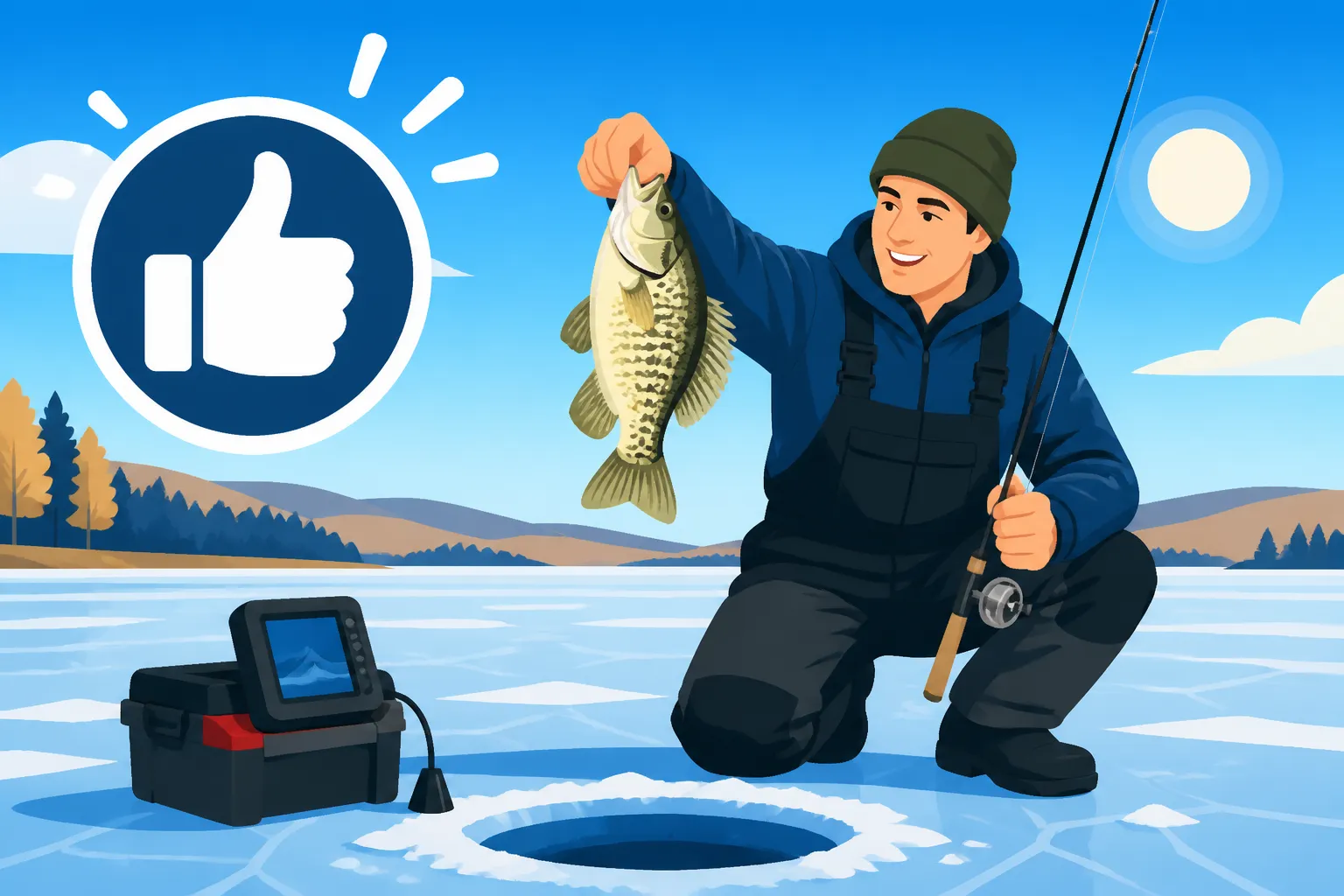
A good fish finder (flasher or LCD unit) is invaluable for locating fish and structure, especially on deeper lakes like West Okoboji and Spirit Lake. It allows you to see your bait and how fish are reacting to it, making you a much more efficient angler. As for augers, a powered auger (gas, propane, or electric) is highly recommended for drilling numerous holes quickly through thick ice. Hand augers can work, but for the thickness and number of holes you might need to drill, especially if you're chasing roaming schools of perch, a power auger saves a lot of energy.
Common Ice Fishing Challenges and Solutions
Ice fishing, especially on the Great Lakes, comes with its own set of challenges. Being prepared for them can turn a frustrating day into a memorable one.
- Wind and Cold: Iowa winters can be brutal. Dress in layers, wear waterproof and windproof outer shells, and invest in good quality insulated boots, gloves, and a hat. A portable shelter and heater are game-changers here. Hot beverages and snacks can also make a huge difference in morale.
- Locating Fish: On large lakes, fish can be anywhere. Don't be afraid to drill many holes and move frequently until you find active fish. Use your electronics to scan for depth, structure, and fish marks. Pay attention to community fishing spots, but also try to find your own. Resources like the Iowa DNR's Iowa Fishing Atlas Access Points can help you identify public access and potential hotspots.
- Finicky Bites: Sometimes fish are there, but they just won't bite. This is where varying your presentation comes in. Change lure colors, sizes, and retrieve speeds. Experiment with different baits – minnows, waxworms, spikes, or plastic imitations. Sometimes, a subtle change can trigger a feeding response. Don't forget to check Best Bait for Ice Fishing Crappie for specific panfish recommendations.
By being mindful of safety, equipping yourself properly, and understanding the unique characteristics of each of the Iowa Great Lakes, you'll be well on your way to a successful and enjoyable ice fishing season. There's a reason these lakes are a hard-water mecca for so many anglers – the potential for a truly epic day on the ice is always there.
Disclaimer
Fishing regulations and ice conditions can change rapidly. Always consult the official Iowa Department of Natural Resources (DNR) website for the most current Iowa Fishing Regulations Explained, safety guidelines, and Iowa Fishing Season Dates and Limits before heading out onto the ice. Ice safety is paramount; never assume ice is safe without proper verification.