Perch Limit at the Iowa Great Lakes
One of the trickiest parts about fishing in Iowa, especially when you're heading to popular spots like the Iowa Great Lakes, is keeping all those specific fish limits straight. It's easy to get excited about a hot bite for a tasty species like yellow perch, only to realize later you weren't entirely sure what the rules were. This guide is here to clear up any confusion you might have about the perch limit specifically for the beloved lakes of Spirit Lake, East Okoboji, and West Okoboji, ensuring your next angling adventure is both fruitful and compliant.
Understanding Iowa's Perch Regulations
Fishing regulations aren't just arbitrary rules; they're carefully crafted by the Iowa Department of Natural Resources (DNR) to maintain healthy fish populations and ensure that everyone has a chance to enjoy the incredible fishing opportunities our state offers. Yellow perch are a prime example of a species that needs careful management, especially because they're such a popular target, particularly during the ice fishing season.
Why Limits Exist for Yellow Perch
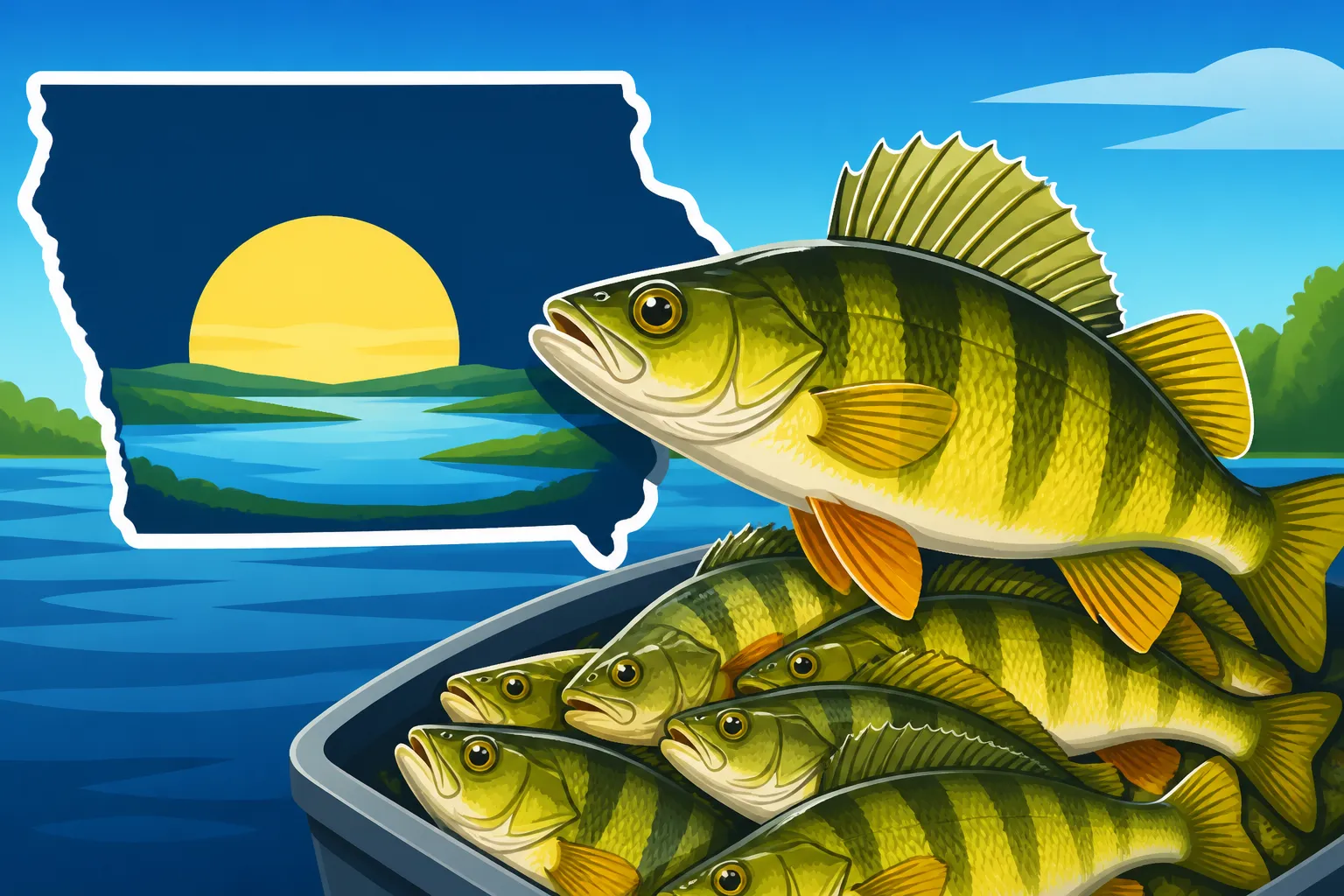
Yellow perch are a cornerstone of the Iowa Great Lakes' ecosystem and a favorite catch for anglers of all skill levels. Their flaky, white meat makes them a prized table fare, leading to significant fishing pressure. Without daily bag and possession limits, it would be all too easy for anglers to overharvest, quickly depleting local populations. This isn't just about ensuring there are enough fish for tomorrow; it's about maintaining a balanced food web, preventing disease outbreaks that can occur in overcrowded fish communities, and sustaining the overall health of our aquatic environments. The DNR continuously monitors perch populations, their growth rates, and reproductive success to set limits that promote a healthy, thriving fishery year after year. It's all about finding that sweet spot where anglers can enjoy their sport without jeopardizing the future of the resource.
Imagine a scenario where there were no limits. A large group of anglers could descend upon a popular perch spot, and if each person kept every fish they caught, even small ones, the impact would be devastating in a very short time. This is particularly true in smaller, more confined bodies of water, but even in larger systems like the Okobojis, sustained, unchecked harvest can lead to fewer and smaller fish in the long run. These regulations help spread the harvest among more anglers and across more fishing trips, ensuring that the next generation of fishers has just as good a chance at a full stringer as we do.
The Specific Daily Bag and Possession Limits for Yellow Perch
For yellow perch across most of Iowa's waters, including the entire Iowa Great Lakes chain, the daily bag limit is 25 fish, and the possession limit is 50 fish. It's crucial to understand the distinction between these two terms. The daily bag limit refers to the maximum number of fish of a particular species you can legally catch and keep in a single calendar day. So, if you're out on Spirit Lake from sunrise to sunset, you can only keep up to 25 yellow perch.
The possession limit, on the other hand, refers to the total number of fish you can have in your possession at any given time, whether that's in your cooler on the boat, in your vehicle, or stored at home. This limit is typically double the daily bag limit to allow for multi-day fishing trips. For instance, if you catch and keep 25 perch on Monday, you could potentially catch and keep another 25 on Tuesday, bringing your total possession to 50. However, once you hit that 50-fish possession limit, you cannot keep any more perch until some of your current possession has been consumed or given away, thereby reducing your total number of fish in possession. It's a system designed to manage overall harvest without completely preventing weekend warriors or vacationers from enjoying extended fishing trips. Always double-check the most current Iowa Fishing Regulations Explained for any subtle changes that might occur.
There is currently no minimum length limit for yellow perch in Iowa. This means that any size perch you catch, as long as it's healthy and meets the daily bag and possession limits, can be legally kept. However, many seasoned anglers practice selective harvesting, choosing to release smaller fish to grow larger and contribute to future spawning, opting instead to keep the mid-sized "eaters." This personal choice helps conserve the fishery and can lead to bigger fish for everyone down the line.
Navigating the Iowa Great Lakes Specifics
The Iowa Great Lakes are a jewel in Iowa's crown, attracting thousands of anglers, boaters, and vacationers every year. This chain of interconnected lakes – Spirit Lake, West Okoboji Lake, and East Okoboji Lake – boasts diverse habitats and supports a fantastic array of fish species. While many regulations are uniform across the state, some specific water bodies, especially popular ones, can have unique rules tailored to their ecological needs. However, when it comes to yellow perch, the statewide limits typically hold true for these popular destinations.
The Iowa Great Lakes: A Unique Fishery
When you talk about Fishing the Iowa Great Lakes, you're really talking about a vibrant, dynamic fishery. West Okoboji, known for its incredible depth and crystal-clear water, offers fantastic opportunities for cold-water species, while East Okoboji and Spirit Lake, often shallower, are prime for panfish, walleye, and northern pike. Perch thrive in these nutrient-rich waters, often congregating in large schools, particularly during certain seasons, making them a consistent and exciting target. This unique environment demands careful oversight to ensure its bounty remains for future generations.
The sheer popularity of these lakes, especially in Dickinson County, means they see a lot of fishing pressure. Whether it's families casting from a dock, seasoned anglers trolling from their boats, or ice shanties dotting the frozen landscape in winter, the perch get a lot of attention. That's why having clear, understandable regulations is so important. It ensures that while everyone can enjoy the thrill of catching these feisty fish, the resource isn't depleted by overenthusiastic harvest. It's a delicate balance that the Iowa DNR works hard to maintain, often through stocking programs and habitat improvement projects alongside these regulations.
Considering the high traffic these lakes experience, it's a testament to good management that the perch populations remain strong. Anglers often report excellent catches, particularly during the early ice season or in late spring. Understanding the specific limits is just one part of being a responsible angler who contributes to the ongoing health and vitality of this remarkable fishery. Checking guides like the Spirit Lake Fishing Guide, East Okoboji Lake Fishing Guide, and West Okoboji Lake Fishing Guide can offer additional localized insights, but for perch limits, the general rules typically apply.
Confirming Perch Limits for Spirit Lake, East and West Okoboji
Let's cut right to the chase: the general statewide daily bag limit of 25 yellow perch and the possession limit of 50 yellow perch absolutely applies to Spirit Lake, East Okoboji Lake, and West Okoboji Lake. There are no special or reduced limits for perch in these specific bodies of water that differentiate them from the general Iowa fishing regulations. This means you can confidently fish for yellow perch in any of these Iowa Great Lakes knowing that these numbers are your guiding limits.
It’s always a good idea to physically or digitally carry a copy of the current Iowa Fishing Regulations with you. Many local bait shops around the Great Lakes, like those in Arnolds Park or Okoboji, provide printed booklets, and the Iowa DNR website has a downloadable version. You can also quickly access this information through the GoOutdoors Iowa app on your smartphone, which is incredibly handy when you're out on the water. This way, if you ever have a moment of doubt, the answer is literally at your fingertips. Keeping up-to-date helps prevent accidental violations, which can unfortunately lead to fines and other penalties.
While the perch limit itself is straightforward, remember that other species in these lakes might have different regulations. For example, walleye often have length and slot limits, and other panfish like crappie and bluegill have their own specific rules. So, while you're focused on perch, make sure you're aware of the overall Iowa Fishing Daily Bag Limits Guide for all the species you might encounter. This holistic approach to understanding regulations ensures a smooth and enjoyable fishing experience every time you hit the water.
Best Practices for Ethical Perch Fishing
Catching your limit of yellow perch can be incredibly rewarding, but responsible angling goes beyond just adhering to the legal limits. It also involves practicing ethical fishing techniques that prioritize the health of the fish and the sustainability of the fishery. After all, we want to ensure future generations can experience the same thrill of landing a beautiful perch from the Iowa Great Lakes.
Releasing Fish Ethically
Even when there's a generous limit like 25 perch per day, practicing selective harvest and ethical catch-and-release is a hallmark of a thoughtful angler. You don't have to keep every single legal fish you catch. Consider releasing smaller perch, often called "dinks," that won't provide much meat. These smaller fish have a higher chance of survival and can grow to reproduce, contributing to a robust population for years to come. Plus, releasing smaller fish allows you to focus on keeping the larger, more desirable "eaters." It's a personal choice, but one that benefits the entire fishing community.
When you do choose to release a fish, whether it's undersized or just one you've decided not to keep, proper handling is paramount to its survival. Minimize the time the fish spends out of water; those gills need oxygen! Handle the fish with wet hands to protect its delicate slime coat, which acts as its first line of defense against disease and parasites. Try to avoid squeezing the fish, especially around its belly. If the hook is easily accessible, remove it quickly and gently. Barbless hooks can be a real game-changer here, allowing for super-fast and less damaging unhooking. Specialized tools like long-nose pliers or hook removers, easily found on Amazon or at local tackle shops, can also make the process much smoother, especially for deeply hooked fish.
Finally, if a fish seems sluggish after being unhooked, gently hold it in the water, supporting its belly, and allow water to flow over its gills until it regains its strength and can swim away on its own. This is particularly important in colder water or after a long fight. Remember, every fish successfully released is an investment in future fishing trips and the continued abundance of Perch Populations at the Iowa Great Lakes.
Avoiding Violations and Staying Informed
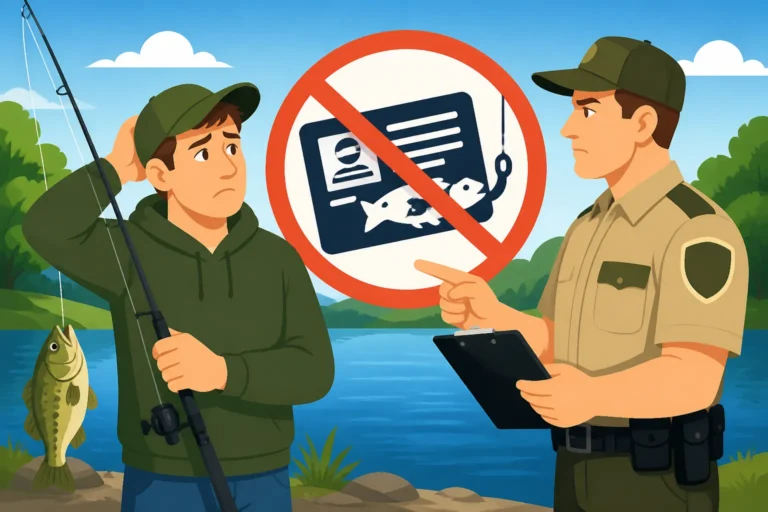
Ignorance of the law is never an excuse, especially when it comes to fishing regulations. The penalties for exceeding daily bag or possession limits can range from substantial fines to the loss of fishing privileges, which nobody wants. The best defense is a good offense: be informed before you even cast your first line. Always carry your current Iowa fishing license – whether it's a physical copy, on the GoOutdoors Iowa app, or even just a photo on your phone. If you're wondering Where to Buy a Fishing License in Iowa, most bait shops, sporting goods stores, and the DNR website are excellent resources.
It's also smart to be aware that regulations can sometimes change mid-season, especially if there's a significant environmental factor or a sudden shift in fish populations. While these emergency changes are rare, staying connected with the Iowa DNR website or local fishing forums can keep you in the loop. It’s also important to remember that if you're fishing with children who are old enough to need a license or who contribute to your daily bag limit, they also need to understand the rules. For more details, you can refer to the comprehensive Iowa Fishing License Guide.
If you ever witness someone clearly and repeatedly violating fishing regulations, such as keeping far more than the daily limit or using illegal methods, it's important to know that you can report it. The Iowa DNR has systems in place for Reporting a Fishing Violation in Iowa which helps them enforce the rules and protect our shared natural resources. Your vigilance helps ensure fair play for all anglers and the long-term health of our fisheries. Being a responsible angler means not just following the rules yourself, but also contributing to the overall integrity of the sport.
Perch Limits at the Iowa Great Lakes Summary
To help keep all this information straight, here’s a quick summary of the yellow perch regulations specifically for the Iowa Great Lakes and generally across Iowa:
| Regulation Aspect | Details for Yellow Perch (Iowa Great Lakes & Statewide) |
|---|---|
| Daily Bag Limit | 25 fish per angler per calendar day |
| Possession Limit | 50 fish total (including at home) |
| Length Limit | None (no minimum or maximum size) |
| Applicable Waters | Spirit Lake, East Okoboji, West Okoboji, and most Iowa waters |
| Important Note | Always check current Iowa DNR regulations for updates |
Remember, these limits are in place to ensure that these incredible bodies of water continue to provide excellent fishing opportunities for yellow perch and many other species for years to come. Enjoy your time on the water, be safe, and happy fishing!
Disclaimer
Please note that fishing regulations are subject to change. While this article provides the most current information available at the time of publication, it is always your responsibility to consult the official Iowa Department of Natural Resources (DNR) fishing regulations before you go fishing. The Iowa DNR website or their annual fishing regulations booklet are the definitive sources for all rules and updates.