Best Time to Fish the Iowa Great Lakes for Walleye
Trying to nail down the absolute best time to catch walleye in Iowa's iconic Great Lakes can feel like chasing a phantom, right? Those elusive fish have a knack for being exactly where you aren't, especially in such vast and diverse waters like West Okoboji, East Okoboji, and Spirit Lake. This comprehensive guide is here to demystify the walleye bite across these beloved lakes, helping you pinpoint the prime windows for success, no matter the season.
Understanding Walleye Behavior in the Iowa Great Lakes
To truly understand when to fish for walleye, you first need to grasp why they behave the way they do. Walleye are creatures of habit, their movements and feeding patterns heavily dictated by fundamental factors like water temperature, spawning cycles, and the availability of their preferred forage. The Iowa Great Lakes, with their varying depths and structures, offer a complex but rewarding challenge. Knowing these patterns is your first step to unlocking consistent walleye action.
Seasonal Migrations and Spawning Patterns
Walleye in the Iowa Great Lakes undergo predictable seasonal migrations linked directly to their biological needs. As the ice melts in spring, their primal urge to reproduce takes over. They'll move from deeper wintering holes into shallower areas, typically rocky shorelines, reefs, and points where they can broadcast their eggs. This pre-spawn period can offer some incredibly aggressive bites as they fuel up for the big event.
The actual spawn usually occurs when water temperatures hit the mid-40s to low 50s Fahrenheit, often in April. During this crucial time, the fish's focus shifts entirely to reproduction, making them less interested in feeding. This can be a frustrating period for anglers, as fish might be present but unwilling to bite. Once spawning is complete, the walleye slowly disperse to recover in slightly deeper, transition areas before settling into their summer patterns.
As summer progresses, walleye move to deeper, cooler waters to escape the heat and bright sunlight, often congregating around structural elements like humps, submerged islands, and deep weed lines. Come fall, as water temperatures drop, they embark on an intense feeding frenzy, bulking up for the lean winter months. This post-turnover period can be absolutely fantastic for catching large, aggressive walleye. Then, under the ice, their activity slows, but they remain catchable, often suspending over deep flats or holding near structure. Understanding these general movements is key to predicting where they might be holding throughout the year, a critical component of successful How to Catch Walleye in Iowa.
Impact of Water Temperature on Walleye Activity
Water temperature is arguably the single most important factor influencing walleye behavior. These cold-blooded fish's metabolism speeds up or slows down directly with the water temperature.
- Cold Water (30s-40s F): During late winter and early spring, walleye are sluggish. They'll feed, but bites are often subtle, and they prefer slow-moving baits. Their movements are restricted to deep, stable temperature zones or shallow staging areas as ice-out approaches.
- Cooling Up (40s-50s F): This is the magic zone for spawning. As water warms, walleye become more active, moving towards spawning grounds. Pre-spawn feeding can be vigorous, but during the actual spawn, they become largely unresponsive to baits. Post-spawn, they'll seek slightly deeper, comfortable temperatures to recover.
- Warm Water (60s-70s F): In summer, walleye are most active during dawn, dusk, and nighttime when temperatures are cooler and light levels are lower. During the day, they retreat to deeper, cooler parts of the lake, often relating to oxygen-rich structure or the thermocline if one exists. Their metabolism is high, and they can be aggressive feeders if you find them in their comfort zone.
- Cooling Down (50s-40s F): Fall is prime time! As the water cools from summer highs into the optimal feeding range, walleye become incredibly active, putting on the feedbag before winter. This is when you can find them in shallower areas than summer, often chasing baitfish.
Keeping an eye on surface water temperatures can give you a significant advantage, helping you predict fish location and preferred presentation. Many anglers use fish finders that display water temperature to help dial in their approach, and understanding How Water Temperature Affects the Walleye Bite is crucial for year-round success.
Prime Times for Walleye Fishing: A Seasonal Breakdown
While walleye can be caught year-round in the Iowa Great Lakes, certain seasons offer distinct advantages and challenges. Knowing these patterns will help you plan your trips and adapt your tactics, whether you're targeting West Okoboji, East Okoboji, or Spirit Lake.
Spring into Action: Pre-Spawn and Spawn
Spring is a season of transition and anticipation for walleye anglers in the Iowa Great Lakes. As the ice recedes, typically in late March or early April, the first window of opportunity opens.
- Ice-Out to Pre-Spawn (Water Temps 35-45°F): This early period, right after ice-out, can be phenomenal. Walleye are hungry and congregating in traditional staging areas near spawning grounds. Look for them in 5-15 feet of water, especially along rocky points, shallow reefs, and shorelines that warm up first, such as those with dark bottoms absorbing sunlight. Jigging Rapalas, blade baits, or slow-trolling stickbaits can be highly effective. The key is a slow presentation, as their metabolism is still ramping up. This is a great time to hit areas around The Grade on East Okoboji or the northern bays of Spirit Lake. If you're struggling to locate these pre-spawn fish, a local guide found on FishingBooker might offer invaluable insights into specific staging locations.
- The Spawn (Water Temps 45-50°F): This is generally the toughest time to catch walleye intentionally. Their focus is solely on reproduction. The males are more numerous and stay on the spawning beds longer, sometimes hitting a jig out of aggression rather than hunger. However, overall feeding activity drops significantly. Trying to target them during this window can often lead to frustration and may not be the most productive use of your time. Refer to the Walleye Season and Size Limits to ensure you're compliant with all regulations.
- Post-Spawn Recovery (Water Temps 50-60°F): After the spawn, walleye retreat to slightly deeper water (15-30 feet), often associating with the first break lines and deeper rock piles. They're recovering and slowly resuming feeding. This period can be excellent for slip-bobber fishing with leeches or minnows, or dragging jigs tipped with live bait along contours. The fish are often scattered but can be very aggressive once located. The channels connecting the lakes can also hold recovering fish. Many anglers plan their trips around the Iowa Walleye Season Opening Strategies to capitalize on these first bites.
Summer Strategies: Structure and Deeper Water
Summer fishing for walleye in the Iowa Great Lakes is a game of depth, structure, and low-light conditions. As surface waters warm significantly, walleye seek cooler, more comfortable temperatures.
- Early Summer (Water Temps 60-70°F): As the water warms, walleye begin to transition to their summer haunts. They’ll still be found on break lines, but often moving deeper, sometimes 20-40 feet. Trolling crankbaits or spinner rigs with crawlers along these breaks can be very effective, especially during early morning and late evening. Weed lines that offer shade and cooler water also become key holding areas.
- Mid-Summer (Water Temps 70°F+): This is when walleye go deep. Look for them concentrated around submerged islands, deep humps, main lake points, and the edges of sharp drop-offs in 25-50 feet of water, particularly on West Okoboji due to its depth. Night fishing becomes incredibly productive during this time, as walleye move shallower under the cover of darkness to feed. Trolling deep-diving crankbaits or casting jigs and plastics to lighted docks can yield big fish. Don't overlook the potential for productive night fishing, as discussed in Is Night Fishing Good at the Iowa Great Lakes?.
- Late Summer: As nights get longer, walleye might start making quicker, shorter forays into shallower water, especially if cool fronts pass through. However, the general pattern of deep structure during the day and shallower feeding at night still holds true. Using your electronics to locate schools of baitfish, which walleye will be following, is paramount. Many seasoned anglers rely on their How to Read a Fish Finder for Walleye skills to pinpoint these elusive fish.
Fall Feast: Aggressive Feeding Before Winter
Fall is a favorite season for many walleye anglers, and for good reason. As water temperatures begin to drop, walleye enter a period of intense feeding, driven by the need to store fat for winter.
- Early Fall (Water Temps 60-50°F): This is when the bite really turns on. Walleye become incredibly aggressive and can be found shallower than in mid-summer, often returning to rocky points, reefs, and even shallow flats where baitfish are abundant. Trolling crankbaits, casting jigs with plastics or live bait, and even ripping blade baits can be highly effective. The turnover period, which typically happens in late September or early October, can briefly slow the bite, but it usually picks up quickly afterward. Understanding Fall Turnover and How It Affects Fishing can help you navigate this transition.
- Mid-Fall (Water Temps 50-40°F): The feeding frenzy continues! Walleye will be actively chasing schools of baitfish. Look for them on the edges of main lake flats, deep points, and along drop-offs. Trolling with large crankbaits is a go-to tactic, covering a lot of water to find active fish. Jigging spoons or heavy jigs with minnows can also produce when fish are concentrated. This is prime time for targeting a Trophy Walleye Size in Iowa.
- Late Fall (Water Temps 40-35°F): As water temperatures plummet towards freezing, walleye activity slows but remains strong. They begin to move towards their deep wintering holes, often congregating in large schools. Vertical jigging with heavy jigs or spoons over deep structure is effective. This pre-ice period can offer some of the largest walleye of the year.
Winter Wonderland: Ice Fishing Walleye
Ice fishing for walleye on the Iowa Great Lakes, particularly Spirit Lake and West Okoboji, is a beloved tradition that offers unique challenges and immense rewards.
- Early Ice (First safe ice, Water Temps 32-35°F): This is often considered the best time for trophy walleye through the ice. Fish are still actively feeding and haven't fully adjusted to the slower winter metabolism. Target traditional early-season spots like shallow points, weed edges (especially green weeds), and neckdowns in 10-25 feet of water, typically found near areas that were productive in late fall. Small jigs tipped with minnows, Jigging Rapalas, or spoons are top baits. This is a high-energy period, but always prioritize safety on the ice.
- Mid-Winter (Stable ice, Water Temps 32-33°F): As winter progresses and ice thickens, walleye often move to deeper main lake structure. Look for them suspending over deep flats, along break lines of humps, or near deep rock piles in 25-50 feet of water. The bite becomes more subtle, and finesse presentations are key. Deadsticking with a lively minnow on a plain hook or a very slow jigging presentation with a small spoon or Swedish Pimple often works best. This is a time for patience and covering ground with a portable ice shelter. For more on staying safe and effective, check out our guide to Ice Fishing in Iowa.
- Late Ice (Before ice-out, Water Temps 33-35°F): Just before ice-out, as snow melts and water begins to flow under the ice, a resurgence in activity often occurs. Walleye start to stage for their upcoming spawn, moving back towards shallower points and reefs. The bite can pick up dramatically, resembling early ice conditions. This period can offer some of the most consistent action, but ice conditions can deteriorate rapidly, so extreme caution is advised.
| Season | Best Time of Day | Typical Depth Range (Feet) | Go-To Techniques | Recommended Baits |
|---|---|---|---|---|
| Spring | Early Morning, Late Evening | 5-25 | Jigging, Slow Trolling, Slip Bobber | Minnows, Leeches, Blade Baits, Stickbaits |
| Summer | Night, Dawn/Dusk | 20-50+ | Trolling, Deep Jigging, Slip Bobber | Crawlers, Leeches, Deep Cranks, Jigs |
| Fall | Mid-Day, Early Morning, Late Evening | 10-40 | Trolling, Casting, Vertical Jigging | Large Cranks, Plastics, Minnows, Spoons |
| Winter (Ice) | Low Light Hours, Mid-Day | 10-50 | Vertical Jigging, Deadsticking, Tip-Ups | Minnows, Small Jigs, Spoons, Rapalas |
Daily Considerations for Walleye Success
Even within the prime seasonal windows, daily factors can dramatically affect your walleye success in the Iowa Great Lakes. Paying attention to these subtle cues can turn a slow day into a memorable one.
Best Times of Day
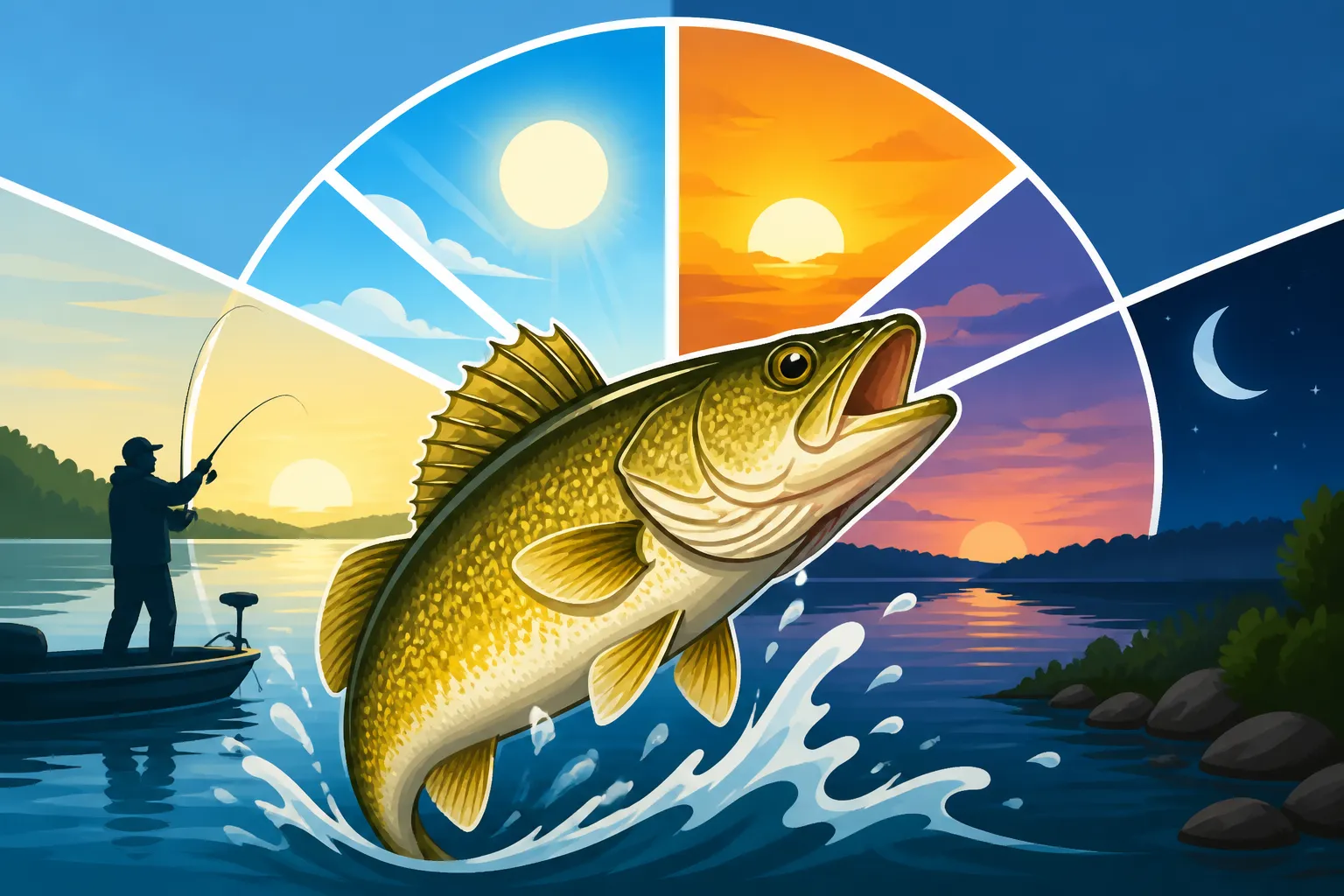
Walleye are often referred to as crepuscular, meaning they are most active during twilight hours—dawn and dusk. Their large, light-sensitive eyes give them an advantage over their prey in low-light conditions.
- Sunrise and Sunset: These are consistently the most productive times year-round. As the sun rises or sets, walleye often move into shallower feeding areas from their deeper resting spots. This is when you'll want to be on the water, actively casting or trolling along break lines and points. In spring and fall, these low-light periods can last longer and be incredibly intense.
- Night Fishing: During the warm summer months, night fishing can be more productive than daytime. Walleye, escaping the bright sun and heat, will move onto shallow flats, rock piles, and even close to lighted docks to feed. Trolling or casting glow-in-the-dark lures, stickbaits, or even using live bait under a bobber can be very effective. Many anglers swear by Is Night Fishing Good at the Iowa Great Lakes? for their summer walleye hunts.
- Overcast Days: Don't underestimate the power of a cloudy day. Overcast conditions mimic low light, often encouraging walleye to stay active and in shallower water for longer periods throughout the day. These are excellent days for a mid-day bite that you might not get on a sunny afternoon.
Weather and Environmental Factors
Beyond just temperature and time of day, other environmental factors play a huge role in walleye activity.
- Wind: Wind can be your best friend or your worst enemy. A moderate chop on the water breaks up light penetration, making walleye feel more comfortable moving into shallower water. Wind also creates currents that concentrate baitfish, drawing in predators. Focus on windblown points and shorelines where bait is pushed. However, too much wind can make boat control difficult and muddy the water, potentially slowing the bite.
- Cloud Cover: As mentioned, overcast conditions are generally favorable. They extend the prime low-light feeding windows and make walleye less skittish in shallower water.
- Barometric Pressure: A stable or slowly falling barometric pressure often corresponds with good fishing. A rapidly falling barometer, often associated with approaching storms, can sometimes trigger a pre-front feeding frenzy, but a sudden drop can also shut down the bite. Rising pressure after a front often makes fish sluggish and harder to catch for a day or two.
- Moon Phases: While anecdotal evidence varies, many anglers believe that certain moon phases, particularly the new and full moons, can influence walleye activity, often peaking around the actual moonrise or moonset. While not as critical as temperature or time of day, it's another factor to consider for advanced planning. If you're planning a trip to Fishing the Iowa Great Lakes and want to maximize your chances, checking a lunar calendar might offer a slight edge.
- Forage Base: Ultimately, walleye will be where the food is. Keeping an eye on baitfish schools, either visually or with your electronics, is key. If you find concentrations of yellow perch, gizzard shad, or other bait, walleye are likely to be nearby. Using Best Live Bait for Iowa Walleye that mimics the natural forage can be incredibly effective.
By understanding these patterns and adjusting your tactics accordingly, you'll be well on your way to consistent walleye success on the beautiful Iowa Great Lakes. Whether you're a seasoned angler or just starting your journey, the rewards of cracking the walleye code are truly unforgettable. If you're looking to elevate your experience or explore new techniques, consider booking a guided trip through FishingBooker – they often have local experts who can pinpoint the exact conditions and locations for a successful walleye outing.
Disclaimer
Fishing regulations, conditions, and fish behavior can change. Always consult the latest Iowa Department of Natural Resources (DNR) regulations before heading out. Safety first, especially when on the water or ice.