Winter Walleye Fishing Near Dubuque
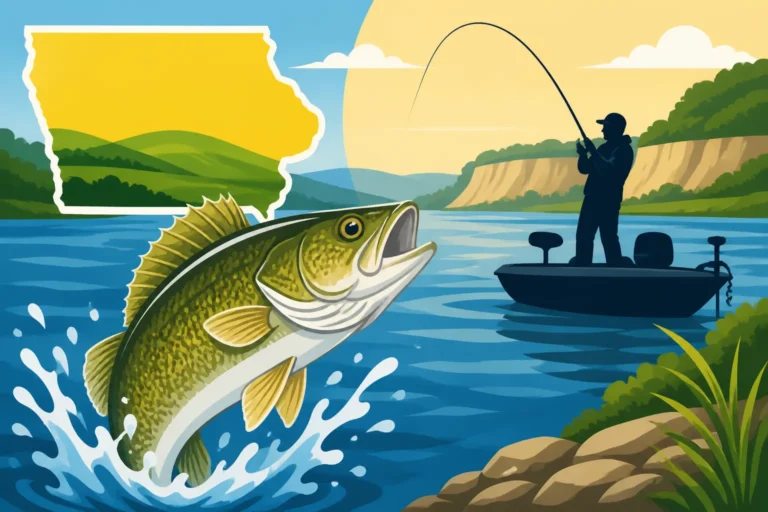
There's a special kind of grit that comes with chasing walleye in the dead of winter, especially when the mercury drops and the winds howl off the Mississippi River near Dubuque. Many anglers pack away their gear once the ice forms, but for those of us who know the secret, winter is a truly magical—and often less crowded—time to land some truly impressive walleye. This guide will cut through the cold and show you exactly how to tackle winter walleye fishing around Dubuque, from pinpointing the hottest spots to choosing the right gear and staying safe on the ice.
The Allure of Winter Walleye Fishing Near Dubuque
When the rest of Iowa is bundled up indoors, a unique opportunity opens up on the Mississippi River: a chance to battle big, feisty walleye in a setting of stunning, frosty tranquility. It's not for the faint of heart, but the rewards—both in fish and in experience—are well worth the effort.
Why the Mississippi River is a Winter Walleye Magnet
The Mississippi River isn't just any waterway; it's a dynamic, living ecosystem, and its unique characteristics make it an absolute magnet for walleye, even when temperatures plummet. Unlike many smaller, shallower lakes that might freeze solid and see fish become completely dormant, the constant flow of the Mississippi keeps certain areas open and oxygenated. This flow also dictates where baitfish and predators congregate.
The river's structure, particularly the series of lock and dam systems, plays a crucial role. Near Dubuque, Lock and Dam 11 creates bottlenecks and tailwaters where walleye naturally stack up. These areas offer predictable patterns and structure, providing crucial current breaks, deep holes, and scour areas where walleye can escape the main current, conserve energy, and ambush unsuspecting prey. Even in the coldest months, these areas concentrate baitfish, which in turn draws in hungry walleye looking for an easy meal. Furthermore, the river's sheer size and depth mean there are always pockets of suitable habitat, ensuring that walleye remain active, albeit at a slower pace.
The Thrill of the Cold-Weather Bite
Let's be real: winter fishing is tough. It's cold, sometimes brutally so, and the fish bite isn't always a screaming drag-peeler. But for those who embrace the challenge, the thrill of a winter walleye bite is unparalleled. These fish are often larger, healthier specimens that have survived seasons and are now aggressively feeding to maintain energy reserves in the frigid water.
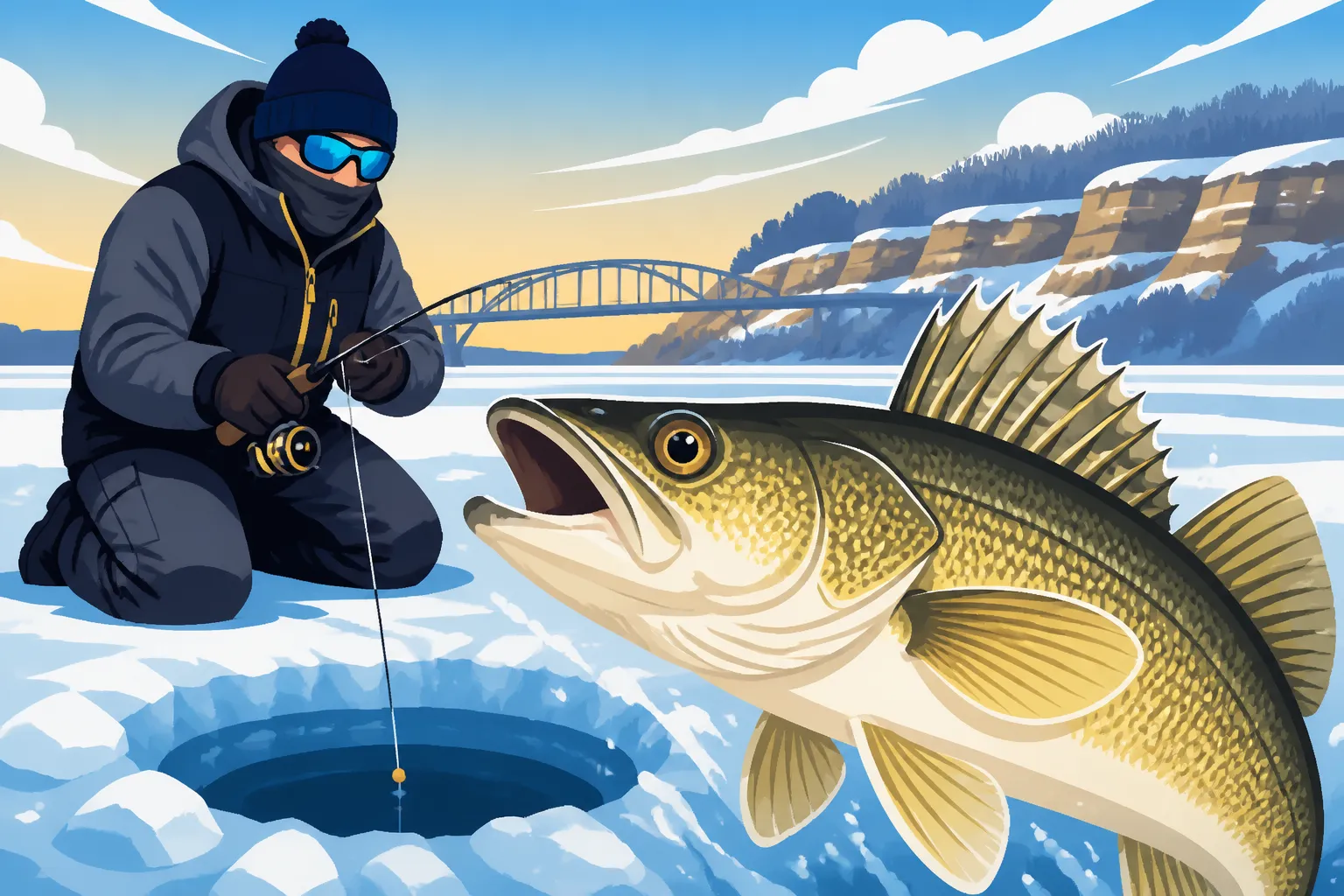
When you feel that subtle "thunk" through your line, or see a flag pop on a tip-up, there's a surge of adrenaline that warms you from the inside out. The fight itself can be epic, as cold-water walleye are powerful and determined. Plus, there's a serenity to winter fishing that you just don't find during the bustling summer months. Fewer boats, fewer anglers, and the pristine beauty of a frosted river create a peaceful, almost meditative experience. It's a true test of patience and skill, and when you finally hoist that golden walleye onto the ice or into the boat, the satisfaction is immense. You've earned that fish, and you've enjoyed an experience few others get to witness.
Prime Ice and Open Water Locations Around Dubuque
Dubuque sits on a fantastic stretch of the Mississippi River, offering both hardwater (ice fishing) and open water opportunities for walleye anglers in winter. Knowing where to focus your efforts can make all the difference between a productive trip and a cold, fruitless one.
Key Stretches and Backwaters for Ice Anglers
For those brave enough to venture onto the ice, the backwater sloughs and lakes adjacent to the main Mississippi River channel near Dubuque can be phenomenal. These areas, largely within Pool 11 and parts of Pool 12, offer sheltered spots where ice forms more reliably and fish, including walleye, often seek refuge from the main current.
Specific locations to consider include larger backwater areas like Frentress Lake, which often provides good ice stability and holds a solid population of walleye, sauger, and panfish. Smaller sloughs and bays connected to the main river can also be hotspots, especially those with deeper pockets or submerged timber. The key is to look for areas with sufficient depth (8-20 feet) and proximity to the main channel, as walleye will often move between these areas to feed. Remember, river ice is never entirely predictable, and conditions can change rapidly. Always check local ice reports, talk to bait shops like Fin & Feather in Iowa City or smaller local shops near Dubuque, and be absolutely vigilant about safety. Don't venture out alone, tell someone where you're going, and always carry safety equipment. For more detailed advice on safety, check out our guide on Ice Fishing Safety on Iowa Lakes.
Targeting Walleye in Open Water Tailraces and Wing Dams
For anglers preferring to stay off the ice or when conditions don't permit hardwater fishing, the open water sections of the Mississippi River near Dubuque can be incredibly productive. The tailwaters directly below Lock and Dam 11 are a prime example. The turbulent, oxygenated water below the dam is a natural congregating point for baitfish, which in turn draws in large numbers of walleye and sauger. These areas often remain ice-free due to the constant current, providing a reliable winter fishing option.
Fishing these fast-moving waters requires heavy jigs, blade baits, or stout crankbaits to get down to the fish. Focus on the seams where the fast current meets slower water, and look for deeper scour holes. Another fantastic open-water opportunity lies in targeting walleye around the numerous wing dams found along the Mississippi River. These rock structures extending from the bank into the river are designed to maintain the navigation channel, but they also create current breaks, eddies, and deep pockets that walleye absolutely love. Fishing the upstream and downstream sides of these structures, particularly near the tips or where they meet the shoreline, can be incredibly effective. For an in-depth look at fishing these river structures, you might find our article on Wing Dam Fishing on the Mississippi River helpful. If you're new to these challenging river systems, or just want to maximize your chances, consider hiring a local guide. Reputable services found on platforms like FishingBooker often specialize in winter walleye and can provide invaluable local knowledge and ensure a safe, productive outing on these demanding waters.
Essential Gear and Tackle for Hardwater Success
Winter walleye fishing demands specific gear that can withstand the cold, provide sensitivity for subtle bites, and handle the often larger fish encountered. Skimping on tackle can lead to frustration, or worse, lost fish.
Rods, Reels, and Lines for the Cold
When you're out on the ice, your typical open-water gear just won't cut it. Ice rods are specifically designed to be shorter, ranging from 24 to 36 inches, which allows for easier handling in tight spaces like an ice shack or when kneeling over a hole. For walleye, you'll want a medium-light to medium action rod with a sensitive tip to detect those light winter bites, but enough backbone to set the hook and fight a good-sized fish. Brands like St. Croix, Fenwick, and Clam offer excellent ice rods tailored for walleye.
Pair your rod with a small spinning reel (size 500 to 1000) that's rated for cold weather. Look for reels with a smooth drag system and sturdy metal components that won't freeze up. Filling your reel with the right line is equally critical. Many anglers opt for a braid main line (6-10 lb test) for its incredible sensitivity and zero stretch, allowing you to feel even the slightest tap. However, braid can freeze to itself, so many will use a fluorocarbon leader (6-10 lb test) for stealth and abrasion resistance. Alternatively, ice-specific monofilament lines, designed to stay supple in cold temperatures, are a good choice for those who prefer mono. For a comprehensive overview of essential winter fishing tools, our guide on Ice Fishing Gear Basics for Beginners is a great resource.
Must-Have Baits and Lures for Winter Walleye
The winter walleye bite can be finicky, so having a diverse selection of baits and lures is crucial. Jigging spoons are absolute staples. Lures like the Rapala Rippin' Rap, Northland Forage Minnow, or Custom Jigs & Spins Pro Series Slender Spoon create flash and vibration that imitate injured baitfish. Experiment with colors: glow-in-the-dark options are fantastic in stained water or low light, while natural colors (perch, minnow) often excel in clearer conditions. Tipping these spoons with a minnow head or a small piece of plastic can add scent and attraction.
Soft plastics are also incredibly versatile for finesse presentations. Small paddle tails, minnow imitators (like a Berkley Gulp! Minnow or a Z-Man Micro Finesse Shad), or tiny grub tails fished on a jig head can be deadly when walleye are lethargic. Often, a slow, subtle jigging motion or even a "dead stick" presentation where the bait is barely moved will elicit a strike. And, of course, you can't overlook live bait. Shiners, fatheads, or rosies fished on a plain hook under a small bobber or on a tip-up are often irresistible. The natural movement and scent of a live minnow can convince even the most stubborn walleye to bite. Don't be afraid to try different sizes and species of minnows to see what the fish are keying in on.
Beyond the Rod: Shelter, Augers, and Electronics
While your rod and reel are your primary tools, several other pieces of equipment are absolutely essential for comfort, safety, and success when winter walleye fishing near Dubuque. A good ice shelter is paramount for staying warm, especially on windy days. Options range from portable, pop-up shelters that are quick to set up and move, to larger, hub-style or even permanent shacks for extended stays. Make sure your shelter is well-insulated and has good ventilation if you plan to use a heater.
Next, you'll need an efficient way to drill holes. Manual augers are fine for a few holes in thinner ice, but for thicker ice or drilling many holes, a power auger is a game-changer. Propane, gas, and electric augers are all popular choices, each with its own pros and cons. For more details on choosing the right one, check out our guide on the Best Ice Auger for Iowa Ice Fishing. Finally, electronics like a flasher or a fish finder are almost non-negotiable for serious ice anglers. Brands like Vexilar, Marcum, and Humminbird offer units that provide real-time sonar readings, showing you your lure, the fish, and the bottom structure. This allows you to adjust your depth and presentation instantly, dramatically increasing your catch rate. A handheld GPS can also be invaluable for marking productive spots and navigating safely on large frozen expanses. Don't forget proper winter attire, layering is key to staying warm. Our piece on What to Wear Ice Fishing in Iowa has more details.
Mastering Winter Walleye Techniques
Winter walleye behavior is different from their summer patterns, requiring a shift in strategy. Successfully targeting them involves understanding their movements, presenting baits effectively, and adapting to their slower metabolism.
Aggressive Jigging vs. Subtle Presentations
When you're jigging through the ice for walleye, the presentation you choose can be the difference between a productive day and a frustrating one. Sometimes, especially during periods of low light or just before a cold front, an aggressive jigging technique can trigger a reaction strike. This involves short, sharp snaps of the rod tip, making your lure dart and flash, followed by a pause to let the bait settle. This mimics a frantic baitfish or can simply annoy a walleye into biting. Experiment with the height and frequency of your jigs; some days they want a foot-long rip, other days just a few inches. For specific tips on how to effectively jig for walleye through the ice, you might find our article on How to Jig for Walleye Through the Ice very informative.
However, more often than not, especially in deep winter or during a tough bite, subtlety is key. Walleye metabolism slows dramatically in cold water, making them less willing to chase. This is when a more subdued approach shines. Focus on slow, rhythmic lifts and drops, with extended pauses. Sometimes, simply holding your bait perfectly still a few inches off the bottom, or just above a fish you see on your flasher, is all it takes. This "dead stick" approach, often achieved with a secondary rod in a holder, can be incredibly effective. The key is to pay close attention to what the fish on your electronics are telling you and adjust your presentation accordingly. If they're moving in and out of your cone, but not committing, try slowing down.
The Art of the Tip-Up and Dead Stick
For many winter walleye anglers, tip-ups are a crucial part of the arsenal, especially on larger bodies of water like the Mississippi River backwaters. A tip-up allows you to cover more area and present live bait in a natural, enticing way. Set them up strategically around promising structure like drop-offs, weed edges, or submerged humps, and bait them with lively minnows like shiners or fatheads. The minnow's natural movements can often entice a bite when active jigging might not. Adjust your depth carefully, often placing the bait a foot or two off the bottom or midway through the water column if fish are suspended. When a flag pops, the waiting game begins – let the walleye take the bait before setting the hook.
Complementing tip-ups is the "dead stick" technique. This involves using a standard ice rod with a subtle presentation, often another live minnow or a small jig tipped with a minnow head, set in a rod holder directly over a hole. While you're actively jigging with another rod, the dead stick offers a passive option that can pick up bites from less aggressive fish. It's about maximizing your chances by offering varied presentations. Local fishing guides, many of whom you can find on platforms like FishingBooker, are masters of these multi-faceted approaches and can show you the nuances of setting up effective tip-up and dead stick spreads tailored to specific conditions.
Understanding Walleye Behavior in Cold Water
Successfully catching winter walleye hinges on understanding their cold-water behavior. As water temperatures drop, walleye generally become more lethargic and tend to congregate in deeper, stable areas. They're often found in large schools, hugging the bottom in deep holes, along sharp breaks, or near prominent underwater structure that offers protection from current. Their feeding windows become shorter and often coincide with low light periods – early morning, late afternoon, and even after dark. Our guide on Night Fishing Rules for Anglers provides some excellent tips for those who brave the dark.
During the daytime, they might move up shallower to feed briefly, especially on sunny days, but generally, they prefer deeper haunts. Pay close attention to current seams and eddies, as these spots provide a resting area for walleye while still offering a convenient ambush point for baitfish. Using your electronics to identify these deeper congregations and subtle structure changes is paramount. Remember that their bites can be incredibly subtle – sometimes just a slight "heaviness" on the line or a twitch of the rod tip – so constant vigilance and a sensitive rod are key.
Navigating Regulations and Ensuring Safety
Fishing the Mississippi River, especially in winter, requires not only skill but also a solid understanding of local regulations and, most critically, strict adherence to ice safety protocols.
Iowa's Winter Walleye Regulations
Before you even think about heading out, make sure you're familiar with Iowa's fishing regulations, specifically concerning walleye and sauger, which are often caught together. The Iowa DNR sets daily bag limits and minimum length limits that can vary by water body and species. For instance, the general statewide daily bag limit for walleye and sauger combined is typically 5, with a 15-inch minimum length limit for walleye, though sauger often have no minimum length. Always double-check the most current Iowa fishing regulations Explained before your trip, as they can change annually.
Fishing the Mississippi River can be particularly tricky due to its status as a border water. Reciprocal agreements exist between Iowa and neighboring states like Wisconsin and Illinois, which means a valid Iowa fishing license might allow you to fish certain shared waters without needing a non-resident license for the other state. However, it's crucial to understand these nuances. Our detailed guide on Reciprocal Fishing Rules on the Mississippi River Border can help clarify these complexities. Furthermore, be aware of any special area-specific rules that might apply to certain pools or backwaters near Dubuque. Having your Iowa Fishing License Guide handy is always a good idea.
Crucial Ice Safety Protocols
Ice fishing on any body of water, particularly a flowing river like the Mississippi, carries inherent risks. Ice conditions can change dramatically from one day to the next, or even from one spot to another just yards away. Never, ever assume the ice is safe. Constant vigilance is the number one rule. Always check local ice reports from bait shops or the Iowa DNR, and if possible, talk to other experienced local anglers.
As a general guideline, a minimum of 4 inches of clear, solid ice is needed for foot travel, 5-7 inches for a snowmobile or ATV, and 8-12 inches for a small car or truck. However, these are just guidelines; river ice can be highly unpredictable due to currents and varying depths. Always carry essential safety equipment: ice picks around your neck (for self-rescue), a throw rope, and a personal flotation device (PFD) are non-negotiable. Travel with a buddy, and inform someone of your fishing plans and expected return time. Be extra cautious around inlets, outlets, bridge pilings, and any areas with visible current, as these spots will have thinner ice. For more in-depth knowledge on critical measurements and warnings, take a look at our article on the Best Ice Thickness for Safe Ice Fishing. Reputable fishing guides, often found via resources like FishingBooker, prioritize safety above all else and are an excellent choice for navigating potentially hazardous winter conditions.
Respecting the Environment and Fellow Anglers
Part of enjoying the tranquil beauty of winter fishing is ensuring that it remains that way for everyone. Always practice "leave no trace" ethics: pack out everything you pack in, including bait containers, fishing line scraps, and any food wrappers. Nothing detracts from a pristine winter landscape like litter. Proper disposal of fish remains is also important; never leave fish carcasses on the ice.
Be mindful of other anglers. Sound travels far over ice, so keep noise levels down, especially if you're using a power auger near others. Give fellow anglers ample space, respecting their privacy and fishing holes. If you observe any illegal activity, such as exceeding daily bag limits or fishing without a license, report it to the Iowa DNR. Our guide on Reporting a Fishing Violation in Iowa provides information on how to do this discreetly and effectively. By being responsible and respectful, we all contribute to a positive and sustainable fishing environment for years to come.
Popular Winter Walleye Lures Comparison
| Lure Type | Best Use Case | Key Features | Pros | Cons |
|---|---|---|---|---|
| Jigging Spoons | Active fish, vertical jigging in current, probing depths | Metal construction, flash, rattles (some models) | Excites reaction strikes, good for current | Can be snaggy, needs active retrieve |
| Blade Baits | Vertical jigging, tight vibration, open water or ice | Thin profile, high vibration, multiple retrieve points | Excellent vibration, mimics fleeing baitfish | Can be expensive, susceptible to snags |
| Soft Plastics | Finesse presentations, slow bite, tipping jigs | Realistic profiles, infused scents, subtle movement | Highly versatile, can be dead-sticked | Less aggressive action, can tear easily |
| Live Minnows | Tip-ups, dead sticks, challenging conditions | Natural scent and action, irresistible to walleye | Highly effective, good for passive fishing | Requires care, can be finicky to rig |
| Small Jig Heads | Paired with plastics or live bait for precision | Tungsten or lead, various colors, hook sizes | Great for subtle presentations, versatile | Can be difficult to tie in cold weather |
Winter walleye fishing near Dubuque offers some of the most rewarding and challenging angling experiences Iowa has to offer. With the right knowledge, gear, and a healthy respect for the river and its unpredictable winter conditions, you're well-equipped to enjoy the thrill of battling these magnificent fish in a truly unique setting. Get out there, stay safe, and embrace the bite!
Disclaimer
Please remember that fishing regulations, ice conditions, and local advisories can change frequently. Always consult the most current Iowa Department of Natural Resources (DNR) regulations and check local conditions before heading out onto the ice or water. Safety should always be your top priority.