Fishing Below Lock and Dam 12 at Bellevue
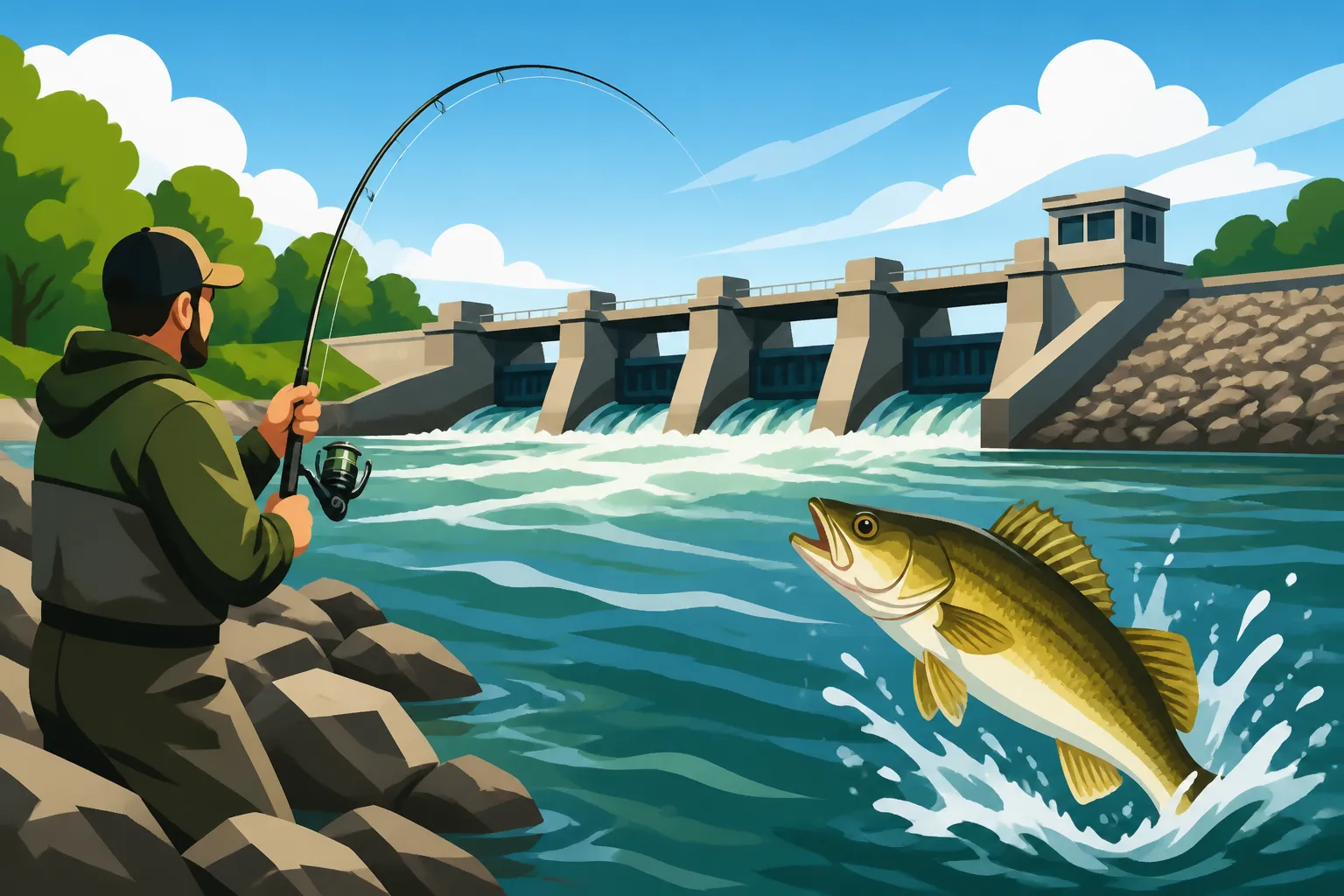
Fishing below a lock and dam can be one of the most exciting, yet intimidating, experiences for any angler. The sheer power of the water, the swirling currents, and the unknown depths can leave even seasoned veterans feeling a bit overwhelmed. But for those who master its secrets, the waters below Lock and Dam 12 at Bellevue, Iowa, offer unparalleled opportunities for trophy fish and action-packed days. This guide will help you understand the dynamics of this unique fishing ground, equipping you with the knowledge and strategies to tackle its challenges and reap its incredible rewards.
Understanding Lock and Dam 12 at Bellevue
Lock and Dam 12, nestled on the majestic Mississippi River near Bellevue, Iowa, isn't just a navigational aid for barges; it's a colossal fish magnet. The very design of the dam creates a dynamic environment that concentrates baitfish and, consequently, their predators. Think of it as a giant funnel that pushes nutrients, oxygenated water, and food sources into a relatively confined area, making it an irresistible cafeteria for nearly every fish species in the river. It’s this constant flow and the dramatic changes in water conditions that make fishing here so unique and, frankly, so productive.
The Allure of Current and Structure
The most significant factor attracting fish to areas below a dam is the current. Fish, especially species like walleye, sauger, and catfish, are drawn to moving water because it brings food directly to them, reducing the energy they need to expend searching for a meal. Below Lock and Dam 12, you'll find a chaotic yet predictable interplay of strong main channel current, swirling eddies, and calm backwater pockets. These different current speeds create distinct zones where various fish species prefer to hold. Walleye and sauger, for instance, often position themselves just out of the strongest current, in seam lines where fast water meets slow, waiting for stunned baitfish to drift by. Catfish, on the other hand, might tolerate stronger currents, especially large flatheads, using submerged timber or rock piles for ambush points.
Beyond the current, the dam itself and the surrounding riverbed offer incredible structure. We're talking about rip-rap along the banks, concrete abutments, submerged wing dams, current breaks formed by underwater humps, and scour holes created by the sheer force of the water. These features provide cover, ambush points, and vital sanctuaries from the relentless current. Understanding where these structures lie – whether through experience, a good fish finder, or even looking at old river maps – is key to success. Fish will orient themselves to these structures, often tightly, making precise lure placement absolutely critical. You might cast to the same spot five times with no bite, then shift your boat a few feet and suddenly you're in the middle of a hot bite. This isn't luck; it's finding that exact piece of structure where fish are holding.
Seasonal Water Fluctuations and Their Impact
The Mississippi River, particularly below a dam, is a constantly changing environment, and water levels and flow rates are the biggest variables. Spring often brings high water and strong currents due to snowmelt and rain, which can scatter fish or push them into more protected areas. During these times, targeting eddies, slack water pockets, and shoreline cover becomes more important. As the season progresses into summer, water levels generally stabilize, and the current might lessen, allowing fish to spread out more but still gravitate towards oxygen-rich areas created by the dam's outflow.
Fall often sees another period of fluctuating water as the system prepares for winter, but it's also a time of intense feeding as fish bulk up. Winter, while challenging, can offer open-water opportunities directly below the dam due to the constant water movement preventing ice formation. This can be an incredible time for walleye and sauger if you can brave the cold. These fluctuations aren't just about fish location; they also dictate fishing safety and accessibility. High water means more debris, stronger currents, and potentially submerged hazards. Always check the current river conditions before you head out, and understand that what worked last week might not work this week. Staying adaptable is the name of the game here.
Prime Fishing Opportunities and Target Species
The bounty of the Mississippi River below Lock and Dam 12 is truly impressive, offering a diverse array of sportfish that will test your skills and fill your cooler. From aggressive predators to powerful bottom dwellers, there's something for every angler.
Walleye and Sauger: The River's Gold
Ask any seasoned river angler what they're targeting below the dam, and chances are walleye and sauger will be at the top of the list. These cousins thrive in the turbulent, current-driven environments found here. Walleye tend to prefer slightly slower, clearer water and often hug deeper breaks and structures, while sauger are notorious for holding tighter to the bottom in stronger, muddier currents. The key to finding them is often locating those "seam lines" – the invisible boundaries where fast water meets slow, or where a current sweeps over a submerged hump or rock pile.
During the spring, as the water begins to warm and fish move into spawning patterns, the bite can be phenomenal. You'll find them congregating in massive numbers, especially during the Iowa Walleye Season Opening Strategies. Vertically jigging with heavy jigs (often 1/2 to 1 oz or more, depending on current) tipped with a minnow or a soft plastic can be incredibly effective. As the season progresses, trolling crankbaits along current breaks and deep flats becomes a favored tactic. Don't forget to check the Walleye Season and Size Limits, as regulations can vary. Many anglers find that hiring a local guide, especially through platforms like FishingBooker, can give you a significant edge in understanding the nuanced movements of these fish throughout the season.
Hard-Fighting Catfish
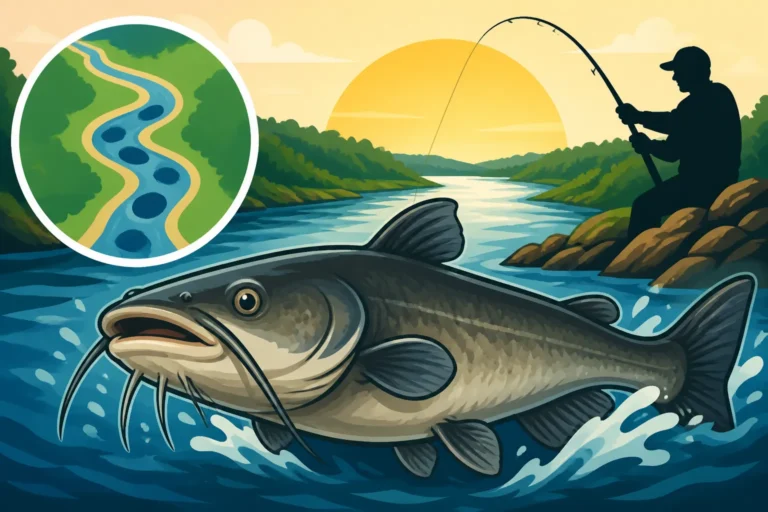
If brute strength and an amazing fight are what you're after, the catfish population below Lock and Dam 12 will not disappoint. Channel catfish, blue catfish, and flathead catfish all call these waters home. Channel cats are abundant and can be caught on a variety of baits, from stink baits and cut bait to worms and prepared baits. They're often found in slightly slower currents, around snags, and in deeper holes. Flatheads, the true river monsters, prefer live bait (like a large minnow, a sunfish, or a small carp) and lurk in heavy cover, often near submerged timber or rocky crevices in the main channel. Blue catfish, while less common than channels, are growing in numbers and size, offering incredible fights on cut bait or live bait in swift currents.
Fishing for catfish here often involves heavy tackle and anchoring strategically. Look for areas with a slower current adjacent to deeper holes or significant structure. Remember to consult the Catfish Possession Limits to stay within legal boundaries. Many anglers opt for a bottom rig, such as a Carolina rig or a three-way swivel rig, with enough weight to hold the bait firmly on the bottom. During warmer months, especially from late spring through early fall, the bite can be non-stop, making for some truly memorable outings. When booking a trip through FishingBooker, you might even find guides specializing in these powerful bottom dwellers.
Bass and Panfish in the Eddies
While walleye and catfish get a lot of attention, the waters below Lock and Dam 12 also offer fantastic opportunities for largemouth bass, smallmouth bass, crappie, bluegill, and even some hefty white bass. These species tend to shy away from the strongest currents and instead seek out the calmer, oxygen-rich eddies and backwater areas. Look for current seams, submerged brush piles, boat docks, and rocky shorelines that offer a break from the main flow.
Smallmouth bass are particularly fond of rocky areas and can be targeted with crankbaits, spinnerbaits, or jigs fished near current breaks. Largemouth bass will often be found in the quieter, vegetated backwaters or around laydowns. Panfish like crappie and bluegill will school up in eddies, often near submerged structure or brush, making them excellent targets for light tackle. For crappie, try vertical jigging small jigs or minnows. Trolling for Crappie in Iowa is also a popular method for covering water. A simple bobber and worm or minnow rig can produce excellent results for bluegill and other sunfish. These species provide excellent sport and are a fantastic option if the river's main current is too strong or the walleye bite is slow.
Essential Techniques for Success Below the Dam
Fishing below a dam demands a diverse skillset and a willingness to adapt. What works one day might not work the next, due to changes in water flow, clarity, or fish behavior. However, certain core techniques consistently produce results in these dynamic conditions.
Jigging the Breaks
Vertical jigging is arguably the most iconic and often most effective technique for walleye and sauger below a dam. The strong current creates distinct "breaks" where fish will hold, often hugging the bottom or a specific piece of structure. The goal is to present your jig directly in their strike zone. This usually means using a heavy jig (often 1/2 oz to 1 oz or even more) to maintain bottom contact in the swift current. Tip your jig with a live minnow, a soft plastic like a grub or paddle tail, or even a plastic/minnow combo.
The technique involves positioning your boat upstream of your target area, often with the help of a powerful trolling motor or by slowly drifting, and letting your jig fall straight down. You want to feel it tick the bottom, then lift it a few inches, let it fall, and repeat. The takes can be subtle – a light "thump," a sudden heaviness, or just a lack of tension when you lift. When you feel anything unusual, set the hook hard! This is a proactive, hands-on approach that requires constant attention to your line and feel for the bottom. Practicing Jigging Techniques for River Walleye will greatly improve your catch rates. It's not about casting far; it's about precision and vertical control.
Trolling and Drifting Presentations
When fish are more scattered or less aggressive, or when you want to cover more water, trolling and drifting become invaluable. Trolling involves using your main engine or a large trolling motor to pull crankbaits, bottom bouncers with crawler harnesses, or three-way rigs through specific areas. This allows you to present your bait at a consistent depth and speed, covering long stretches of current breaks, submerged humps, or channel edges. Matching the lure's diving depth to the fish's holding depth is critical, as is maintaining a speed that makes your lure enticing in the current.
Drifting, on the other hand, relies on the current to move your boat and bait. This is particularly effective for covering large flats or deep channels. You might use a drift sock (or sea anchor) to slow your drift and maintain boat control, especially on windy days. Drifting bottom bouncers or three-way rigs with live bait (minnows or nightcrawlers) is a common and highly successful method for walleye and sauger. Catfish anglers often drift large cut bait on heavy rigs over deeper holes. Both trolling and drifting require constant monitoring of your electronics to identify fish and structure, and to adjust your presentation accordingly.
Shore and Bank Fishing Tactics
Not everyone has a boat, and that's perfectly fine! Lock and Dam 12 at Bellevue offers accessible shore and bank fishing opportunities, particularly on the Iowa side. While you might not be able to reach every prime mid-river spot, the eddies and current breaks close to shore can be incredibly productive. Shore anglers often target catfish, drum, carp, and even walleye that move into shallower water, especially during low light conditions or periods of reduced boat traffic.
Simple bottom rigs are usually the go-to here. A stout rod, a good spinning reel, and enough weight to hold your bait in the current are essential. For catfish, fresh cut bait, nightcrawlers, or prepared baits fished on the bottom in slightly calmer water near a current seam will often produce bites. For walleye, casting crankbaits or heavy jigs (tipped with a minnow or plastic) parallel to the current breaks can be effective, especially at dawn or dusk. Remember to practice responsible angling by not leaving any litter, especially discarded fishing line, which can be harmful to wildlife. Even without a boat, you can have fantastic success below the dam if you understand how fish use the shoreline structure and current breaks.
Navigating the Waters: Safety and Access
Fishing below a lock and dam, particularly on a major river like the Mississippi, comes with inherent risks. The sheer power of the current, the unpredictable eddies, and the presence of commercial barge traffic demand a heightened awareness of safety and respect for the river.
Boat Launch Access and River Navigation
For boat anglers, accessing the water below Lock and Dam 12 is relatively straightforward, with several public boat ramps available in and around Bellevue. On the Iowa side, the City of Bellevue offers convenient access points, often with ample parking. Once on the water, you'll immediately feel the river's power. It’s critical to understand the nuances of river navigation, especially in areas with strong currents and barge traffic. Always maintain a watchful eye for towboats and barges, which have the right of way and create massive wakes that can be dangerous for smaller fishing boats.
Navigating below the dam means understanding the main channel, side channels, and various structures. A reliable GPS unit with detailed mapping is highly recommended, alongside traditional paper maps. Pay close attention to navigation markers – red buoys on your right when going upstream, green on your right when going downstream (red-right-return rule). However, below the dam, the turbulence can sometimes shift buoys or obscure markers, so always be vigilant. Knowing where the Mississippi River Pool 12 Fishing is can help you understand the broader context of the water you're in. This is not the place for novice boat operators to learn the ropes; experience navigating moving water is a definite asset here.
Safety First: Understanding the Dangers
The number one rule when fishing below a lock and dam: NEVER, EVER go above the warning buoy line towards the dam itself. This area is incredibly dangerous due to strong undertows, sudden current changes, and the operation of the dam gates. There are often visible warning signs and buoy lines, and they are there for a reason. Respect them. Even in the areas below the dam where fishing is permitted, currents can be treacherous. Strong boils, swirling eddies, and sudden current shifts can quickly pull a boat off course or capsize a small craft. Always wear your life jacket, ensure it's properly fitted, and have all required Boat Safety Equipment for Iowa Waters onboard, including throwable flotation devices.
Beyond the immediate hazards of the dam, be aware of other river dangers. Submerged debris, floating logs, and unexpected sandbars can be hazards, especially after heavy rains or during high water. Always monitor weather conditions closely. Sudden thunderstorms can bring high winds and lightning, turning a pleasant fishing trip into a perilous situation. If you're new to the area, consider going out with an experienced angler or, better yet, hiring a local guide through a service like FishingBooker. They know the safe zones and the dangers intimately.
Regulation Reminders for Border Waters
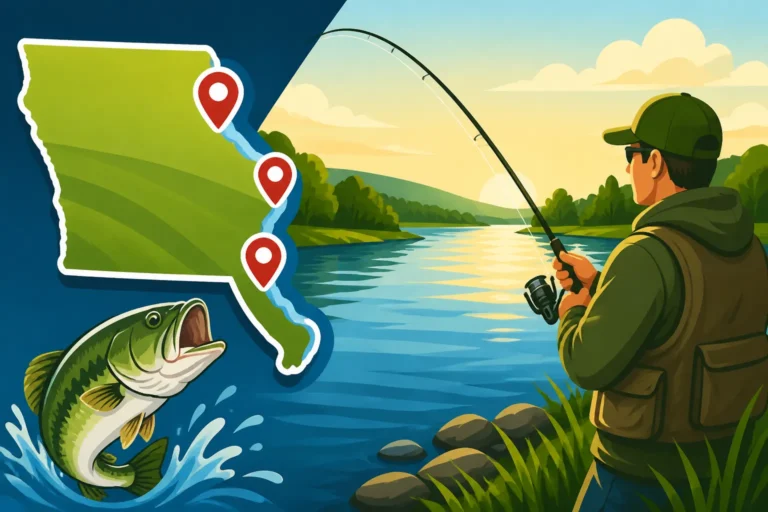
Fishing the Mississippi River below Lock and Dam 12 means you're often dealing with reciprocal agreements between Iowa and Illinois. It’s crucial to understand the Iowa Fishing Regulations Explained as well as the reciprocal fishing rules. Generally, if you have a valid Iowa fishing license, you can fish the shared waters of the Mississippi River from either the Iowa or Illinois bank, and you can launch your boat from either state and fish the main channel. However, there can be nuances regarding tributaries, bayous, and specific backwater lakes entirely within one state's boundary.
Always carry your Iowa Fishing License Guide with you, along with a copy of the current regulations booklet. Pay particular attention to daily bag limits and length limits, as these can vary by species and sometimes even by specific pools or areas of the river. For example, some species might have a continuous open season on the Mississippi, while others have specific windows. Ignorance of the law is not an excuse, and game wardens patrol these waters regularly. Staying informed ensures a hassle-free and legal fishing experience.
Gear Up: Tackle and Equipment Considerations
Successfully tackling the diverse challenges and opportunities below Lock and Dam 12 requires a thoughtful approach to your gear. The turbulent water, potential for trophy fish, and varied techniques mean you can't just show up with any old rod and expect to dominate.
Rod, Reel, and Line for River Battles
For walleye and sauger, a medium-heavy power spinning or baitcasting rod, typically 6'6" to 7'6" in length, is a good starting point. This length provides the leverage needed to fight strong fish in current and cast heavier lures. The sensitivity of the rod tip is crucial for feeling those subtle bites in noisy water. Pair this with a reliable spinning reel in the 2500-3000 size range or a sturdy baitcaster with a good drag system.
When it comes to line, braided line in the 10-20 lb test range is a popular choice for its sensitivity, strength, and lack of stretch, which is excellent for feeling bottom and detecting light bites. However, it's often wise to tie a fluorocarbon leader (6-12 lb test) to the braid. Fluorocarbon is nearly invisible underwater and has excellent abrasion resistance, which is vital when fishing around rocks and submerged timber. For catfish, you'll want to step up your gear significantly: a heavy or extra-heavy power rod, 7-9 feet in length, paired with a large baitcasting reel capable of handling 30-80 lb braided line or heavy monofilament. Remember, you're not just fighting the fish; you're fighting the fish and the current.
Lure and Bait Selection
The currents below the dam demand lures that can get down quickly and stay in the strike zone. Heavy jigs (1/2 oz to 1 oz+) are foundational. Tipped with minnows, worms, or soft plastics like paddle tails, grubs, or fluke-style baits, they are irresistible to walleye and sauger. Experiment with jig head colors – bright chartreuse, orange, and white often work well in stained river water. For crankbaits, choose models with a deep diving lip that can reach the desired depth and have a tight wobble that mimics baitfish. Shad-style and perch-pattern crankbaits are perennial favorites.
Live bait is a game-changer for many species. Large fathead minnows or shiners are excellent for walleye and sauger, presented on jigs, bottom bouncers, or three-way rigs. Nightcrawlers are universally effective for panfish, bass, and especially channel catfish. For flathead catfish, live bluegills, sunfish, or even small carp are prime choices. Cut bait, such as shad or other oily fish, works wonders for channel and blue catfish. Having a diverse selection of both artificial lures and live/cut bait will maximize your chances of success.
Electronics for Dam Fishing
In this complex environment, marine electronics are not just a luxury; they're almost a necessity for serious anglers. A good fish finder with down imaging and side imaging capabilities can reveal invaluable information about the underwater topography, structure, and fish location. Being able to see scour holes, rock piles, submerged logs, and schools of baitfish in real-time gives you a huge advantage. Features like GPS mapping and chartplotter capabilities are also critical for marking productive spots, navigating safely, and returning to specific waypoints.
A powerful bow-mounted electric trolling motor with GPS Spot-Lock technology is another game-changer. This allows you to hold your boat precisely over a productive area, even in strong currents, freeing you up to focus on fishing rather than constantly maneuvering the boat. Brands like Minn Kota and MotorGuide offer excellent options. While you can catch fish without all the high-tech gadgets, having them significantly enhances your ability to understand the water, stay on fish, and ultimately, put more fish in the boat. Consider how a top guide found on FishingBooker might leverage such technology to ensure their clients' success.
Seasonal Strategies for Bellevue Fishing
The Mississippi River below Lock and Dam 12 offers year-round fishing opportunities, but the best tactics and target species shift dramatically with the seasons. Adapting your approach to water temperature, flow rates, and fish behavior is key to consistent success.
Spring Fling: Post-Spawn Action
Spring is a time of renewal and often intense fishing action below the dam. As ice retreats (if it formed at all), and water temperatures begin to rise, many species become highly active after their winter sluggishness. The biggest draw is often the post-spawn aggregation of walleye and sauger. After completing their spawning rituals upstream or in nearby tributaries, these fish drop back down into the main river, congregating in large numbers below the dam to feed aggressively and recover. This is when the bite can be truly epic, especially for those targeting the spring Walleye Fishing Techniques for Iowa Rivers.
During this period, vertical jigging with minnows or soft plastics is often the most effective method, particularly in current seams and deeper scour holes. The fish are often concentrated, making it possible to catch multiple fish from a single spot. However, spring also often means higher water levels and stronger currents due to snowmelt and spring rains. This necessitates heavier jigs and careful boat positioning. Pay attention to water clarity; if it's exceptionally muddy, bright-colored jigs or baits that produce vibration can be more effective.
Summer Heat: Night Fishing and Deep Water
As summer progresses and water temperatures climb, the fishing can become more challenging, but also more rewarding for those who adapt. Many fish species will move to deeper, cooler, and more oxygenated waters during the heat of the day. This is a prime time for targeting the deeper holes and structure that the dam creates. Catfish, in particular, thrive in the summer heat, and their bite can be phenomenal throughout the day and well into the night. Night Fishing Techniques for Catfish can be incredibly productive, as cooler temperatures bring these powerful fish into shallower feeding areas.
For walleye and sauger, deeper trolling with crankbaits or bottom bouncers with crawler harnesses becomes a popular tactic. Look for them holding tight to the bottom in 20-30 feet of water or more. Early morning and late evening bites can also be strong, as fish move out of the deepest haunts to feed in slightly shallower current breaks. Panfish like crappie and bluegill will often school around submerged brush piles or deep cover in eddies. Patience and persistence are key during the summer months, along with a willingness to experiment with different depths and presentations.
Fall Feeding Frenzy
Fall is another fantastic season for fishing below Lock and Dam 12, as fish begin their pre-winter feeding frenzy. Water temperatures cool, and fish become incredibly active, trying to pack on as much weight as possible. This is arguably the best time to catch a trophy walleye or sauger. They will be aggressively hitting a variety of lures, from jigs and minnows to crankbaits and spinnerbaits. The fish often move shallower than in summer, but still orient strongly to current breaks and structure.
Look for large schools of baitfish, as the predators won't be far behind. Trolling crankbaits along channel edges and wing dams can be highly effective, as can vertical jigging in deeper current seams. Bass, both largemouth and smallmouth, also become very active in the fall, hitting topwater lures in the mornings and crankbaits or jigs throughout the day. The comfortable weather and vibrant fall foliage also make for a truly enjoyable fishing experience, often resulting in some of the biggest fish of the year.
Winter Wonders: Ice-Free Opportunities
While much of Iowa freezes over in winter, the constant flow of water below Lock and Dam 12 often keeps the river open, providing unique open-water fishing opportunities. This is a time when walleye and sauger can be incredibly concentrated and susceptible to vertical jigging. The cold water forces them to conserve energy, so they'll often hold tightly to structure in deeper, slower currents, waiting for an easy meal.
Winter fishing here is not for the faint of heart – expect cold temperatures, potentially strong winds, and the need for warm, layered clothing. However, the rewards can be immense, with some of the best walleye and sauger fishing of the year. Anglers often target specific holes or current breaks directly below the dam or in the main channel. Heavy jigs tipped with large minnows are the go-to presentation. While not traditional Ice Fishing in Iowa, the challenges of winter open-water fishing demand extra preparation and caution, particularly regarding boat maintenance and safety.
Choosing the Right Guide and Resources
Navigating the complexities of fishing below Lock and Dam 12 can be a steep learning curve. Even for experienced anglers, local knowledge is invaluable. Utilizing guides and resources can significantly shorten this learning curve and maximize your success.
The Value of Local Fishing Guides
There's no substitute for experience, especially when it comes to fishing a dynamic river system like the Mississippi below a dam. A local fishing guide who specializes in this area has spent countless hours on the water, understanding the subtle nuances of current, structure, seasonal movements, and fish behavior. They know where the fish are likely to be biting on any given day, what baits and techniques are most effective, and crucially, how to navigate the water safely.
Booking a trip with a professional guide, perhaps through a platform like FishingBooker, can be an investment that pays dividends. You'll learn proper techniques, gain insights into reading the water, and often catch more fish than you would on your own. Guides also typically provide all the necessary gear and bait, making it a hassle-free experience. This is especially beneficial for those new to river fishing or visiting the area for the first time. They can teach you the secrets of How to Catch Walleye in Iowa's rivers specifically. Even if you're an experienced angler, a guided trip can reveal new strategies and hot spots you might otherwise overlook.
Essential Resources for Anglers
Beyond hiring a guide, several resources can help you prepare for a successful trip to Lock and Dam 12. First and foremost, always have a copy of the current Iowa Fishing Regulations Explained. These booklets are available from the Iowa Department of Natural Resources (DNR) and detail all species-specific limits, seasons, and any special rules for border waters.
Online resources are also invaluable. The Iowa DNR website provides fishing reports, stocking information, and access to maps and public access points. Weather and river condition websites (like those from the National Weather Service or USGS) offer real-time data on water levels, flow rates, and temperatures, which are critical for planning your trip. Additionally, local bait shops are treasure troves of information. The folks working there are often local anglers themselves and can provide up-to-the-minute reports on what's biting, where, and on what bait. Don't be shy about striking up a conversation – their insights can be golden.
| Species | Primary Techniques | Best Bait/Lure | Preferred Habitat Below Dam |
|---|---|---|---|
| Walleye/Sauger | Vertical Jigging, Trolling | Minnows, Jigs, Crankbaits | Current seams, scour holes, channel edges |
| Channel Catfish | Bottom Fishing, Drifting | Cut bait, Worms, Prepared baits | Deeper holes, snags, slack water |
| Flathead Catfish | Bottom Fishing | Live bluegills, Live minnows | Heavy cover, submerged timber, rock piles |
| Smallmouth Bass | Casting, Jigging | Crankbaits, Jigs, Spinnerbaits | Rocky areas, current breaks |
| Largemouth Bass | Casting | Soft plastics, Spinnerbaits, Jigs | Quieter backwaters, vegetation, laydowns |
| Crappie | Vertical Jigging, Trolling | Small jigs, Minnows | Eddies, brush piles, submerged structure |
| Bluegill/Sunfish | Bobber Fishing | Worms, Small jigs | Calm eddies, shoreline vegetation |
Disclaimer
The information provided in this guide is for general informational purposes only and is not a substitute for official regulations. Fishing conditions, regulations, and safety requirements can change rapidly. Always consult the latest Iowa Department of Natural Resources (DNR) regulations and local authorities before fishing. Your safety is your responsibility.