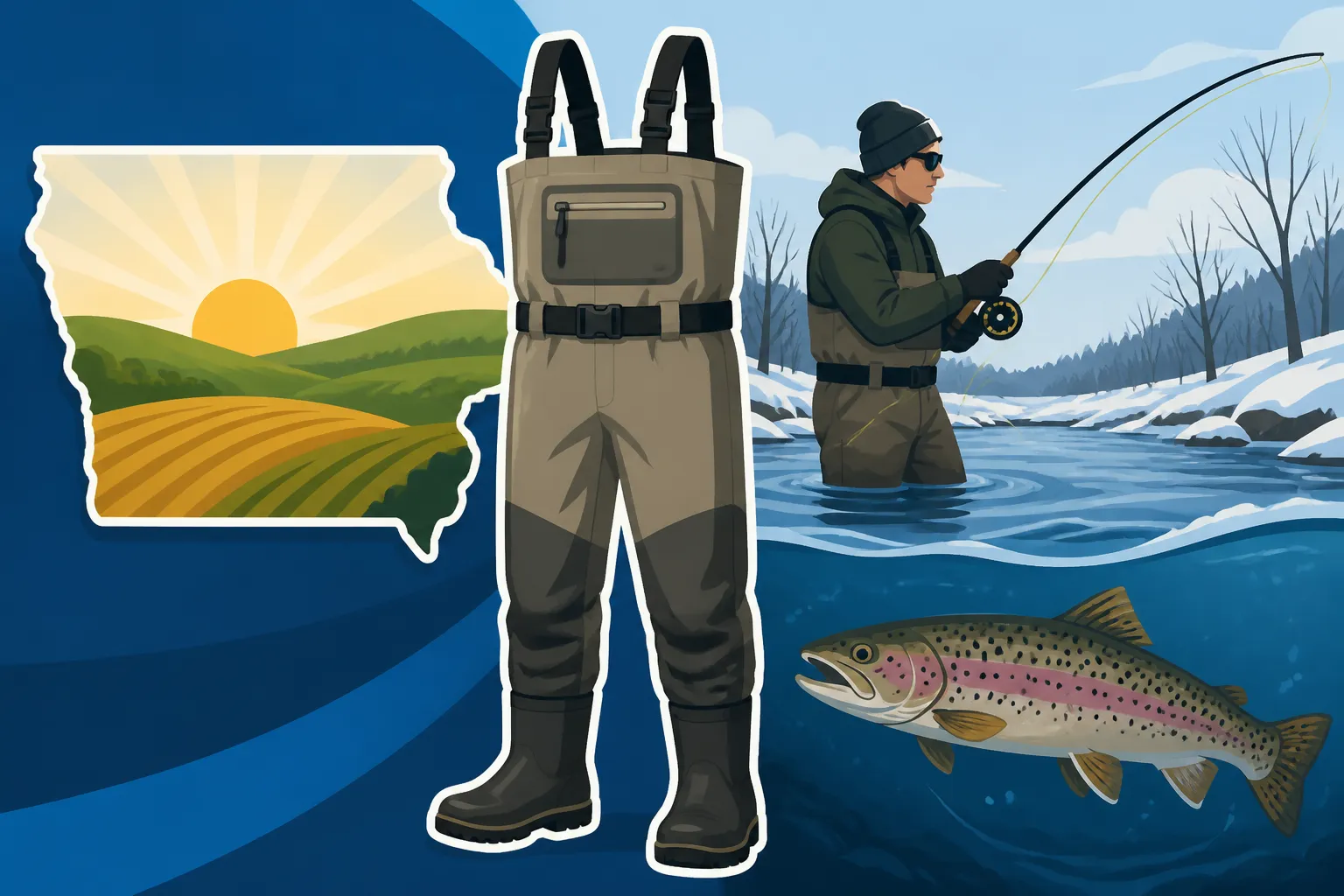
Best Waders for Cold Water Trout Fishing
Stepping into Iowa's beautiful trout streams, especially during those crisp, chilly mornings or even colder winter stockings, can be an absolutely invigorating experience – that is, if you're dressed for it. There's nothing quite like the shock of icy water seeping through inadequate gear to ruin an otherwise perfect fishing trip. Trying to focus on your drift or retrieve when your legs are numb and your feet are aching from the cold is a battle no angler wants to fight. This comprehensive guide is here to walk you through everything you need to know about choosing the very best waders specifically designed for cold water trout fishing in Iowa, ensuring your comfort, safety, and ultimately, your enjoyment on the water.
Why Quality Cold Water Waders are Essential for Iowa Trout Anglers
When you're braving the often-frigid waters of Iowa's northeast trout streams or even those community ponds during a winter stocking, your waders aren't just a piece of gear; they're your primary defense against the elements. The small, freestone streams like those you'll find around Decorah or Manchester can be surprisingly cold, even on a milder day, because they're spring-fed and shaded. In the winter months, when the Iowa Department of Natural Resources often schedules trout stockings, you're talking about water temperatures that can hover just above freezing. Without the right protection, you're not just uncomfortable; you're putting yourself at risk for hypothermia and significantly shortening your time on the water.
The Impact of Cold Water on Your Body and Fishing Performance
Imagine wading into a stream, feeling that initial rush of cold water, and within minutes, the chill starts to creep in. Your toes tingle, then ache, and soon your entire lower body feels like it's encased in ice. This isn't just unpleasant; it impacts your mobility, your concentration, and your overall safety. When your body is fighting to stay warm, it diverts blood flow from your extremities to your core, making your fingers clumsy and your reactions slow. This can be dangerous when navigating slippery rocks or swift currents. Moreover, trying to tie on a tiny nymph or manage delicate fly line becomes an exercise in frustration rather than enjoyment. Good waders keep your core temperature stable, allowing you to focus on the fish and the beauty of your surroundings, rather than the nagging cold. It truly makes a world of difference between a miserable outing and a memorable one.
Beyond Comfort: Safety Considerations in Cold Iowa Streams
Safety is paramount, especially when you're alone on a remote stream. The last thing you want is to be caught off guard by the cold. Cold water can quickly sap your strength and mental clarity. A misstep on a slick rock, a fall into deeper water, or even prolonged exposure to chilly air on a windy day can escalate rapidly if your body isn't adequately insulated. Quality cold water waders, often made with thicker neoprene or layered breathable materials, provide that crucial insulation layer. They are designed to keep you warm and dry, even if you accidentally stumble or spend extended periods submerged. Think of them as your personal survival suit for those challenging winter and early spring conditions. You're not just buying comfort; you're investing in your safety and extending your effective fishing window during the colder parts of the Iowa Fishing Season Dates and Limits.
Choosing the Right Material and Style for Iowa's Chilly Waters
When it comes to battling the cold, not all waders are created equal. The primary decision often comes down to the material: neoprene or breathable. Both have their advantages and disadvantages, especially when considering the specific conditions you'll encounter on Iowa's trout streams. The choice between bootfoot and stockingfoot is another crucial factor that affects warmth, mobility, and overall versatility.
Neoprene Waders: Maximum Warmth for Frigid Conditions
Neoprene waders are the traditional champions of cold water fishing, and for good reason. They are essentially wetsuits for your legs, made from the same material that divers use. The closed-cell foam construction traps a layer of warm water against your skin, even if a little seeps in, providing excellent insulation. They typically come in thicknesses like 3.5mm or 5mm, with 5mm being the go-to for truly frigid temperatures.
If you're planning to target trout during Iowa's coldest months, or during those particularly bitter early spring days when ice might still cling to the banks, neoprene waders are often your best bet for warmth. They are incredibly effective at keeping you toasty, even if you're standing in near-freezing water for hours. However, this superior warmth comes with some trade-offs. Neoprene waders can be bulky and heavy, which can make long hikes to remote stream sections a bit more arduous. They also don't "breathe," meaning sweat can build up inside, leading to dampness and potential discomfort if you're moving around a lot or if the air temperature rises. Despite this, for sheer thermal protection in seriously cold water, neoprene is hard to beat. You'll often find excellent neoprene options at places like Bass Pro Shops, known for their durable cold-weather gear.
Breathable Waders with Layering: Versatility and Comfort
Breathable waders have become incredibly popular, and for cold water, they offer a versatile solution, provided you layer properly. These waders are typically made from advanced multi-layer fabrics like Gore-Tex or proprietary membranes that allow perspiration to escape while preventing water from entering. This breathability is a huge advantage, especially if you're hiking to your fishing spot or if the air temperature fluctuates throughout the day.
For cold water fishing in Iowa, the key to breathable waders is your layering system underneath. You'll want to wear synthetic or wool base layers, and perhaps a fleece or down pant, to provide insulation. This allows you to customize your warmth level based on the conditions. If you're planning to fly fish year-round, or if you want a pair of waders that can perform well in both cold and milder conditions, breathable waders with a robust layering strategy are an excellent choice. They offer more freedom of movement than neoprene, are lighter, and pack down smaller. While the waders themselves don't provide the same inherent insulation as neoprene, the right layers can make them just as warm, if not warmer, for extended periods in cold water. Many reputable brands offer high-quality breathable waders, and browsing options on Amazon can give you a good idea of the variety available. Remember to also consider a good pair of Best Wading Boots for Rocky Streams to pair with your stockingfoot breathable waders.
Bootfoot vs. Stockingfoot Waders: Which is Best for Iowa Trout Fishing?
The choice between bootfoot and stockingfoot waders significantly impacts your comfort, warmth, and traction.
- Bootfoot Waders: These waders have the boots permanently attached to the wader legs. The primary advantage here is convenience – you just slip them on and go. For cold water, many bootfoot models come with insulated boots, providing an extra layer of warmth for your feet. This is particularly appealing for those really frigid days where every bit of insulation counts. You also don't have to worry about gravel getting into your separate wading boots or losing a boot in the muck. However, bootfoot waders are generally heavier, bulkier, and the fit of the integrated boot might not be as precise as a separate wading boot, which can affect stability and foot fatigue over a long day of wading. They also tend to be less versatile, as you can't swap out boots for different conditions or replace them if they wear out.
- Stockingfoot Waders: These waders have neoprene "socks" at the bottom, requiring you to wear separate wading boots over them. This setup offers superior ankle support and allows for a more precise, comfortable fit with specialized wading boots. For cold water, stockingfoot waders combined with insulated wading boots (or oversized boots to accommodate thick socks) and quality neoprene booties provide excellent warmth and much better traction on slippery stream beds. The ability to choose your wading boots means you can select options with aggressive soles for maximum grip on the mossy rocks or icy patches often found in Trout Streams in Northeast Iowa. They are also more compact for transport and storage, and if one part wears out, you only need to replace the boots or waders, not the entire unit. Many dedicated trout anglers prefer stockingfoot waders for their superior ankle support and customizable fit, which can be crucial when navigating challenging terrain. For more on getting set up, check out our guide on Trout Fishing Techniques for Iowa Streams.
| Feature | Neoprene Waders | Breathable Waders |
|---|---|---|
| Material | Closed-cell foam (e.g., 3.5mm, 5mm) | Multi-layer synthetic fabrics (e.g., Gore-Tex, Toray) |
| Primary Benefit | Maximum inherent warmth | Versatility, comfort, customizable layering |
| Insulation | Excellent, traps warm water | Relies on layering underneath |
| Breathability | Low to none; can get clammy | High; allows sweat to escape |
| Weight | Heavier and bulkier | Lighter and more flexible |
| Mobility | More restricted due to bulk | Excellent, allows full range of motion |
| Temperature Range | Best for very cold to frigid water | Suitable for wide range with proper layering |
| Cost | Generally lower for basic models, higher for premium | Can range from mid-tier to high-end |
| Durability | Puncture-resistant, but tears can be harder to repair | Generally durable, but can be susceptible to punctures |
| Iowa Use Case | Winter trout fishing, stationary cold conditions | Year-round trout fishing, active wading, varied temps |
Essential Features for Comfort and Safety in Cold Streams
Beyond the basic material and style, a few key features can significantly enhance your experience and safety when fishing for trout in cold Iowa waters. These aren't just "nice-to-haves"; they're practical elements that make a real difference, especially when conditions are less than ideal.
Built-in Insulation and Layering Considerations
For cold water waders, particularly breathable ones, understanding the role of insulation is paramount. While neoprene waders offer inherent warmth, breathable waders rely heavily on what you wear underneath. Look for features that support effective layering, such as a roomy fit in the legs and torso that allows for thermal base layers and even a fleece or down mid-layer without feeling restrictive. Some higher-end breathable waders actually incorporate some insulation into their design, often in the form of a fleece lining in key areas like the chest or knees, providing a slight warmth boost.
When choosing your layers, prioritize materials like merino wool or synthetic fleeces that retain warmth even when damp. Avoid cotton at all costs, as it loses all insulating properties when wet. On those especially frigid days when you're targeting trout after a Iowa Spring Trout Stocking Strategy, a good pair of insulated wading pants under your breathable waders will make all the difference. Remember, the goal is to create an air-trapping system that keeps your body heat in and the cold out. Don't forget proper socks! Thick, warm wool or synthetic socks are crucial to keeping your toes from freezing.
Reinforced Knees and Seat: Durability Where it Counts
Trout fishing often involves kneeling by the stream to release a fish, climbing over rocks, or sitting on the bank to re-tie a leader. These actions put significant stress on the knees and seat of your waders. In cold conditions, a torn wader isn't just an inconvenience; it can quickly lead to a dangerously cold and wet situation. Therefore, look for waders that feature reinforced knees and seat areas, often with extra layers of material or a more durable fabric.
These reinforcements, whether they are Cordura overlays or extra patches of the wader material, greatly extend the lifespan of your gear. They protect against abrasions from sharp rocks, thorns, or even just the repeated friction of movement. Investing in waders with these reinforced zones means you're investing in durability and peace of mind, knowing your waders are less likely to spring a leak in a critical area when you're far from the car. This is especially true if you plan to get down and dirty to get a good shot at the trout, or to safely handle a beautiful rainbow you just caught.
Hand-Warmer Pockets and Storage Options
Cold hands are the enemy of effective and enjoyable fishing. Trying to tie knots, change flies, or even just feel a subtle bite becomes a painful ordeal when your fingers are numb. This is why a fleece-lined hand-warmer pocket is an absolute must-have feature on cold water waders. These pockets, typically located at chest level, provide a quick refuge for your hands between casts, helping to restore circulation and feeling. Some designs even include a pass-through pocket, allowing you to quickly warm both hands without fumbling with zippers.
Beyond hand-warmers, consider the overall storage options. External zippered pockets are great for storing essentials like fly boxes, tippet spools, or even a small camera, keeping them easily accessible. Internal, often waterproof, pockets are perfect for keeping your phone, car keys, or fishing license dry and secure. Having these practical storage solutions means you don't have to constantly dig through a backpack or vest, keeping your focus on the fishing. A place for your nippers, forceps, and a small net is crucial. You might also want to include a dry bag if you are using your phone to identify fish species from our Iowa Fish Species Guide.
Maximizing Your Cold Water Wader Performance and Lifespan
Even the best waders won't serve you well if they're not cared for properly. From drying them correctly to understanding how to handle minor repairs, a little attention goes a long way in ensuring your investment lasts for many seasons of cold water trout fishing in Iowa.
Proper Drying and Storage Techniques
This is arguably the most critical aspect of wader care, especially for cold weather gear. After a day on the water, your waders, whether neoprene or breathable, will inevitably be damp inside from perspiration, and possibly wet outside. Never, ever store them bunched up or in a damp, dark corner. This is a recipe for mildew, funky smells, and material degradation.
- Drying: Hang your waders upside down first to allow any water inside the boots (if bootfoot) or footies (if stockingfoot) to drain. Then, turn them right side out and hang them in a well-ventilated area, away from direct sunlight or heat sources. A cool, dry basement or a garage with good airflow works perfectly. If you used stockingfoot waders, make sure your wading boots are also thoroughly dried. For breathable waders, consider turning them inside out once the exterior is dry to ensure the interior membrane dries completely. Full drying can take 24-48 hours depending on humidity.
- Storage: Once completely dry, hang your waders vertically in a closet or on a dedicated wader hanger. Avoid folding them tightly for extended periods, as this can create stress points that lead to cracking or delamination over time. Keeping them clean and dry before storage will prevent unpleasant surprises and extend their life for countless more trips to target Rainbow Trout Fishing in Iowa.
Essential Repair Kits and Patching Leaks
Despite their durability, waders are susceptible to punctures and tears, especially when navigating dense brush or sharp rocks. A small leak in cold water can quickly become a big problem. This is why having an essential repair kit is a must for any serious angler. Most wader manufacturers include a small patch kit with their waders, but you can also purchase more comprehensive kits from outdoor retailers or online.
A typical repair kit for breathable waders will include fabric patches and a special glue or sealant. For neoprene waders, you'll often find neoprene patches and adhesive. Learning how to identify and patch a leak is a valuable skill. A common trick to find a leak is to turn the waders inside out, spray the suspected area with rubbing alcohol (it darkens the fabric where water would come through), or fill them with water in an area where you can easily spot drips. Promptly repairing even a tiny pinhole leak will prevent it from worsening and keep you dry and warm on your next cold water excursion. Carrying a small, emergency patch kit with you on longer trips, perhaps in your fishing vest or backpack, can be a real lifesaver if you spring a leak mid-trip. The longer you put off a repair, the more potential damage that can occur, so address leaks as soon as you find them.
Wader Care Beyond the Season
When the season winds down, or perhaps you're focusing on Ice Fishing in Iowa for a while, a bit of off-season care can make a huge difference in your waders' longevity. Give them a thorough cleaning with a mild, non-detergent soap and lukewarm water, paying attention to any dirt or grime that might compromise the fabric. Rinse them thoroughly and ensure they are completely dry before putting them away for extended storage.
For breathable waders, periodically re-treating the outer fabric with a DWR (Durable Water Repellent) spray can restore their water-shedding properties, making them more comfortable and extending the life of the breathable membrane. For neoprene waders, inspect seams for any signs of wear or separation, and consider applying a seam sealer to reinforce them. By taking these proactive steps, your waders will be in prime condition and ready to perform when those first chilly days of the new trout season arrive, or for special winter stockings. Investing in your gear's upkeep means it will reliably keep you warm and dry, allowing you to fully enjoy every moment on Iowa's beautiful trout streams. Don't forget, you can typically find good wader care products and repair kits on sites like Amazon or at your local Bass Pro Shops.
Disclaimer
This article is for general informational purposes only and does not constitute professional advice. Laws, prices and regulations vary by location and change over time. Consult a qualified professional for guidance on your specific situation.