Best Tackle for Iowa Fishing
Stepping into the world of Iowa fishing, whether you're a seasoned angler or just starting out, can feel a bit overwhelming when it comes to tackle. With so many different fish species, diverse water bodies, and ever-changing conditions, figuring out what gear you actually need can be a real headache, often leading to a tackle box full of unused gadgets or, worse, missing that one crucial item. This comprehensive guide is here to untangle the complexities of fishing tackle in Iowa, helping you equip yourself confidently for any fishing adventure.
Understanding Iowa's Diverse Waters and Species
Iowa might be known for its cornfields, but beneath the surface, it boasts an incredibly diverse aquatic landscape teeming with a wide array of fish. From tranquil farm ponds to mighty rivers and expansive natural lakes, each environment presents its own challenges and opportunities, directly influencing the kind of tackle that will give you the best chance of success. It's not just about having some tackle; it's about having the right tackle for the particular water and the fish that call it home.
Rivers, Lakes, and Ponds: Different Demands
Think about the difference between casting into a serene farm pond and battling the current of the Mississippi River. That difference is huge, and your tackle needs to reflect it. In smaller ponds, lighter lines and more finesse presentations often work best, as fish might be easily spooked in shallower, clearer water. You're often targeting bass or panfish, and heavy gear can feel like overkill. Here, a simple bobber and a worm can be incredibly effective.
On the other hand, a larger lake like Rathbun or the Iowa Great Lakes calls for tackle that can handle bigger water and potentially bigger fish. You might need heavier line to manage deeper dives or strong currents, and more robust rods to cast further or fight larger walleye or muskie. The vastness of these lakes means you're often covering more water, perhaps trolling with specific lures, which requires different rod actions and reel capacities. Then there are the rivers – the Des Moines, the Cedar, or the mighty Mississippi – where currents dictate everything. Heavier sinkers are often a must to keep your bait in the strike zone, and durable, stout rods and reels are essential for controlling powerful fish in flowing water. Understanding the specific characteristics of the water you'll be fishing is the first step in building an effective tackle arsenal.
Targeting Walleye, Bass, Catfish, and Panfish
Iowa's most popular game fish each demand their own specialized approach when it comes to tackle. Walleye, known for their preference for low light and subtle bites, often require sensitive rods to detect those faint taps, and lures designed to mimic their preferred forage, like minnows or shad. Jigs, crankbaits, and crawler harnesses are staples in a walleye angler's box. For bass – both largemouth and smallmouth – it's often about aggression and covering structure. You'll want a variety of lures, from topwaters that create a commotion to jigs and soft plastics that can penetrate dense cover or tempt a deep-water lunker. How to Catch Bass in Iowa goes into more detail on those techniques.
Catfish, whether you're chasing channel cats in a river or flatheads in a deep hole, are generally less picky about finesse and more about smell and presentation. Sturdy rods, strong line, and heavy weights to hold bait on the bottom are common, along with a variety of smelly baits. Panfish like bluegill and crappie are often targeted with ultra-light gear, tiny jigs, and small live baits to match their smaller mouths and more delicate bites. A simple spinning rod and reel combo with light line can provide hours of fun with these prolific species.
Specialty Fishing: Trout and Muskie
Beyond the mainstream species, Iowa offers unique opportunities for specialty fishing that demand their own distinct tackle. In the cold, clear streams of Northeast Iowa, trout fishing is a beloved pastime. This often means lighter, more sensitive rods, fine lines, and tiny baits or artificial flies. Fly fishing, in particular, is a precise art that requires a dedicated fly rod, reel, and specific fly patterns designed to imitate aquatic insects or small forage fish. A visit to these streams will quickly show you that the gear looks entirely different from what you'd use for catfish on the Mississippi. You might find useful information in Trout Fishing Techniques for Iowa Streams.
Then there's muskie fishing – the pursuit of the "fish of 10,000 casts." Muskie are apex predators, demanding heavy-duty tackle to handle their immense power, sharp teeth, and often large, cumbersome lures. This means stout baitcasting rods, robust reels with strong drag systems, heavy braided line, and wire leaders to prevent bite-offs. The lures themselves are often massive, requiring significant effort to cast and retrieve, and can include huge bucktails, crankbaits, or soft plastics. It's a niche pursuit, but for those who chase these elusive giants, having the right specialized tackle is non-negotiable.
Essential Tackle Box Basics for Every Iowa Angler
No matter what species you're chasing or where you're casting your line in Iowa, there are certain foundational pieces of tackle that form the backbone of any effective fishing kit. These aren't the fancy lures or high-tech gadgets; they're the workhorse items, the unsung heroes that connect your line to your bait and help you present it effectively. Neglecting these basics is like trying to build a house without a strong foundation – it just won't hold up.
Hooks: Sizes, Styles, and When to Use Them
Hooks are, quite literally, the point of contact between you and the fish, and having a variety of sizes and styles is paramount. They come in an incredible range, from tiny size 20 hooks for panfish to massive 8/0 or larger for big catfish. The numbering system can be a bit confusing: smaller numbers (like 1, 2, 4) refer to larger hooks, while larger numbers with a slash-zero (like 1/0, 2/0, 3/0) signify even larger hooks. A general rule of thumb is to match your hook size to your bait and the mouth size of the fish you're targeting. Using a hook that's too large can make your bait look unnatural or prevent smaller fish from getting it into their mouths, while a hook that's too small might not get a solid hookset on a larger fish.
Beyond size, there are various styles. J-hooks are standard, but circle hooks are increasingly popular, especially for catch-and-release, as they tend to hook fish in the corner of the mouth, causing less damage. Treble hooks are commonly found on crankbaits and other artificial lures, offering multiple points of contact. You'll also encounter specialty hooks like worm hooks for soft plastics, baitholder hooks with barbs on the shank to secure live bait, and wide gap hooks for bulky baits. For general Iowa fishing, having an assortment of sizes from a small #8 for crappie up to a 3/0 or 4/0 for catfish, in both J-hook and circle hook styles, will cover most situations. Remember, sharp hooks are critical for good hooksets, so check them regularly and replace any that are bent or dull.
Sinkers and Weights: Getting Your Bait Down
If you want your bait to get to where the fish are – whether that's the bottom of a deep lake or fighting a river current – you're going to need sinkers. These simple lead (or lead-alternative) weights come in many forms, each designed for a specific purpose. Split shot weights are small, easily attachable weights that you pinch onto your line, perfect for adding a little extra casting distance or helping a small bait sink slowly. They're indispensable for finesse fishing with live bait or small jigs.
Bullet weights, typically made of lead or tungsten, are tapered and often used with soft plastic baits for bass fishing. Their shape helps them slide through cover with less snagging. Egg sinkers are round or oval and often used in Carolina rigs for bass or slip-sinker rigs for catfish, allowing the line to slide freely through them while the bait rests on the bottom. Pyramidal or flat bank sinkers are great for river fishing, as their shape helps them "dig in" and resist the current, keeping your bait in place. Having a range of weights, from tiny 1/16 oz split shot up to 1 oz or 2 oz bank sinkers, will ensure you can adapt to different depths, currents, and casting distances. Don't forget to consider environmentally friendly alternatives to lead, which are becoming more widely available at places like Bass Pro Shops and other retailers.
Bobbers and Floats: Visualizing the Bite
For many anglers, especially those just starting out, a bobber is the first piece of tackle they learn to use. And for good reason! Bobbers, or floats, serve two main purposes: they suspend your bait at a desired depth and, crucially, they signal a bite. When that bobber goes down, you know it's time to set the hook! There are several types to consider. Clip-on bobbers are simple and popular, perfect for still water or light current, ideal for panfish or smaller bass. They're easy to attach and remove.
Slip bobbers, however, offer much more versatility, especially when fishing deeper water. With a slip bobber, your line runs through the float, and a small bobber stop (a piece of string or rubber) on your line determines the depth. This allows you to fish much deeper than your rod is long, making casting much easier than with a fixed clip-on bobber. They're excellent for walleye fishing with live minnows or for crappie suspended over brush piles. Having a few different sizes of both clip-on and slip bobbers in your tackle box will cover a wide range of shallow to deep water presentations, making them an indispensable tool for visual bite detection.
Swivels, Snaps, and Leaders: Line Management
These small but mighty components play a crucial role in preventing line twist, making lure changes quicker, and adding an extra layer of protection against sharp-toothed fish. Swivels, often brass or black, are designed to rotate freely, preventing your fishing line from twisting when you're using spinning lures like spinners or spoons, or when drifting in a current. Line twist can weaken your line and cause frustrating tangles. Barrel swivels are the most common, but ball-bearing swivels offer even smoother rotation for applications where severe twist is a concern, such as trolling.
Snaps, on the other hand, are clips that allow you to quickly change lures without having to re-tie your line every time. This saves time and means less wasted line, which is great when you're trying to figure out what the fish want. Snap swivels combine both functions, offering line twist prevention and quick lure changes in one handy component. Leaders are shorter sections of line, often made from a different material, tied to the end of your main line. A fluorocarbon leader can offer invisibility in clear water for finicky fish like walleye, while a steel or heavy monofilament leader is essential when targeting toothy predators like muskie or northern pike to prevent bite-offs. Keep an assortment of these in various strengths to match your main line and target species.
Lures and Baits: Matching the Hatch and Mood
This is where fishing gets really exciting, and sometimes, a little overwhelming! The world of lures and baits is vast, designed to imitate everything from tiny insects to large baitfish, or simply to trigger an aggressive strike. The key to success isn't owning every lure under the sun, but understanding why certain lures work in specific situations and how to select the right one to "match the hatch" (imitate the natural food source) or provoke a reaction.
Artificial Lures for Walleye and Bass
Walleye often respond well to lures that mimic baitfish like shiners or shad. Jigs, tipped with a minnow, plastic grub, or half a nightcrawler, are incredibly effective, especially when worked along the bottom or jigged vertically. Different jig head shapes and weights allow you to control the fall rate and how they react to current. Crankbaits, especially those with tight wobbles and diving bills, are also walleye favorites, whether cast from shore or trolled from a boat. Stickbaits and lipless crankbaits can also be highly productive, particularly during certain seasons. How to Catch Walleye in Iowa provides more in-depth strategies.
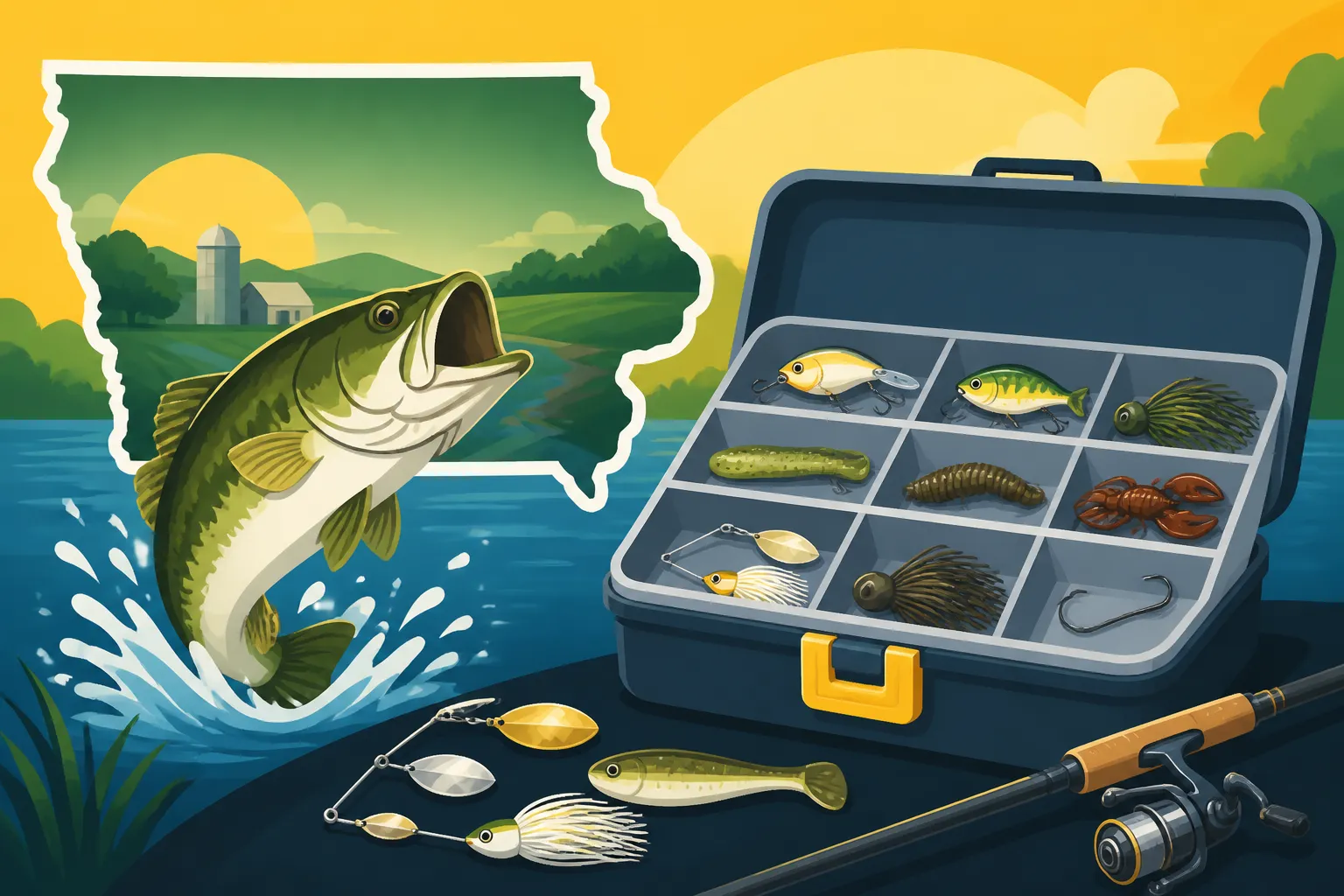
For bass, the lure selection is even more diverse, catering to their aggressive nature and tendency to relate to structure. Soft plastics, such as Texas-rigged worms, creature baits, and jig trailers, are incredibly versatile, allowing you to fish weed beds, brush piles, or rocky bottoms. Spinnerbaits and chatterbaits create flash and vibration, excellent for covering water and eliciting reaction strikes. Topwater lures like poppers, walk-the-dogs, and frogs offer explosive surface bites and are thrilling to use in low light or around heavy cover. Of course, crankbaits, jerkbaits, and various jigs (like football jigs or flipping jigs) fill out the bass angler's tackle box, each designed for different depths, retrieve speeds, and cover types. You'll find a massive selection of these at places like Bass Pro Shops or through online retailers like Amazon.
Baits and Rigs for Catfish
Catfish are less about finesse and more about smell and sustenance. For channel catfish, common baits include cut bait (pieces of shad, bluegill, or other fish), chicken livers, and prepared stink baits, which come in a variety of pungent formulas. These baits are typically fished on the bottom using a simple slip-sinker rig, where an egg sinker slides on the main line above a swivel, and a leader with a single hook is tied below. This allows the fish to take the bait without feeling the weight of the sinker immediately.
For flathead catfish, live bait is usually preferred. Large creek chubs, bluegill, or bullheads are common choices, often rigged on sturdy circle hooks with heavy weights to keep them near bottom structure. Regardless of the bait, the key is often patience and fishing in areas where catfish are known to congregate, such as deep holes, current seams, or near submerged cover. How to Catch Catfish in Iowa dives into these tactics further.
Panfish Favorites: Jigs and Live Bait
Panfish like crappie, bluegill, and perch are often willing biters and can be caught on a variety of small offerings. Small jigs, particularly those ranging from 1/32 oz to 1/8 oz, are incredibly effective. Tipped with a tiny plastic grub, tube, or a piece of soft plastic, these jigs can be cast, retrieved slowly, or suspended under a bobber. Color can make a difference, so having a selection of bright colors (chartreuse, pink) and natural colors (white, brown) is a good idea. Marabou jigs are also fantastic, offering a subtle, lifelike action in the water.
Live bait is another panfish powerhouse. Worms, especially small red worms or pieces of nightcrawler, are irresistible to bluegill. Small minnows are a crappie magnet, often fished under a slip bobber or tight-lined near structure. Crappie Jig Fishing Techniques can give you some excellent pointers here. Even small pieces of corn or bread can attract certain panfish species in urban ponds. The key with panfish is often to use light line and delicate presentations, as they can be surprisingly finicky despite their abundance.
Specialized Lures for Muskie and Pike
Chasing muskie and northern pike means bringing out the big guns. These fish are aggressive predators that respond to large, flashy, and noisy lures designed to trigger a territorial or predatory response. Bucktail spinners, with their large blades and flowing skirts, are iconic muskie lures, meant to be retrieved quickly to create maximum flash and vibration. Large crankbaits, often 6-12 inches long, that dive to various depths are also essential, mimicking large baitfish.
Glide baits and jerkbaits, which require a specific retrieve to impart a tantalizing side-to-side action, are highly effective, especially when muskie are finicky. Topwater lures, sometimes called "walk-the-dog" or "creeper" baits, can provide heart-stopping strikes. For pike, similar but often slightly smaller versions of these lures work well. Spoons, especially brightly colored or flashy ones, are also popular for pike in shallow, weedy areas. Given the expense and specialized nature of these lures, it's wise to research the specific waters and times of year to maximize your chances.
Natural Bait: Worms, Minnows, and Their Use
Sometimes, the simplest approach is the best. Natural baits have been catching fish for millennia, and they remain incredibly effective in Iowa today. The humble nightcrawler or red worm is perhaps the most universal bait, appealing to everything from panfish and bass to catfish and even walleye. They can be fished on a bare hook, under a bobber, or as a trailer on a jig. Best Live Bait for Iowa Walleye confirms the effectiveness of natural bait.
Minnows, shiners, or small chubs are fantastic for a variety of predatory fish. Live minnows are irresistible to crappie, walleye, and bass, often fished under a bobber or slowly retrieved. Dead minnows or cut bait can be highly effective for catfish. Leeches are another excellent live bait, particularly for walleye, providing a long-lasting, wiggling presentation. When using live bait, proper handling and presentation are key. Keeping minnows lively in an aerated bait bucket and rigging worms or leeches in a way that allows natural movement will significantly increase your success. Always check current Iowa Fishing Regulations Explained for rules on bait transport and use.
Rods and Reels: The Foundation of Your Setup
Your rod and reel combination is essentially your fishing machine – it's how you cast, feel the bite, and fight the fish. Choosing the right one isn't about buying the most expensive gear; it's about selecting a setup that matches your target species, fishing style, and budget. Just like you wouldn't use a sledgehammer to drive a nail, you wouldn't use a heavy catfish rod for delicate panfish.
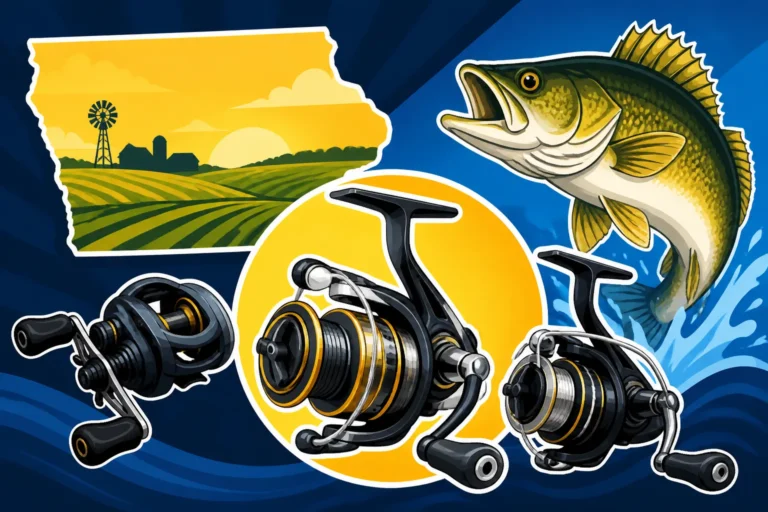
Spinning Combos: Versatility for Most Anglers
For the vast majority of Iowa anglers, especially those starting out or fishing for a variety of species, a spinning rod and reel combo is the go-to choice. Spinning reels are generally easier to learn, less prone to backlashes (those dreaded bird's nests of line), and excellent for casting lighter baits and lures. They are incredibly versatile, capable of handling everything from tiny panfish jigs to moderate bass lures or walleye crankbaits.
When selecting a spinning combo, consider the "action" and "power" of the rod, and the "size" of the reel. Rod action refers to where the rod bends (fast action bends mostly at the tip, slow action bends more throughout), while power refers to its stiffness (ultra-light, light, medium, medium-heavy). A medium-light to medium power rod with a fast action, paired with a 2500 or 3000 series spinning reel, is a fantastic all-around setup for Iowa. It's sensitive enough for panfish, has enough backbone for bass, and can handle a surprising amount of walleye duty. You can find excellent, affordable spinning combos at retailers like Bass Pro Shops or on Amazon, perfect for a beginner's Best Tackle Box Setup for Beginners.
Baitcasting Setups: Power and Precision
Baitcasting rods and reels are a step up in performance and skill, offering more power, accuracy, and control, particularly with heavier lures and when targeting larger, hard-fighting fish. These setups excel at casting accurately into tight cover, such as flipping jigs into lily pads for bass, or retrieving heavy muskie bucktails. The reel sits on top of the rod, and the spool rotates to allow line out, which provides superior casting distance with heavier lures and direct contact with the fish during the fight.
However, baitcasters come with a steeper learning curve due to the potential for backlashing if not managed properly with your thumb. A medium-heavy to heavy power baitcasting rod, typically 6'6" to 7'6" in length, paired with a reliable baitcasting reel, is ideal for serious bass anglers, muskie hunters, or those who prefer to pitch heavy catfishing rigs. They allow for much greater line capacity with heavier braided line, which is often preferred for these applications. Investing in a quality baitcaster is often a sign that an angler is specializing in certain techniques or species that demand this kind of precision and power.
Specialty Rods: Fly Fishing, Ice Fishing, and Trolling
Beyond the general spinning and baitcasting setups, Iowa fishing can call for some truly specialized rods and reels. Fly fishing, especially for trout in the coldwater streams, uses a unique rod and reel system where the weight of the line (rather than the lure) is used to cast tiny, delicate flies. A 5-weight or 6-weight fly rod is a common all-around choice for trout in Iowa.
Ice fishing demands short, sensitive rods, often no more than 2-3 feet long, designed to be used in cramped ice shelters or kneeling over a hole. These rods, paired with small spinning reels or specialized inline ice reels, are engineered to detect the lightest bites through the ice. Ice Fishing Gear Basics for Beginners details the necessary equipment. For trolling large lakes for walleye or muskie, long, moderate-action rods known as "trolling rods" are used. These absorb the shock of a big fish strike and allow for effective lure presentation from a moving boat. Understanding these specialized needs means having the right tool for the job when you pursue these specific fishing experiences.
Terminal Tackle: The Finer Details That Make a Difference
Terminal tackle refers to all the small but critical components at the "business end" of your fishing line – everything from your line itself to the tools you use for fish handling. These aren't the star attractions, but they are the silent workhorses that ensure your efforts don't go to waste. Overlooking these details can lead to frustration, lost fish, and a less enjoyable day on the water.
Line Selection: Monofilament, Fluorocarbon, and Braid
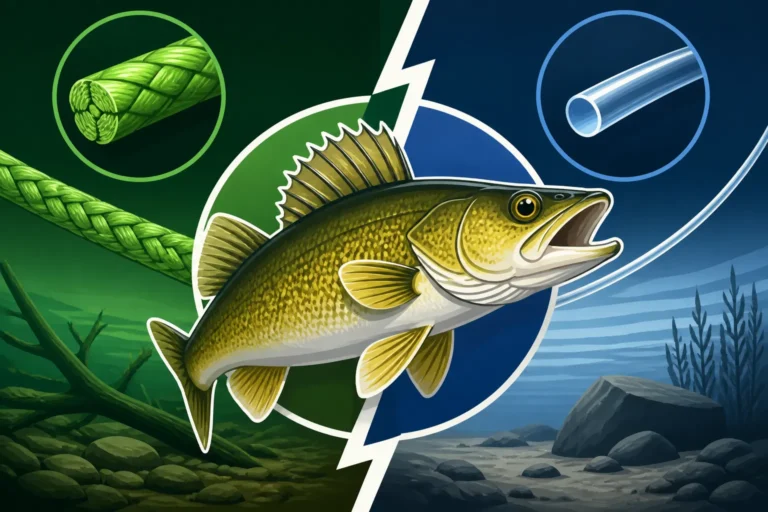
Choosing the right fishing line is as crucial as selecting the right lure. Each type of line has distinct properties that make it suitable for different situations. Monofilament (mono) is the traditional choice, known for its stretch, knot strength, and affordability. Its stretch acts as a shock absorber, helping to prevent hooks from pulling out, and its buoyancy makes it great for topwater lures. It's a fantastic all-around line for beginners and versatile for many Iowa fishing scenarios.
Fluorocarbon (fluoro) is nearly invisible underwater due to its refractive index, making it ideal for clear water and spooky fish like walleye or highly pressured bass. It has less stretch than mono, offering more sensitivity, and it's highly abrasion-resistant, which is great around rocks or submerged timber. However, it can be stiffer and more expensive. Many anglers use fluorocarbon as a leader material for its invisibility and toughness.
Braided line (braid) offers incredible strength-to-diameter ratio, no stretch (meaning extreme sensitivity), and excellent casting distance. Its lack of stretch allows for powerful hooksets, even at long distances, and its thin diameter helps cut through weeds. Braid is a favorite for muskie fishing, heavy cover bass fishing, or when fishing deep for walleye where sensitivity is paramount. However, it is highly visible, so it's often paired with a fluorocarbon leader. Braided Line vs Monofilament for Walleye offers a deeper comparison. Having spools of at least mono and fluoro in various pound tests will cover most of your Iowa fishing needs.
Tools of the Trade: Pliers, Clippers, and Nets
Don't underestimate the importance of a few simple tools. A good pair of fishing pliers is essential for safely removing hooks from fish, especially those with sharp teeth or that have swallowed a hook deep. They can also cut wire leaders, bend hooks, and perform other small repairs. Look for a pair with a comfortable grip and a sturdy build.
Line clippers or small scissors are a must-have for trimming tag ends after tying knots or cutting off frayed line. Having sharp clippers ensures clean cuts, which are important for knot strength. Many multi-tools designed for fishing also incorporate these features. A landing net is another invaluable tool, particularly when fishing from a boat or for larger fish. A net makes landing a fish much safer for both the angler and the fish, reducing the chances of losing a catch at the boat or injuring the fish during handling. Different sizes are available, from small nets for panfish to large, rubberized nets for muskie, which help protect their slime coat.
Storage Solutions: Tackle Boxes and Bags
A disorganized tackle collection is an inefficient one. Having proper storage for your lures, hooks, weights, and tools is crucial for protecting your gear and making sure you can find what you need when you need it. Tackle boxes come in various forms, from classic hard-sided boxes with trays to modern soft-sided bags with multiple utility boxes. Hard boxes offer durability and often multiple compartments, great for keeping different lure types separate.
Soft-sided tackle bags are increasingly popular, especially for anglers on the move, as they are lighter and easier to carry. They typically come with several plastic utility boxes (like those from Plano or similar brands, easily found on Amazon) that can be configured to hold specific lure types, soft plastics, or terminal tackle. Clear lids on these boxes allow you to see what's inside at a glance. Best Tackle Box Setup for Beginners is a great resource. Whether you prefer a robust box or a flexible bag, ensure it has enough compartments to keep your hooks separated from your weights and your lures from tangling, allowing you to quickly access the right piece of gear.
Seasonal Tackle Adjustments for Iowa Fishing
Iowa experiences four distinct seasons, and savvy anglers know that what works in spring might be entirely ineffective in winter. Fish behavior, water temperatures, and available forage change dramatically throughout the year, demanding corresponding adjustments to your tackle selection and presentation. Being prepared for these shifts is a hallmark of a successful Iowa angler.
Spring Fishing Tackle Considerations
Spring in Iowa is a time of transition, often characterized by rising water temperatures and fish moving into shallower areas for spawning. This means your tackle needs to be versatile. Early spring, when waters are still cold, often calls for slower presentations. Jerkbaits, jigs, and slow-rolling spinnerbaits are excellent for cold-water bass. For walleye, jigs tipped with minnows or plastics, fished slowly on the bottom, can be incredibly effective during the pre-spawn and early spawn phases. Crappie will be moving into shallow brush piles, making small jigs and minnows under a bobber a top choice.
As spring progresses and waters warm, fish become more active. Topwater lures for bass start to shine, and faster retrieves with crankbaits or spinnerbaits become productive. Consider brighter lure colors in stained spring runoff water, and more natural patterns as the water clears. Lighter lines might be appropriate if fish are spooky in clearer, shallower water. Remember, spring weather can be unpredictable, so having tackle ready for both cold snaps and warming trends is a smart move.
Summer's Heat and Fall's Turnover
Summer fishing in Iowa often means hotter temperatures and fish retreating to deeper, cooler waters or seeking shade under heavy cover. Your tackle choices should reflect this. For bass, punching jigs or Texas-rigged soft plastics through thick vegetation or flipping into docks becomes highly effective. Deep-diving crankbaits and Carolina rigs are great for targeting bass on offshore humps and ledges. Catfish are very active in summer, and heavier tackle with cut bait or stink bait fished in deep river bends or lake channels is ideal.
As summer transitions into fall, and especially during the "fall turnover" when lake waters mix, fish can become scattered and somewhat disoriented. This can make fishing challenging, but also presents opportunities. For walleye, this is a prime time for casting or trolling crankbaits on main lake points or along weed edges. Bass will often feed heavily in preparation for winter, so covering water with spinnerbaits, crankbaits, or topwaters can be productive. As water temperatures drop, fish will begin to concentrate, and more vertical presentations with jigs or blade baits will become important. Having a versatile tackle box that can switch from deep-water presentations to shallow-water ambush tactics is key for both summer and fall success. You can explore Fall Fishing in Iowa for more specific advice.
Ice Fishing Specific Tackle
When Iowa's lakes and ponds freeze over, a whole new world of fishing opens up, but it demands a completely different set of tackle. Forget your long casting rods; ice fishing requires short, sensitive rods, typically 24-36 inches long, often with ultra-light or light power. These rods are designed to detect the subtle bites of fish under the ice and manage fish in a small hole. They are usually paired with small spinning reels or specialized inline reels that prevent line twist.
Lures for ice fishing are also unique. Tiny jigs, often called "spoon jigs" or "vertical jigs," tipped with a minnow head, wax worm, or plastic grub, are standard. Small spoons that flutter on the drop are also very effective, especially for perch or crappie. Tip-ups, which are devices that hold your bait at a set depth and signal a bite with a flag, are essential for covering multiple holes for walleye or northern pike. Specialized ice fishing line, often fluorocarbon or braid with a fluorocarbon leader, is preferred for its low stretch and abrasion resistance. Dressing for the cold is crucial, as is having an ice auger to drill holes and a sled to transport your gear. For beginners, a visit to a local bait shop or the ice fishing section of Bass Pro Shops can help you gather the essentials for safe and productive Ice Fishing in Iowa.
| Iowa Fishing Tackle Essentials by Season | Spring | Summer | Fall | Winter (Ice Fishing) |
|---|---|---|---|---|
| Rods | Medium-Light Spinning, Medium Baitcasting | Medium-Heavy Baitcasting, Trolling Rods | Medium-Light to Medium Spinning/Baitcasting | Ultra-Light Ice Rods, Tip-Ups |
| Reels | 2500-3000 Spinning, Mid-size Baitcasting | Mid to Large Baitcasting, Trolling Reels | 2500-3000 Spinning, Mid-size Baitcasting | Small Spinning Reels, Inline Reels |
| Line | 6-10 lb Mono/Fluoro, 15-30 lb Braid | 10-20 lb Fluoro/Braid, 30-50 lb Braid | 8-15 lb Mono/Fluoro, 20-40 lb Braid | 4-8 lb Fluoro/Ice Braid |
| Hooks | #8 to 3/0 J-hooks, Circle Hooks | #4 to 5/0 Circle Hooks, Worm Hooks | #6 to 4/0 J-hooks, Treble Hooks | Tiny Jigs (1/32 to 1/8 oz) |
| Sinkers | Split Shot, Bullet Weights, Egg Sinkers | Bullet Weights, Egg Sinkers, Bank Sinkers | Split Shot, Egg Sinkers, Bottom Bouncers | Small Split Shot, Drop Shots |
| Lures (Walleye/Bass) | Jerkbaits, Jigs, Spinnerbaits, Shallow Cranks | Deep Cranks, Soft Plastics, Jigs, Topwater | Crankbaits, Jigs, Blade Baits, Spinnerbaits | Small Spoons, Jigging Raps, Plastics |
| Baits (Catfish/Panfish) | Worms, Minnows, Cut Bait, Small Jigs | Cut Bait, Stink Bait, Live Minnows, Worms | Worms, Minnows, Cut Bait, Small Jigs | Wax Worms, Minnows, Plastics |
| Leaders | Fluorocarbon, Light Wire | Fluorocarbon, Heavy Wire (Muskie) | Fluorocarbon, Light Wire | Fluorocarbon |
Budgeting for Your Tackle Box: Where to Splurge and Where to Save
Building a comprehensive tackle box can feel like a significant investment, and it's easy to get carried away with all the shiny new gadgets. However, you don't need to break the bank to get started or to be an effective angler in Iowa. Strategic spending, knowing where to prioritize quality and where you can save a few dollars, will help you build an effective arsenal without buyer's remorse.
Starting Out: Beginner-Friendly Tackle Kits
For those just dipping their toes into Iowa fishing, starting with a pre-packaged, beginner-friendly tackle kit can be a great way to go. These kits, readily available at sporting goods stores and even online on Amazon, often include a basic assortment of hooks, sinkers, bobbers, and a few all-around lures suitable for panfish and smaller bass. They're designed to give you a functional starting point without overwhelming you with choices. While the quality might not be top-tier, they are perfectly adequate for learning the ropes and catching your first few fish.
Beyond a kit, invest in one versatile, affordable spinning rod and reel combo, perhaps a medium-light power with a 2500-sized reel. This single setup can handle most small to medium-sized fish across various Iowa waters. Focus on basic, effective baits like worms and minnows, and a handful of proven lures like small jigs, spinnerbaits, and a few crankbaits. Don't feel pressured to buy the most expensive gear; consistent effort and learning fundamental techniques will yield far more success than an overpriced lure collection.
Upgrading Your Arsenal: Investing in Quality
Once you've gained some experience and started to identify your preferred fishing styles or target species, that's when it makes sense to start upgrading. Investing in higher-quality rods and reels offers tangible benefits: better sensitivity to feel subtle bites, smoother casting, more reliable drag systems, and increased durability. For instance, a sensitive graphite rod can help you detect those faint walleye bites, while a baitcasting reel with a superior braking system will prevent frustrating backlashes.
Think about specific areas where quality makes a big difference. Good quality line, especially fluorocarbon leaders or braided main lines, will perform better and last longer. Sharp, strong hooks are non-negotiable for consistent hooksets. Higher-end lures often feature better finishes, more durable components (like stronger split rings and hooks), and more realistic actions that can entice finicky fish. If you're serious about targeting trophy bass or muskie, investing in specialized, high-performance rods, reels, and lures is a natural progression. Companies that specialize in these kinds of items, often carried by retailers like Bass Pro Shops, are worth exploring.
Finding Deals and Building Your Collection
You don't have to buy everything new or at full price. Savvy anglers often build their tackle collections over time, taking advantage of sales, clearance racks, and even garage sales. End-of-season sales at local bait shops or larger retailers are excellent opportunities to stock up on lures, line, and other consumables. Keep an eye out for online deals on Amazon or other platforms, especially for bulk purchases of terminal tackle like hooks and sinkers.
Consider buying versatile items first – lures that can catch multiple species or lines that work in various conditions. Don't be afraid to experiment with lesser-known brands for certain items; sometimes you can find excellent value. Also, learn to maintain your gear. Cleaning and lubricating your reels, inspecting your line, and sharpening your hooks will extend the life of your tackle, saving you money in the long run. Building a well-stocked tackle box is a journey, not a sprint, and with patience and smart shopping, you'll accumulate an impressive array of gear perfectly suited for Iowa fishing.
Disclaimer
This article is for general informational purposes only and does not constitute professional advice. Laws, prices and regulations vary by location and change over time. Consult a qualified professional for guidance on your specific situation.