Trophy Walleye Size in Iowa
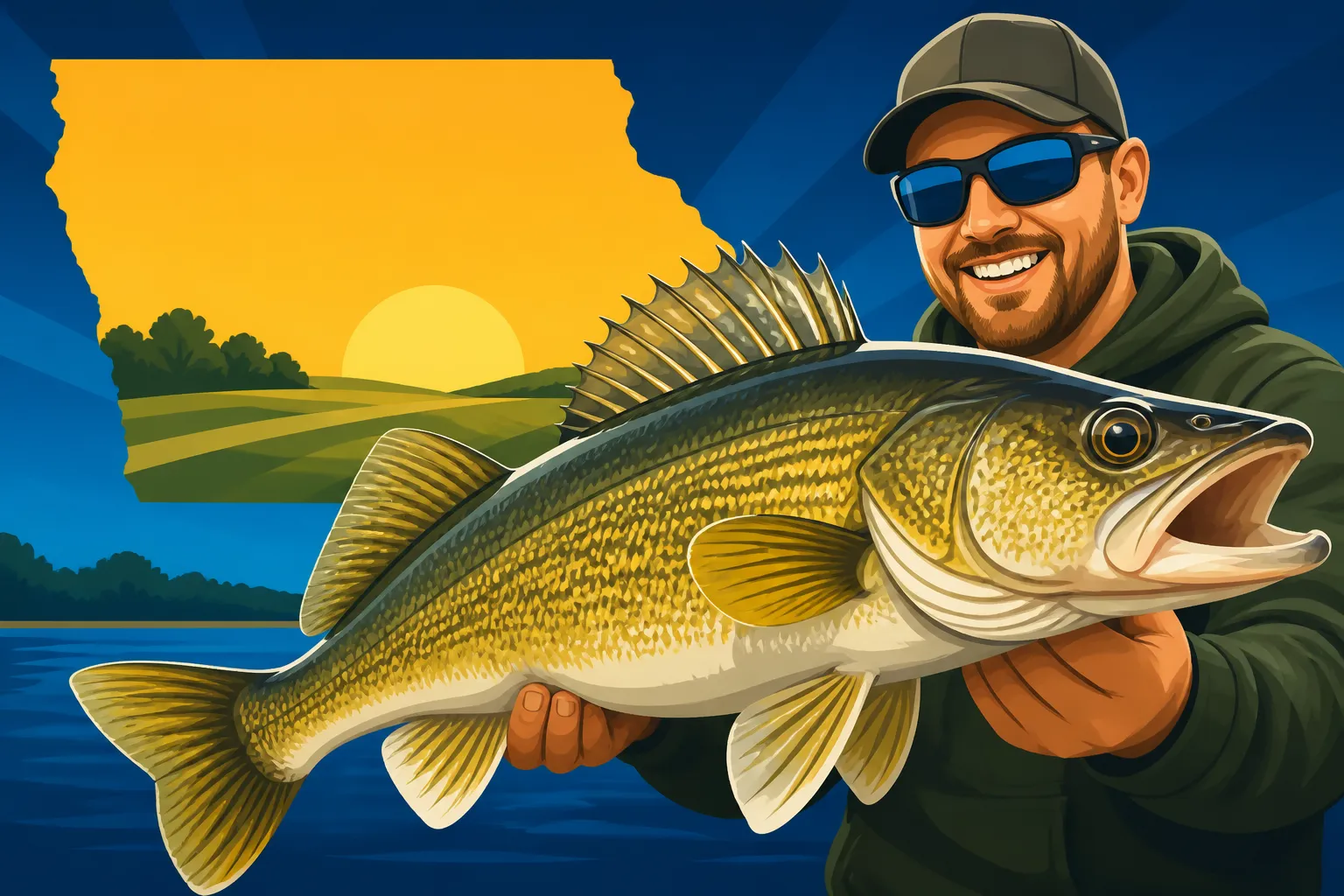
There's a special kind of thrill that comes with chasing a truly big fish, isn't there? You spend hours on the water, meticulously rigging your gear, casting, and retrieving, always with that dream of feeling a monstrous tug on your line. For many Iowa anglers, that dream often revolves around a trophy walleye – that elusive, toothy grin of a fish that makes all the effort worthwhile. But what truly defines a "trophy" walleye in our beloved Hawkeye State? This guide is going to dive deep into that question, helping you understand not just the numbers, but also the strategies and spots to make your trophy walleye dreams a reality.
What Defines a "Trophy" Walleye in Iowa?
The term "trophy" can be a bit subjective, can't it? What one angler considers a bragging-rights fish, another might see as just a good eating-size walleye. When you're out there on the water, a personal best might feel like a trophy, and rightfully so! But there's also an official standard, a benchmark set by the Iowa Department of Natural Resources (DNR) that truly separates the giants from the rest.
Personal Benchmarks vs. Official Recognition
Let's be honest, for many of us, a "trophy" walleye is simply the biggest one we've ever caught. Maybe it's a 24-incher from Clear Lake that put up an incredible fight, or a 26-inch beauty from the Mississippi River that just felt massive on the end of your line. These personal bests are hugely significant. They represent skill, persistence, and often, a bit of luck. Sharing that photo with friends, mounting it on the wall (even if just a replica!), or simply savoring the memory – that's what personal trophies are all about.
However, when we talk about official trophy status, the Iowa DNR has specific criteria through its Master Angler program. This program recognizes exceptional catches across various species, providing a tangible way to celebrate truly outstanding fish. It sets a standard that, while challenging, gives us a concrete goal to aim for beyond our own personal bests. It's a way for the state to acknowledge the impressive fish populations we have and the anglers dedicated enough to find them.
Iowa DNR's Master Angler Program for Walleye
The Iowa DNR's Master Angler program is where the rubber meets the road for official trophy recognition. To qualify for a Master Angler award for walleye, your catch needs to meet a minimum length. This length is not just a random number; it's carefully chosen to represent a fish that has grown to a significant size, indicating a healthy environment and an impressive feat for the angler.
Currently, to earn a Master Angler award for a walleye in Iowa, your fish must measure at least 28 inches in length. Think about that for a moment – 28 inches! That's a substantial fish, long and girthy, often pushing several pounds. Catching a walleye of this size is not an everyday occurrence, even for seasoned anglers. It requires dedication, knowledge of walleye behavior, understanding of their habitat, and often, a good dose of patience.
The Master Angler program is a fantastic way for the DNR to gather data on big fish being caught, but more importantly, it celebrates the passion of anglers and provides a lasting memory. If you manage to land a walleye that hits that 28-inch mark, be sure to check the DNR's website for the exact submission process. It typically involves a photo, a witness, and precise measurement, all to ensure the integrity of the program. It's more than just a certificate; it's a testament to your angling prowess.
Here's a quick comparison to give you an idea:
| Category | General Angler's "Trophy" | Iowa DNR Master Angler Walleye |
|---|---|---|
| Primary Metric | Personal Best | Minimum Length |
| Typical Length | 22-26 inches (highly variable) | 28 inches |
| Recognition | Bragging rights, photos, memories | Official certificate, state recognition |
| Effort Required | Consistent angling, some luck | Dedicated pursuit, advanced techniques, patience |
Factors Influencing Walleye Size in Iowa Waters
So, what makes a walleye grow to that impressive 28-inch mark, or even larger? It’s not just about luck. Several critical factors come into play, from the fish's age and the environment it lives in, to its genetics and the food it consumes. Understanding these elements can significantly improve your chances of targeting bigger fish.
Age, Growth Rates, and Environmental Conditions
Just like any living creature, walleye need time to grow. A 28-inch walleye isn't typically a youngster; it's a fish that has survived multiple seasons, evaded predators, and found ample food. In Iowa's waters, walleye growth rates can vary significantly depending on the specific lake or river. Factors like water temperature, oxygen levels, and overall water quality play a huge role. Waters with a longer open-water season and stable temperatures often allow fish to feed and grow for more extended periods each year. For instance, a walleye in a fertile southern Iowa lake might grow faster than one in a colder, less productive northern lake, simply due to the availability of food and a longer active feeding period.
Environmental stability is also key. Consistent water levels, healthy aquatic vegetation, and minimal pollution contribute to a robust ecosystem where walleye can thrive and reach their full growth potential. Fluctuations, such as extreme droughts or floods, can stress fish populations and hinder growth. It's a delicate balance, and when conditions are right, walleye can really pack on the inches and pounds over many years. This is why knowing When Iowa Walleye Season Opens and When Iowa Walleye Season Closes is helpful, as it gives insight into their most active feeding times.
Genetic Potential and Forage Base
Beyond environmental factors, the inherent genetic potential of a walleye population also plays a part. Some walleye strains are simply predisposed to grow larger than others. The Iowa DNR carefully manages its walleye stocking programs, often introducing strains known for their growth potential into certain lakes and rivers. This strategic stocking helps to bolster populations and, hopefully, increase the chances of trophy-sized fish appearing.
Perhaps even more critical than genetics is the forage base – the amount and type of food available to the walleye. Walleye are primarily piscivores, meaning they eat other fish. Waters rich in baitfish like gizzard shad, yellow perch, or ciscoes provide the necessary calories for walleye to grow quickly and reach impressive sizes. Lakes like Clear Lake or Rathbun Lake, for example, are known for their strong forage bases, which directly translates to bigger, healthier walleye. Without abundant, nutritious food, walleye simply cannot grow into those 28-inch giants we all dream about. Think of it like this: a walleye living in a buffet-style lake is going to get bigger faster than one in a sparse pantry. Understanding the local baitfish populations can give you a significant advantage in finding those trophy fish.
Strategies for Pursuing Iowa's Giant Walleye
Catching a trophy walleye in Iowa is a goal that requires a combination of knowledge, patience, and the right approach. It’s about understanding where these big fish live, what makes them bite, and having the gear to land them when they do. This isn't just casual fishing; it's a dedicated pursuit.
Identifying Prime Trophy Walleye Waters
If you're serious about catching a 28-inch walleye, you need to go where they live. Not all waters in Iowa are created equal when it comes to producing giants. While you can catch a nice walleye almost anywhere, some locations consistently produce bigger fish due to their size, depth, forage base, and habitat.
The Iowa Great Lakes region, particularly Spirit Lake and West Okoboji, are legendary for their walleye populations, including genuine monsters. These deep, clear lakes offer diverse structure and a rich forage base that allows walleye to grow old and large. Fishing Clear Lake in Iowa is another perennial favorite, especially for anglers seeking substantial walleye. Its expansive waters and abundant baitfish make it a prime location. In southern Iowa, Fishing Rathbun Lake in Iowa is a top contender, often referred to as Iowa's "Walleye Capital," known for its massive walleye population and the potential for a true trophy. Don't overlook the mighty Fishing the Mississippi River in Iowa either. The river's vastness, diverse habitat, and constant current can hold some enormous walleye, especially in the deeper pools and around wing dams. Remember, trophy walleye often seek out specific habitats within these larger bodies of water, such as deep humps, rocky points, submerged timber, or current breaks in rivers. Always consult current fishing reports and local bait shops for the latest hot spots and conditions.
Advanced Techniques and Optimal Timing
Big walleye are often more wary and less aggressive than their smaller counterparts. This means you might need to refine your techniques and be particular about your timing. While many methods can catch walleye, specific strategies tend to be more effective for landing those 28-inchers.
Trolling with large crankbaits is a classic tactic, especially in open water on larger lakes like the Iowa Great Lakes or Clear Lake. These baits can cover a lot of water and appeal to the predatory instincts of bigger walleye looking for a substantial meal. Walleye Fishing Techniques for Iowa Lakes often involve precision trolling with planer boards to spread out lines and mimic schools of baitfish. In river systems like the Mississippi or the Des Moines, jigging with heavier jigs tipped with large minnows or soft plastics around current breaks, wing dams, and deeper holes can be incredibly effective. Sometimes, anchoring up-current from a promising spot and working the bottom with a How to Rig a Crawler Harness for Walleye can entice a lurking giant.
Timing is also crucial. The best time to catch walleye in Iowa, especially trophy ones, often coincides with their major feeding windows. Spring and fall are prime times. In spring, as water temperatures rise and walleye move into shallower areas to spawn, they can be highly aggressive. Best Month to Catch Walleye in Iowa often points to April and May for the spring bite, and then again in October and November as fish fatten up for winter. How to Catch Walleye at Night is another tactic frequently employed for big walleye, as these fish often become more active and less spooky under the cover of darkness. They use their superior low-light vision to ambush baitfish, making night fishing an exciting and productive option, especially during the warmer months.
Essential Gear for Landing Large Walleye
You wouldn't bring a butter knife to a sword fight, and you shouldn't bring ultralight panfish gear when chasing a trophy walleye. These fish are powerful, and if you hook a 28-inch beast, you'll need the right setup to get it to the boat or shore.
For rods, look for something with a medium-heavy action and a good backbone. A 6'6" to 7'6" spinning or baitcasting rod is ideal, offering enough leverage to control a heavy fish but still providing the sensitivity to detect subtle bites. Best Rod Length for Iowa River Walleye Fishing might lean towards longer rods for casting distance and line control in current. When it comes to reels, a reliable spinning reel in the 2500-3000 size range or a sturdy baitcasting reel is appropriate. These reels offer a smooth drag system, which is paramount when a large walleye decides to make a powerful run. Best Reel Size for Walleye Fishing will help you choose wisely.
Line selection is another critical component. While lighter lines offer more sensitivity, a trophy walleye demands strength. Many anglers opt for 8-12 pound test monofilament or fluorocarbon, or even 15-20 pound test braided line with a fluorocarbon leader for abrasion resistance and reduced visibility. Best Line Weight for River Walleye can be a bit heavier due to current and snags. When fishing around rocks or heavy cover, a stronger line can prevent heartbreak. For terminal tackle, use sharp, strong hooks that won't straighten under pressure. Jig heads should be robust, and crankbaits should have sturdy split rings and hooks capable of handling a big, thrashing fish. Don't forget a good, wide-mouthed landing net – trying to hand-land a 28-inch walleye is a risky endeavor for both you and the fish! Investing in quality gear, even if it's just a few key items from a retailer like Amazon, can significantly increase your chances of success and ensure you’re ready when that trophy bite finally happens.
Landing a trophy walleye is an unforgettable experience, a true highlight of any angler's career. It’s a challenge that requires patience, skill, and a deep appreciation for the incredible fish that swim in Iowa’s waters. While the official 28-inch benchmark from the Master Angler program gives us a fantastic goal to aim for, every personal best is a victory in itself. By understanding where these giants live, employing the right techniques at the optimal times, and equipping yourself with dependable gear, you can significantly increase your odds of joining the ranks of those who have battled and landed an Iowa trophy walleye. So, tie on your favorite lure, hit the water, and may your next cast be the one that brings that dream fish to your net!
Disclaimer
This article is for general informational purposes only and does not constitute professional advice. Laws, prices and regulations vary by location and change over time. Consult a qualified professional for guidance on your specific situation.