Do Bluegill and Sunfish Taste the Same?
There's nothing quite like a mess of freshly caught panfish sizzling in a hot skillet after a great day out on an Iowa lake or river. But if you've ever found yourself wondering, "Do bluegill and sunfish really taste the same?" you're not alone! It's a super common question among anglers, and it stems from a bit of confusion about what "sunfish" actually means. We're going to dive deep into the delicious details, explore what makes your panfish taste great, and share some tips to ensure every bite is as fantastic as your fishing trip.
Understanding the Sunfish Family in Iowa Waters
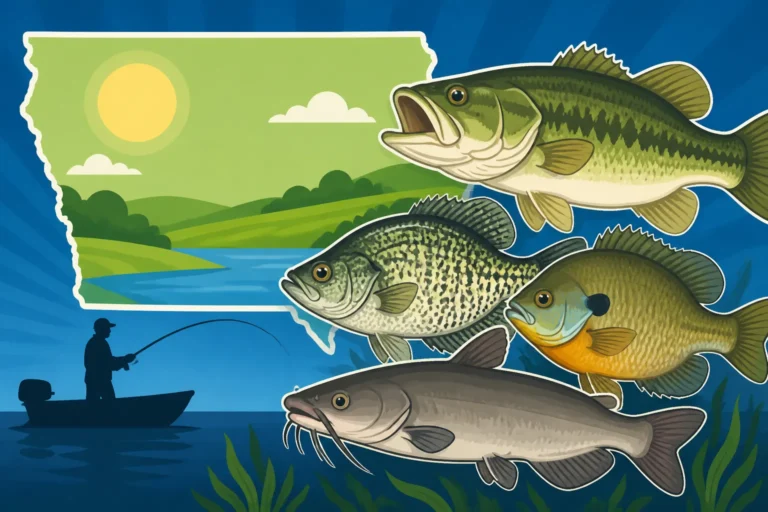
Let's clear up some common terminology right from the start, because this is where a lot of the "do they taste the same?" confusion begins. When we talk about "sunfish" in a general sense, we're actually referring to a whole family of freshwater fish known as Centrarchidae. This family is pretty diverse, and it includes some of Iowa's most popular sport fish.
Bluegill: The Star of the Panfish Show
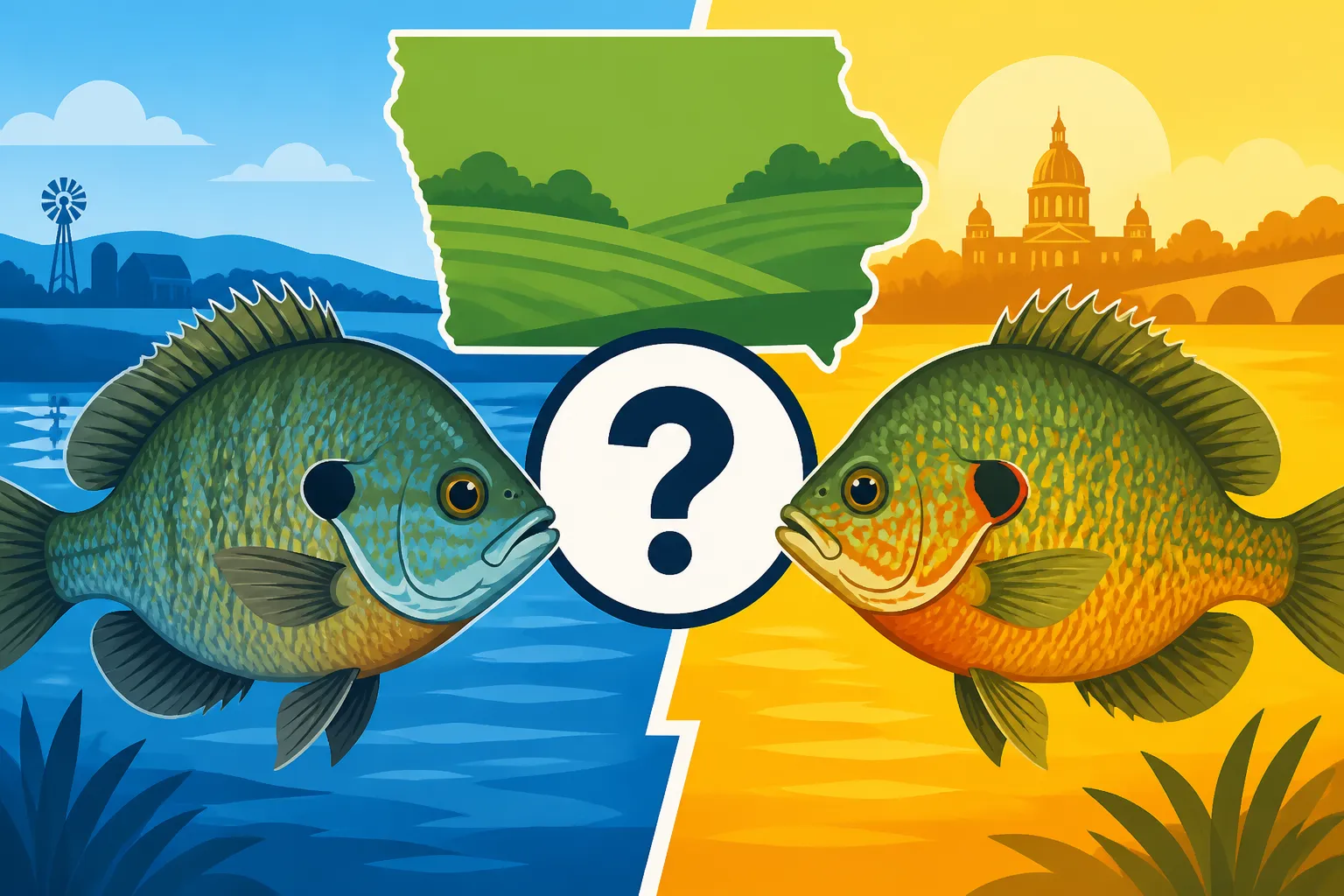
Bluegill (Lepomis macrochirus) are, without a doubt, the quintessential panfish in Iowa. They're often the first fish a kid catches, and they remain a favorite for anglers of all ages because they're plentiful, eager to bite, and absolutely delicious. They get their name from the distinctive blue-black spot on their gill flap and often a deep blue or purplish hue around their gill plates and lower jaw. When someone says "sunfish" in a casual conversation about fishing, they're often implicitly talking about bluegill because they're so common and beloved. You can find these little fighters in nearly every pond, lake, and slow-moving river section across the state. They love structure – think submerged logs, weed beds, and docks – making them a fun challenge to target. If you're looking for more specific tips on targeting these tasty fish, check out our guide on Bluegill Fishing in Iowa.
The Broader "Sunfish" Category
Beyond the bluegill, Iowa waters are home to several other species that fall under the sunfish umbrella. These are the fish people often compare to bluegill when asking about taste.
- Green Sunfish (Lepomis cyanellus): These are tough, aggressive little fish, often found in smaller streams and even ditches, tolerating muddier, warmer water than bluegill. They have a larger mouth, often with a yellow-orange rimmed dorsal fin, and a somewhat "meaner" look. They're definitely plentiful.
- Pumpkinseed (Lepomis gibbosus): A strikingly beautiful fish with iridescent spots and stripes, and a bright red or orange spot on the opercular (gill) flap. They prefer clear, vegetated waters, often in the same areas as bluegill but generally less common in large numbers in most Iowa waters.
- Redear Sunfish (Lepomis microlophus): Also known as "shellcrackers" for their habit of eating snails, these sunfish have a distinctive red or orange margin on their gill flap. They are less widespread in Iowa than bluegill but are stocked in some lakes.
- Warmouth (Lepomis gulosus): With a stocky body, large mouth, and often mottled brown coloration, warmouths look a bit like a cross between a bass and a sunfish. They prefer slow-moving or stagnant waters with plenty of cover.
- Rock Bass (Ambloplites rupestris): Though technically a sunfish, rock bass often get grouped separately due to their slightly different appearance and habitat. They have large red eyes and are often found in rocky areas of rivers and clear lakes.
- Crappie and Bass (Wait, Really?): Yes, even crappie (black crappie and white crappie) and the various bass species (largemouth bass, smallmouth bass) are members of the wider sunfish family. However, when people ask about the taste of "sunfish" compared to "bluegill," they are almost always referring to the smaller panfish species like green sunfish, pumpkinseed, and bluegill. It's helpful to understand these classifications to really appreciate the diversity of Iowa's fish. You might find our article on Bluegill and Sunfish Species Identification quite useful, or even Crappie vs Bluegill Identification if you're trying to tell them apart.
The Subtle Nuances of Flavor: Bluegill vs. Other Sunfish
Now for the main event: the taste! When you catch a mixed bag of panfish in Iowa, you'll be happy to know that generally speaking, all the common sunfish species are excellent table fare. Their meat is typically white, flaky, and has a mild, sweet flavor that's hard to beat. However, there are subtle differences that some anglers and gourmands will notice.
The Beloved Bluegill Flavor Profile
Bluegill are often hailed as the king of panfish for their consistent, delicate flavor. Their meat is reliably sweet and mild, with a fine, flaky texture when cooked properly. There's usually no strong "fishy" taste, which makes them incredibly appealing to a wide range of palates, even those who claim not to like fish. This is why they're so popular for classic pan-frying.
Other Sunfish: A Close Second (or Equal!)
When you catch a green sunfish, pumpkinseed, or warmouth, you'll find their meat is also white and flaky. The taste is incredibly similar to bluegill – still mild and sweet. If you were served a plate of mixed panfish fillets and weren't told which was which, you'd be hard-pressed to tell them apart purely by taste.
Some discerning palates might detect a slight difference:
- Green Sunfish: Sometimes, green sunfish can have a very subtly stronger or earthier flavor compared to bluegill, but this is often negligible and largely dependent on where they were caught and what they've been eating. Their flesh is still firm and delicious.
- Pumpkinseed: These often mirror bluegill very closely in taste and texture, being equally mild and sweet, perhaps even a touch firmer.
- Warmouth: Similar to green sunfish, warmouth can sometimes have a slightly richer or more pronounced "fish" flavor, but again, it's not overpowering or unpleasant.
The truth is, the differences in flavor among these smaller sunfish species are usually far less significant than the variations caused by environmental factors or how the fish are handled after being caught. Think of it less as "a different taste" and more as "a slight variation on a theme." They are all fantastic eating.
Here's a quick comparison table to summarize the popular panfish:
| Species | Common Size (Iowa) | Taste Profile | Texture | General Preference |
|---|---|---|---|---|
| Bluegill | 6-10 inches | Mild, sweet, delicate, minimal "fishy" flavor | Flaky, tender | High |
| Green Sunfish | 5-9 inches | Mild, slightly sweeter, can be a hint earthier | Flaky, firm | High |
| Pumpkinseed | 5-8 inches | Very similar to bluegill, sweet, delicate | Flaky, firm | High |
| Crappie | 8-12 inches | Very mild, sweet, incredibly delicate | Very flaky, soft | Extremely High |
While crappie are technically part of the sunfish family, they are so highly prized for their incredibly delicate, sweet flavor that many anglers consider them in a league of their own when it comes to taste.
What Really Influences the Taste of Your Catch (Beyond Species)
You might be surprised to learn that what really impacts the flavor of your bluegill, green sunfish, or any other panfish in Iowa often has less to do with the specific species and more to do with a few other crucial factors. These are the things that can truly elevate a good fish to a great one, or sadly, diminish a potentially tasty meal.
The All-Important Diet
Just like with any animal, "you are what you eat" holds true for fish. Panfish that feed primarily on natural forage like aquatic insects, small crustaceans, and larvae tend to have a cleaner, sweeter taste. If fish are in an area where their diet consists heavily of less desirable items, or if they're in an overly rich, stagnant environment, their flesh can sometimes take on a slightly stronger or muddier flavor. This isn't a hard and fast rule, but it's a common observation. Healthy, diverse ecosystems generally produce the best-tasting fish.
Water Quality and Habitat
This is a huge one. Fish caught from clean, clear, well-oxygenated waters almost always taste better than those from murky, stagnant, or polluted areas. Think about the difference between a bluegill caught from one of the pristine Fishing the Iowa Great Lakes compared to one from a small, muddy farm pond with poor circulation. The clear-water fish will likely have firmer, cleaner-tasting flesh. This is why anglers often seek out spots known for good water quality.
Season and Water Temperature
The time of year and the temperature of the water can also play a role. Fish caught in colder water (like during early spring or late fall) often have firmer, less "fishy" flesh. During warmer months, especially during spawning seasons, fish metabolism is higher, and their flesh might become slightly softer or develop a stronger flavor. This isn't always negative, but it's a noticeable difference for some. For example, catching fish during Spring Fishing in Iowa or Fall Fishing in Iowa can often yield particularly good-tasting catches.
Size of the Fish
While not a universal rule, some anglers prefer panfish within a certain size range for eating. Mid-sized panfish (say, 7-9 inches for bluegill) often hit the sweet spot for tenderness and flavor. Very small fish can be a pain to clean for little meat, and exceptionally large, older fish might occasionally have a slightly tougher texture or more pronounced flavor, although this is less common with panfish than with larger species like catfish or carp.
Handling and Preparation: The Ultimate Game Changer
This is arguably the most critical factor. Even the sweetest, cleanest bluegill can taste awful if not handled properly.
- Immediate Care: As soon as you catch a fish you intend to keep, it should be killed quickly and humanely. Many anglers advocate for immediately bleeding the fish (a quick cut to the gills) to improve the flavor and texture of the meat by removing blood.
- Keeping Them Cold: This cannot be stressed enough. Get your catch on ice immediately! A cooler filled with ice or an ice slurry will prevent bacterial growth, keep the flesh firm, and preserve that fresh, mild flavor. Leaving fish in a livewell in warm water, or worse, in a bucket without ice for hours, is a surefire way to compromise its taste. Learn more about How to Keep Fish Fresh Without a Livewell if you're not using one.
- Proper Cleaning: Clean your fish as soon as possible after the catch, ideally within a few hours. Filleting removes all bones and skin, leaving pure, white meat. If you prefer to pan-dress (scale, gut, and remove the head), ensure all entrails are removed cleanly. Invest in a good, sharp fillet knife – you can find excellent options on Amazon. A sharp knife, like one you might find readily available on Amazon, makes the job much easier and yields better fillets. For tips on maintaining your tools, check out How to Sharpen a Fillet Knife.
If you follow these steps, you'll be amazed at how consistently delicious your panfish will be, regardless of whether it's a bluegill, green sunfish, or pumpkinseed. In fact, these factors often outweigh any subtle species-specific differences in flavor.
Maximizing the Deliciousness of Your Iowa Panfish
So, you've caught a nice mess of panfish, and you're ready to turn them into a meal. Now, let's talk about getting them from the water to your plate in the most delicious way possible.
Swift and Proper Cleaning
As mentioned, timely cleaning is paramount. If you can, clean your fish at the lake or river before heading home. Many public fishing areas in Iowa have cleaning stations, which are incredibly convenient. If not, pack a cutting board, a sharp fillet knife (we've talked about how essential a good one is, and you can easily grab one on Amazon), and a trash bag for the scraps.
- Filleting: For bluegill and other panfish, filleting is a popular choice, especially if you want boneless pieces. Make a cut behind the gill plate down to the backbone, then turn the knife flat and run it along the backbone towards the tail. Flip the fillet, skin side down, and run your knife between the skin and the meat. You'll be left with a clean, boneless fillet.
- Pan-Dressing: Some prefer to pan-dress smaller fish. This involves scaling the fish, removing the entrails, and clipping off the head and fins. The backbone and rib bones remain, but they are easily eaten around, or some small ones can be deep-fried to crisp perfection.
No matter your method, rinse the fillets or dressed fish thoroughly in cold water to remove any blood or scales, then pat them dry.
Simple Cooking Methods for Star-Quality Flavor
The beauty of panfish is their delicate flavor, so you don't need to do anything fancy to make them taste amazing. Simple preparations often work best.
- Classic Pan-Frying: This is a time-honored tradition for a reason.
- Seasoning: Lightly season your fillets with salt, pepper, and perhaps a dash of garlic powder or your favorite fish seasoning blend.
- Breading: Dredge the fish in a mixture of cornmeal and flour (a 50/50 mix is great), or use a pre-made fish fry breading. A little paprika or cayenne can add a nice kick.
- Frying: Heat about 1/4 to 1/2 inch of oil (vegetable, peanut, or canola oil work well) in a heavy skillet or cast iron pan over medium-high heat. Once the oil is hot (a drop of water should sizzle), carefully place the breaded fish in the pan. Don't overcrowd it!
- Cook Time: Fry for 2-4 minutes per side, depending on thickness, until golden brown and flaky. The fish should flake easily with a fork when done.
- Baking: For a lighter option, baking is fantastic.
- Preparation: Place fillets on a lightly greased baking sheet. Drizzle with a little olive oil or melted butter, season, and add a squeeze of lemon juice. You can also sprinkle with fresh herbs like dill or parsley.
- Bake Time: Bake at 375-400°F (190-200°C) for 10-15 minutes, or until cooked through and flaky.
- Grilling: If you have larger fillets, grilling can impart a wonderful smoky flavor.
- Preparation: Brush fillets with oil, season, and place in a fish grilling basket or directly on a clean, oiled grill grate over medium-high heat.
- Grill Time: Grill for 3-5 minutes per side, being careful not to overcook.
Pairing and Enjoyment
Freshly cooked panfish are delightful with simple sides like coleslaw, potato salad, hushpuppies, or a fresh green salad. A wedge of lemon is almost mandatory! You can even find specialty cooking accessories and gourmet seasoning blends on Amazon that can take your panfish meal to the next level.
Ultimately, while there might be incredibly subtle distinctions in flavor between bluegill and other sunfish species in Iowa, the overall profile is very similar: mild, sweet, and flaky. The biggest impact on how good your catch tastes will come from how well you handle it from the moment it leaves the water until it lands on your plate. So go forth, catch some panfish, and enjoy some of the best eating Iowa has to offer! Don't forget to check out Best Eating Fish in Iowa for more delicious ideas.
Disclaimer
This article is for general informational purposes only and does not constitute professional advice. Laws, prices and regulations vary by location and change over time. Consult a qualified professional for guidance on your specific situation.