Perch Populations at the Iowa Great Lakes
One of the greatest joys of fishing in Iowa is targeting panfish, and when it comes to yellow perch, there's no better destination than the Iowa Great Lakes. However, knowing where these vibrant, schooling fish are abundant and understanding the forces that shape their numbers can be a real head-scratcher for even seasoned anglers. This comprehensive guide will pull back the curtain on the fascinating world of perch populations across the Iowa Great Lakes, helping you understand their patterns, preferred habitats, and how you can contribute to their thriving future.
Understanding Yellow Perch in the Iowa Great Lakes
The yellow perch is a beloved species for many Iowa anglers, and for good reason. These feisty, striped fish are known for their willingness to bite and, perhaps most importantly, their delicious flaky white meat. Fishing for them can be a fantastic experience, whether you're out with family or seeking a productive day on the ice. But beyond their appeal, understanding their natural tendencies is key to consistent success.
The Allure of the Yellow Perch: Why Anglers Love Them
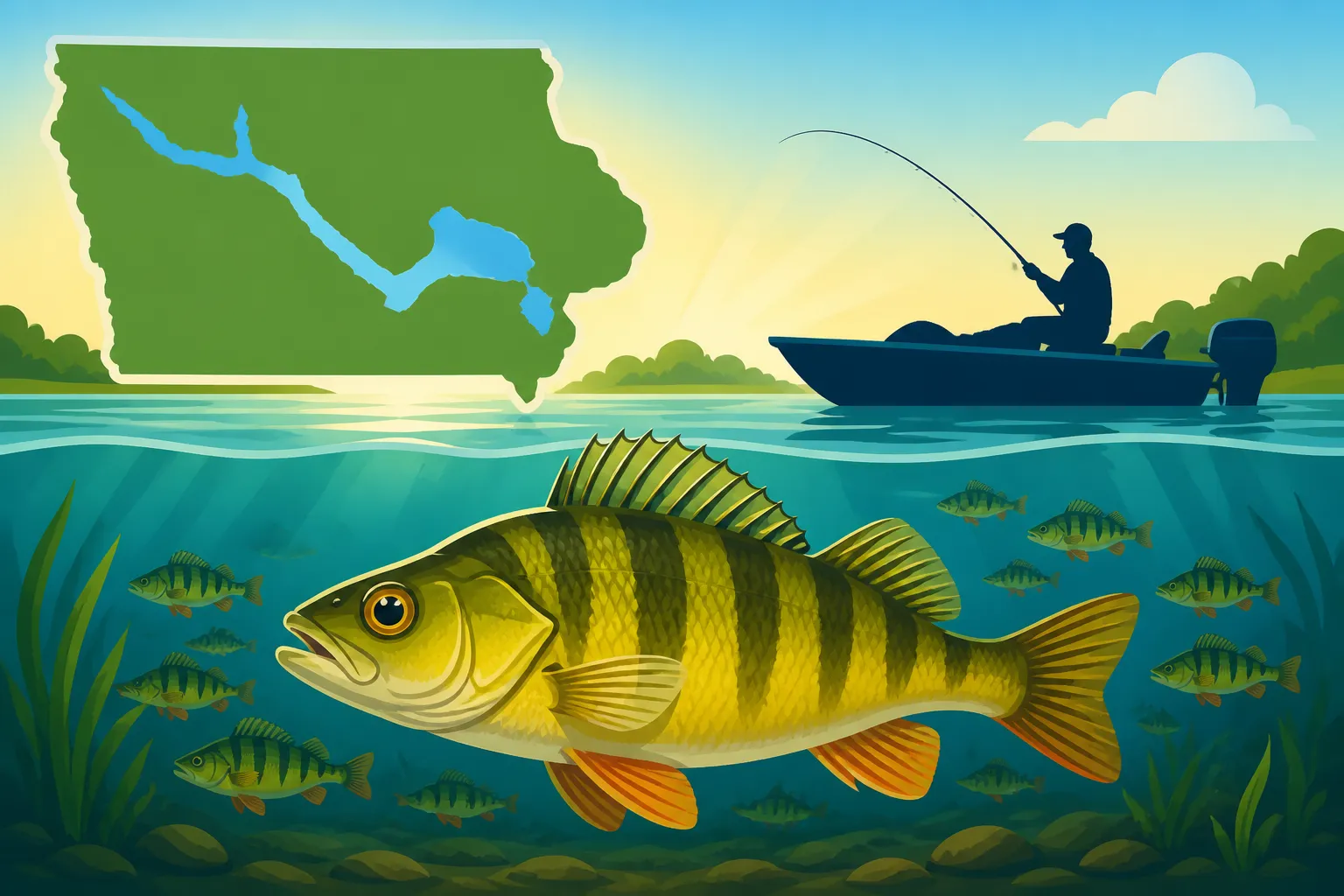
There's something incredibly satisfying about reeling in a yellow perch. Their distinctive olive-green back, golden yellow sides, and those prominent dark vertical bars make them instantly recognizable. They’re often found in schools, which means when you find one, you've likely found a whole mess of them! This schooling behavior makes them a fantastic target for a high-action day on the water, especially for kids or beginners who want consistent bites. For many of us, perch fishing conjures up nostalgic memories of simple joys and bountiful catches.
Beyond the fight, their culinary value is unmatched. Many anglers consider perch to be among the finest eating fish in freshwater. Their fillets are easy to clean, have a delicate flavor, and fry up beautifully. It's not uncommon for families to plan entire trips around filling a cooler with these tasty morsels, providing fresh meals for days or even weeks after a successful outing. This combination of catchability and edibility puts yellow perch high on the list for a lot of Iowa anglers, especially those visiting the state's iconic glacier-carved lakes.
Key Habitats and Preferred Environments
Yellow perch aren't just swimming around randomly; they have specific preferences when it comes to where they hang out. In the Iowa Great Lakes, you'll typically find them gravitating towards areas that offer a combination of cover, food, and suitable water temperatures. Think about submerged vegetation like weed beds, brush piles, or even artificial structures like old docks or fallen trees. These spots provide ambush points for feeding on smaller prey and offer protection from larger predators like walleye and northern pike.
They also show a preference for transition zones – where shallow water drops off into deeper areas, or where different bottom compositions meet. These "edges" are often highways for baitfish and other aquatic insects, making them prime feeding grounds for perch. During different seasons, their depth preference can change dramatically, moving shallower in spring and fall, and retreating to deeper, more stable temperatures in the summer heat or under winter ice. Understanding these habitat preferences is critical, as it dictates where you should focus your efforts throughout the year.
Population Fluctuations: Natural Cycles and Factors Affecting Abundance
One of the most perplexing aspects of perch fishing is how their populations can seem to boom and bust over time. It's not always a linear progression; rather, it's a dynamic dance influenced by a myriad of environmental factors. We often see strong year classes, where an abundance of young perch survive and grow, followed by years where recruitment is poor. These natural cycles are largely driven by variables like water levels, spring temperatures during spawning, and the availability of food sources for newly hatched fry. A cold, wet spring can disrupt spawning, for instance, leading to fewer young perch surviving.
Beyond natural cycles, external factors play a significant role. Things like invasive species, changes in water clarity, and even disease outbreaks can impact perch numbers. For instance, the introduction of zebra mussels can alter the food web, potentially affecting the microscopic organisms that young perch rely on. While the Iowa Department of Natural Resources (DNR) works hard to monitor these populations, anglers often notice these changes firsthand, wondering why their usual honey hole isn't producing like it used to. It's a complex ecosystem, and perch populations are a sensitive indicator of its overall health.
The Iowa Great Lakes: Perch Strongholds
When we talk about yellow perch in Iowa, the conversation invariably turns to the magnificent Iowa Great Lakes. This chain of interconnected glacial lakes in northwest Iowa is renowned for its diverse fishery, and perch are a star attraction. Each lake, however, offers a slightly different experience and hosts perch with unique characteristics influenced by its individual depth, structure, and water chemistry. For a deeper dive into the region, check out our guide on Fishing the Iowa Great Lakes.
Spirit Lake: A Prime Perch Destination
Spirit Lake, the largest natural lake in Iowa, holds a special place in the hearts of perch anglers. Historically, it has been known for producing impressive numbers of quality yellow perch, and it continues to be a hotspot today. The lake's diverse structure, including extensive weed lines, rock piles, and varying depths, provides ideal habitat for perch throughout the year. Anglers often find success targeting the large flats and bays, particularly those with good weed growth, which act as both feeding grounds and protective cover.
During the warmer months, schools of perch can be found along the edges of the weed beds, often moving into shallower water during low-light conditions to feed. As the water cools, they tend to move deeper, concentrating on structure or open water basins where they suspend over baitfish. Ice fishing on Spirit Lake for perch is legendary, with anglers often setting up shanties over known humps or along sharp breaklines where perch congregate. You can learn more about specific spots in our Spirit Lake Fishing Guide.
West Okoboji Lake: Deep-Water Perch Dynamics
West Okoboji Lake stands apart as Iowa's deepest natural lake, and this depth significantly influences its perch populations. While other lakes might feature more expansive shallow weed beds, West Okoboji's clear, deep waters offer a different kind of perch fishery. Here, perch are often found in deeper humps, rock piles, and along steep drop-offs, especially during the summer and winter months. The clear water means they can be a bit more finicky, and presentation often needs to be more subtle.
The perch in West Okoboji can grow to impressive sizes, likely due to the abundant forage and less intense fishing pressure on the deeper fish compared to their shallower counterparts. Anglers targeting these deep-water perch often rely on electronics to locate schools suspended over structure or hugging the bottom. While it might take a bit more effort to pinpoint them, the reward of a hefty West Okoboji perch is definitely worth it. For details on these challenging waters, our West Okoboji Lake Fishing Guide offers excellent insights, including tips on where to find deep water structure, which is crucial for locating perch.
East Okoboji Lake: Shallower Water and Diverse Interactions
In contrast to its deep cousin, East Okoboji Lake is much shallower and features a different character, which in turn affects its perch populations. With more extensive shallow flats and a higher density of aquatic vegetation, East Okoboji offers a classic shallow-water panfish experience. Perch here are often found relating to the weed lines and open pockets within the vegetation, especially in the spring and fall. The shallower nature of the lake also means water temperatures fluctuate more quickly, influencing perch movements throughout the seasons.
The perch in East Okoboji interact more directly with other panfish species like crappie and bluegill, often sharing the same habitat. This can make for a diverse day of fishing, where you might catch a variety of species from the same spot. While the average size of perch might sometimes be slightly smaller than those from West Okoboji, the sheer numbers and consistent action can make East Okoboji a fantastic choice for a productive day. Our East Okoboji Lake Fishing Guide provides further details on navigating this dynamic fishery.
Little Spirit Lake and Big Spirit Lake: Distinguishing Features and Perch Presence
While Spirit Lake and the Okobojis grab most of the headlines, it's worth noting the distinct characteristics of Little Spirit Lake, which is often grouped with the "Great Lakes" system. Little Spirit Lake is typically shallower and often features heavier vegetation, making it a prime location for perch that prefer these types of environments. It can be a fantastic spot, particularly in the spring and early summer, when perch are active in the shallower, warmer waters. Its accessibility and more intimate feel can also make it a pleasant fishing experience away from the larger crowds.
When people refer to "Spirit Lake," they are almost always referring to what we call "Big Spirit Lake" in this context – the largest of the natural lakes. The dynamics described above for Spirit Lake largely apply to Big Spirit. However, it's important for anglers to distinguish between the two, as their size, depth, and specific access points dictate different fishing approaches. Whether you're casting from shore or venturing out in a boat, being aware of which "Spirit Lake" you're heading to will significantly impact your perch fishing strategy and success.
Factors Influencing Perch Populations
Perch populations, like all fish species, are incredibly complex and influenced by a delicate balance of environmental, biological, and anthropogenic factors. It's not just about how many people are fishing; it's a web of interactions that determines whether a lake has a boom year or a bust year for these striped beauties. Understanding these factors can help anglers appreciate the bigger picture and even contribute to conservation efforts.
Water Quality and Habitat Health
The foundation of any healthy fish population is good water quality and robust habitat, and perch are no exception. Clear water, rich in oxygen and free from excessive pollutants, is crucial for their survival and reproduction. In the Iowa Great Lakes, efforts to manage nutrient runoff from surrounding agricultural lands are vital. Too much phosphorus, for example, can lead to algal blooms, which reduce oxygen levels when they decompose, stressing fish populations.
Healthy aquatic vegetation is another cornerstone of good perch habitat. Weed beds provide critical cover for juvenile perch, protecting them from predators, and they are also home to a diverse array of invertebrates that serve as a primary food source. When weed beds are sparse or degraded, perch populations can suffer. Conversely, invasive species like Eurasian watermilfoil can sometimes become too dense, making it difficult for fish to move and forage. Balancing these habitat elements is a continuous management challenge.
Spawning Success and Recruitment
The lifeblood of any fish population is successful reproduction, and for yellow perch, the spring spawn is a critical period. Perch typically spawn in shallow, vegetated areas when water temperatures rise into the mid-40s to low-50s Fahrenheit. They lay their distinctive gelatinous egg strands over submerged vegetation, brush, or debris. The success of this spawn, often referred to as "recruitment" (the number of young fish that survive to a catchable size), is heavily influenced by environmental conditions during and immediately after spawning.
A sudden cold snap can kill eggs or newly hatched fry. Fluctuating water levels can leave eggs exposed or stranded. Predation on young perch by other fish species can also significantly impact recruitment. When conditions are just right – stable temperatures, good water levels, and ample food for fry – you'll see a strong year class emerge a few years down the line, leading to excellent fishing. Conversely, a few poor spawning years in a row can lead to a noticeable decline in the overall perch population in a particular lake.
Predator-Prey Dynamics
Perch don't exist in a vacuum; they are part of a larger food web, constantly interacting with other species. Larger predatory fish like walleye, northern pike, and even bigger bass, view yellow perch as a tasty meal. The abundance of these predators can directly impact perch numbers. If walleye populations are particularly strong, they might exert more pressure on juvenile perch, affecting how many survive to adulthood. This is a natural part of the ecosystem, but extreme imbalances can sometimes occur.
Conversely, perch themselves are predators of smaller invertebrates and even the fry of other fish species. Their presence, especially in large numbers, can impact the populations of the organisms they feed upon. Managers work to maintain a healthy balance between predator and prey species, ensuring that no single species overwhelms the ecosystem. It's a delicate dance where every species plays a role, and the health of the perch population is tied to the health of the entire aquatic community.
Angler Harvest and Regulation Impact
While natural factors are powerful, angler harvest also plays a role in shaping perch populations. When fishing pressure is high, and anglers are consistently removing large numbers of perch, especially larger breeding-size fish, it can potentially impact the population's ability to reproduce and sustain itself. This is why fishing regulations are so important. Daily bag limits and possession limits are put in place to ensure that enough fish remain in the system to spawn and contribute to future generations.
The Iowa DNR carefully monitors perch populations in the Great Lakes, using surveys and angler creel data to assess their health. They then adjust regulations as needed to maintain sustainable fishing. For example, if a particular lake's perch population shows signs of decline, they might reduce the daily bag limit or implement special size restrictions. Familiarizing yourself with the Perch Limit at the Iowa Great Lakes and other relevant rules, such as Iowa Fishing Daily Bag Limits Guide, is crucial for responsible fishing and contributing to the long-term health of the fishery.
Fishing Strategies for Perch at the Great Lakes
Now that we've delved into the science, let's talk about the fun part: catching them! Perch fishing in the Iowa Great Lakes can be incredibly rewarding, but like any species, a little knowledge about their seasonal movements and preferred presentations can go a long way. Having the right gear, which you can often find readily available from retailers like Amazon, can also make a big difference in your success.
Seasonal Movements and Patterns
Yellow perch are highly migratory throughout the year, driven primarily by water temperature, food availability, and spawning instincts.
- Spring (Ice-out to early June): As the ice melts and water temperatures rise, perch move into shallower areas to spawn. Look for them in bays, shallow flats, and around submerged vegetation in 3-10 feet of water. This can be a fantastic time for active perch.
- Summer (June to August): When the water warms significantly, perch often retreat to deeper, cooler waters. You'll find them concentrating around main lake structure like humps, rock piles, and deep weed lines, or suspended over open water basins, often following schools of baitfish. They might move shallower during low-light conditions or cooler days.
- Fall (September to November): This is a prime time for perch! As water temperatures cool, perch become incredibly active, feeding aggressively to build up fat reserves for winter. They'll often school up in large numbers and can be found transitioning between shallower feeding grounds and deeper wintering areas. The bite can be phenomenal.
- Winter (Ice-on to Ice-out): Ice fishing for perch is hugely popular. Perch will often school tightly in specific areas, such as deep flats, basin edges, and over structure. Finding the school is key, but once you do, you can often enjoy continuous action. Consider checking out our Ice Fishing in Iowa guide for more winter tips.
Knowing when and where to look is half the battle. Pay attention to local reports and current water temperatures to fine-tune your approach.
Effective Baits and Lures
Perch are generally opportunistic feeders, but some baits and lures consistently outperform others.
- Live Bait: Minnows are king for perch. Small shiner minnows, fatheads, or even crappie minnows are incredibly effective. You can rig them on a small jig head, a drop shot rig, or under a slip bobber. Worms, especially small pieces of nightcrawlers, are also excellent, particularly for smaller perch. Even wax worms or spikes can entice a bite.
- Jigs: Small jigs (1/32 to 1/8 ounce) tipped with a minnow head, a piece of worm, or small soft plastic are incredibly versatile. Colors like white, chartreuse, pink, and orange often work well. When ice fishing, tiny tungsten jigs are a popular choice.
- Spoons: Small jigging spoons (like a Northland Forage Minnow or a Swedish Pimple) are deadly, especially when ice fishing or targeting deeper summer perch. Tip them with a minnow head for added attraction. These are readily available on platforms like Amazon.
- Small Crankbaits/Blade Baits: In open water, very small crankbaits or blade baits can sometimes trigger aggressive perch, especially if they are actively feeding on baitfish.
- Plastic Baits: Micro plastics, like tiny grubs, tubes, or larvae imitations, fished on light jig heads, can be highly effective when perch are finicky or when you're looking for a cleaner, livelier presentation without the hassle of live bait.
Experimentation is key! Perch can be picky some days, so having a variety of options in your tackle box is always a good idea.
Techniques for Success
Beyond the right bait, how you present it matters.
- Jigging: This is perhaps the most common and effective technique for perch. Whether from a boat or through the ice, a subtle jigging motion that lifts and drops your bait or lure a few inches can be irresistible. Pay attention to how the fish are reacting – sometimes a quick snap, other times a slow, methodical lift is better.
- Slip Bobbers: When perch are in shallow to moderate depths, especially around weeds or structure, a slip bobber rig is hard to beat. It allows you to present live bait at a precise depth, and the bobber's movement gives you clear indication of a bite. This is a great setup for beginner anglers as well.
- Drifting/Trolling: In larger, open water areas, especially during summer, drifting with live bait rigs (like a Lindy Rig or a plain hook and sinker) or slow trolling small crankbaits can help you cover water and locate schools of active perch.
- Ice Fishing: Vertical jigging with small jigs or spoons, often tipped with a minnow head or wax worm, is the go-to. Using a flasher or fish finder is a game-changer for ice fishing perch, helping you locate schools and see their reactions to your bait. Our Best Technique for Perch Through the Ice guide provides excellent in-depth advice on this. Don't forget, a good quality ice auger, easily found on Amazon, can save your arms and get you fishing faster!
| Iowa Great Lake | Primary Perch Habitat | Peak Fishing Season | Typical Perch Size Range | Special Considerations |
|---|---|---|---|---|
| Spirit Lake | Weed lines, deep flats, rock piles | Fall, Winter | 8-12 inches, occasional 14+ | Diverse structure, great ice fishery, sometimes high numbers |
| West Okoboji Lake | Deep humps, drop-offs, clear water | Summer, Winter | 9-14 inches, trophy potential | Challenging due to depth & clarity, use electronics |
| East Okoboji Lake | Shallow flats, extensive weed beds | Spring, Fall | 7-11 inches | Good numbers, often mixed with other panfish |
| Little Spirit Lake | Shallow, heavy vegetation | Spring, Early Summer | 7-10 inches | More intimate, can be good for early season action |
Conservation and the Future of Perch Fishing
The continued health of perch populations in the Iowa Great Lakes isn't just a matter of luck; it's the result of ongoing efforts by resource managers and the commitment of conscientious anglers. Ensuring that future generations can enjoy the thrill of catching these striped fighters requires a collective approach to conservation.
Current Management Efforts
The Iowa Department of Natural Resources (DNR) plays a crucial role in maintaining healthy perch populations. Their efforts include regular fish surveys, where they assess population sizes, age structures, and reproductive success. This data helps them understand the health of the fishery and identify any potential issues. Based on these findings, they implement and adjust regulations, such as bag limits and season dates, to ensure sustainable harvest. You can always check the latest rules in the Iowa Fishing Regulations Explained guide.
Beyond regulations, the DNR also engages in habitat improvement projects. This might involve constructing artificial fish structures, managing aquatic vegetation, or working with landowners on watershed improvements to reduce nutrient runoff. Stocking programs are also sometimes employed in specific situations to bolster populations or introduce new genetic diversity. These comprehensive strategies are designed to protect the perch and the entire ecosystem they inhabit, ensuring a vibrant fishery for years to come.
Angler's Role in Sustainable Fishing
As anglers, we have a direct responsibility to contribute to the sustainability of the perch fishery. The first step is to always know and follow the fishing regulations, including daily bag and possession limits. Taking only what you need and adhering to these rules helps prevent overharvest, especially during peak seasons when perch are highly concentrated. Knowing the Perch Limit at the Iowa Great Lakes specifically is paramount.
Practicing careful catch and release, especially for larger breeding-size perch, can also make a difference. While perch are delicious, sometimes releasing a few of the bigger ones ensures they have a chance to reproduce. Minimizing stress on released fish by handling them gently and returning them to the water quickly increases their survival rate. Furthermore, reporting any suspicious activity or fishing violations to the DNR helps protect the resource from those who disregard the rules. It's a team effort, and every angler plays a part in preserving this valuable resource.
Looking Ahead: Challenges and Opportunities for Perch Populations
The future of perch fishing in the Iowa Great Lakes, while promising, isn't without its challenges. Climate change, with its potential for more extreme weather events and fluctuating water temperatures, could impact spawning success and habitat availability. The ongoing threat of invasive species, such as zebra mussels or various aquatic plants, continues to demand vigilance, as these can alter the food web and habitat in unforeseen ways. Regular boat cleaning to prevent the spread of these species is a simple yet vital action every boater can take.
However, there are also significant opportunities. Continued research into perch ecology can lead to even more effective management strategies. Technological advancements in fishing gear, from advanced fish finders (many of which you can find on Amazon) to more environmentally friendly baits, can enhance the angling experience while minimizing impact. By staying informed, supporting conservation efforts, and practicing responsible angling, we can all help ensure that the abundant and delightful yellow perch remains a highlight of the Iowa Great Lakes fishing scene for generations to come.
Disclaimer
This article is for general informational purposes only and does not constitute professional advice. Laws, prices and regulations vary by location and change over time. Consult a qualified professional for guidance on your specific situation.