How to Apply for a Free Disabled Fishing License
It can feel incredibly overwhelming when you just want to enjoy a peaceful day on the water, but navigating government programs, paperwork, and eligibility requirements for something as simple as a fishing license feels like a major hurdle. For disabled Iowans, the thought of adding another financial burden or bureaucratic maze to their lives can sometimes outweigh the desire to cast a line. This comprehensive guide is here to cut through that confusion, breaking down exactly how to apply for and obtain a free disabled fishing license in Iowa, ensuring everyone who qualifies can enjoy the tranquility and sport of fishing without unnecessary stress.
Understanding Iowa's Free Disabled Fishing License Program
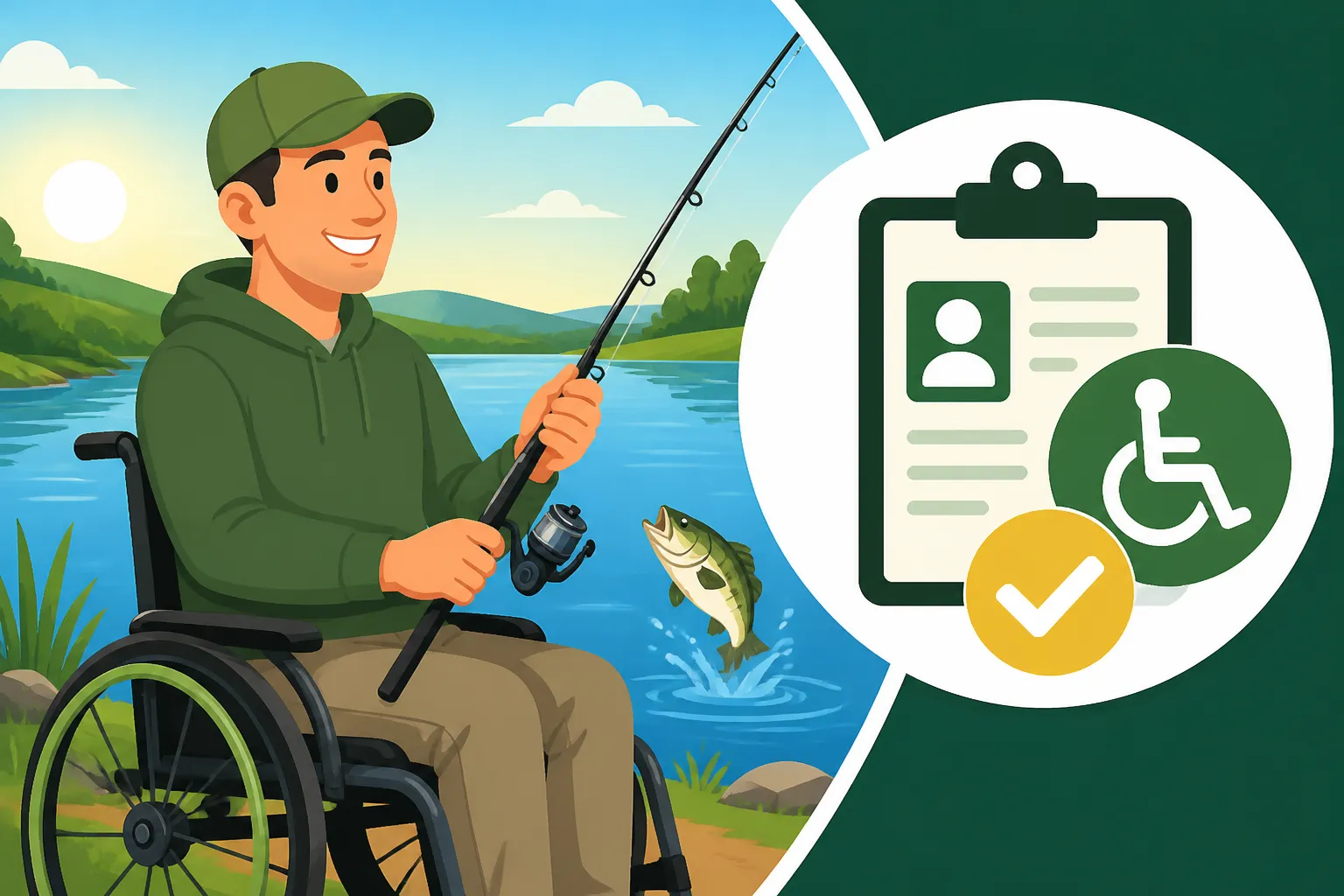
Iowa is committed to making the outdoors accessible to all its residents, and that includes offering special provisions for disabled individuals. The free disabled fishing license program is a fantastic initiative designed to reduce barriers, both financial and logistical, for Iowans who live with disabilities and want to experience the joys of fishing. It's not just about saving money; it's about fostering inclusion and well-being through nature.
Who Qualifies for This Special License?
Qualifying for a free disabled fishing license in Iowa hinges on meeting specific criteria related to your residency and disability status. It’s important to understand these requirements upfront to avoid any frustration during the application process. Generally, you must be a bona fide resident of Iowa. This means you maintain your primary domicile in Iowa and aren't claiming residency in another state. Proof of residency, like an Iowa driver's license or state ID, is usually required.
When it comes to disability, the Iowa Department of Natural Resources (DNR) recognizes several categories. The most common qualifications include individuals who receive Social Security Disability benefits (SSD), Supplemental Security Income (SSI), or are classified as totally disabled under federal or state laws. Veterans with a service-connected disability rating are also often eligible. It's not just about having a disability; it's about having official documentation proving that disability status. For instance, a current award letter from the Social Security Administration or a disability rating letter from the Department of Veterans Affairs are typical forms of accepted proof. The state's goal is to support those whose lives are already made challenging by their health circumstances, ensuring they can still partake in recreational activities. For a deeper dive into who might qualify, you can check out the details on Iowa Fishing License Exemptions and Free Fishing License for Disabled Iowa Residents.
What the Free License Covers
The beauty of Iowa's free disabled fishing license is its comprehensive coverage, allowing you to enjoy most fishing activities without additional costs. This license generally covers all standard fishing activities in Iowa's public waters, meaning you can fish for a wide variety of species, from bass and catfish to walleye and panfish, without needing to purchase a separate annual license. It’s designed to be your primary fishing credential.
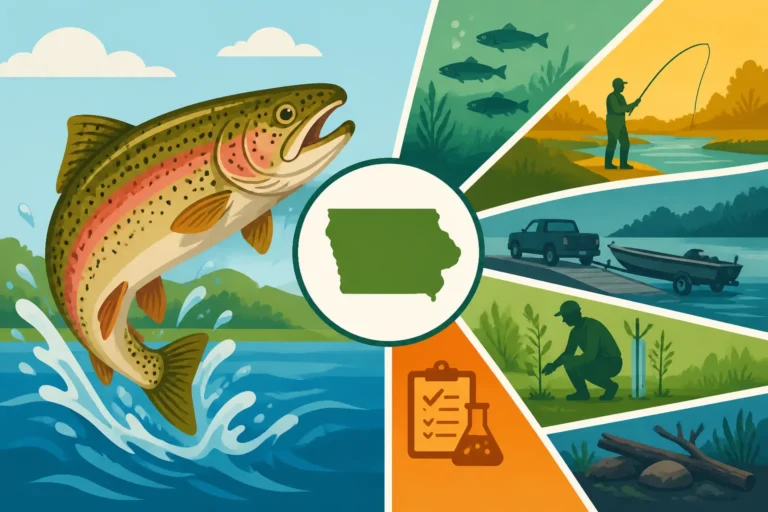
However, there's one significant exception you need to be aware of: the trout fee. If you plan on fishing in designated trout streams in Northeast Iowa or community trout ponds, the free disabled fishing license does not automatically include the trout fee. This fee is a separate stamp required for anyone, regardless of their primary license type, who wishes to harvest trout. So, if catching rainbow or brown trout is on your agenda, you'll still need to purchase an Iowa Trout Fee separately. This distinction is crucial to avoid any unforeseen issues with conservation officers while you're out enjoying the beautiful trout waters. If you're a disabled veteran, you might also be interested in exploring options like the Lifetime Trout License for Disabled Veterans.
Why Iowa Offers This Program
Iowa offers this invaluable program rooted in the belief that everyone, regardless of their physical challenges, deserves the opportunity to connect with nature and enjoy the therapeutic benefits of fishing. Fishing isn't just a hobby; it's a way to de-stress, build patience, and create lasting memories. For individuals living with disabilities, these benefits can be even more profound, offering a sense of freedom and accomplishment that might be harder to find in daily life.
The program also aligns with broader efforts to promote outdoor recreation and conserve Iowa’s natural resources. By making fishing more accessible, the state encourages a wider segment of the population to become stewards of its waterways and wildlife. It’s a recognition of the value that fishing brings to individual well-being and community spirit, breaking down barriers so that more Iowans can experience the tranquility and excitement of a day spent by the water.
Step-by-Step Guide to Applying for Your Free Disabled Fishing License
Applying for your free disabled fishing license might seem like a maze of paperwork, but with a clear understanding of the steps involved, it's quite manageable. Breaking it down into manageable parts makes the process far less daunting, letting you focus on the excitement of your next fishing trip rather than the stress of applications.
Gathering Necessary Documentation
The most critical part of applying for any special license is having all your ducks in a row when it comes to documentation. Without the right papers, your application can hit a snag before it even gets started. Here’s a breakdown of what you'll typically need:
- Proof of Iowa Residency: This is non-negotiable. You’ll need to provide documents that clearly establish you as an Iowa resident. A valid Iowa driver’s license or a non-operator state ID card are the most common and easiest forms of proof. Make sure your address is current and matches any other documentation you submit.
- Proof of Disability: This is where the specifics come in.
- Social Security Disability (SSD/SSI): An official award letter from the Social Security Administration (SSA) is usually required. This letter should clearly state your status as a recipient of SSD or SSI benefits and ideally include the date of your eligibility. Sometimes, an annual statement from the SSA works too.
- Veterans with Service-Connected Disability: You’ll need documentation from the Department of Veterans Affairs (VA) that specifies your service-connected disability rating. This letter should explicitly state your percentage of disability (often 100% is required for this specific license, but check the latest DNR guidelines, as criteria can sometimes vary or have nuances for different programs).
- Other State/Federal Disability Designations: If your disability is recognized under other state or federal laws, you might need official documentation from the relevant government agency. This could include certifications from Vocational Rehabilitation Services or other recognized bodies. The key is that the documentation must be official and clearly state your disability status.
It’s always a good idea to have original documents ready, even if you’re just submitting copies, in case they need verification. A quick call to the Iowa DNR beforehand can clarify any ambiguities regarding specific documentation, ensuring you don't waste time or effort.
Where to Submit Your Application
Once you've gathered all your essential paperwork, the next step is actually submitting your application. Iowa offers a few convenient ways to do this, depending on your preference and what works best for your situation.
- In-Person at DNR Offices or County Recorder's Offices: This is often the most straightforward method, especially if you have questions or need assistance. Many county recorder offices across Iowa, as well as DNR field offices, are equipped to handle these applications. Bringing your original documents allows staff to verify them on the spot, potentially expediting the process. You can find a list of Where to Buy a Fishing License in Iowa, and many of these locations also process special applications.
- Via Mail: If an in-person visit isn't feasible, mailing your application is a viable option. You'll need to download the specific application form from the Iowa DNR website, fill it out completely, and include copies of all your supporting documentation. It's crucial to send copies, not originals, as documents can get lost in transit. Always consider sending it with a tracking number for peace of mind.
- Online (Limited for Initial Applications): While you can often renew certain licenses online, initial applications for free disabled fishing licenses, due to the required disability verification, usually necessitate an in-person or mail submission. The DNR needs to review physical or scanned copies of your official disability documentation. However, the GoOutdoors Iowa app or the DNR website is excellent for general information and for managing your license once it's issued. You can learn more about Buying an Iowa Fishing License on the GoOutdoors App for future renewals or other license types.
Always double-check the Iowa DNR website for the most current application forms and submission instructions, as policies can occasionally be updated.
What to Expect During the Application Process
After you've submitted your application, it's natural to wonder what happens next. The process isn't instantaneous, but knowing what to expect can ease any anxieties.
- Processing Times: Applications, especially those submitted by mail, will require processing time. This can vary depending on the volume of applications and staff availability, but typically it might take a few weeks. In-person applications might be processed quicker, often on the same day if all documentation is in order.
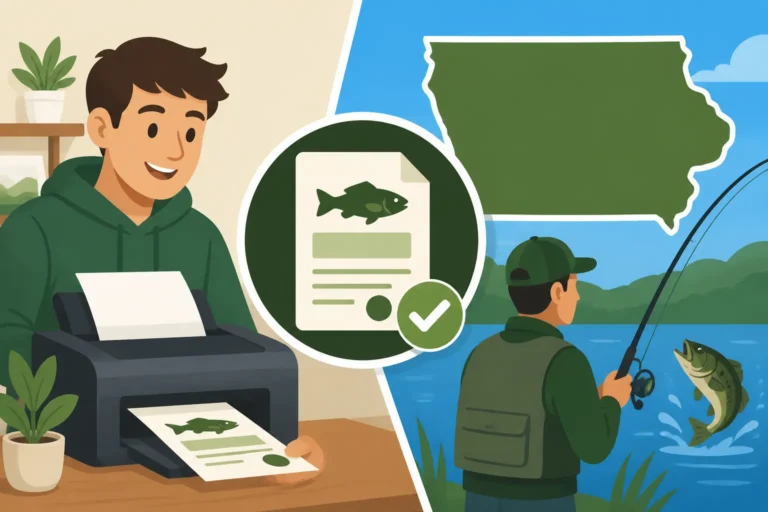
- Confirmation of Approval: Once your application is reviewed and approved, the Iowa DNR will issue your free fishing license. If applying in person, you might receive a temporary printout or your physical card immediately. For mailed applications, your license will be sent to your address.
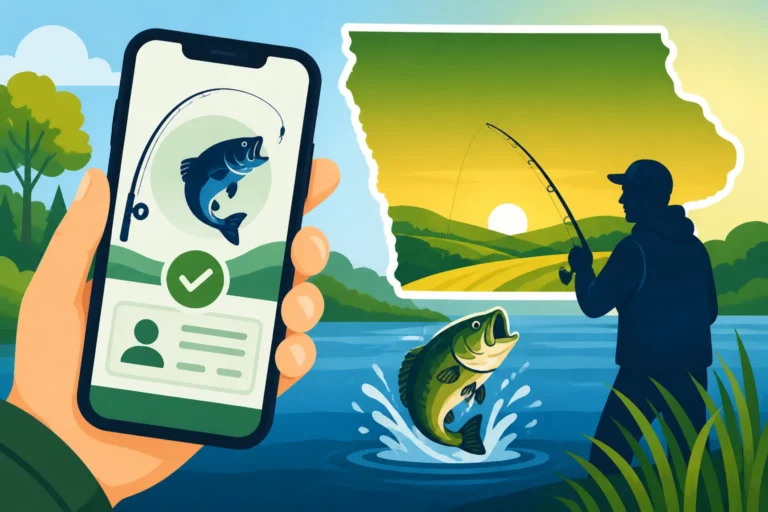
- Receiving Your License: Your free disabled fishing license will typically be a physical card or a printable document that you should carry with you whenever you're fishing. Many states, including Iowa, also allow you to keep a digital copy on your phone through an app like GoOutdoors Iowa. This acts as your official proof that you're legally allowed to fish. Remember, you should always have proof of your license while fishing, similar to understanding the Iowa Fishing Daily Bag Limits Guide or Iowa Fishing Season Dates and Limits.
If there are any issues with your application, such as missing documentation, the DNR will contact you. Be sure to provide accurate contact information on your application form.
Here's a handy table summarizing the required documents:
| Disability Type | Required Documentation | Notes |
|---|---|---|
| Iowa Resident Status | Valid Iowa Driver's License or State ID | Must show current Iowa address. |
| Social Security Disability (SSD/SSI) | Official Award Letter from Social Security Administration | Must clearly state recipient status and eligibility date. |
| Veterans w/ Service-Connected Disability | Official Letter from Department of Veterans Affairs | Must state service-connected disability rating (e.g., 100% disabled). |
| Other State/Federal Disability | Official Certification from Recognized Government Agency | Contact Iowa DNR for accepted agencies/forms. |
Important Considerations and Tips for Disabled Anglers
Securing your free disabled fishing license is a fantastic first step, but there are a few other important things to keep in mind to ensure your fishing adventures in Iowa are smooth, enjoyable, and fully compliant with regulations.
Maintaining Your Eligibility
Once you have your free disabled fishing license, it’s not always a "set it and forget it" situation. Depending on the type of license you receive, you might need to take action to maintain its validity.
- Annual Renewal Process: While some disability licenses might be lifetime, many special licenses require annual renewal. This often involves simply re-verifying your residency and sometimes your disability status. The Iowa DNR typically sends renewal reminders, and you can often renew online via the GoOutdoors Iowa portal or through authorized vendors. Keep an eye out for these reminders and make sure your contact information with the DNR is always up to date. Renewing an Iowa Fishing License is usually a straightforward process.
- Reporting Changes in Disability Status: If your disability status changes (e.g., if you are no longer considered disabled by the qualifying agency), it's your responsibility to inform the Iowa DNR. Your eligibility for the free license is tied directly to your disability status, and maintaining compliance is crucial for keeping the privilege.
- Adhering to All Regulations: Remember, even with a free license, you are still subject to all of Iowa’s fishing regulations. This includes daily bag limits, size restrictions, and season dates for various species. Ignorance of the rules is not an excuse, and penalties for violations can be significant. Always carry a copy of the current Iowa Fishing Regulations Explained or refer to the Iowa DNR website. Failing to follow regulations can lead to fines, confiscation of gear, or even suspension of your fishing privileges, regardless of your license type. This could result in serious consequences, so it's always best to be informed and careful to avoid situations like What Happens If You Fish Without a License in Iowa.
Combining with Other Programs
Iowa has several programs designed to support anglers, and sometimes these can complement your free disabled fishing license, particularly concerning the trout fee.
As mentioned, your free fishing license doesn't cover the trout fee. However, disabled veterans who meet specific criteria might be eligible for a Lifetime Trout License for Disabled Veterans. This is a separate, one-time purchase that permanently covers the trout fee, eliminating the need to buy it annually. If you're a veteran, it's definitely worth looking into these combined benefits to maximize your access to Iowa's beautiful trout streams. It ensures that once you have your free fishing license, you won't face any additional costs for trout fishing.
Accessibility in Iowa Fishing
Iowa has made commendable strides in improving accessibility for anglers with disabilities, recognizing that a license is only part of the equation. Getting to and around fishing spots is equally important.
- Accessible Fishing Piers and Docks: Many of Iowa's state parks, county parks, and municipal areas now feature accessible fishing piers that are designed to accommodate wheelchairs and offer stable, safe platforms for fishing. These often include handrails, wide paths, and sometimes even specialized seating. Some excellent examples can be found around the Iowa Great Lakes and various community ponds.
- Paved Trails and Access Points: Look for fishing spots that boast paved trails leading directly to the water or to fishing structures. These eliminate the challenges of uneven terrain, mud, or steep inclines. The Iowa DNR's online resources, including the Iowa Fishing Atlas Access Points, often highlight features like accessible parking and pathways.
- Designated Accessible Facilities: When planning your trip, consider calling the specific park or lake office to inquire about their most up-to-date accessible amenities. They can provide firsthand information on ramp conditions, restroom accessibility, and any recent improvements. Many public lands are striving to meet ADA standards, making it easier for everyone to enjoy the outdoors. Using resources like the fishing atlas or contacting local parks can help you find suitable spots that cater to your specific needs, ensuring a comfortable and enjoyable day on the water.
Remember, the goal is to make fishing an accessible and stress-free activity for all Iowans, especially those who navigate additional challenges daily. With your free disabled fishing license and a little planning, you can fully embrace the rich fishing opportunities Iowa has to offer.
Disclaimer
The information provided in this guide is intended for general informational purposes only and does not constitute legal advice. While we strive to provide accurate and up-to-date information, fishing regulations and licensing requirements in Iowa can change. It is always the responsibility of the individual angler to verify current regulations, eligibility criteria, and application procedures directly with the Iowa Department of Natural Resources (DNR) or other relevant government agencies before engaging in any fishing activities. We recommend consulting the official Iowa DNR website or contacting them directly for the most current and authoritative information.