Do Disabled Veterans Get a Free Fishing License in Iowa?
It can be really frustrating trying to figure out if you qualify for a free fishing license as a disabled veteran in Iowa. You’ve served our country, perhaps endured injuries in the line of duty, and now you just want to enjoy the peace and quiet of an Iowa lake or river without jumping through endless bureaucratic hoops. This guide is here to cut through the confusion and explain exactly how disabled veterans can access fishing privileges in Iowa, making sure you know your benefits and how to claim them.
Understanding Iowa's Support for Disabled Veterans in Fishing
Iowa recognizes the immense sacrifices made by its veterans, and that certainly extends to providing certain privileges, including hunting and fishing opportunities. For disabled veterans, specifically those with a significant service-connected disability, the state offers a free combination hunting and fishing license. This isn't just a small discount; it's a full exemption from the usual license fees, allowing eligible veterans to enjoy Iowa's beautiful waters without the added cost. It’s a small way the state tries to say "thank you" for your service and sacrifice.
Eligibility for the Disabled Veteran Fishing License
So, let's get right to it: who exactly qualifies for this invaluable benefit? The Iowa Department of Natural Resources (DNR) has specific criteria for veterans to receive the free combination hunting and fishing license. It's not just any disability; it must be directly related to your time in service.
Firstly, you must be a resident of Iowa. This means you maintain your primary domicile in the state, typically for at least 90 consecutive days prior to applying. Secondly, and critically, you must be a veteran of the U.S. Armed Forces. This includes the Army, Navy, Air Force, Marine Corps, Coast Guard, and the Reserves or National Guard when activated for federal service. The most important qualification, however, revolves around your disability status. You must have a service-connected disability, certified by the U.S. Department of Veterans Affairs (VA), that is either 100% disabling or you must be receiving individual unemployability benefits from the VA. This means that your service-connected condition is so severe that it prevents you from working at a substantially gainful occupation. This isn't just for combat injuries; it can include any condition directly linked to your service that meets the VA's stringent criteria for a 100% rating or unemployability.
The Application Process for Veterans
Once you've determined you meet the eligibility requirements, the next step is the application itself. While the idea of government paperwork might send shivers down your spine, the process for the disabled veteran combination license is fairly straightforward, provided you have your documentation in order. You won't find this specific free license type available through the standard online purchasing portal or most retailers like you would a typical Iowa Resident Annual Fishing License.
The first thing you'll need to do is gather your official VA documentation. This is paramount. Specifically, you'll need a letter or certificate from the U.S. Department of Veterans Affairs verifying your 100% service-connected disability rating or your individual unemployability status. Without this specific documentation, the Iowa DNR cannot process your application. Next, you'll need to fill out the DNR's specific application form for this license. This form is typically available on the Iowa DNR website or at their main offices. Once completed, you'll submit the application, along with your proof of Iowa residency and your VA disability verification, directly to the Iowa DNR. They will review your application and, if everything is in order, issue your free combination license. It’s always a good idea to keep copies of all submitted documents for your records, perhaps stored in a sturdy document organizer you might find on Amazon.
What the License Covers and Doesn't Cover
This free combination license is a fantastic benefit, but it's important to understand its scope. The license covers your basic Iowa fishing license requirements, allowing you to fish in most public waters throughout the state according to general regulations. It also covers your basic hunting license, giving you access to those activities as well.
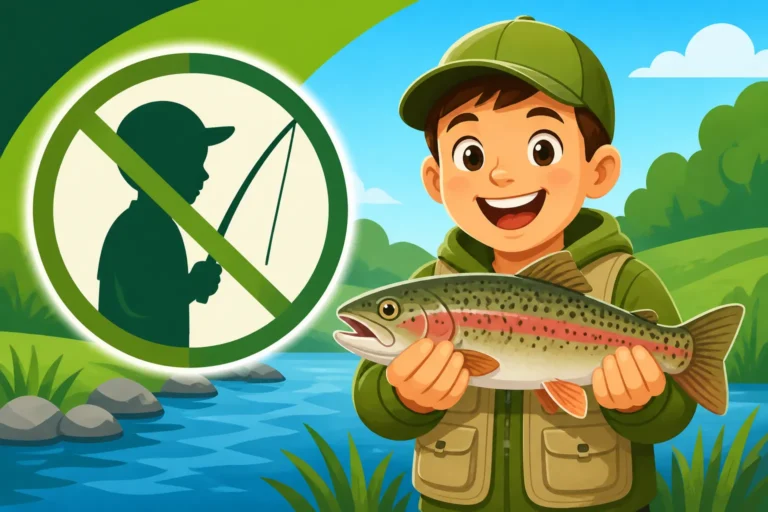
However, there are some important exclusions to be aware of. The most common one that trips up anglers is the Iowa Trout Fishing Fee and Stamp Guide. Even with your free combination license, if you plan to fish for trout in Iowa's designated trout streams – particularly in northeast Iowa where they are actively stocked – you will still need to purchase an annual trout fee. This fee is a separate stamp or endorsement that funds the state's trout program, and it's a requirement for almost all trout anglers, regardless of their basic license status. Similarly, if you plan to hunt specific species like waterfowl or deer, you might still need to purchase federal or state stamps or tags associated with those particular activities. Always double-check the specific regulations for the species you plan to pursue.
Beyond the License: Additional Benefits and Resources for Veterans
While securing your free fishing license is a great start, Iowa offers other ways to support its veteran community, some of which directly or indirectly enhance outdoor opportunities. It’s worth exploring these avenues to maximize your enjoyment of what our state has to offer.
Discounted and Specialized Programs
Beyond the free combination license, veterans, and especially disabled veterans, often have access to various outdoor programs designed to make recreation more accessible. For instance, many state parks and recreational areas might offer special considerations or accessible facilities. Organizations like Heroes on the Water or Project Healing Waters Fly Fishing often host events specifically for veterans, providing equipment, instruction, and camaraderie, often at no cost. These programs go beyond just providing a license; they offer a supportive community and the mental and physical benefits of being outdoors. They can be invaluable for veterans looking to connect with others who share similar experiences and a passion for fishing.
Organizations Supporting Veteran Anglers
There are numerous non-profit organizations dedicated to getting veterans out on the water. These groups play a crucial role in fostering a sense of community and providing therapeutic outdoor experiences. For example, groups might offer guided fishing trips on the Mississippi River in Iowa or at the Iowa Great Lakes, teaching techniques for specific species like Walleye Fishing in Iowa or How to Catch Bass in Iowa. They often provide all the necessary gear, from specialized fishing rods and reels to adapted equipment for those with mobility challenges. Finding a local chapter of one of these organizations can open up a whole new world of fishing opportunities and friendships. A quick search online can reveal many local or regional groups, and sometimes even products on Amazon might be advertised with a portion of proceeds going to support veteran charities.
Ensuring You Have the Right Documentation
The key to a smooth application process for your free disabled veteran fishing license in Iowa is having all your ducks in a row when it comes to documentation. Without the correct proof, the DNR won't be able to approve your application, leading to unnecessary delays and frustration.
Gathering Your Proof of Service and Disability
The most crucial piece of information is your official documentation from the U.S. Department of Veterans Affairs. This isn't just your DD-214, which proves your service; it's the specific letter or certificate stating your 100% service-connected disability rating or that you are receiving individual unemployability benefits. This document needs to be current and clearly indicate the specific rating or status that qualifies you for the Iowa DNR benefit. If you don't have this document readily available, or if it's outdated, you'll need to contact the VA to request a new one. This can sometimes take a bit of time, so it's wise to start this process well in advance of when you hope to hit the water. Additionally, you’ll need proof of Iowa residency, such as an Iowa driver's license or state ID. Make sure your address on file with the VA matches your Iowa residency proof to avoid any hiccups.
Where to Go for Assistance
If you find yourself struggling with the paperwork or understanding the exact requirements, don't hesitate to seek help. Your local County Veterans Affairs office is an excellent resource. These offices are specifically designed to assist veterans with navigating benefits and can often help you retrieve necessary VA documentation or guide you through the DNR application process. They understand the nuances of veteran benefits and can be an invaluable ally. The Iowa DNR website also provides detailed information and contact numbers for their licensing division, which can clarify any specific questions about the application or required documentation. Remember, you don't have to tackle this alone; there are resources available to ensure you get the benefits you've earned.
Important Regulations to Remember
Even with a free fishing license, being a responsible and knowledgeable angler means understanding and adhering to Iowa's fishing regulations. These rules are in place to protect fish populations and ensure sustainable fishing for everyone.
Staying Informed on Iowa Fishing Regulations
Having a free license doesn't mean you're exempt from bag limits, size restrictions, or season dates. It's absolutely crucial to stay up-to-date with the current Iowa Fishing Regulations Explained. These regulations can change year to year, so relying on old information is a recipe for trouble. You can find the most current regulations booklet online on the Iowa DNR website or pick up a physical copy wherever fishing licenses are sold, like at bait shops or general stores. Pay close attention to specifics for popular species, such as Walleye Season and Size Limits, or Bass Season and Size Limits. Ignorance of the law is never an excuse, and violating regulations, even unintentionally, can result in fines and loss of fishing privileges. Remember, the goal is to enjoy the sport responsibly and preserve it for future generations.
Special Considerations for Trout Fishing
As we touched on earlier, one of the most common areas of confusion for anglers, including those with a free license, is the Iowa Trout Fishing Fee and Stamp Guide. If you plan to fish for trout in any of Iowa's designated trout streams or ponds – like those beautiful Trout Fishing Streams in Northeast Iowa – you must purchase the annual trout fee. This fee is separate from your general fishing license, even the free combination one. It's a small but vital contribution that directly supports the DNR's trout stocking and management programs. Failing to possess this stamp when fishing for trout can lead to a citation, just like fishing without a general license. So, if you're heading out to chase some rainbows, browns, or brookies, make sure that trout stamp is part of your gear, easily purchased online or at most license vendors.
| Eligibility Requirement | Description | Required Documentation |
|---|---|---|
| Iowa Residency | Must be a current resident of Iowa. | Iowa Driver's License or State ID |
| Veteran Status | Must be a veteran of the U.S. Armed Forces. | DD-214 (typically submitted to VA for disability) |
| Disability Rating | Must have a 100% service-connected disability or be receiving individual unemployability benefits, as certified by the U.S. Department of Veterans Affairs (VA). | Official VA letter/certificate verifying 100% service-connected disability or unemployability. |
| Application Submission | Complete and submit the official Iowa DNR application form. | Iowa DNR Disabled Veteran Combination License Application Form |
Disclaimer
Please note that while this guide provides comprehensive information, fishing regulations and licensing requirements can change. Always refer to the official Iowa Department of Natural Resources (DNR) website or their current regulations booklet for the most up-to-date and legally binding information. This content is for informational purposes only and does not constitute legal advice.