Where Trout Fee Money Goes
You know, many of us fork over the cash for our fishing licenses and stamps each year, often without a second thought beyond getting out on the water. But it’s totally fair to wonder, especially when it comes to specific add-ons like the Iowa trout fee, where exactly does that extra money go? Are we really seeing the benefits of that investment in our beloved streams? This guide is here to pull back the curtain and explain precisely how your Iowa trout fee contributes to the vibrant coldwater fisheries across our state, ensuring you understand the real impact of your support.
Understanding Iowa's Trout Program and the Role of the Fee
Iowa might not be the first state that comes to mind when you think of trout fishing, and that's precisely why our specialized trout program is so vital. While much of the state is characterized by rolling plains and warmwater fisheries, the unique geology of Northeast Iowa offers a haven for coldwater species.
Why Iowa Has a Trout Program
Let's be real: much of Iowa isn't naturally suited for trout. These beautiful fish need clean, cold, oxygen-rich water to thrive, which is typically found in spring-fed streams. Northeast Iowa, with its rugged limestone bluffs and numerous coldwater springs, provides these essential conditions in specific, albeit limited, areas. However, even these prime locations often face challenges from agricultural runoff, erosion, and changing climate patterns that can degrade water quality and habitat. Without intervention, many of these streams simply couldn't sustain robust trout populations year after year.
This is where the Iowa Department of Natural Resources (DNR) steps in with its comprehensive trout stocking program. They actively raise and release thousands of trout into designated streams and ponds, creating fantastic fishing opportunities where they otherwise wouldn't exist. It's a massive undertaking that requires significant resources, from hatchery operations to habitat improvement projects. It's not just about dumping fish in water; it's about creating and maintaining a thriving ecosystem.
What the Trout Fee Is and Isn't
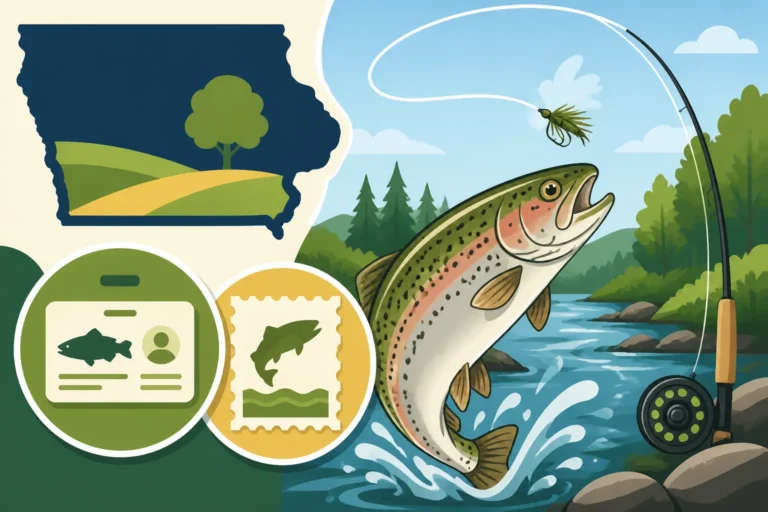
First and foremost, let's clarify: the Iowa trout fee, sometimes referred to as a trout stamp, is an additional privilege you purchase after you’ve secured your standard Iowa fishing license. It's not a standalone license, nor does it replace your need for a general license. Think of it like this: your main fishing license is your entry ticket to fish for most species across Iowa, but the trout fee is your special pass to access those specific, managed trout waters and keep any trout you catch. If you’re planning on going after those elusive rainbows or browns in places like the Yellow River or French Creek, you absolutely need to have both. We have a detailed guide on the Iowa Trout Fishing Fee and Stamp Guide that explains this in depth.
This fee is distinct from the general revenue generated by regular fishing licenses. While all fishing license sales contribute to the broader conservation efforts of the Iowa DNR, the trout fee is specifically earmarked for the coldwater fisheries program. This direct allocation is crucial because it ensures that the money generated by trout anglers goes directly back into maintaining and enhancing the very resource they enjoy. It’s an investment made by the community of trout anglers, for the community of trout anglers. There are also specific exemptions, such as for children under 16, who don't require the fee, which we cover in our Iowa Fishing License Exemptions article.
Direct Impact: How Trout Fee Money Fuels Iowa's Coldwater Fisheries
When you purchase that Iowa trout fee, you're not just buying a piece of paper; you're directly investing in the future of trout fishing in the Hawkeye State. The funds collected through this fee are meticulously channeled into various programs designed to sustain, enhance, and protect Iowa's unique coldwater resources.
Funding Trout Production and Stocking
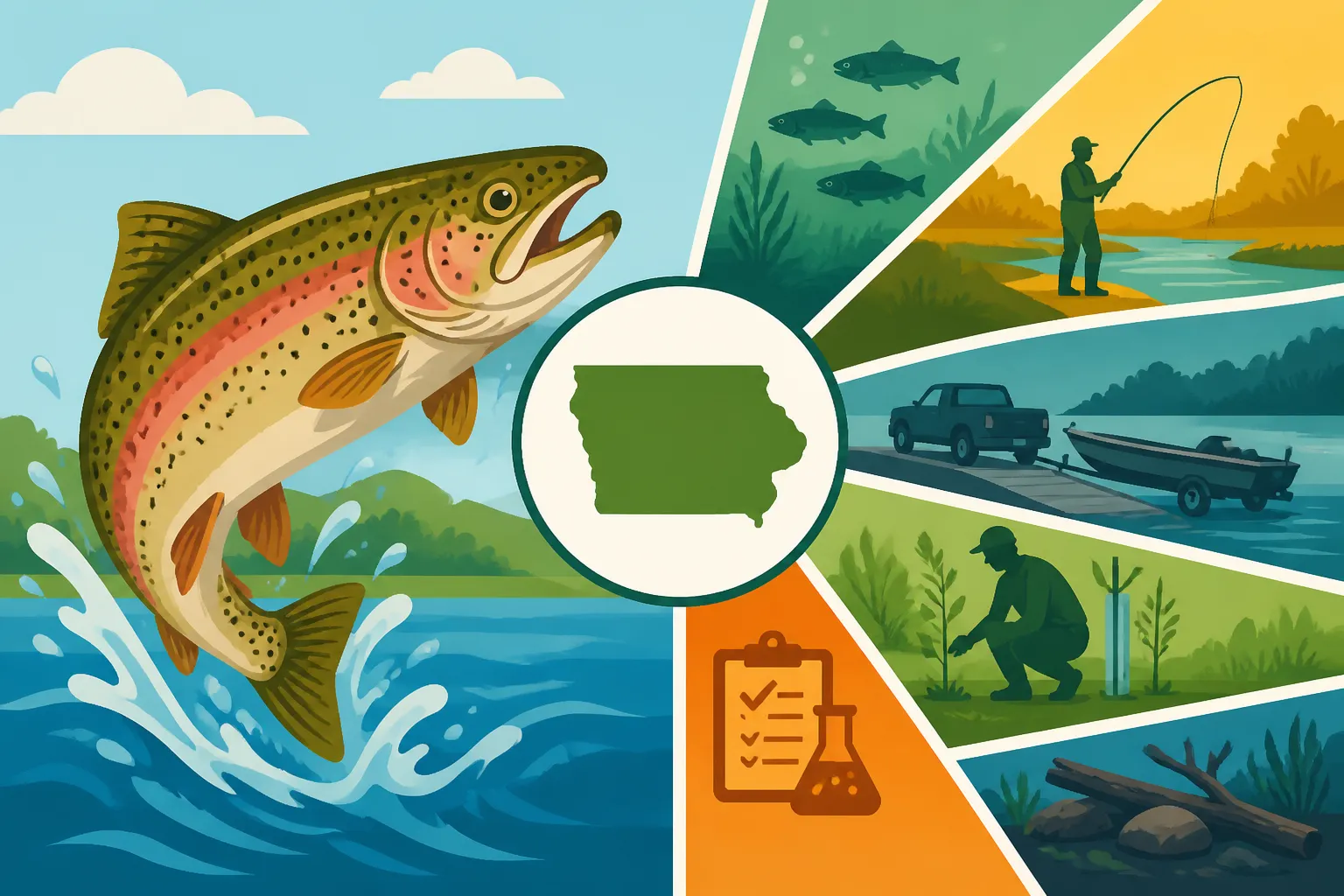
The most immediate and visible impact of your trout fee dollars is on the production and stocking of trout. Imagine the sheer logistics involved: millions of trout eggs are carefully nurtured, hatched, and grown in state-of-the-art hatcheries. The Iowa DNR operates facilities like the Decorah Fish Hatchery and the Manchester Fish Hatchery, which are the powerhouses behind our trout program. These operations require substantial funding for everything from specialized feed formulations that promote healthy growth to the electricity needed to run pumps and filtration systems that maintain optimal water quality.
Your fee directly supports the salaries of dedicated hatchery staff who work tirelessly year-round, ensuring the fish are healthy and ready for release. It also covers the cost of transporting these thousands of trout from the hatcheries to the dozens of designated trout streams and community trout ponds across the state. Without this funding, the regular stocking events that provide such fantastic "put-and-take" fishing opportunities simply wouldn't be possible. When you cast your line into a stream that was just stocked, remember that experience was made possible by every angler who purchased that trout fee. If you’re looking to renew your Iowa Fishing License, the same places you do that will likely allow you to purchase or renew your trout fee, as detailed in our guide on When the Trout Fee Needs to Be Renewed.
Stream Restoration and Habitat Enhancement
Beyond simply stocking fish, a significant portion of the trout fee goes into vital stream restoration and habitat enhancement projects. Iowa's trout streams, while beautiful, are often vulnerable to environmental pressures. Erosion from agricultural fields, degraded riparian zones (the areas alongside the stream), and sedimentation can severely impact the cold, clean water that trout need. These issues aren't just cosmetic; they directly reduce the spawning success of wild trout and make it harder for stocked trout to thrive.
The trout fee funds critical projects like streambank stabilization, which involves planting native vegetation, installing rock structures, and using bioengineering techniques to prevent soil from washing into the stream. It also supports in-stream habitat improvements, such as adding lunker structures, rock deflectors, and log jams. These features create crucial hiding places for trout, provide cooler water refuges during warmer months, and enhance the natural food sources available to the fish. These are not quick fixes; they are long-term investments in the ecological health of our streams, aiming to create environments where trout can not only survive but potentially reproduce naturally. Learning about Trout Stream Regulations in Northeast Iowa can give you a deeper appreciation for these efforts. Sometimes, you can even find specialized tools or books on stream restoration on Amazon that help you understand these complex ecological principles, further connecting you to the science behind the conservation.
Research, Monitoring, and Management
To effectively manage a fishery, the Iowa DNR needs solid data. A portion of the trout fee is allocated to scientific research, monitoring, and ongoing management efforts. This includes employing fisheries biologists and technicians who conduct regular surveys of trout populations, assess fish health, and analyze water quality. They collect vital information on trout growth rates, spawning success, and the overall health of aquatic insect populations—the primary food source for trout.
This data is indispensable for making informed management decisions. For example, biologists use this information to determine optimal stocking numbers, identify streams that might need targeted habitat work, and even adjust fishing regulations to ensure sustainability. They also monitor for diseases and invasive species that could threaten our trout populations. It's a continuous cycle of assessment and adaptation, all aimed at providing the best possible fishing experience while safeguarding the natural resource. Knowing the scientific basis behind the program helps you understand exactly Where Trout Fee Money Goes, beyond just the stocking truck.
Beyond the Streams: Indirect Benefits and Wider Conservation
While the primary focus of the Iowa trout fee is undoubtedly on coldwater fisheries, its impact ripples out, creating broader benefits for local communities and the state's overall conservation landscape. It's more than just about trout; it's about healthy ecosystems.
Supporting Public Access and Infrastructure
Healthy, well-managed trout streams are a magnet for anglers, drawing visitors from across Iowa and beyond. This increased angler activity creates a demand for improved public access and infrastructure around these popular fishing spots. While not directly budgeted from the trout fee, the success of the trout program, largely funded by your fee, often justifies investment in things like improved parking areas, accessible trails, and clear signage at stream access points. Many of these enhancements are funded through other DNR programs, but the very existence and popularity of the trout fishery, sustained by the fee, drives the need for these developments.
Moreover, the influx of anglers to picturesque Northeast Iowa streams translates into a tangible economic boost for small, rural communities. Local tackle shops, gas stations, diners, and lodging providers all see increased business from visiting anglers. So, your trout fee isn't just stocking fish; it's indirectly supporting the vitality of some of Iowa’s most charming small towns. You can even find essential gear like a good fishing net or waterproof bags on Amazon before your trip, supporting both your adventure and the local economy when you get there.
Contribution to Overall Conservation Efforts
Trout streams are incredibly sensitive ecosystems, often serving as indicators of overall environmental health. The efforts funded by the trout fee—habitat restoration, water quality monitoring, and riparian zone improvements—don't just benefit trout. They improve water quality for all aquatic life, reduce erosion that impacts downstream ecosystems, and enhance biodiversity. A healthy trout stream means a healthier stream for everything from native insects to other fish species.
Therefore, the trout program, backed by your fee, contributes significantly to Iowa's broader conservation goals. It's a targeted investment that pays dividends across the environmental spectrum, protecting precious natural resources for all Iowans, not just those who cast a line for trout. This synergy with wider conservation initiatives amplifies the impact of your contribution, making it a powerful force for good. Understanding the comprehensive Iowa Fishing Regulations Explained helps you see how all these pieces fit together.
Where Your Iowa Trout Fee Money Goes
Here's a quick breakdown of how your Iowa trout fee is typically allocated:
| Category | Description | Percentage (Estimated) |
|---|---|---|
| Trout Production & Stocking | This is the largest portion, covering everything from purchasing trout eggs, specialized fish feed, maintaining hatchery facilities (like electricity, water filtration, tank maintenance), equipment for transport, and salaries for hatchery staff. It directly ensures that trout are raised and released into designated waters throughout the year. | 60-70% |
| Stream Restoration & Habitat | Funds allocated here go towards improving the physical environment of trout streams. This includes projects like streambank stabilization to prevent erosion, planting native vegetation in riparian zones, installing in-stream structures (e.g., lunker structures, log jams, rock deflectors) to create cover and feeding areas, and controlling invasive species that harm native habitat. These efforts enhance natural reproduction and provide better conditions for stocked fish. | 15-20% |
| Research, Monitoring & Management | This segment covers the scientific backbone of the program. It funds fisheries biologists and technicians who conduct trout population surveys, assess fish health, perform water quality testing, and analyze ecosystem data. This research helps the DNR make informed decisions about stocking levels, regulation changes, and identify areas needing specific conservation interventions to ensure long-term sustainability. | 5-10% |
| Program Administration & Outreach | A smaller portion covers the administrative costs associated with running the program, including licensing system management, public education materials, and outreach efforts to promote responsible angling and conservation. This ensures the program operates smoothly and effectively communicates with the angling public. | 5-10% |
Note: These percentages are estimates and can fluctuate based on annual budgets, specific project needs, and operational costs within the Iowa DNR's Fisheries Bureau.
Your Investment: Why the Trout Fee Matters to Anglers
It's easy to see a fee as just another cost, but for the passionate trout angler, understanding where that money goes transforms it into an investment. This isn't just about covering expenses; it's about actively shaping and preserving the very experience you cherish.
Ensuring Continued Opportunities
Let's be blunt: without the revenue generated by the Iowa trout fee, the quality and quantity of trout fishing opportunities in Iowa would diminish dramatically. The intensive management required to maintain these fisheries, from stocking thousands of fish to restoring fragile stream habitats, is expensive. If the funding dries up, so do the fish. Your trout fee is the direct financial link between your desire to catch trout and the DNR's ability to provide those opportunities. Whether you're a seasoned fly fisherman or just starting out with a spinning rod, that fee guarantees that when you visit one of the many beautiful Trout Fishing Streams in Northeast Iowa, you'll find healthy fish waiting for you.
Every dollar contributed through the trout fee helps maintain the stocking schedules, ensuring a consistent supply of catchable trout throughout the spring, summer, and fall. It underpins the habitat projects that make these streams not just places where fish are put, but places where fish can actually thrive. It’s a direct vote of confidence in the program, and a tangible way to say, "Yes, I want to keep these special fisheries alive and well." We also have guides on Iowa Resident Annual Fishing License and Iowa Nonresident Annual Fishing License which explain the foundational license costs before this add-on.
A Legacy for Future Generations
Beyond the immediate gratification of a bent rod, your trout fee also plays a crucial role in securing a legacy. The conservation efforts funded by this fee aren't just for next weekend; they're for the next generation of anglers. By investing in stream health, habitat, and sustainable fish populations, you're helping to ensure that your kids, grandkids, and beyond will have the same, if not better, opportunities to experience the thrill of trout fishing in Iowa. It's an act of stewardship, a recognition that these natural resources are a treasure to be protected and passed down.
It’s about more than just numbers on a spreadsheet; it’s about nurturing a passion for the outdoors and safeguarding a unique part of Iowa’s natural heritage. So, the next time you renew your Iowa fishing license and add that trout fee, you can do so with the confidence that you are making a direct, meaningful contribution to the vibrant future of trout fishing in our beautiful state. You can easily pick up your license and the necessary trout fee at various locations, as highlighted in our guide on Where to Buy a Fishing License in Iowa.
Disclaimer
Please note that fishing regulations, fees, and programs are subject to change. Always consult the official Iowa Department of Natural Resources (DNR) website or their current fishing regulations booklet for the most up-to-date and accurate information before heading out on the water.